
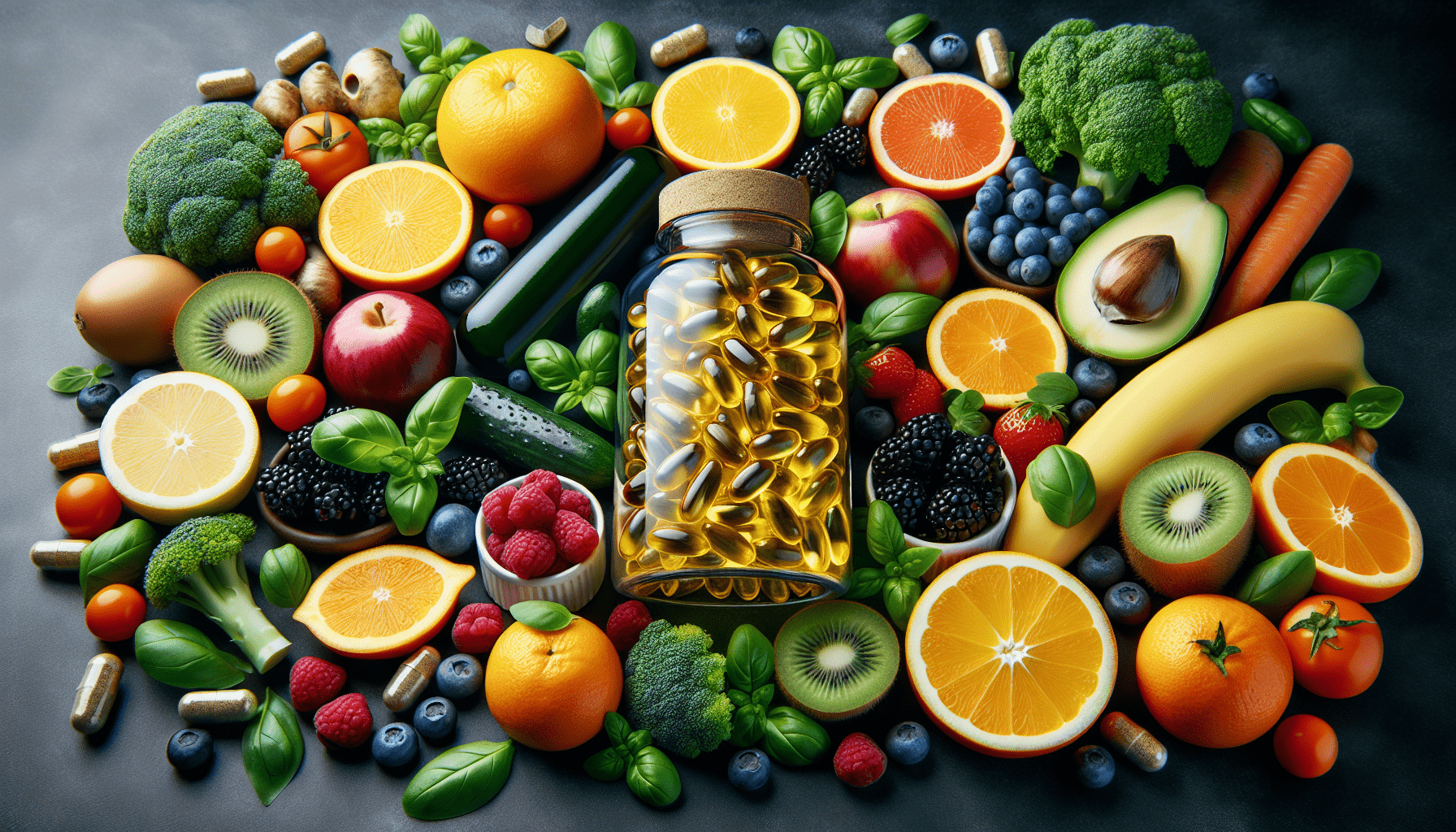
Welcome to an informative article on managing your cholesterol levels through the use of nutritional supplements. In this piece, you will learn about the importance of maintaining healthy cholesterol levels and how certain supplements can aid in this process. By incorporating these supplements into your daily routine, you can take proactive steps towards improving your overall heart health and well-being. Let’s explore the benefits of incorporating nutritional supplements into your cholesterol management plan.
Managing Cholesterol Levels Through Nutritional Supplements
Have you ever wondered how you can manage your cholesterol levels through the use of nutritional supplements? Well, you’re in the right place. We will explore the different types of supplements that can help you maintain healthy cholesterol levels and improve your overall well-being. Let’s delve into the world of managing cholesterol levels through nutritional supplements.

Understanding Cholesterol
Before we dive into how nutritional supplements can help manage cholesterol levels, let’s first understand what cholesterol is. Cholesterol is a waxy, fat-like substance that is found in every cell of your body and plays a crucial role in various bodily functions. There are two main types of cholesterol: low-density lipoprotein (LDL) and high-density lipoprotein (HDL). LDL, also known as “bad” cholesterol, can build up in the walls of your arteries and increase your risk of heart disease. On the other hand, HDL, or “good” cholesterol, helps remove LDL from your arteries.
LDL Cholesterol
LDL cholesterol is often referred to as “bad” cholesterol because high levels of LDL can lead to a build-up of plaque in your arteries, increasing your risk of heart disease. It is essential to keep your LDL levels in check to maintain a healthy heart and reduce your risk of cardiovascular issues.
HDL Cholesterol
HDL cholesterol, on the other hand, is known as “good” cholesterol because it helps remove LDL from your blood and arteries, reducing your risk of heart disease. Maintaining high levels of HDL can help protect your heart and overall health.

Role of Nutritional Supplements in Managing Cholesterol Levels
Nutritional supplements can play a significant role in managing cholesterol levels by providing essential nutrients that support heart health and help regulate cholesterol levels. These supplements can complement a healthy diet and lifestyle to promote overall well-being and reduce the risk of heart disease.
Omega-3 Fatty Acids
Omega-3 fatty acids are essential nutrients that are known for their heart-healthy benefits. These fatty acids can help lower triglycerides, reduce inflammation, and support overall heart health. Fish oil supplements are a common source of omega-3 fatty acids and can help improve cholesterol levels when taken regularly.
Plant Sterols and Stanols
Plant sterols and stanols are compounds found in plants that can help lower LDL cholesterol levels. They work by blocking the absorption of cholesterol in the intestines, reducing the amount of LDL in your bloodstream. Plant sterol and stanol supplements are available in various forms, such as capsules or fortified foods, and can be an effective way to manage cholesterol levels.
Soluble Fiber
Soluble fiber is a type of fiber that dissolves in water and forms a gel-like substance in your digestive tract. This type of fiber can help lower LDL cholesterol levels by binding to cholesterol and removing it from your body. Supplements containing soluble fiber, such as psyllium husk or glucomannan, can be beneficial in managing cholesterol levels and improving heart health.
Coenzyme Q10 (CoQ10)
Coenzyme Q10 (CoQ10) is a powerful antioxidant that plays a vital role in energy production in cells and can help protect the heart. CoQ10 supplements have been shown to reduce LDL cholesterol levels and improve overall heart function. Adding CoQ10 to your supplement regimen can support heart health and contribute to managing cholesterol levels.
Red Yeast Rice
Red yeast rice is a traditional Chinese remedy that has been used for centuries to promote heart health. It contains naturally occurring statins, compounds that can help lower LDL cholesterol levels. Red yeast rice supplements can be an effective way to manage cholesterol levels and reduce the risk of heart disease when taken as directed.

Choosing the Right Nutritional Supplements
When it comes to managing cholesterol levels through nutritional supplements, it’s essential to choose the right supplements that are safe, effective, and of high quality. Here are some tips for selecting the best supplements for your cholesterol management:
Look for Quality and Purity
When shopping for nutritional supplements, look for products that are made by reputable brands and have undergone third-party testing for quality and purity. Choose supplements that are free from contaminants and additives to ensure that you are getting a safe and high-quality product.
Check the Ingredients
Before purchasing a supplement, make sure to check the ingredients list for any potential allergens or unnecessary additives. Look for supplements that contain clinically proven ingredients that are known to support heart health and manage cholesterol levels effectively.
Consider the Formulation
Different forms of supplements, such as capsules, tablets, powders, or liquids, may have varying absorption rates and bioavailability. Consider your preferences and lifestyle when choosing the formulation of your supplements to ensure that you can incorporate them into your daily routine easily.
Consult with a Healthcare Provider
Before adding any new supplements to your regimen, it’s essential to consult with a healthcare provider or a registered dietitian to ensure that they are safe and suitable for your individual needs. Your healthcare provider can help you determine the right dosage and combination of supplements to support your cholesterol management goals.
Incorporating Nutritional Supplements into Your Lifestyle
Now that you have a better understanding of how nutritional supplements can help manage cholesterol levels, it’s time to incorporate them into your daily routine. Here are some tips for integrating supplements into your lifestyle effectively:
Establish a Routine
Create a daily routine for taking your supplements at the same time each day to ensure consistency and maximize their effectiveness. Setting a reminder on your phone or using a pill organizer can help you stay on track with your supplement regimen.
Pair Supplements with a Healthy Diet
While supplements can help support heart health and manage cholesterol levels, they are not a replacement for a healthy diet. Make sure to eat a balanced diet rich in fruits, vegetables, whole grains, lean proteins, and healthy fats to provide your body with essential nutrients and promote overall well-being.
Stay Active
Regular physical activity is crucial for maintaining a healthy heart and managing cholesterol levels. Incorporate exercise into your daily routine, such as brisk walking, jogging, cycling, or strength training, to support cardiovascular health and complement the effects of your supplements.
Monitor Your Progress
Keep track of your cholesterol levels and overall health regularly to assess the effectiveness of your supplement regimen. Schedule regular check-ups with your healthcare provider to monitor your cholesterol levels and make any necessary adjustments to your supplement routine.
Stay Informed
Stay informed about new research and developments in the field of cardiovascular health and cholesterol management to make informed decisions about your supplement regimen. Follow reputable sources of information and consult with healthcare professionals for guidance on the latest advancements in heart health.
Conclusion
Managing cholesterol levels through nutritional supplements can be a valuable addition to your overall health strategy. By incorporating essential nutrients, such as omega-3 fatty acids, plant sterols, soluble fiber, CoQ10, and red yeast rice, into your supplement regimen, you can support heart health, lower LDL cholesterol levels, and reduce your risk of heart disease. Remember to choose high-quality supplements, consult with healthcare providers, and lead a healthy lifestyle to optimize the benefits of nutritional supplements for managing cholesterol levels effectively. Start taking charge of your heart health today and make a positive impact on your overall well-being.