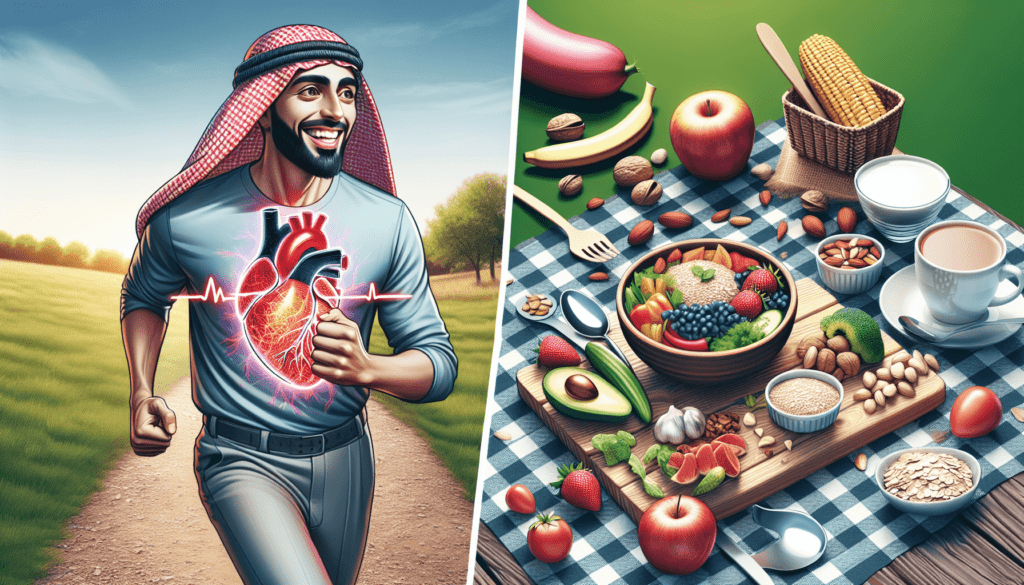
Are you looking for ways to improve your health and lower your cholesterol levels? Look no further! In this article, you will discover simple and natural methods to effectively reduce your cholesterol. By implementing these tips into your daily routine, you can take control of your health and experience the benefits of lower cholesterol levels. Say goodbye to high cholesterol and hello to a healthier you!
Dietary Changes
Making certain changes to your diet can have a significant impact on lowering your cholesterol levels naturally. One of the first steps you can take is to increase your intake of high-fiber foods. Fiber helps to reduce cholesterol absorption in the body, leading to lower levels of LDL cholesterol, often referred to as “bad” cholesterol. Adding more fruits, vegetables, whole grains, and legumes to your meals can easily boost your fiber intake.
In addition to fiber, incorporating heart-healthy fats into your diet is crucial. These fats, such as those found in avocados, nuts, and olive oil, can help increase your levels of HDL cholesterol, often referred to as “good” cholesterol. Including these fats in moderation can have a positive impact on your overall cholesterol profile.
While adding heart-healthy fats is important, it’s equally crucial to limit your intake of saturated and trans fats. These types of fats are associated with high levels of LDL cholesterol and can contribute to the accumulation of plaque in your arteries. To reduce your consumption of saturated fats, opt for lean meats and low-fat dairy products. When it comes to trans fats, avoid processed and fried foods.
Another dietary change you can make to lower your cholesterol levels naturally is to reduce your intake of dietary cholesterol. While dietary cholesterol doesn’t have as significant of an impact on blood cholesterol levels as saturated and trans fats, it’s still important to be mindful of your intake. Limit your consumption of high-cholesterol foods like red meat, organ meats, and high-fat dairy products.
Increasing your omega-3 fatty acids intake is another dietary change that can help lower cholesterol levels naturally. Omega-3s can be found in fatty fish like salmon and mackerel, as well as in walnuts and flaxseeds. These healthy fats have been shown to reduce inflammation and improve your cholesterol profile.
Lastly, consuming plant sterols can also aid in lowering your cholesterol levels. Plant sterols are compounds that can be found in small amounts in many fruits, vegetables, nuts, and seeds. These compounds have a similar chemical structure to cholesterol and can help block its absorption in the body. You can also find plant sterols in fortified foods and supplements.
Regular Exercise
Regular exercise is an essential component of any plan to lower your cholesterol levels naturally. Engaging in aerobic exercises such as walking, running, swimming, or cycling can help increase your levels of HDL cholesterol and improve your overall cardiovascular health. Aim for at least 150 minutes of moderate-intensity aerobic exercise or 75 minutes of vigorous-intensity aerobic exercise each week.
Incorporating strength training into your exercise routine is equally important. Strength training exercises like weightlifting can help build muscle mass, which in turn increases your metabolism and improves your body’s ability to burn calories. This can be beneficial for weight management and overall cholesterol control.
Maintaining regular physical activity is key to long-term success in lowering your cholesterol levels naturally. Even if you can’t fit in a full workout, finding ways to incorporate physical activity into your daily routine can make a difference. Take the stairs instead of the elevator, walk or bike to work if possible, and engage in activities you enjoy such as dancing or gardening. Every little bit of movement counts!
If you’re looking for an effective way to boost your fitness level and burn more calories, consider trying interval training. Interval training involves alternating between high-intensity exercise and brief recovery periods. This method has been shown to be more efficient in burning calories and improving cardiovascular fitness compared to steady-state exercises alone.

Lifestyle Modifications
In addition to dietary changes and regular exercise, making certain lifestyle modifications can significantly impact your cholesterol levels. One of the most important lifestyle changes you can make is maintaining a healthy weight. Excess weight, especially around the waist, can contribute to higher levels of LDL cholesterol and lower levels of HDL cholesterol. By adopting a balanced diet and engaging in regular physical activity, you can achieve and maintain a healthy weight.
Another crucial lifestyle modification is quitting smoking. Smoking not only damages your lungs but also has a negative impact on your cardiovascular health. The chemicals in cigarettes can lower your levels of HDL cholesterol and increase your levels of LDL cholesterol. It’s never too late to quit smoking, and there are various resources available to help you on your journey to becoming smoke-free.
Limiting your alcohol consumption is also important for managing your cholesterol levels naturally. While moderate alcohol consumption has been associated with some health benefits, excessive alcohol intake can lead to high blood pressure and increased levels of triglycerides, a type of fat in your blood. Stick to the recommended guidelines for alcohol consumption, which are up to one drink per day for women and up to two drinks per day for men.
Managing stress levels is another key lifestyle modification that can positively impact your cholesterol levels. Chronic stress may contribute to higher levels of LDL cholesterol and lower levels of HDL cholesterol. Finding effective ways to manage stress, such as through relaxation techniques, meditation, regular massages, or engaging in activities like yoga or tai chi, can help reduce your overall stress levels and improve your cardiovascular health.
Lastly, getting adequate sleep is an often overlooked but vital aspect of maintaining healthy cholesterol levels. Poor sleep or lack of sleep has been associated with higher levels of LDL cholesterol and lower levels of HDL cholesterol. Aim for seven to nine hours of quality sleep each night to ensure your body has enough time to rest and recover.
Herbal Remedies
In addition to lifestyle changes, there are several herbal remedies that have been found to help lower cholesterol levels naturally.
Garlic is a well-known herb that has been used for centuries for its medicinal properties. Studies have shown that garlic can help lower total cholesterol levels, as well as reduce LDL cholesterol levels. Adding fresh garlic to your meals or taking a garlic supplement can be beneficial for your cholesterol profile.
Artichoke leaf extract is another herbal remedy that has shown promise in lowering cholesterol levels. It works by inhibiting the production of cholesterol in the liver and increasing the breakdown of cholesterol. Artichoke leaf extract can be taken in supplement form.
Ginger, a common spice used in cooking and herbal medicine, has also been shown to have cholesterol-lowering effects. It can help reduce LDL cholesterol levels and improve overall cardiovascular health. Incorporating ginger into your diet or taking ginger supplements can be beneficial.
Flaxseed is a rich source of omega-3 fatty acids and fiber, both of which are beneficial for lowering cholesterol levels. Consuming ground flaxseed regularly has been shown to reduce total cholesterol and LDL cholesterol levels. You can add flaxseed to smoothies, yogurt, or baked goods, or take it in supplement form.
Green tea is known for its antioxidant properties and is a popular beverage worldwide. It has been shown to help lower LDL cholesterol levels and increase HDL cholesterol levels. Drinking green tea regularly can be a simple and enjoyable way to improve your cholesterol profile.

Nutritional Supplements
In addition to herbal remedies, certain nutritional supplements can help lower cholesterol levels naturally.
Soluble fiber supplements, such as psyllium husk, can be beneficial for reducing cholesterol levels. These supplements work by binding to cholesterol in the digestive tract, preventing its absorption into the bloodstream. Taking a soluble fiber supplement daily, along with a healthy diet, can have a positive impact on your cholesterol profile.
Fish oil supplements are a rich source of omega-3 fatty acids, which have been shown to lower triglyceride levels and improve overall cardiovascular health. Taking fish oil supplements can help increase your levels of HDL cholesterol and reduce inflammation in the body.
Plant sterol supplements, similar to those found naturally in certain foods, can help block the absorption of cholesterol in the body. Taking plant sterol supplements can lower LDL cholesterol levels and improve your cholesterol profile. These supplements are available in capsule or tablet form.
Niacin, also known as vitamin B3, is a supplement that can help raise HDL cholesterol levels and lower triglyceride levels. Niacin is available over-the-counter or as a prescription medication, and it’s important to consult with your healthcare provider before starting niacin supplementation.
Coenzyme Q10, or CoQ10, is a powerful antioxidant that can help lower LDL cholesterol levels and increase HDL cholesterol levels. CoQ10 can be taken in supplement form and has been found to have beneficial effects on cardiovascular health.
Red yeast rice is a traditional Chinese medicine that has been shown to lower total cholesterol and LDL cholesterol levels. It contains a compound called monacolin K, which has similar properties to statin medications. It’s important to note that red yeast rice should be taken under the guidance of a healthcare professional, as it can have interactions with other medications and may not be suitable for everyone.
Reduce Stress
Chronic stress can have a negative impact on your cholesterol levels and overall cardiovascular health. Fortunately, there are several effective ways to reduce stress in your daily life.
Practicing relaxation techniques such as deep breathing exercises or progressive muscle relaxation can help calm your mind and relax your body. These techniques can be easily incorporated into your daily routine and can be done anywhere, anytime.
Meditation is another powerful tool for reducing stress and improving your overall well-being. By setting aside a few minutes each day to quiet your mind and focus on your breath or a specific mantra, you can significantly reduce stress levels and promote a sense of calm.
Regular massages can also be beneficial for reducing stress and tension in your body. Massage therapy has been shown to lower cortisol levels, the hormone associated with stress, and promote relaxation. Treat yourself to a massage regularly to reap the stress-reducing benefits.
Engaging in activities such as yoga or tai chi can help reduce stress levels and improve your overall physical and mental well-being. These practices combine gentle movements with deep breathing and meditation, promoting relaxation and stress relief. Find a class or use online resources to start incorporating yoga or tai chi into your routine.
Quit Smoking
If you’re a smoker, quitting smoking is one of the most important steps you can take to improve your cholesterol levels and overall health. Smoking has numerous negative effects on your cardiovascular system, including raising LDL cholesterol levels and lowering HDL cholesterol levels.
Finding support is crucial when quitting smoking. Reach out to friends, family members, or support groups that can provide encouragement and accountability throughout your journey. Online resources and helplines are also available to provide guidance and support.
Setting a quit date can help you mentally prepare for quitting smoking. Choose a date that holds personal significance for you, such as a birthday or anniversary, and commit to making that day your smoke-free start.
If you’re struggling with nicotine withdrawal symptoms, consider using nicotine replacement therapy. Nicotine patches, gums, inhalers, or sprays can help ease cravings and reduce withdrawal symptoms as you quit smoking. Talk to your healthcare provider to determine the best nicotine replacement therapy option for you.
Avoiding triggers is essential when you’re trying to quit smoking. Identify situations, activities, or people that typically lead to cravings or a desire to smoke, and make a plan to avoid or cope with those triggers. It may involve finding new activities to replace smoking or seeking alternative coping mechanisms, such as deep breathing or chewing gum.
Maintain a Healthy Weight
Maintaining a healthy weight is crucial for overall health, including managing your cholesterol levels. Follow these tips to achieve and maintain a healthy weight:
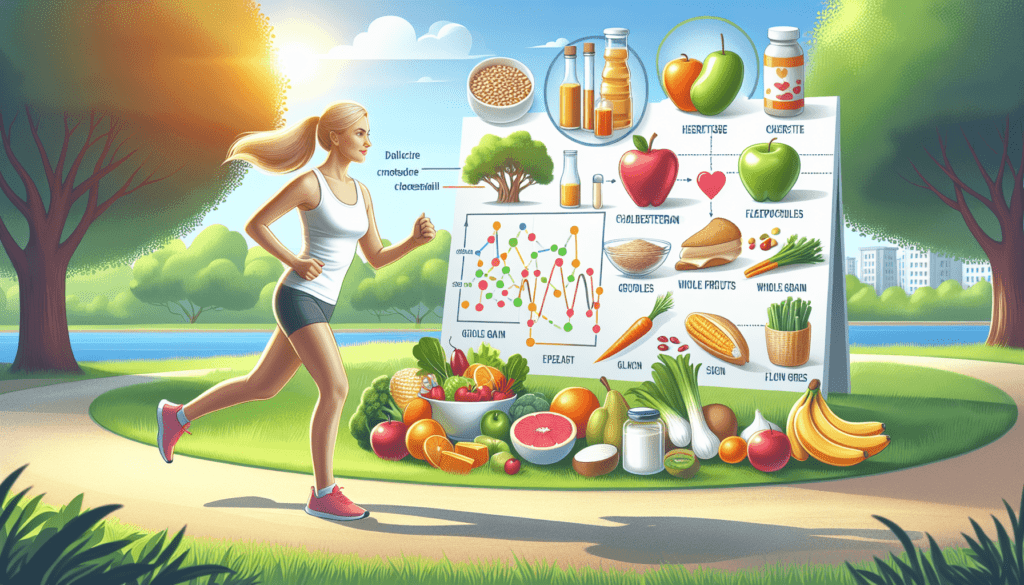
Follow a balanced diet that includes a variety of fruits, vegetables, whole grains, lean proteins, and healthy fats. Avoid or limit processed foods, sugary beverages, and excessive amounts of saturated and trans fats.
Control portion sizes by using smaller plates and bowls, and practice mindful eating. Listen to your body’s hunger and fullness cues, and avoid eating until you’re overly stuffed.
Engage in regular physical activity that includes a combination of aerobic exercises, strength training, and flexibility exercises. Aim for at least 150 minutes of moderate-intensity aerobic activity or 75 minutes of vigorous-intensity aerobic activity each week, along with strength training exercises targeting all major muscle groups at least twice a week.
Monitor your progress by keeping track of your food intake, physical activity, and weight. Use a food diary or a smartphone app to log your meals, and consider using a fitness tracker to monitor your activity levels. Regularly check your weight to ensure you’re on track with your goals.
Stay consistent with your healthy habits. Remember that maintaining a healthy weight is a lifelong commitment, and it’s important to make sustainable changes that you can incorporate into your daily life.
Limit Alcohol Consumption
While moderate alcohol consumption has been associated with some health benefits, excessive alcohol intake can have negative effects on your cholesterol levels and overall health. Follow these guidelines to limit your alcohol consumption:
Know the recommendations for alcohol consumption. The Centers for Disease Control and Prevention (CDC) defines moderate drinking as up to one drink per day for women and up to two drinks per day for men. Keep these guidelines in mind as you make decisions about consuming alcohol.
Drink in moderation and avoid excessive alcohol consumption. Pace yourself when drinking and avoid binge drinking, which is defined as consuming four or more drinks within two hours for women, or five or more drinks within two hours for men.
Opt for lower-alcohol beverages, such as light beers or wines, or choose non-alcoholic alternatives. Be mindful of the size of the pours when consuming mixed drinks, as many cocktails can contain multiple servings of alcohol.
Avoid binge drinking, as it can have serious consequences for your health. Excessive alcohol consumption can lead to high blood pressure, liver damage, and increased levels of triglycerides, a type of fat in your blood.
Consider Medications
In some cases, lifestyle modifications may not be enough to effectively lower your cholesterol levels naturally. In those instances, your healthcare provider may recommend medication options to help manage your cholesterol levels. Here are some common cholesterol-lowering medications:
Statins are a class of medications that work by reducing the production of cholesterol in the liver. They are highly effective in lowering LDL cholesterol levels and reducing the risk of cardiovascular events. Statins are usually prescribed for individuals with high cholesterol levels or those at high risk of heart disease.
Bile acid binding resins work by binding to bile acids in the intestines, preventing their reabsorption and increasing their excretion. This leads to a decrease in cholesterol levels in the blood. Bile acid binding resins are typically prescribed as an adjunct therapy to statins or in individuals who can’t tolerate statins due to side effects.
Cholesterol absorption inhibitors, such as ezetimibe, work by blocking the absorption of cholesterol from food in the small intestine. These medications can be used alone or in combination with other cholesterol-lowering medications.
PCSK9 inhibitors are a newer class of medications that work by blocking the action of PCSK9, a protein that reduces the liver’s ability to remove LDL cholesterol from the bloodstream. These medications are usually prescribed for individuals with very high cholesterol levels or those who can’t tolerate statins.
Fibrates are medications that primarily work by reducing triglyceride levels and increasing HDL cholesterol levels. They can also have a modest effect on lowering LDL cholesterol levels. Fibrates are often prescribed for individuals with high triglyceride levels or a specific type of cholesterol abnormality.
Niacin, in higher doses than those available over-the-counter, can help increase HDL cholesterol levels and lower triglyceride levels. However, niacin should only be used under the guidance of a healthcare provider due to potential side effects.
It’s important to consult with your healthcare provider to determine the most appropriate medication option for you based on your individual cholesterol levels, medical history, and overall health.
Lowering your cholesterol levels naturally is a multifaceted approach that requires a combination of dietary changes, regular exercise, lifestyle modifications, and occasionally, the addition of herbal remedies or nutritional supplements. By implementing these strategies and working closely with your healthcare provider, you can effectively manage your cholesterol levels and promote better cardiovascular health. Remember, it’s never too early or too late to start taking care of your heart!