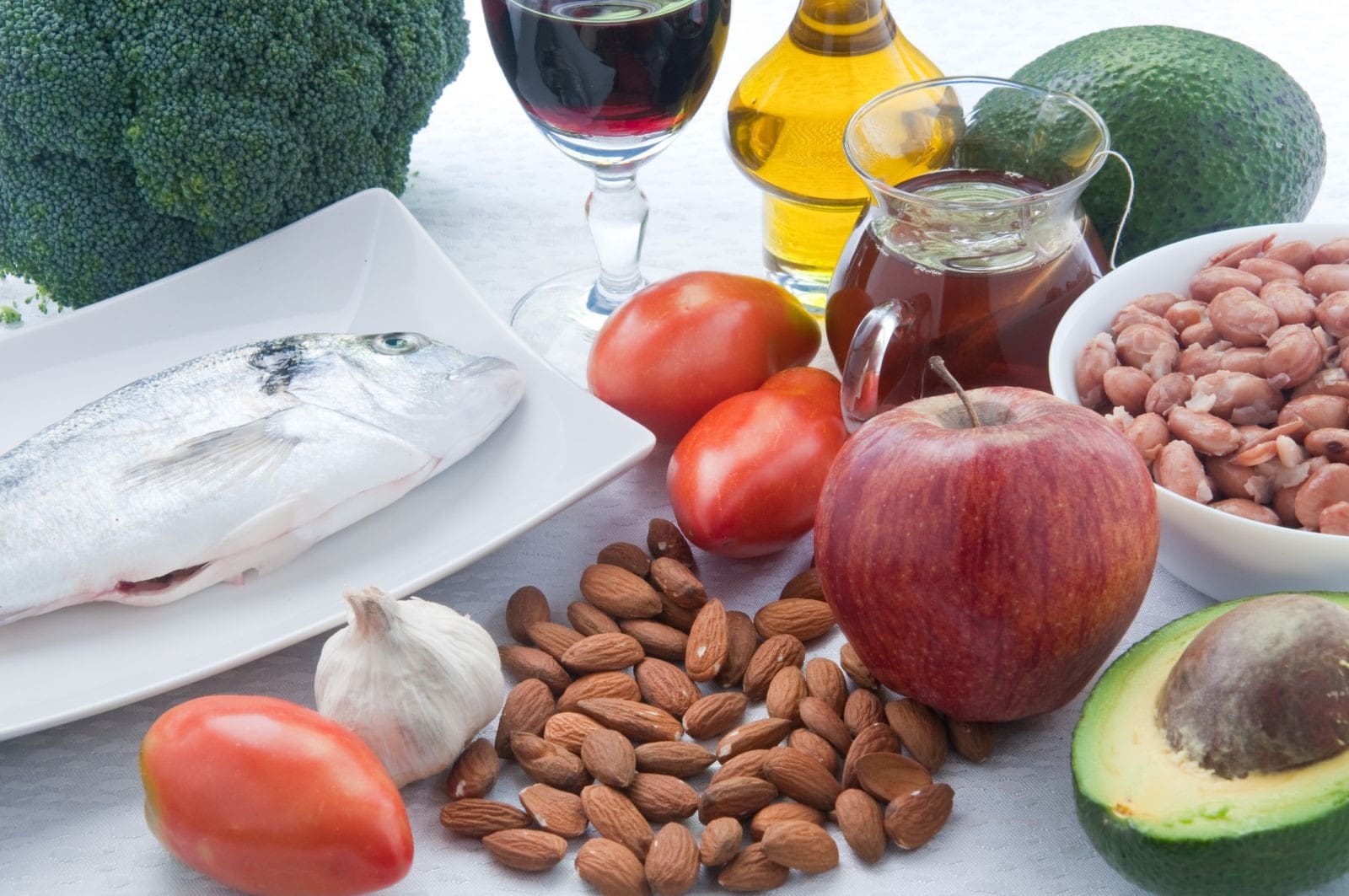
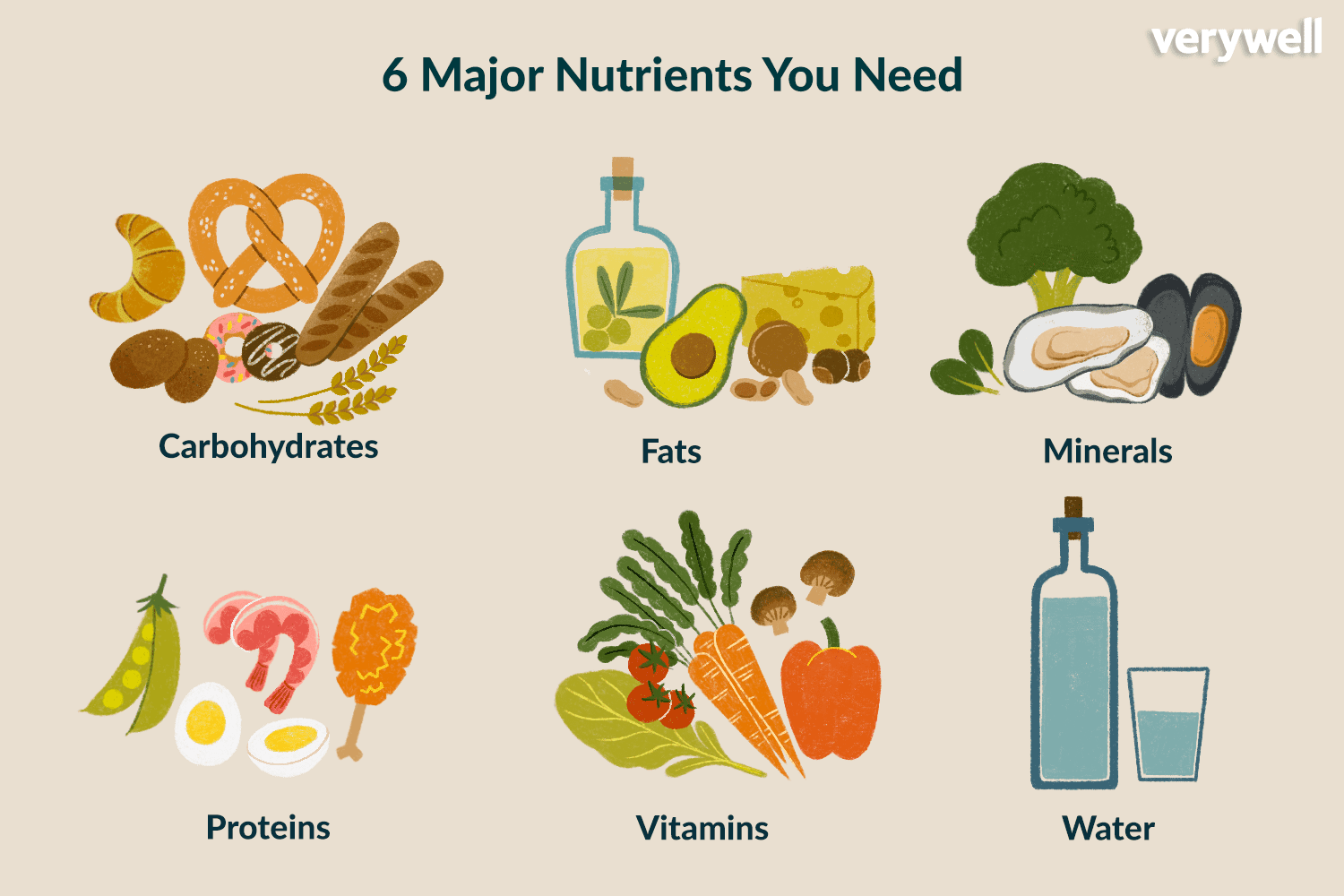
Welcome to the ultimate guide on managing cholesterol through proper nutrition! In this article, you will discover the top 10 essential nutrients that can help lower your cholesterol levels and promote heart health. From fiber-rich foods to omega-3 fatty acids, incorporating these nutrients into your diet can make a significant difference in your overall well-being. Stay tuned to learn more about how you can take control of your cholesterol levels with the power of nutrition. Have you ever wondered about how you can manage your cholesterol levels naturally? In this article, we will discuss 10 essential nutrients that can help you in managing your cholesterol levels effectively. Let’s dive in and explore the world of nutrition and its impact on cholesterol!
Understanding Cholesterol
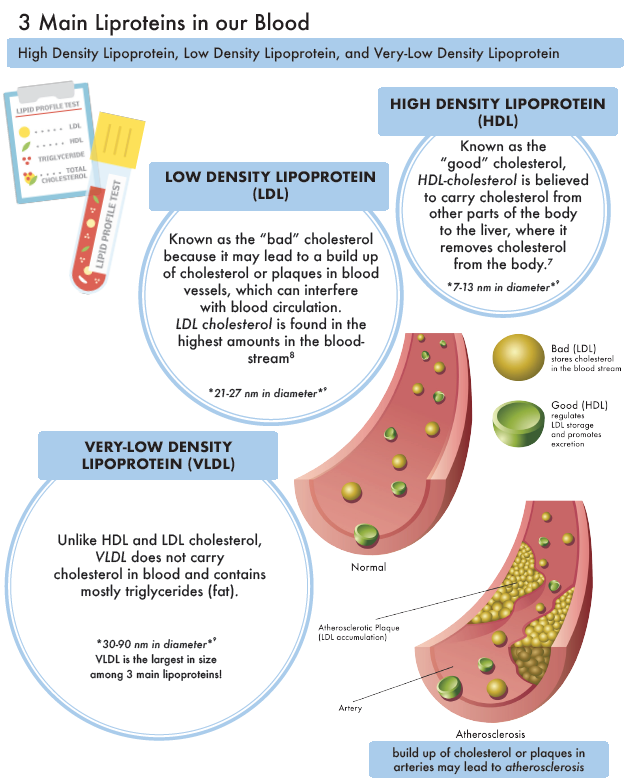
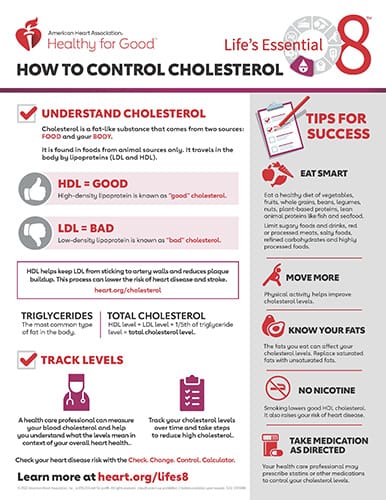
Cholesterol is a waxy substance found in your blood. While it is essential for building healthy cells, having high levels of cholesterol can increase your risk of heart disease.
Good and Bad Cholesterol
There are two types of cholesterol: LDL (low-density lipoprotein) and HDL (high-density lipoprotein). LDL cholesterol is often referred to as “bad” cholesterol because it can build up in the walls of your arteries, leading to heart disease. On the other hand, HDL cholesterol is known as “good” cholesterol because it helps remove LDL cholesterol from the arteries.
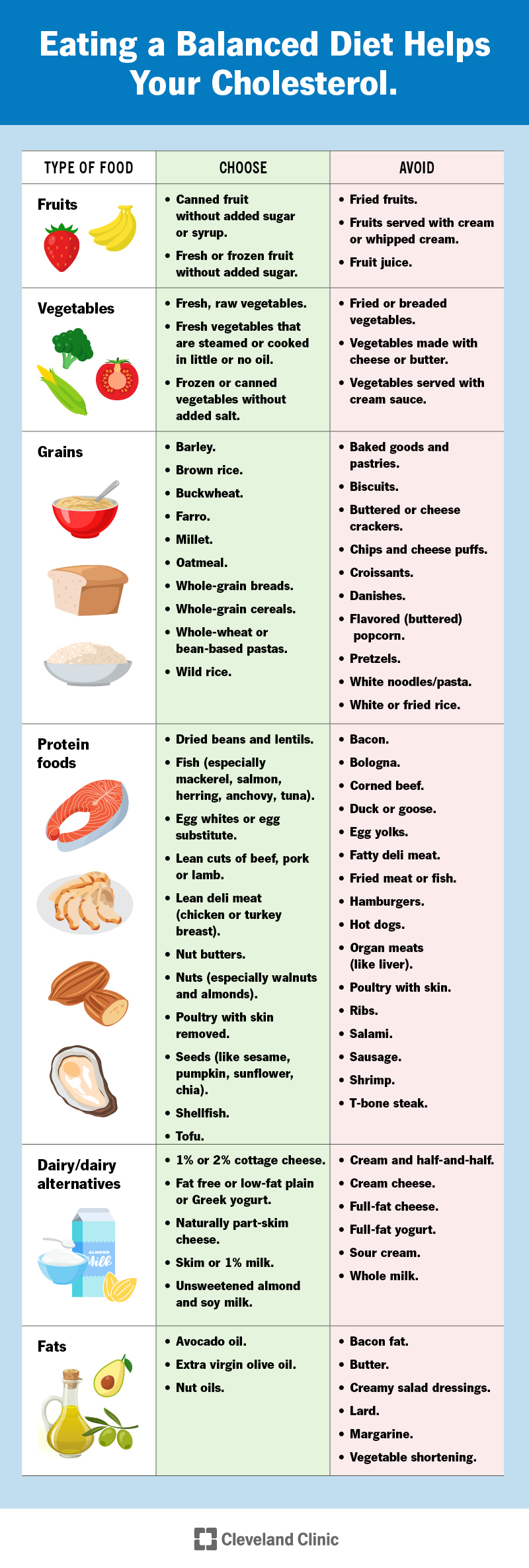
10 Essential Nutrients for Managing Cholesterol
Let’s explore the 10 essential nutrients that can help you manage your cholesterol levels effectively.
1. Fiber
Fiber is a crucial nutrient that can help lower LDL cholesterol levels. Soluble fiber, in particular, can bind to cholesterol particles in the digestive system, preventing them from being absorbed. Foods rich in fiber include fruits, vegetables, whole grains, and legumes.
2. Omega-3 Fatty Acids
Omega-3 fatty acids are known for their heart-healthy benefits, including lowering triglycerides and reducing inflammation. Foods rich in omega-3 fatty acids include fatty fish like salmon, mackerel, and sardines, as well as walnuts and chia seeds.
3. Plant Sterols and Stanols
Plant sterols and stanols are plant compounds that have been shown to help lower LDL cholesterol levels. They work by blocking the absorption of cholesterol in the intestines. Foods fortified with plant sterols and stanols include margarine, orange juice, and yogurt.
4. Niacin
Niacin, also known as vitamin B3, can help raise HDL cholesterol levels while lowering LDL cholesterol and triglycerides. You can get niacin from foods like poultry, fish, peanuts, and whole grains, or through supplements under the guidance of a healthcare provider.
5. Garlic
Garlic is not just a flavorful addition to your meals; it also has cholesterol-lowering properties. Studies have shown that garlic can help lower LDL cholesterol levels and reduce blood pressure. You can add garlic to your dishes or take garlic supplements for its health benefits.
6. Coenzyme Q10 (CoQ10)
Coenzyme Q10 is a compound that plays a crucial role in producing energy in your cells. It also has antioxidant properties that can help protect your arteries from damage. Foods rich in CoQ10 include organ meats, fatty fish, and whole grains, or you can take CoQ10 supplements.
7. Green Tea
Green tea is rich in antioxidants called catechins that can help lower LDL cholesterol levels and improve heart health. Drinking green tea regularly can also help reduce inflammation and improve blood vessel function.
8. Berberine
Berberine is a compound found in plants like goldenseal and barberry that has been shown to help lower LDL cholesterol levels. Berberine works by blocking an enzyme that helps produce cholesterol in your liver. You can take berberine supplements for its cholesterol-lowering benefits.
9. Vitamin D
Vitamin D is essential for bone health, but it can also have a positive impact on your cholesterol levels. Studies have shown that vitamin D can help lower LDL cholesterol levels and reduce inflammation in the body. You can get vitamin D from sunlight, fortified foods, or supplements.
10. Magnesium
Magnesium is a mineral that plays a crucial role in various bodily functions, including heart health. Magnesium can help lower blood pressure and improve cholesterol levels by reducing LDL cholesterol and triglycerides. Foods rich in magnesium include nuts, seeds, leafy green vegetables, and whole grains.
Incorporating Essential Nutrients Into Your Diet
Now that you know about the 10 essential nutrients for managing cholesterol, it’s time to incorporate them into your diet. Here are some practical tips for adding these nutrients to your meals:
- Fiber: Start your day with a bowl of oatmeal topped with fruits like berries and bananas for a fiber-rich breakfast.
- Omega-3 Fatty Acids: Include fatty fish like salmon or tuna in your meals at least twice a week.
- Plant Sterols and Stanols: Look for products fortified with plant sterols and stanols, such as margarine or yogurt, to add to your daily routine.
- Niacin: Incorporate niacin-rich foods like chicken, turkey, and peanuts into your meals.
- Garlic: Add fresh garlic to your cooking or take garlic supplements to enjoy its cholesterol-lowering benefits.
- Coenzyme Q10: Include foods rich in CoQ10 like beef, pork, or fatty fish in your diet, or take CoQ10 supplements.
- Green Tea: Drink a cup of green tea daily to benefit from its antioxidant properties.
- Berberine: Consider adding berberine supplements to your diet under the guidance of a healthcare provider.
- Vitamin D: Get regular sunlight exposure, consume fortified foods, or take vitamin D supplements to meet your daily needs.
- Magnesium: Snack on nuts or seeds, add leafy greens to your salads, or incorporate whole grains into your meals to boost your magnesium intake.
By incorporating these essential nutrients into your daily diet, you can effectively manage your cholesterol levels and improve your heart health. Remember to consult with a healthcare provider or a registered dietitian before making any significant changes to your diet or taking supplements.
Final Thoughts
Managing your cholesterol levels naturally requires a holistic approach that includes a balanced diet, regular exercise, and stress management. By incorporating these 10 essential nutrients into your diet and lifestyle, you can take proactive steps towards maintaining healthy cholesterol levels and reducing your risk of heart disease. Take charge of your health today by making small but impactful changes to your daily routine. Your heart will thank you for it!
Remember, it’s never too late to start taking care of your health. Your heart health matters, and by making informed choices and prioritizing your well-being, you can live a long and healthy life. Stay proactive, stay informed, and stay healthy. Here’s to a healthier you!