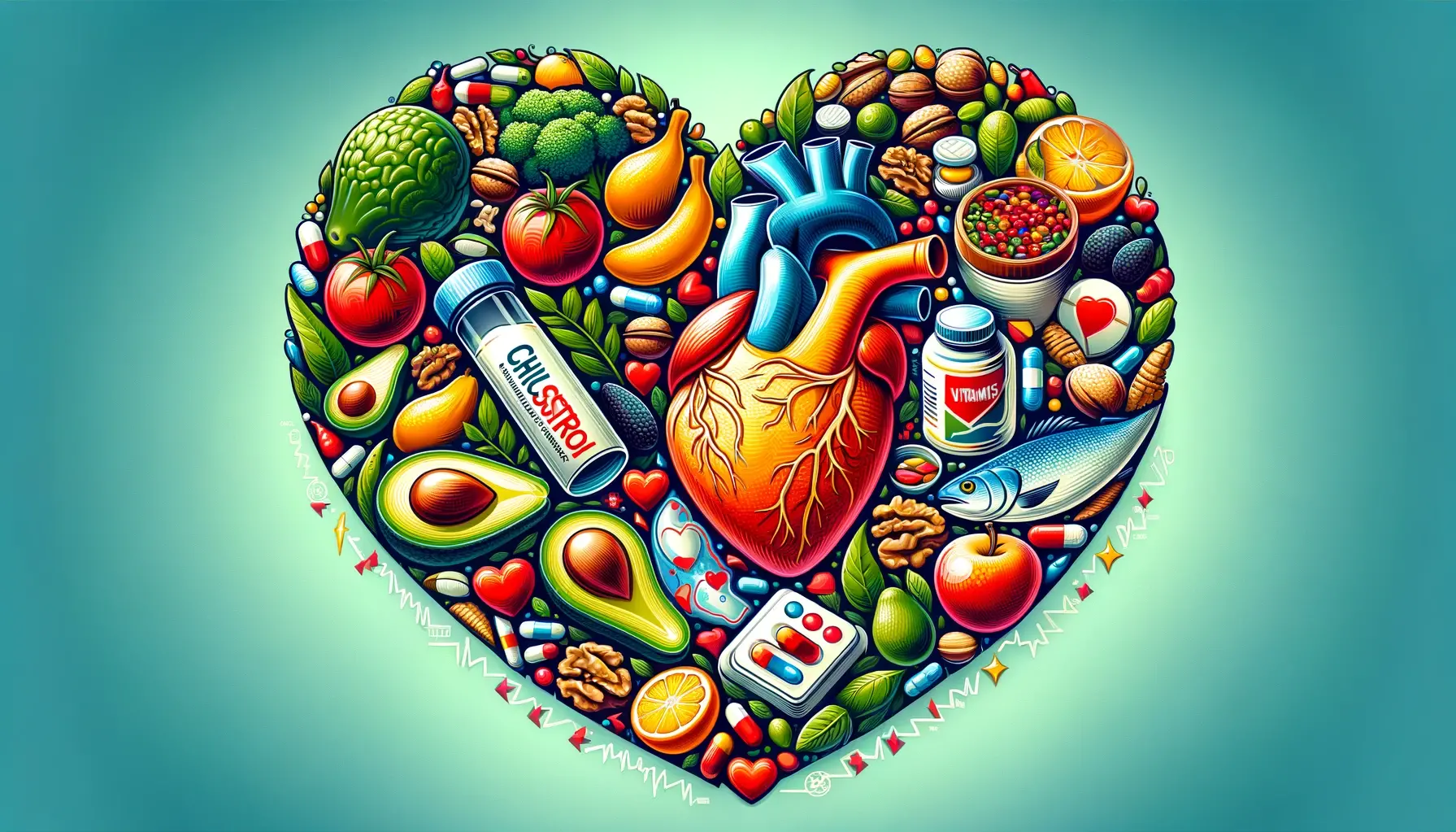

Welcome! In this article, you will discover the top foods to incorporate into your diet for lowering cholesterol levels. By making some simple dietary changes, you can improve your heart health and overall well-being. From fruits and vegetables to whole grains and nuts, there are plenty of delicious options that can help you achieve a healthier cholesterol profile. So, let’s dive in and learn about the power of food in managing cholesterol levels!
Are you Looking to Lower Your Cholesterol Levels?
If you’re concerned about your cholesterol levels, choosing the right foods to eat can make a big difference. A healthy diet is one of the most important factors in managing cholesterol, along with regular exercise and avoiding smoking. In this article, we will cover the top foods you should consider adding to your diet to help lower your cholesterol levels.

Understanding Cholesterol
Before we dive into the best foods to eat for lowering cholesterol, let’s first understand what cholesterol is and why it matters. Cholesterol is a waxy, fat-like substance found in all cells of the body. It is essential for the production of hormones, vitamin D, and digestive fluids. However, having high levels of cholesterol in the blood can increase your risk of heart disease and stroke.

Types of Cholesterol
There are two main types of cholesterol: LDL (low-density lipoprotein) and HDL (high-density lipoprotein). LDL cholesterol is known as “bad” cholesterol because it can build up on the walls of arteries, leading to atherosclerosis. HDL cholesterol is known as “good” cholesterol because it helps remove LDL cholesterol from the arteries.

Top Foods to Eat for Lowering Cholesterol
Now that we have a better understanding of cholesterol, let’s explore the top foods you should incorporate into your diet to help lower your cholesterol levels.
1. Oats
Oats are a great source of soluble fiber, which can help reduce LDL cholesterol levels. Eating a bowl of oatmeal for breakfast is an easy way to add oats to your diet. You can also use oats in baking recipes, smoothies, or homemade granola bars.
2. Nuts
Nuts are high in monounsaturated fats, which can help lower LDL cholesterol levels when eaten in moderation. Almonds, walnuts, and pistachios are excellent choices. You can snack on a handful of nuts, sprinkle them on salads, or add them to your morning yogurt or oatmeal.
3. Fatty Fish
Fatty fish like salmon, mackerel, and sardines are rich in omega-3 fatty acids, which have been shown to lower LDL cholesterol levels and increase HDL cholesterol levels. Aim to eat fatty fish at least twice a week to reap the benefits.
4. Avocados
Avocados are a great source of monounsaturated fats, which can help lower LDL cholesterol levels and increase HDL cholesterol levels. They are also rich in fiber, antioxidants, and potassium. Add avocado slices to your salads, sandwiches, or smoothies for a heart-healthy boost.
5. Olive Oil
Olive oil is another source of monounsaturated fats that can help improve your cholesterol profile. Use olive oil for cooking, salad dressings, or drizzling over roasted vegetables. Just remember to use it in moderation, as it is calorie-dense.
6. Beans and Legumes
Beans and legumes are high in soluble fiber, which can help lower LDL cholesterol levels. They are also a good source of plant-based protein, making them a great substitute for meat. Add beans to soups, salads, chili, or homemade veggie burgers.
7. Whole Grains
Whole grains like brown rice, quinoa, and whole wheat pasta are rich in fiber, vitamins, and minerals. They can help lower LDL cholesterol levels and reduce your risk of heart disease. Swap refined grains for whole grains in your meals to reap the benefits.
8. Fruits and Vegetables
Fruits and vegetables are naturally low in saturated fat and high in fiber, vitamins, and antioxidants. They can help lower LDL cholesterol levels and reduce inflammation in the body. Aim to fill half your plate with fruits and vegetables at every meal for a healthy dose of nutrients.
Tips for Lowering Cholesterol Through Diet
In addition to incorporating the top foods mentioned above into your diet, here are some additional tips for lowering cholesterol through diet:
Limit Saturated and Trans Fat
Saturated fats and trans fats can raise LDL cholesterol levels. Limit your intake of red meat, full-fat dairy products, fried foods, and processed snacks. Choose lean proteins, low-fat dairy products, and healthier cooking oils like olive oil or avocado oil.
Choose Lean Proteins
Opt for lean proteins like poultry, fish, tofu, beans, and lentils instead of fatty cuts of meat. Limit your intake of processed meats like bacon, sausage, and deli meats, which are high in saturated fat and sodium.
Watch Your Portions
Even healthy foods can contribute to high cholesterol levels if eaten in excess. Pay attention to portion sizes and practice mindful eating. Use smaller plates, chew slowly, and savor your meals to prevent overeating.
Stay Hydrated
Drinking plenty of water throughout the day can help flush out toxins and excess cholesterol from the body. Aim to drink at least eight glasses of water daily, and limit your intake of sugary beverages and alcohol.
Be Mindful of Added Sugars
Consuming too much added sugar can lead to weight gain, inflammation, and high cholesterol levels. Limit your intake of sugary drinks, desserts, and processed foods. Instead, satisfy your sweet tooth with naturally sweet foods like fruits.

Conclusion
Lowering your cholesterol levels through diet is a simple yet effective way to improve your heart health and reduce your risk of cardiovascular disease. By incorporating the top foods mentioned in this article and following the tips provided, you can take control of your cholesterol levels and live a healthier, happier life. Remember to consult with a healthcare provider or registered dietitian before making any significant changes to your diet, especially if you have existing health conditions or are taking medications.