
What Are The Top Ways To Incorporate Cholesterol-lowering Foods And Vitamins Into A Healthy Diet?
Understanding Cholesterol
Before diving into the top ways to incorporate cholesterol-lowering foods and vitamins into your diet, it’s important to understand what cholesterol is. Cholesterol is a waxy, fat-like substance that is found in every cell of your body and is crucial for the production of hormones, vitamin D, and bile acids that help you digest fat. However, too much cholesterol in your blood can increase your risk of heart disease and stroke.
The Difference Between “Bad” and “Good” Cholesterol
Cholesterol is carried through your blood attached to proteins known as lipoproteins. There are two main types of lipoproteins: low-density lipoprotein (LDL) and high-density lipoprotein (HDL). LDL cholesterol is known as “bad” cholesterol because it can build up on the walls of your arteries, increasing your risk of heart disease. HDL cholesterol, on the other hand, is known as “good” cholesterol because it helps remove LDL cholesterol from the arteries.
Top Cholesterol-lowering Foods
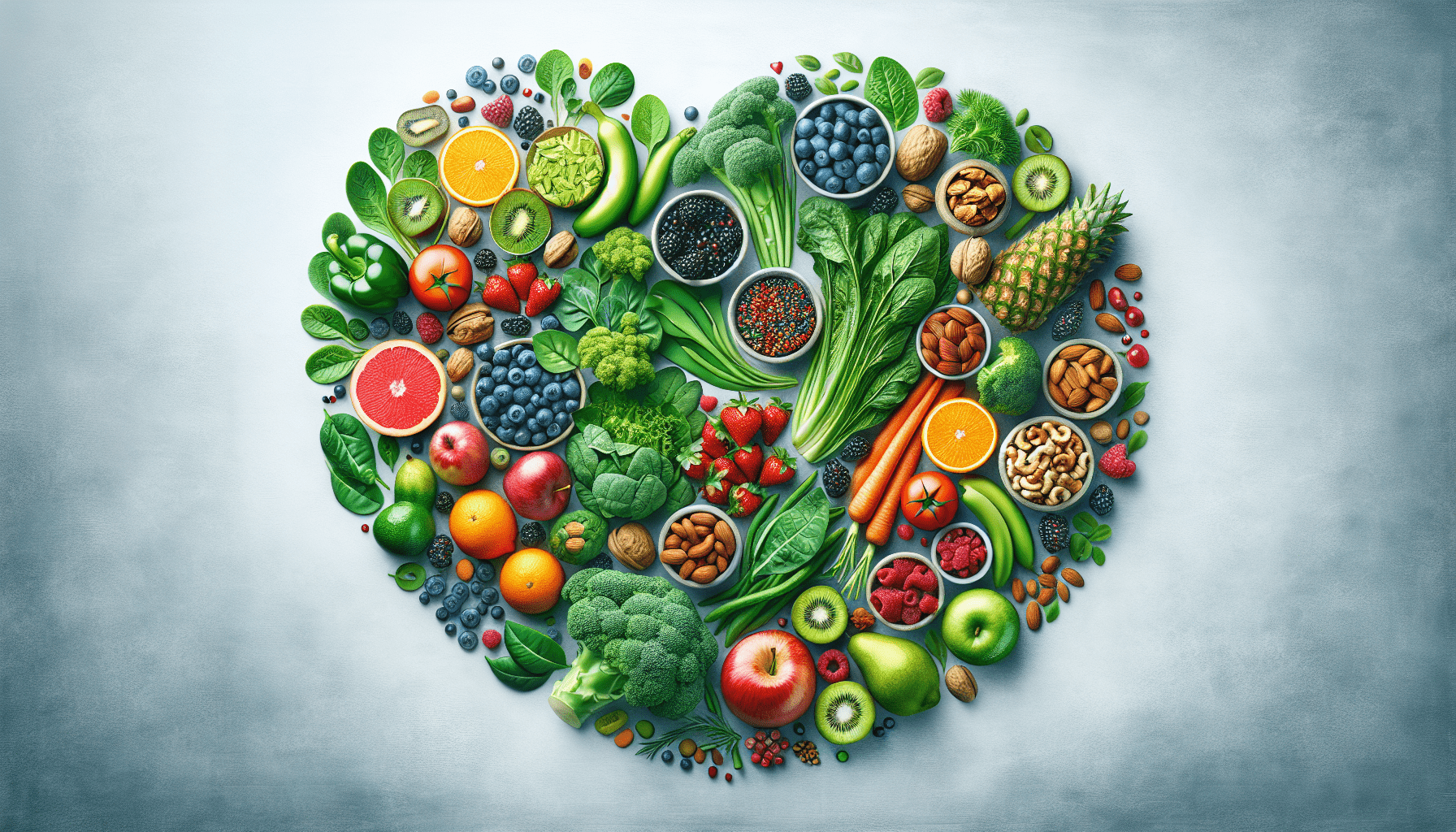
Incorporating cholesterol-lowering foods into your diet is a great way to help reduce your LDL cholesterol levels and improve your overall heart health. Here are some of the top foods to include in your diet:
| Food | Cholesterol-lowering Benefits |
|---|---|
| Oats | Rich in soluble fiber, which can help lower LDL cholesterol levels |
| Fatty fish | Contains omega-3 fatty acids that can reduce inflammation and decrease triglycerides |
| Nuts | Packed with heart-healthy fats, fiber, and antioxidants |
| Fruits and vegetables | High in fiber, vitamins, and minerals that support heart health |
| Legumes | Excellent source of plant-based protein and fiber |
| Avocados | Rich in monounsaturated fats that can help lower LDL cholesterol |
Including these foods in your diet can help lower your LDL cholesterol and improve your heart health.
Essential Vitamins for Lower Cholesterol
In addition to incorporating cholesterol-lowering foods into your diet, certain vitamins can also play a role in improving your cholesterol levels. Here are some essential vitamins that can help lower cholesterol:

Vitamin C
Vitamin C is a powerful antioxidant that can help prevent the oxidation of LDL cholesterol, which is a crucial step in the formation of plaque in your arteries. Including foods rich in vitamin C such as citrus fruits, strawberries, kiwi, and bell peppers can help lower your LDL cholesterol levels.
Vitamin E
Vitamin E is another antioxidant that can help prevent the oxidation of LDL cholesterol. Nuts, seeds, and vegetable oils are great sources of vitamin E that you can incorporate into your diet to help improve your cholesterol levels.
Vitamin D
Vitamin D plays a crucial role in calcium absorption and bone health, but it may also have benefits for your heart health. Some studies have shown that low levels of vitamin D may be associated with higher cholesterol levels. Include foods rich in vitamin D such as fatty fish, egg yolks, and fortified foods to ensure you’re getting an adequate intake of this essential vitamin.
Vitamin B Complex
The B vitamins, including B6, B12, and folate, are important for maintaining healthy cholesterol levels. B vitamins help convert homocysteine into methionine, which is then used to make proteins and other important compounds in your body. Foods like whole grains, leafy greens, and lean meats are good sources of B vitamins that can help support your heart health.
Incorporating Cholesterol-lowering Foods and Vitamins Into Your Diet
Now that you have a better understanding of cholesterol-lowering foods and essential vitamins, here are some practical ways to incorporate them into your daily diet:
-
Start your day with a bowl of oatmeal topped with fresh fruits and nuts to kickstart your morning with a fiber and antioxidant-rich breakfast.
-
Include at least two servings of fatty fish like salmon, mackerel, or sardines in your weekly meal plan to increase your intake of omega-3 fatty acids.
-
Snack on a handful of nuts or seeds in between meals for a heart-healthy boost of fats, fiber, and antioxidants.
-
Add a variety of colorful fruits and vegetables to your meals to increase your intake of vitamins, minerals, and fiber that support heart health.
-
Incorporate legumes like beans, lentils, and chickpeas into soups, salads, and stews to boost your plant-based protein and fiber intake.
-
Use avocado as a spread on toast, a topping for salads, or a creamy addition to smoothies to increase your monounsaturated fat intake.
-
Include vitamin C-rich foods like oranges, strawberries, and bell peppers in your snacks and meals throughout the day to benefit from their cholesterol-lowering properties.
-
Roast nuts and seeds with a drizzle of olive oil for a crunchy and heart-healthy snack that contributes to your vitamin E intake.
-
Cook meals with fatty fish like tuna or trout and serve them with sides of leafy greens and whole grains for a well-rounded dinner that supports your heart health.
-
Have a serving of fortified foods like fortified milk, cereal, or orange juice to ensure you’re getting enough vitamin D in your diet.
By incorporating cholesterol-lowering foods and essential vitamins into your diet in a variety of delicious and healthy ways, you can take steps towards improving your cholesterol levels and overall heart health. Remember to consult with your healthcare provider or a dietitian before making significant changes to your diet, especially if you have existing health conditions or concerns about your cholesterol levels.
Conclusion
Incorporating cholesterol-lowering foods and vitamins into a healthy diet doesn’t have to be complicated or restrictive. By including a variety of foods rich in soluble fiber, heart-healthy fats, antioxidants, and essential vitamins, you can take proactive steps towards reducing your LDL cholesterol levels and improving your overall heart health. Remember that small changes can add up to big results over time, so start with a few simple swaps or additions to your meals and snacks to support your heart health in the long run. Your heart will thank you for making these healthy choices!