
What Are The Top Ways To Incorporate Cholesterol-lowering Foods And Vitamins Into A Healthy Diet?

Understanding Cholesterol and Its Impact on Health
Cholesterol is a waxy, fat-like substance that is found in your body and the foods you eat. While your body needs some cholesterol to function properly, high levels of cholesterol can increase your risk of heart disease and stroke. Incorporating cholesterol-lowering foods and vitamins into your diet can help maintain healthy cholesterol levels.
The Difference Between HDL and LDL Cholesterol
High-Density Lipoprotein (HDL) cholesterol is known as “good” cholesterol because it helps remove LDL cholesterol from the arteries. Low-Density Lipoprotein (LDL) cholesterol is known as “bad” cholesterol because it can build up in the arteries, leading to blockages and heart disease.
Cholesterol-lowering Foods to Include in Your Diet
Eating a diet rich in cholesterol-lowering foods can help lower LDL cholesterol and improve your overall heart health. Here are some top foods to incorporate into your meals:
Oats and Whole Grains
Whole grains like oats, barley, and brown rice are high in soluble fiber, which can help lower LDL cholesterol levels. Start your day with a bowl of oatmeal or switch to whole grain bread and pasta for a heart-healthy boost.
Fruits and Vegetables
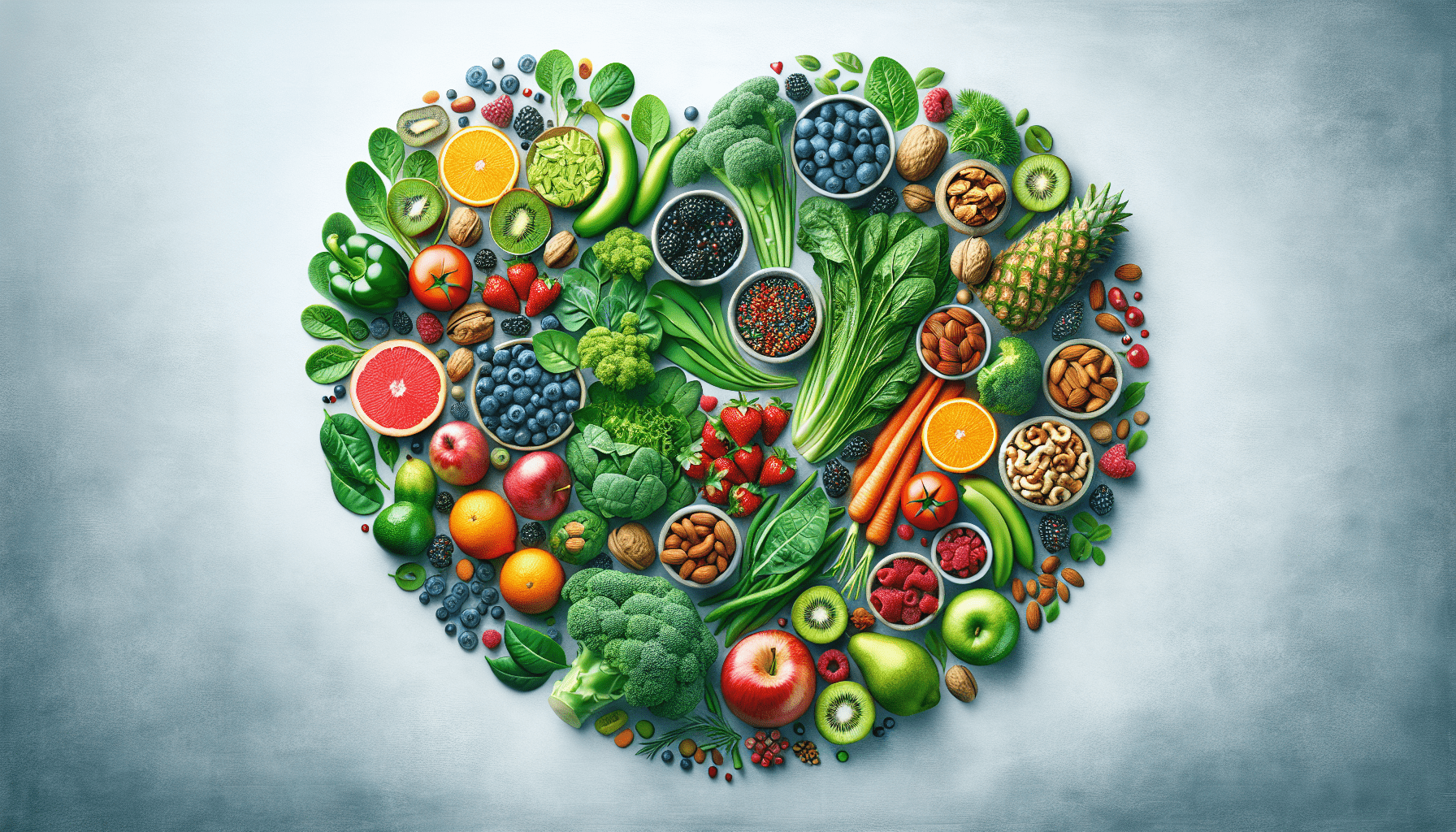
Colorful fruits and vegetables are packed with antioxidants, vitamins, and minerals that support heart health. Berries, citrus fruits, leafy greens, and cruciferous vegetables like broccoli are excellent choices for lowering cholesterol.
Nuts and Seeds
Almonds, walnuts, flaxseeds, and chia seeds are rich in monounsaturated fats, fiber, and omega-3 fatty acids, which can help lower LDL cholesterol. Snack on a handful of nuts or sprinkle seeds on salads and yogurt for added benefit.
Essential Vitamins for Lowering Cholesterol
In addition to incorporating cholesterol-lowering foods into your diet, certain vitamins can further support heart health and help manage cholesterol levels. Here are some essential vitamins to include:
Vitamin C
Vitamin C is a powerful antioxidant that can help reduce inflammation and improve heart health. Citrus fruits, strawberries, bell peppers, and kiwi are excellent sources of vitamin C that you can include in your diet.
Vitamin E
Vitamin E is another potent antioxidant that can prevent LDL cholesterol from oxidizing and causing damage to your arteries. Include foods like almonds, sunflower seeds, spinach, and avocado in your meals for a vitamin E boost.
Vitamin B3 (Niacin)
Vitamin B3, also known as niacin, can help lower LDL cholesterol and increase HDL cholesterol levels. Fish like salmon and tuna, nuts, seeds, and whole grains are good sources of niacin that you can add to your diet.

Smart Strategies for Incorporating Cholesterol-lowering Foods and Vitamins
Achieving a balanced and heart-healthy diet involves more than just choosing the right foods. Here are some smart strategies to help you incorporate cholesterol-lowering foods and vitamins into your meals:
Meal Planning and Preparation
Take the time to plan your meals ahead of time and prepare healthy dishes that include a variety of cholesterol-lowering foods and vitamins. This can help you stay on track and make healthier choices throughout the week.
Food Swaps and Substitutions
Replace unhealthy fats like butter and margarine with heart-healthy options like olive oil or avocado. Swap out red meat for lean protein sources like chicken, turkey, and fish to reduce saturated fat intake.
Portion Control and Moderation
While incorporating cholesterol-lowering foods and vitamins is important, portion control and moderation are key to maintaining a healthy diet. Be mindful of serving sizes and avoid overeating, even if the food is nutritious.

Additional Tips for Heart-healthy Eating
In addition to incorporating cholesterol-lowering foods and vitamins into your diet, there are other factors to consider for heart-healthy eating. Here are some additional tips to keep in mind:
Stay Hydrated
Drinking an adequate amount of water each day can help maintain healthy cholesterol levels and support overall heart health. Aim to drink at least eight glasses of water daily to stay hydrated.
Limit Processed Foods
Processed foods like sugary snacks, fast food, and packaged meals are often high in unhealthy fats, sodium, and additives that can negatively impact your cholesterol levels. Opt for whole, natural foods whenever possible.
Regular Exercise
Incorporating regular physical activity into your routine can help improve heart health, manage cholesterol levels, and reduce your risk of heart disease. Aim for at least 150 minutes of moderate exercise each week.
Stress Management
Chronic stress can increase cholesterol levels and contribute to heart disease. Practice stress-reducing activities like yoga, meditation, deep breathing exercises, and spending time in nature to promote relaxation and overall well-being.

Putting It All Together
Incorporating cholesterol-lowering foods and vitamins into a healthy diet is essential for maintaining optimal heart health and reducing your risk of cardiovascular disease. By understanding the impact of cholesterol on your health, choosing the right foods, including essential vitamins, and following smart strategies for meal planning and preparation, you can create a balanced and heart-healthy eating plan that works for you.
Remember to consult with a healthcare provider or a registered dietitian before making significant changes to your diet, especially if you have existing health conditions or are taking medications that may interact with certain foods or vitamins. By taking proactive steps to improve your diet and lifestyle, you can support your heart health and enjoy the benefits of a well-rounded and nutritious eating plan.