Maintaining healthy cholesterol levels and preventing Vitamin E deficiency are crucial for overall well-being. In this article, we will explore the best foods that can help you achieve these goals. By incorporating these nutrient-rich options into your diet, you can take proactive steps towards a healthier lifestyle. Discover the delicious and nutritious choices that not only taste great but also provide essential benefits for your body. Let’s dive into the world of nourishing foods that promote healthy cholesterol levels and prevent the risk of Vitamin E deficiency.
Foods for Lowering Cholesterol
Oats and Barley
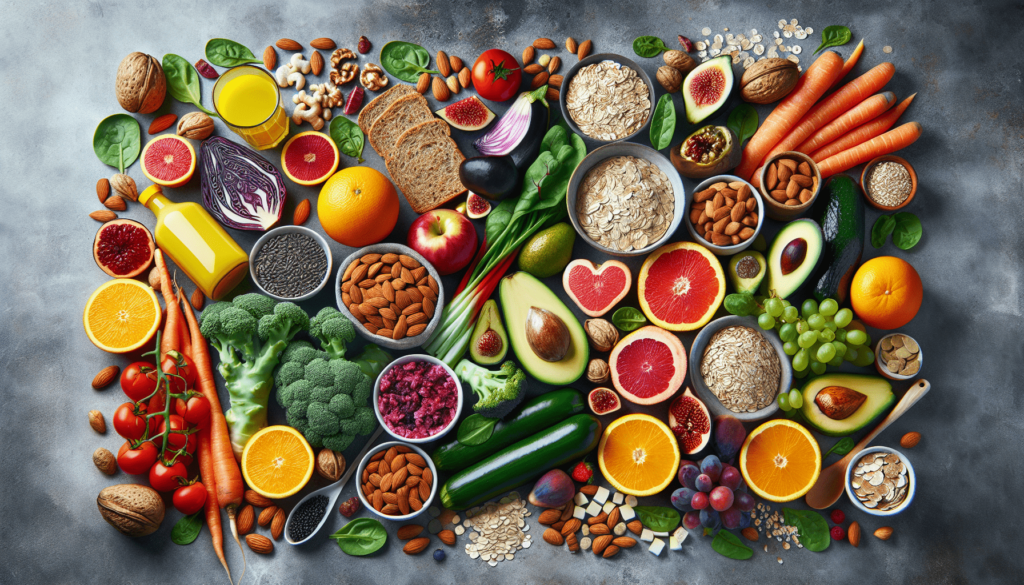
Oats and barley are excellent choices when it comes to lowering cholesterol levels. These whole grains are packed with beta-glucan, a type of soluble fiber that helps to reduce the absorption of cholesterol into your bloodstream. By including oats and barley in your diet, you can effectively reduce your LDL cholesterol, also known as the “bad” cholesterol, and promote heart health.
Fatty Fish
Including fatty fish such as salmon, mackerel, and trout in your diet can have a significant impact on your cholesterol levels. These types of fish are rich in omega-3 fatty acids, which can help increase levels of HDL cholesterol, also known as the “good” cholesterol. Omega-3 fatty acids have also been shown to reduce inflammation in the body, further promoting heart health. Aim to include fatty fish in your meals at least twice a week for optimal results.
Nuts and Seeds
Nuts and seeds are not only delicious snacks but also great additions to a cholesterol-lowering diet. Almonds, walnuts, chia seeds, and flaxseeds are particularly beneficial due to their high content of unsaturated fats, fiber, and plant sterols. These nutrients work together to lower LDL cholesterol and improve your overall cholesterol profile. However, it’s important to consume nuts and seeds in moderation as they are high in calories.
Avocado
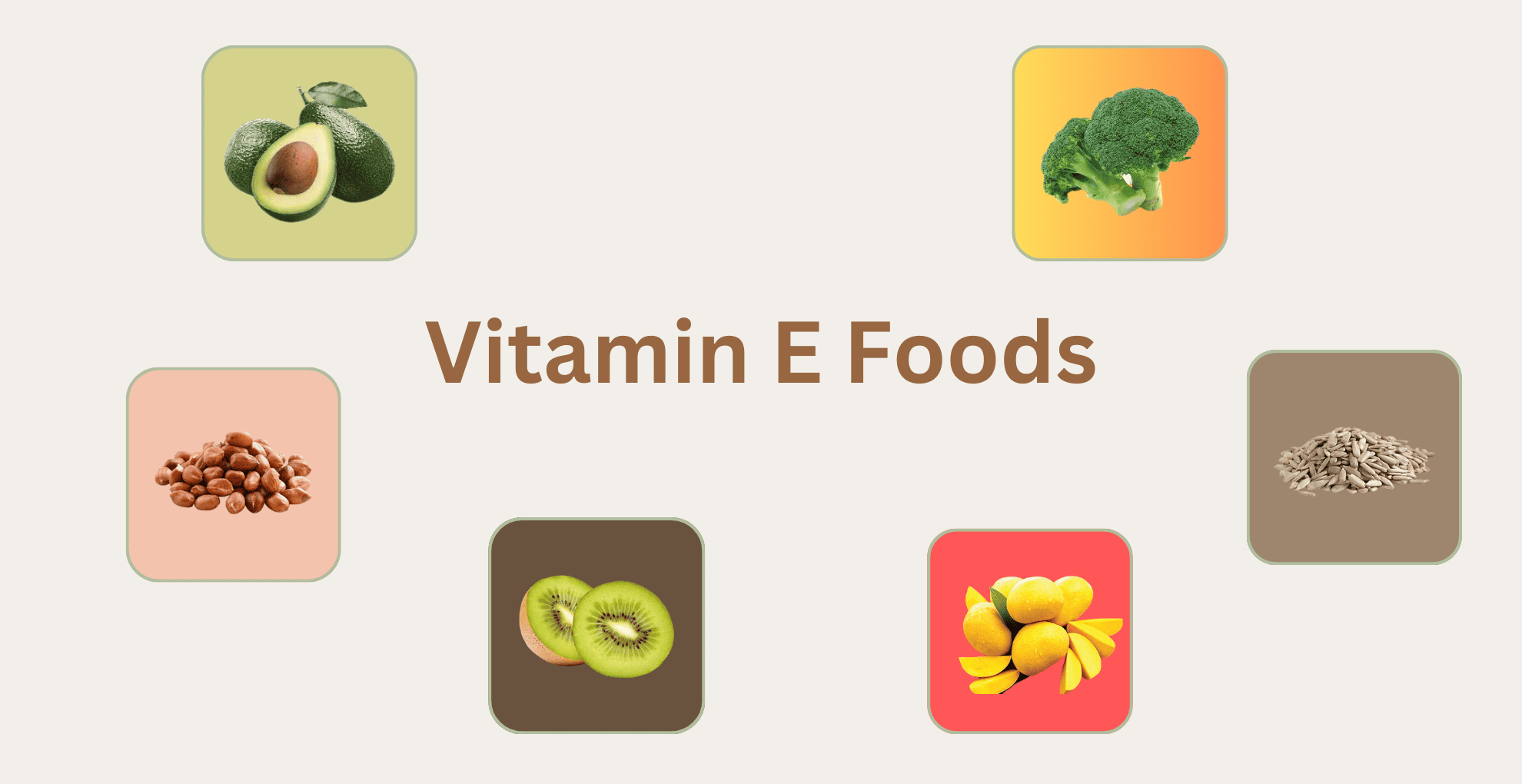
Avocado is a versatile and heart-healthy food that can help lower cholesterol levels. This creamy fruit is rich in monounsaturated fats, which have been shown to reduce LDL cholesterol levels. Avocado is also high in fiber and other beneficial nutrients that support heart health. Enjoy avocado as a spread on whole wheat bread, add it to salads, or use it as a healthy substitute for butter or mayonnaise in recipes.
Olive Oil
Olive oil is a staple in the Mediterranean diet, which is renowned for its heart-protective properties. This healthy fat is rich in monounsaturated fats, which can help lower LDL cholesterol and reduce the risk of heart disease. Replace butter or other oils with extra-virgin olive oil in your cooking, salad dressings, and marinades to enjoy its cholesterol-lowering benefits. Remember to use it in moderation, as it is still calorie-dense.
Fruits and Vegetables Rich in Vitamin E
Spinach
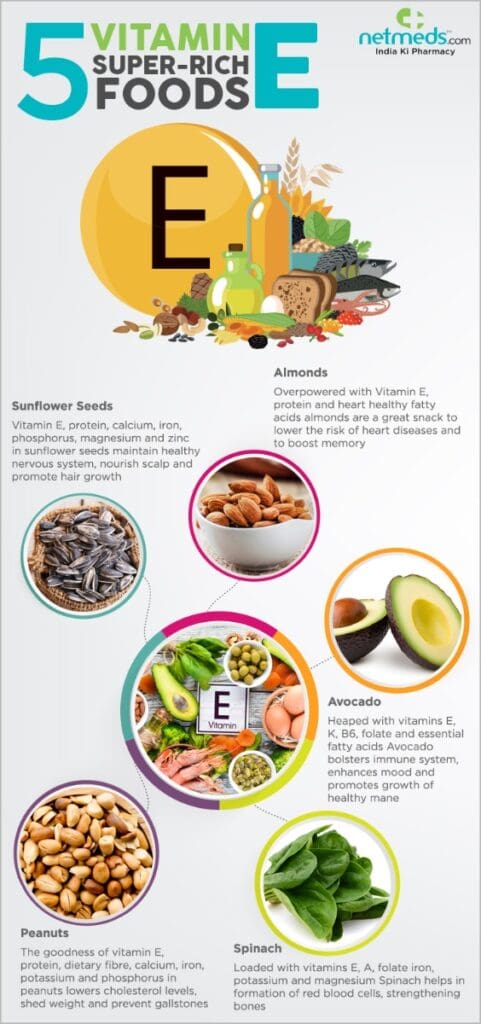
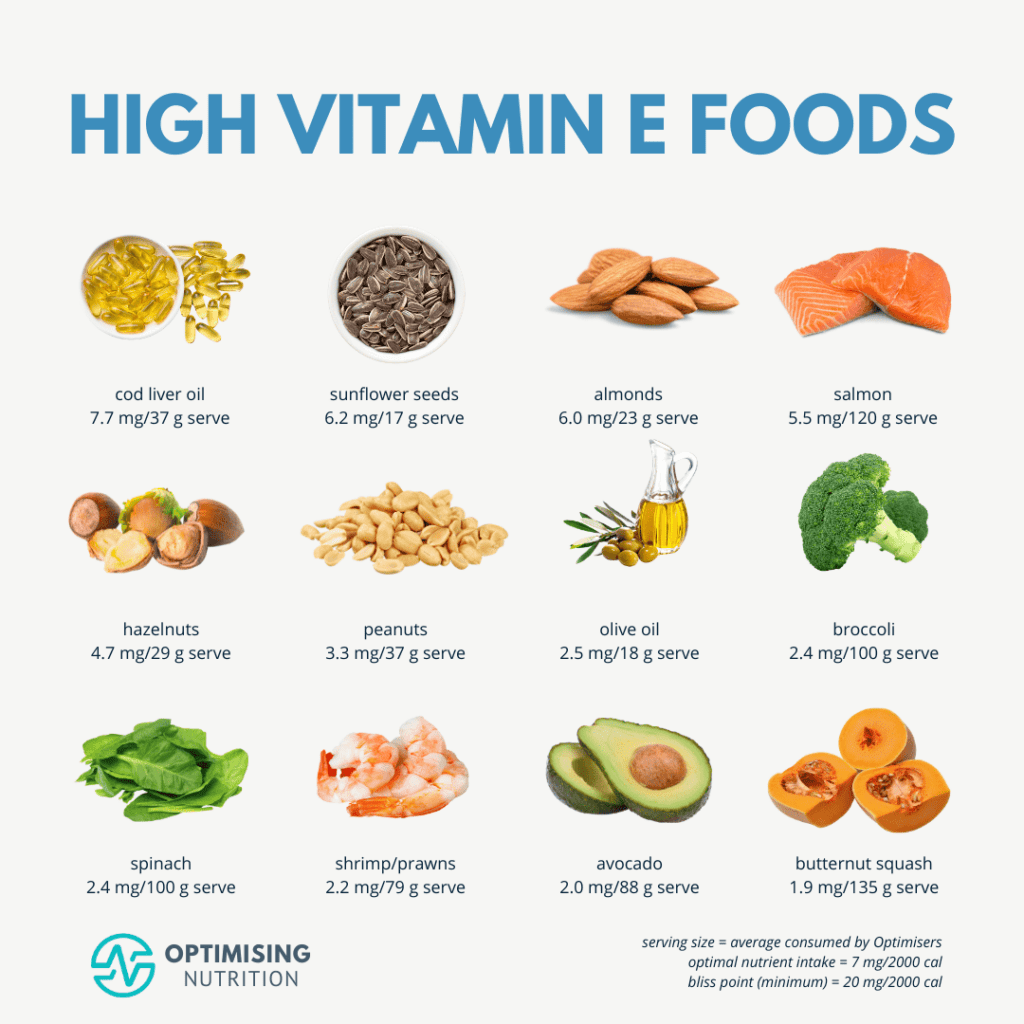
Spinach is a nutrient powerhouse that is rich in vitamin E, a powerful antioxidant that plays a crucial role in maintaining healthy cholesterol levels. Vitamin E helps to prevent the oxidation of LDL cholesterol, which can lead to plaque buildup in the arteries. Including spinach in your diet can help protect against heart disease and keep your cholesterol levels in check.
Almonds
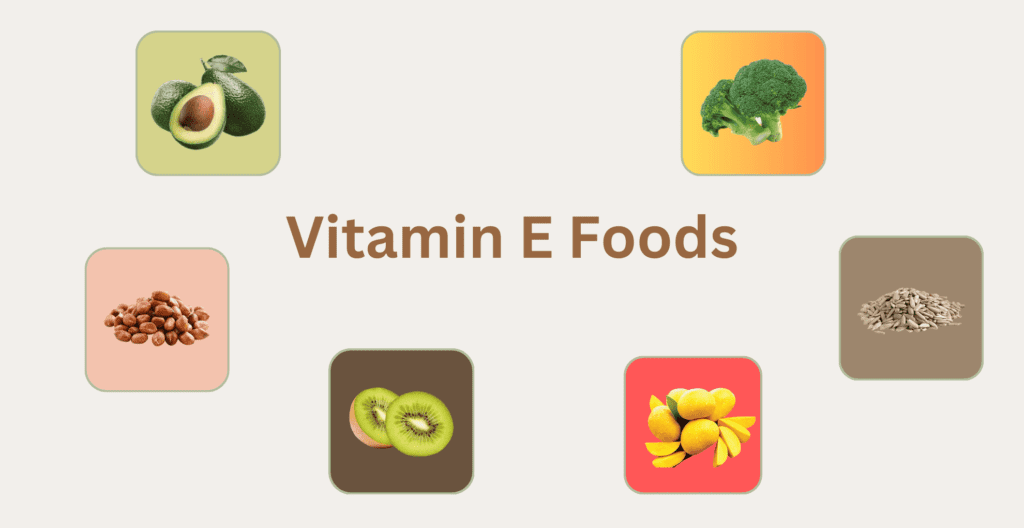
Almonds are not only a great source of healthy fats but also contain high levels of vitamin E. These crunchy nuts can help reduce LDL cholesterol levels and improve heart health. Snack on a handful of almonds or add them to salads, stir-fries, or homemade granola for a delicious and nutritious boost of vitamin E.
Sunflower Seeds
Sunflower seeds are an excellent plant-based source of vitamin E, making them a great addition to a cholesterol-lowering diet. These small seeds are also rich in unsaturated fats, fiber, and other important nutrients. Sprinkle sunflower seeds on top of salads, yogurt, or oatmeal to increase your vitamin E intake and promote heart health.
Kiwi
Kiwi is a delicious and vitamin C-rich fruit that also contains vitamin E. Vitamin C works in conjunction with vitamin E to protect against LDL cholesterol oxidation, reducing the risk of heart disease. Enjoy kiwi as a snack on its own or add it to smoothies, salads, or desserts for a refreshing and nutritious boost.
Mango
Mango is not only a tropical delight but also a great source of vitamin E. This juicy fruit is packed with antioxidants and fiber, making it an excellent choice for maintaining healthy cholesterol levels. Add fresh mango slices to your favorite yogurt, smoothies, or salads to increase your vitamin E intake and support heart health.
Whole Grains
Quinoa
Quinoa is a nutritious whole grain that is rich in fiber, protein, and essential minerals. Its high fiber content can help lower cholesterol levels by reducing LDL cholesterol absorption in the body. Quinoa is also a great source of complex carbohydrates, which provide sustained energy and promote overall heart health. Incorporate quinoa into your meals as a side dish, in salads, or as a base for grain bowls.
Brown Rice
Brown rice is an unrefined whole grain that is a healthier alternative to white rice. This chewy and nutty grain is high in fiber, which can help lower cholesterol levels. Additionally, brown rice is a good source of selenium, a mineral that supports heart health. Swap out white rice for brown rice in your favorite recipes to increase your whole grain intake and improve cholesterol levels.
Whole Wheat Bread
Choosing whole wheat bread over refined white bread can significantly impact your cholesterol levels. Whole wheat bread is made from whole grains, which are packed with fiber that can help lower LDL cholesterol. Look for bread labeled as 100% whole wheat to ensure you’re getting the full nutritional benefits. Use whole wheat bread for sandwiches, toast, or as a base for healthy homemade pizzas.
Bulgur
Bulgur is a versatile whole grain that is commonly used in Middle Eastern and Mediterranean cuisine. This nutty grain is rich in fiber, vitamins, and minerals, making it a great addition to a cholesterol-lowering diet. Bulgur can be easily incorporated into salads, stews, or used as a substitute for rice or couscous.
Barley
Barley is another ancient whole grain that offers numerous health benefits, including cholesterol management. The soluble fiber found in barley helps to lower LDL cholesterol levels and promotes heart health. Add barley to soups, stews, or use it as a base for grain bowls to enjoy its cholesterol-lowering properties.
Legumes and Pulses
Lentils
Lentils are a nutritious and versatile legume that can help lower cholesterol levels. These tiny legumes are packed with soluble fiber, which can reduce LDL cholesterol and improve heart health. Lentils also provide a good source of protein, making them a great option for vegetarians or those looking to reduce their meat consumption. Incorporate lentils into soups, stews, salads, or use them as a meat substitute in various recipes.
Chickpeas
Chickpeas, also known as garbanzo beans, are a nutritious legume that offers numerous health benefits. These little beans are rich in soluble fiber, which can help lower LDL cholesterol levels and promote heart health. Chickpeas are also a great source of plant-based protein and can be used in a variety of dishes, such as salads, curries, or homemade hummus.
Kidney Beans
Kidney beans are a popular legume that can contribute to healthy cholesterol levels. These beans are packed with fiber and plant-based protein, making them an excellent choice for those looking to improve their heart health. Kidney beans can be added to chili, soups, salads, or used to make delicious vegetarian burgers.
Black Beans
Black beans are another legume that can help lower cholesterol levels and support heart health. These beans are rich in soluble fiber, which can help reduce LDL cholesterol levels and improve your overall cholesterol profile. Including black beans in your diet is easy – you can add them to salads, burritos, soups, or use them as a base for delicious bean dips.
Soybeans
Soybeans, also known as edamame, are a versatile legume that can help lower LDL cholesterol levels. They are a complete source of plant-based protein and contain important nutrients such as fiber, vitamins, and minerals. Adding soybeans to your diet can be as simple as enjoying steamed edamame as a snack or incorporating tofu and soy milk into your recipes.
Healthy Protein Sources
Skinless Poultry
Skinless poultry, such as chicken or turkey, is a lean source of protein that is low in saturated fat. Including skinless poultry in your diet can help support healthy cholesterol levels and promote heart health. Opt for grilled, baked, or roasted skinless poultry instead of fried versions to avoid unnecessary added fats.
Lean Meats
Lean cuts of meat, such as pork tenderloin or sirloin steak, can be part of a cholesterol-lowering diet when consumed in moderation. Choose lean cuts and trim off any visible fat before cooking. Grilling, baking, or broiling lean meats are healthy cooking methods that help to maintain their nutritional value while avoiding excessive saturated fat.
Eggs
Contrary to previous beliefs, moderate egg consumption can be part of a heart-healthy diet. Eggs are an excellent source of high-quality protein and key nutrients. The cholesterol in eggs does not have the same negative impact on blood cholesterol levels as previously believed. However, it’s important to enjoy eggs as part of a balanced diet that includes other cholesterol-lowering foods.
Greek Yogurt
Greek yogurt is a rich source of protein and can be included in a cholesterol-lowering diet. This tangy and creamy yogurt is lower in sugar and higher in protein compared to regular yogurt. Choose plain Greek yogurt and add your own toppings such as fresh fruits or a sprinkle of nuts for additional flavor and nutrients.
Tofu
Tofu is a popular plant-based protein source that is often used as a meat substitute. It is low in saturated fat and contains no cholesterol, making it a heart-healthy option. Tofu can be marinated and grilled, stir-fried, or blended into smoothies to add protein to your meals or snacks.
Low-Fat Dairy Products
Skim Milk
Skim milk is a low-fat dairy product that can be included in a cholesterol-lowering diet. It is an excellent source of calcium, vitamin D, and protein. Skim milk can be enjoyed on its own, used as a base for smoothies, or added to cereal and recipes.
Low-Fat Yogurt
Low-fat yogurt is a nutritious and delicious option for those looking to maintain healthy cholesterol levels. It contains less fat compared to regular yogurt while still providing important nutrients such as calcium and protein. Opt for plain low-fat yogurt and add your own toppings to control the amount of added sugars.
Cottage Cheese
Cottage cheese is a versatile low-fat dairy product that can be incorporated into a cholesterol-lowering diet. It is a good source of protein, calcium, and other essential nutrients. Enjoy cottage cheese on its own, or add it to salads, smoothies, or baked goods for added creaminess and protein.
Low-Fat Cheese
Low-fat cheese options, such as mozzarella or feta, can be included in a cholesterol-lowering diet. These cheeses offer a lower fat content compared to their full-fat counterparts while still providing a good source of calcium and protein. Use low-fat cheese as a topping for salads, sandwiches, or incorporate it into your favorite recipes.
Greek Yogurt
Greek yogurt is mentioned earlier as a healthy protein source, but it also fits into the low-fat dairy category. This creamy yogurt is lower in fat and higher in protein compared to regular yogurt. Choose plain Greek yogurt and add your own toppings to keep the added sugars to a minimum.
Foods Rich in Soluble Fiber
Flaxseeds
Flaxseeds are small seeds that are rich in soluble fiber and other important nutrients. They can help lower LDL cholesterol levels and improve heart health. Sprinkle ground flaxseeds on top of oatmeal, yogurt, or add them to smoothies or baked goods for an extra boost of fiber.
Chia Seeds
Chia seeds are another nutritional powerhouse that is high in soluble fiber. These tiny seeds can help lower LDL cholesterol levels and promote heart health. Add chia seeds to your morning cereal, yogurt, or make a chia seed pudding for a delicious and nutritious treat.
Brussels Sprouts
Brussels sprouts are a cruciferous vegetable that is high in soluble fiber, among other beneficial nutrients. Consuming Brussels sprouts regularly can help lower LDL cholesterol levels and support heart health. Roast, steam, or sauté Brussels sprouts to enjoy their unique flavor and health benefits.
Broccoli
Broccoli is a nutrient-dense vegetable that is rich in soluble fiber and antioxidants. Including broccoli in your diet can help lower LDL cholesterol and reduce the risk of heart disease. Steam, roast, or stir-fry broccoli to preserve its nutritional value while adding delicious flavor to your meals.
Sweet Potatoes
Sweet potatoes are not only delicious but also a great source of soluble fiber. These vibrant root vegetables can help lower LDL cholesterol levels and improve overall heart health. Enjoy sweet potatoes baked, mashed, or roasted for a nutritious side dish or snack.
Plant Sterols and Stanols
Fortified Margarines
Fortified margarines are products that have been enhanced with plant sterols or stanols, which are compounds found naturally in plants. Margarines fortified with plant sterols or stanols can help lower LDL cholesterol levels when consumed as part of a healthy diet. Use fortified margarine as a spread on whole wheat bread or in cooking and baking for cholesterol-lowering benefits.
Orange Juice
Certain brands of orange juice are now available with added plant sterols or stanols. Regular consumption of these fortified orange juices can help lower LDL cholesterol levels. Enjoy a glass of fortified orange juice as part of a balanced diet to support heart health.
Almonds
Almonds, mentioned earlier, are not only rich in vitamin E but also contain plant sterols. These natural compounds can help lower LDL cholesterol levels and reduce the risk of heart disease. Snack on a handful of almonds or add them to your favorite recipes to benefit from their cholesterol-lowering properties.
Sunflower Seeds
Sunflower seeds, also mentioned earlier, are another plant-based source of both vitamin E and plant sterols. Enjoy sunflower seeds as a healthy snack or use them as a topping for salads, yogurt, or oatmeal to support heart health.
Pumpkin Seeds
Pumpkin seeds are a nutritious snack that is rich in plant sterols, vitamin E, and other beneficial nutrients. These crunchy seeds can help lower LDL cholesterol levels and promote heart health. Roast pumpkin seeds with your favorite seasonings for a delicious and cholesterol-lowering snack.
Healthy Cooking Methods
Grilling
Grilling is a healthy cooking method that can help reduce the amount of added fats in your meals. When grilling, excess fats can drip off the food, resulting in a lower overall fat content. Choose lean cuts of meat, poultry, or fish and enhance the flavors with marinades or herbs and spices.
Baking
Baking is a versatile cooking method that can be used for a wide range of foods, including meats, vegetables, and whole grains. It requires little to no added fats and allows for the retention of nutrients and flavors. For added health benefits, replace white flour with whole wheat flour when baking.
Steaming
Steaming is a gentle cooking method that helps retain the nutritional value of foods. It requires minimal or no added fats and can be used for a variety of vegetables, fish, and poultry. Steaming preserves the natural flavors and textures of foods, making it a healthy and delicious cooking option.
Poaching
Poaching involves cooking food in liquid, typically water or broth, at a low temperature. This cooking method is ideal for delicate foods like eggs, fish, or chicken breasts. Poaching requires little to no added fats and helps to retain the natural flavors and textures of the food.
Stir-frying
Stir-frying is a quick and healthy cooking method that requires minimal fats. It involves cooking small and thinly sliced pieces of meat, seafood, or vegetables over high heat. Stir-frying allows for the retention of nutrients and vibrant colors while adding delicious flavors to your meals.
Limiting Certain Foods
Trans Fats
Trans fats are artificial fats that are commonly found in processed and fried foods. These fats not only raise LDL cholesterol levels but also lower HDL cholesterol, increasing the risk of heart disease. Limiting or avoiding foods that contain trans fats, such as fried snacks, baked goods, and many fast foods, is essential for maintaining healthy cholesterol levels.
Saturated Fats
Saturated fats, commonly found in animal products and some plant-based oils, can raise LDL cholesterol levels and increase the risk of heart disease. Limiting the consumption of high-fat meats, full-fat dairy products, butter, and coconut oil can contribute to better cholesterol management and overall heart health.
Highly Processed Foods
Highly processed foods, such as packaged snacks, frozen meals, and sugary drinks, often contain high levels of added sugars, trans fats, and unhealthy oils. These foods can contribute to elevated LDL cholesterol levels and increase the risk of heart disease. Opt for whole, unprocessed foods whenever possible and read food labels to make informed choices.
Added Sugars
Consuming excessive amounts of added sugars can lead to weight gain, increased triglyceride levels, and decreased HDL cholesterol levels. It’s important to limit the intake of sugary foods and beverages, such as soda, candy, baked goods, and sugary cereals, for better cholesterol management and overall health.
Excessive Alcohol Consumption
Although moderate alcohol consumption may have some health benefits, excessive alcohol intake can contribute to high LDL cholesterol levels and other adverse health effects. If you choose to drink alcohol, do so in moderation. For most individuals, this means up to one drink per day for women and up to two drinks per day for men.
In conclusion, maintaining healthy cholesterol levels and preventing vitamin E deficiency can be achieved through a balanced diet that includes a variety of nutrient-rich foods. Incorporating cholesterol-lowering foods such as oats, fatty fish, nuts, and avocado can help improve your cholesterol profile and promote heart health. Additionally, adding foods rich in vitamin E, such as spinach, almonds, and kiwi, can support heart health and prevent vitamin E deficiency. Whole grains, legumes, healthy protein sources, low-fat dairy products, and foods rich in soluble fiber should also be included in your diet. Adopting healthy cooking methods, limiting certain foods high in trans fats and saturated fats, reducing highly processed foods and added sugars, and moderating alcohol consumption are additional steps you can take to maintain healthy cholesterol levels. By making these mindful choices, you can support your overall health and well-being.