
Welcome to the article that will shed light on the important role that nutritionists and dietitians play in managing cholesterol levels. By working closely with these healthcare professionals, you can gain valuable insight into making dietary choices that support a healthy heart and overall well-being. Let’s explore the expertise and guidance they provide in developing personalized meal plans and lifestyle changes to help you achieve optimal cholesterol levels. This article will highlight the collaborative approach between you and your nutritionist or dietitian to promote a heart-healthy diet and reduce the risk of cardiovascular disease. Have you ever wondered what role nutritionists and dietitians play in managing cholesterol levels? Whether you have been diagnosed with high cholesterol or are simply looking to take proactive steps to maintain healthy levels, understanding how these professionals can help you is crucial. Let’s delve into the important role that nutritionists and dietitians play in cholesterol management.
What is Cholesterol?
Cholesterol is a waxy, fat-like substance that is found in every cell of your body. While cholesterol is essential for building healthy cells, too much of it in your blood can increase your risk of heart disease. There are two main types of cholesterol: low-density lipoprotein (LDL) and high-density lipoprotein (HDL). LDL cholesterol is often referred to as “bad” cholesterol, as it can build up in the walls of your arteries, leading to atherosclerosis. On the other hand, HDL cholesterol is known as “good” cholesterol because it helps remove LDL cholesterol from your arteries.
Understanding the role of cholesterol in your body is the first step in managing your cholesterol levels effectively.
The Importance of Nutrition in Cholesterol Management
Nutrition plays a critical role in managing cholesterol levels. A healthy diet that is low in saturated fats, trans fats, and cholesterol can help lower LDL cholesterol levels and reduce your risk of heart disease. This is where the expertise of nutritionists and dietitians comes into play. These professionals are trained to provide personalized nutrition guidance that is tailored to your specific needs and goals.
By working with a nutritionist or dietitian, you can create a customized eating plan that focuses on foods that can help lower LDL cholesterol and raise HDL cholesterol. Additionally, they can help you navigate food labels, meal planning, and dining out, making it easier for you to make heart-healthy choices.

The Role of Nutritionists in Cholesterol Management
Nutritionists are experts in the field of nutrition and can offer valuable insights into how your diet impacts your cholesterol levels. When working with a nutritionist to manage your cholesterol, you can expect them to:
- Conduct a thorough assessment of your current diet and eating habits
- Educate you on the role of different nutrients in cholesterol management
- Create a personalized meal plan that is focused on improving your cholesterol levels
- Provide ongoing support and guidance to help you make sustainable lifestyle changes
By collaborating with a nutritionist, you can take proactive steps towards improving your cholesterol levels and overall heart health.
The Role of Dietitians in Cholesterol Management
Dietitians are healthcare professionals who specialize in food and nutrition. They are trained to provide evidence-based guidance on how diet can impact various health conditions, including high cholesterol. When working with a dietitian to manage your cholesterol, you can expect them to:
- Assess your overall health and medical history to create a personalized nutrition plan
- Monitor your progress and make adjustments to your plan as needed
- Offer practical tips and strategies for incorporating heart-healthy foods into your diet
- Collaborate with other members of your healthcare team to ensure comprehensive care
Dietitians play a crucial role in cholesterol management by providing expert guidance on nutrition and empowering you to make informed choices about your diet.
Creating a Heart-Healthy Diet Plan
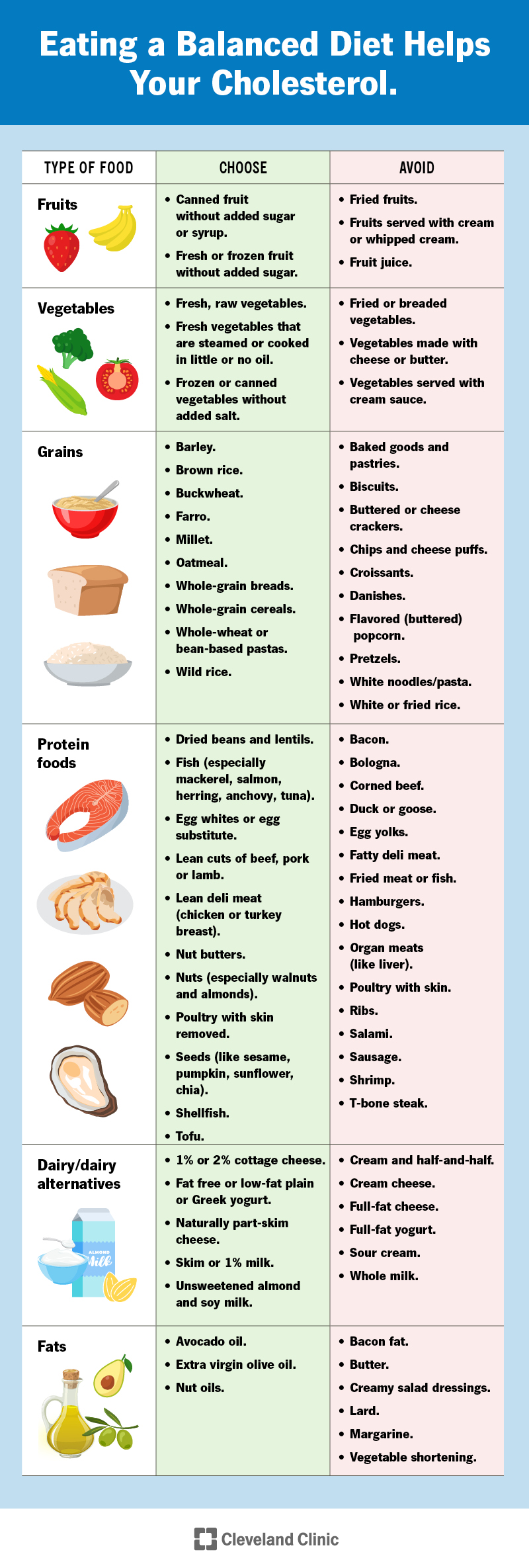
One of the key responsibilities of both nutritionists and dietitians in managing cholesterol is creating a heart-healthy diet plan. This plan typically focuses on consuming a variety of nutrient-dense foods that can help improve your cholesterol levels and support overall heart health. Some key components of a heart-healthy diet plan include:
- Emphasizing fruits, vegetables, whole grains, and legumes
- Choosing lean sources of protein, such as poultry, fish, and plant-based proteins
- Limiting saturated fats and trans fats found in red meat, processed foods, and fried foods
- Incorporating heart-healthy fats, such as those found in nuts, seeds, and olive oil
- Reducing sodium intake to support healthy blood pressure levels
By following a heart-healthy diet plan created by a nutritionist or dietitian, you can take an active role in managing your cholesterol levels and reducing your risk of heart disease.
Supplements and Cholesterol Management
In addition to dietary changes, some individuals may benefit from supplementing their diet to help manage cholesterol levels. Supplements such as fish oil, plant sterols, and soluble fiber have been shown to have cholesterol-lowering effects. However, it is important to consult with a healthcare professional before starting any new supplements, as they may interact with medications or have potential side effects.
Nutritionists and dietitians can help you navigate the world of supplements by recommending evidence-based options that are safe and effective for managing your cholesterol levels. Supplementing your diet can be a valuable addition to your cholesterol management plan when done under the guidance of a trusted healthcare professional.

Lifestyle Modifications for Cholesterol Management
In addition to diet, lifestyle modifications play a crucial role in managing cholesterol levels. Regular physical activity, maintaining a healthy weight, avoiding tobacco use, and managing stress are all important factors that can impact your cholesterol levels and overall heart health. Nutritionists and dietitians can provide guidance on incorporating these lifestyle modifications into your daily routine to support your cholesterol management goals.
By making sustainable lifestyle changes and working closely with a nutritionist or dietitian, you can take a holistic approach to managing your cholesterol levels and improving your overall cardiovascular health.
Monitoring and Tracking Progress
Regular monitoring and tracking of your cholesterol levels are essential for assessing the effectiveness of your cholesterol management plan. Nutritionists and dietitians can work with you to establish measurable goals, track your progress, and make adjustments to your plan as needed. By regularly reviewing your cholesterol levels and making necessary modifications to your diet and lifestyle, you can stay on track towards achieving optimal cholesterol levels.
Conclusion
In conclusion, nutritionists and dietitians play a vital role in managing cholesterol levels and supporting overall heart health. By collaborating with these healthcare professionals, you can receive personalized nutrition guidance, create a heart-healthy diet plan, and make sustainable lifestyle changes to improve your cholesterol levels. Whether you have been diagnosed with high cholesterol or are looking to take proactive steps towards maintaining healthy levels, working with a nutritionist or dietitian can empower you to make informed choices about your diet and lifestyle. Take the first step towards better cholesterol management today by reaching out to a nutritionist or dietitian to develop a customized plan that meets your individual needs and goals.