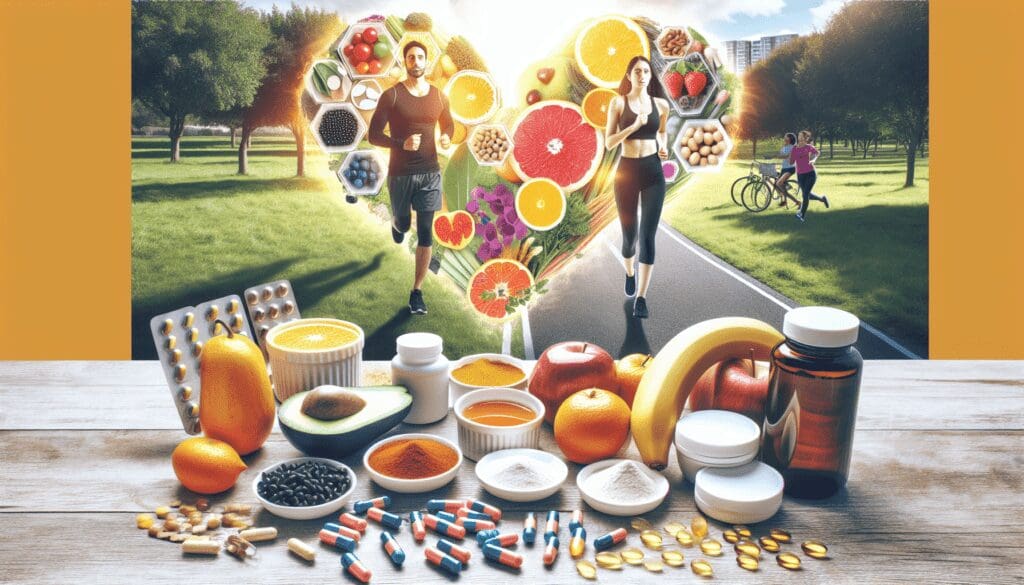

You are not alone if you have concerns about managing your cholesterol levels. Fortunately, there are dietary supplements that can aid in maintaining healthy cholesterol levels. In this article, we will explore the best dietary supplements available to help you manage your cholesterol effectively. By incorporating these supplements into your daily routine, you will be taking proactive steps towards achieving a healthier lifestyle. Discover the power of these supplements and the potential benefits they can offer in managing your cholesterol.
1. Omega-3 Fatty Acids
Omega-3 fatty acids are a type of polyunsaturated fat that are beneficial for your overall health, especially when it comes to managing cholesterol. There are three main types of omega-3 fatty acids: eicosapentaenoic acid (EPA), docosahexaenoic acid (DHA), and alpha-linolenic acid (ALA).
EPA and DHA are primarily found in fatty fish, such as salmon and mackerel, while ALA is found in plant sources like flaxseeds, chia seeds, and walnuts. Omega-3 fatty acids are known for their ability to reduce inflammation in the body, lower triglyceride levels, and increase levels of HDL (good) cholesterol.
Studies have shown that omega-3 fatty acids can lower total cholesterol levels and decrease the risk of heart disease. They have also been found to have positive effects on blood pressure, reduce the risk of blood clots, and improve overall heart health.
To reap the benefits of omega-3 fatty acids for managing cholesterol, it is recommended to consume at least two servings of fatty fish per week or incorporate plant-based sources of omega-3s into your diet. If you are unable to meet your omega-3 needs through diet alone, you may consider taking omega-3 supplements. The American Heart Association recommends a daily dosage of 1,000 milligrams of combined EPA and DHA for individuals with high triglyceride levels.
2. Plant Sterols and Stanols
Plant sterols and stanols are naturally occurring substances found in plant-based foods. They have a similar structure to cholesterol and can help block the absorption of cholesterol in the intestines, thereby reducing LDL (bad) cholesterol levels in the bloodstream.
Plant sterols and stanols are commonly added to foods like margarine, yogurt, and orange juice. They are also available in supplement form. These compounds have been proven to lower LDL cholesterol levels by up to 15% when consumed in recommended amounts.
Regular consumption of plant sterols and stanols can significantly reduce the risk of heart disease. They work by interfering with the absorption of cholesterol, which in turn lowers LDL cholesterol levels and promotes healthier blood vessels.
The recommended dosage of plant sterols and stanols for cholesterol management is about 2 grams per day, which can typically be achieved through consumption of foods fortified with these compounds. However, if you have trouble meeting this amount through your diet, you may consider taking a supplement as directed by your healthcare provider.
3. Red Yeast Rice
Red yeast rice is a traditional Chinese culinary ingredient made by fermenting rice with a specific type of yeast, Monascus purpureus. It has been used for centuries as a natural remedy for various ailments, including managing cholesterol levels.
Red yeast rice contains a compound called monacolin K, which is structurally similar to statin drugs used to lower cholesterol. Monacolin K inhibits an enzyme in the liver that is responsible for cholesterol production, leading to a decrease in LDL cholesterol levels.
In addition to its ability to lower LDL cholesterol, red yeast rice has also been found to increase HDL cholesterol levels, reduce triglycerides, and improve overall heart health. Studies have shown that red yeast rice can lower LDL cholesterol levels by about 20%.
The recommended dosage of red yeast rice for managing cholesterol is typically around 1,200 to 2,400 milligrams per day. However, it is important to note that red yeast rice can interact with certain medications, especially those used to manage cholesterol levels. Therefore, it is essential to consult with your healthcare provider before starting any red yeast rice supplement.
4. Coenzyme Q10
Coenzyme Q10, also known as CoQ10, is a naturally occurring compound found in every cell of the body. It plays a crucial role in the production of energy and acts as a powerful antioxidant.
CoQ10 is involved in the production of ATP (adenosine triphosphate), which is essential for cellular energy production. The heart, as one of the most energy-demanding organs, requires a sufficient amount of CoQ10 to function optimally. Unfortunately, statin drugs, commonly prescribed for managing cholesterol, can deplete CoQ10 levels in the body.
Supplementing with CoQ10 can help replenish these levels and support heart health. It has been shown to improve endothelial function, reduce inflammation, and decrease oxidative stress, all of which contribute to better cholesterol management.
The recommended dosage of CoQ10 for cholesterol management is typically around 100 to 200 milligrams per day. However, if you are taking statin medications, it is even more important to consider CoQ10 supplementation. Consult with your healthcare provider to determine the appropriate dosage for your specific needs.

5. Garlic Extract
Garlic extract is derived from the bulb of the garlic plant and has been used for centuries as both a culinary ingredient and a medicinal herb. It contains a compound called allicin, which is responsible for its distinct odor and many health benefits.
When it comes to managing cholesterol, garlic extract has been found to have multiple positive effects. It can help lower LDL cholesterol levels, reduce total cholesterol, decrease triglyceride levels, and increase HDL cholesterol.
Garlic extract works by inhibiting enzymes responsible for the synthesis of cholesterol in the liver. It also has antioxidant and anti-inflammatory properties that contribute to its cholesterol-lowering effects. Studies have shown that regular consumption of garlic extract can lead to a 10-15% reduction in LDL cholesterol levels.
To experience the benefits of garlic extract for managing cholesterol, a typical dosage is about 600 to 1,200 milligrams per day, usually divided into two or three doses. However, it is important to note that high doses of garlic extract can interact with certain medications, so it’s always best to consult with your healthcare provider before starting any supplements.
6. Niacin
Niacin, also known as vitamin B3, is an essential nutrient that plays a crucial role in various bodily functions. When it comes to managing cholesterol, niacin has the ability to lower LDL cholesterol levels while increasing HDL cholesterol levels.
Niacin works by inhibiting the liver’s production of LDL cholesterol and triglycerides, leading to a decrease in their levels in the bloodstream. It also helps increase HDL cholesterol through a process called reverse cholesterol transport, where excess cholesterol is removed from the arteries and transported back to the liver for elimination.
In addition to its cholesterol-lowering effects, niacin also has positive effects on other cardiovascular risk factors, such as reducing inflammation and improving blood vessel function.
The recommended dosage of niacin for managing cholesterol is typically around 1,000 to 2,000 milligrams per day. However, it is important to note that high doses of niacin can cause side effects, such as flushing and liver damage. Therefore, it is crucial to work with your healthcare provider to determine the appropriate dosage and monitor for any potential side effects.
7. Fiber Supplements
Fiber is an essential component of a healthy diet, and it plays an important role in managing cholesterol levels. There are two types of fiber: soluble and insoluble. Soluble fiber, in particular, has been found to have cholesterol-lowering effects.
Soluble fiber works by binding to cholesterol in the digestive system and preventing its absorption into the bloodstream. This results in a decrease in LDL cholesterol levels and improved overall cholesterol profile.
Fiber supplements, such as psyllium husk, can be a convenient way to increase your fiber intake and reap the cholesterol-lowering benefits. Psyllium husk is derived from the seeds of the Plantago ovata plant and is a rich source of soluble fiber.
The recommended dosage of psyllium husk for managing cholesterol is typically around 5 to 10 grams per day, mixed with water or other liquids. It is important to gradually increase fiber intake to avoid digestive discomfort and to drink plenty of fluids when consuming fiber supplements.
8. Green Tea Extract
Green tea extract is derived from the leaves of the Camellia sinensis plant and is rich in antioxidants known as catechins. These catechins have been found to have numerous health benefits, including managing cholesterol levels.
When it comes to cholesterol management, green tea extract has been shown to lower LDL cholesterol levels and increase HDL cholesterol levels. It also helps reduce oxidized LDL cholesterol, which is particularly harmful to cardiovascular health.
Green tea extract works by inhibiting the absorption of cholesterol in the intestines and promoting its excretion from the body. It also has anti-inflammatory and antioxidant properties that contribute to its positive effects on cholesterol levels.
To experience the cholesterol-lowering benefits of green tea extract, a typical dosage is around 300 to 400 milligrams per day. However, it is important to note that green tea extract contains caffeine, which can cause side effects in some individuals. Consult with your healthcare provider before starting any green tea extract supplement.
9. Artichoke Leaf Extract
Artichoke leaf extract is derived from the leaves of the artichoke plant and has been used for centuries in traditional medicine for various health conditions, including cholesterol management.
Artichoke leaf extract contains compounds called cynarin and luteolin, which have been found to have cholesterol-lowering effects. These compounds work by increasing the excretion of cholesterol from the liver and inhibiting its synthesis.
Studies have shown that artichoke leaf extract can help lower total cholesterol, reduce LDL cholesterol, and increase HDL cholesterol levels. It also has antioxidant properties that contribute to its beneficial effects on cardiovascular health.
The recommended dosage of artichoke leaf extract for managing cholesterol is typically around 600 to 1,800 milligrams per day, divided into two or three doses. However, it is important to note that artichoke leaf extract can interact with certain medications, so it’s essential to consult with your healthcare provider before starting any supplements.
10. Psyllium Husk
Psyllium husk is a soluble fiber derived from the seeds of the Plantago ovata plant. It has long been recognized for its beneficial effects on digestive health, but it also plays a role in managing cholesterol levels.
As a soluble fiber, psyllium husk works by binding to cholesterol in the digestive system and preventing its absorption into the bloodstream. This leads to a decrease in LDL cholesterol levels and improved overall cholesterol profile.
Psyllium husk can be taken as a supplement by mixing the powdered husk with water or other liquids. The recommended dosage for managing cholesterol is typically around 5 to 10 grams per day, but it is important to gradually increase fiber intake to avoid digestive discomfort.
In conclusion, there are various dietary supplements that can aid in managing cholesterol levels. Omega-3 fatty acids, plant sterols and stanols, red yeast rice, coenzyme Q10, garlic extract, niacin, fiber supplements, green tea extract, artichoke leaf extract, and psyllium husk all have their unique benefits and recommended dosages. However, it is important to remember that these supplements should complement a healthy lifestyle that includes a balanced diet and regular exercise. Always consult with your healthcare provider before starting any new supplements, especially if you have underlying health conditions or are taking medications. With the right approach and guidance, you can effectively manage your cholesterol levels and improve your overall cardiovascular health.