
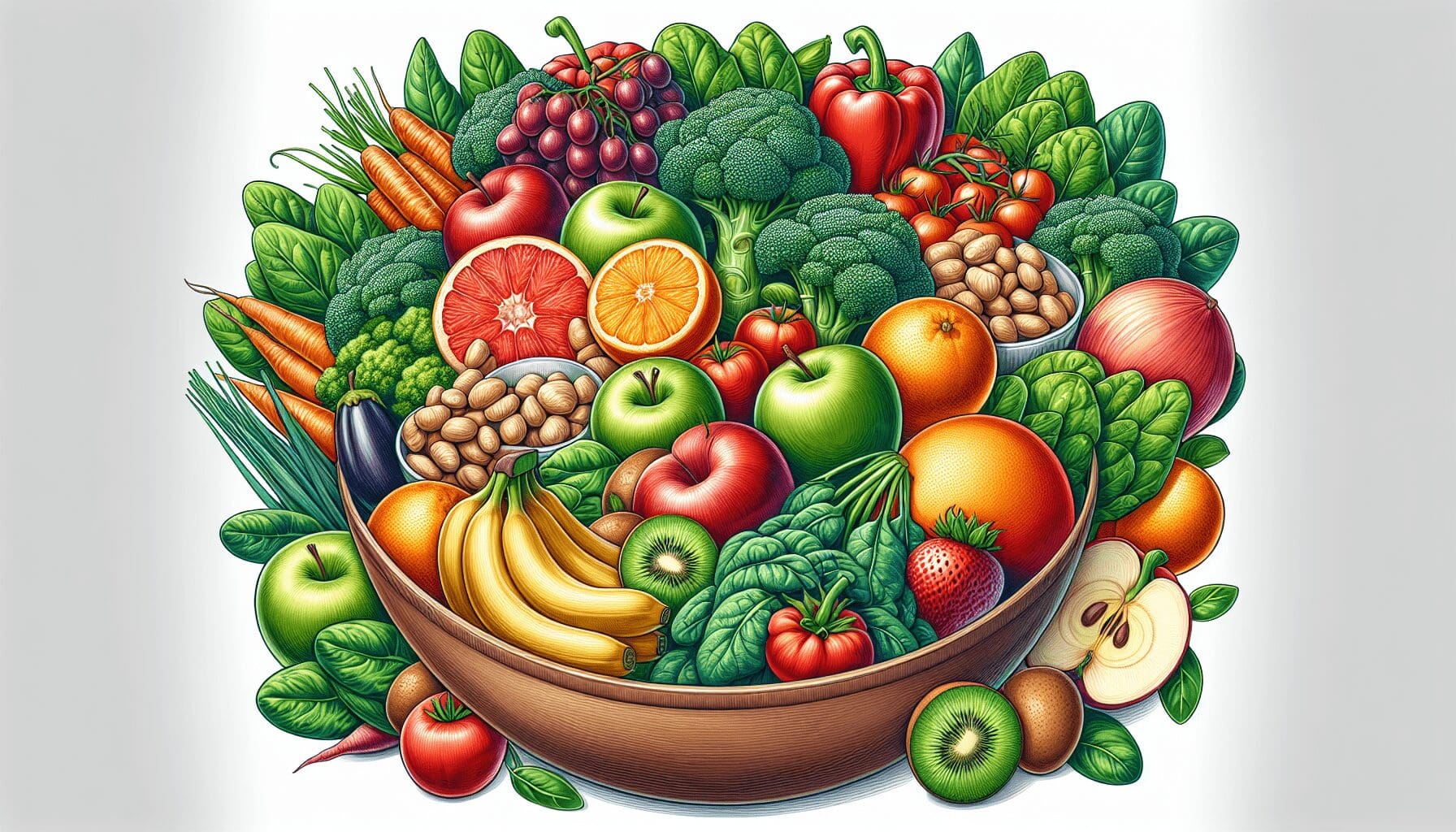
Are you looking for ways to naturally lower your cholesterol levels? Look no further! In this article, we will explore the top ways to incorporate phytosterols into your diet. Phytosterols are plant compounds that have been found to have cholesterol-lowering properties. By including these superstars in your meals and snacks, you can take a proactive approach to improving your heart health. From adding phytosterol-rich foods to your shopping list to trying out delicious recipes, we’ve got you covered. So, let’s get started on this journey towards a healthier you!
Cooking with Vegetable Oils
Switching to plant-based oils
If you’re looking to make a healthier change in your cooking routine, consider switching to plant-based oils. Vegetable oils, such as canola, olive, and sunflower oils, are great alternatives to traditional oils like butter or lard. These oils are rich in unsaturated fats and low in saturated fats, making them a heart-healthy choice for cooking.
Using oils high in phytosterols
To boost the cholesterol-lowering benefits of your cooking oils, opt for oils high in phytosterols. Phytosterols are natural compounds found in plants that have been shown to reduce LDL (“bad”) cholesterol levels. Some oils, like soybean and corn oil, have higher levels of phytosterols compared to others. So, make sure to check the labels and choose oils that specifically mention phytosterol content.
Making homemade salad dressings
One of the easiest ways to incorporate plant-based oils into your diet is by making homemade salad dressings. By using vegetable oils as a base, you can create delicious, healthy dressings that are free from preservatives and additives commonly found in store-bought options. Simply whisk together your choice of oil, vinegar or citrus juice, and your preferred herbs and spices. Experiment with different flavors and combinations to find your favorite homemade dressings.
Eating Plant-Based Protein
Including beans and lentils in your meals
When it comes to getting enough protein in a plant-based diet, beans and lentils are your best friends. These legumes are not only rich in protein but also packed with fiber and various vitamins and minerals. Whether you add kidney beans to your chili, black beans to your tacos, or lentils to your soups and stews, these plant-based protein sources will keep you feeling satisfied and energized throughout the day.
Opting for tofu and tempeh
Tofu and tempeh are two versatile plant-based protein options that can easily be incorporated into a variety of dishes. Tofu, made from soybeans, has a mild taste and can be marinated, baked, stir-fried, or grilled to add a protein boost to your favorite meals. Tempeh, on the other hand, has a nuttier flavor and works well in stir-fries, sandwiches, or even as a meat substitute in dishes like spaghetti Bolognese. Give these soy-based proteins a try and discover new, delicious ways to enjoy plant-based protein.
Adding nuts and seeds to your diet
Nuts and seeds are not only great sources of healthy fats but also provide a nice dose of protein. Almonds, walnuts, chia seeds, and flaxseeds are just a few examples of nuts and seeds that can easily be added to your diet. Sprinkle them on top of yogurt or salads, blend them into smoothies, or use them as toppings for your favorite baked goods. These small but mighty ingredients will not only add a crunch but also make your meals more nutritious and satisfying.
Consuming Whole Grains
Choosing whole grain bread and pasta
When it comes to choosing bread and pasta, opt for whole grain varieties instead of refined ones. Whole grain bread and pasta are made from grains that have retained their bran, germ, and endosperm, making them a much healthier choice. They are packed with fiber, vitamins, and minerals, providing a steady release of energy and helping you feel fuller for longer. So, next time you’re at the grocery store, look for whole grain options and savor the nutty flavor and heart-healthy benefits.
Cooking with quinoa and brown rice
Quinoa and brown rice are two whole grain alternatives that can easily replace their refined counterparts in your meals. Quinoa is a complete protein and gluten-free grain that can be cooked and used as a base for salads, stir-fries, or even as a stuffing for vegetables. Brown rice, on the other hand, is a fiber-rich grain with a slightly nutty taste that pairs well with a variety of dishes. Incorporate these whole grains into your recipes to add a nutritious twist to your meals.
Snacking on whole grain crackers
When you’re in need of a quick snack, reach for whole grain crackers instead of their refined counterparts. Whole grain crackers are packed with fiber, making them a more satisfying option. Pair them with hummus, salsa, or your favorite low-fat cheese for a crunchy and nutritious snack that will keep you going between meals. With so many flavors and varieties available, you’re sure to find a whole grain cracker that pleases your taste buds.
Including Fruits and Vegetables
Eating a variety of colorful fruits and vegetables
Incorporating a variety of colorful fruits and vegetables into your diet is a great way to ensure you’re getting a wide range of essential nutrients. Different fruits and vegetables contain different vitamins, minerals, and antioxidants, so it’s important to mix it up and enjoy a rainbow of produce. Whether it’s adding leafy greens to your salads, snacking on berries, or enjoying roasted vegetables as a side dish, make it a goal to include a variety of fruits and vegetables in every meal.
Incorporating avocado into your meals
Avocado is one fruit that deserves its own spotlight when it comes to plant-based diets. Not only is it rich in healthy fats and fiber, but it also provides a creamy and delicious addition to many dishes. Mash avocado onto whole grain toast, slice it onto salads or sandwiches, or blend it into smoothies for a creamy texture. The possibilities are endless, and the nutritional benefits are undeniable.
Making smoothies with spinach and kale
Smoothies are an excellent way to pack a variety of fruits and vegetables into one convenient and delicious drink. Spinach and kale are two leafy greens that are perfect for blending into smoothies. They are packed with vitamins A, C, and K, as well as minerals like iron and calcium. Add a handful of spinach or kale to your favorite fruit smoothie recipes and enjoy a nutritious and refreshing beverage.
Adding Plant Sterol-Fortified Foods
Opting for plant sterol-fortified margarine
If you’re looking to lower your cholesterol levels, incorporating plant sterol-fortified margarine into your diet may be beneficial. Plant sterols are substances found in plants that have been shown to lower LDL cholesterol. Margarine fortified with plant sterols can be spread on whole grain bread, used in cooking, or even melted over vegetables for a tasty and heart-healthy addition to your meals.
Choosing plant sterol-fortified yogurt
Yogurt is a popular and versatile dairy product that can be enjoyed in various ways. By choosing a yogurt fortified with plant sterols, you can further enhance its cholesterol-lowering potential. Enjoy it as a snack, mix it into smoothies, or use it as a base for homemade dressings and sauces. With the added benefits of plant sterols, you can take your yogurt consumption to the next level.
Snacking on plant sterol-fortified granola bars
Granola bars make for convenient and satisfying snacks on the go. By opting for granola bars fortified with plant sterols, you can enjoy the benefits of these cholesterol-lowering compounds while indulging in a tasty treat. Pack them in your bag for a quick snack between meals or keep them in your desk drawer for a satisfying mid-afternoon pick-me-up.
Including Legumes in Your Diet
Cooking with chickpeas and black beans
Chickpeas and black beans are legumes that are not only versatile but also packed with protein, fiber, and various nutrients. Whether you use chickpeas to make creamy hummus or incorporate black beans into soups, stews, or tacos, these legumes add texture, flavor, and nutrition to your meals. Experiment with different spices and seasonings to create unique and delicious dishes featuring these legume wonders.
Incorporating lentils into soups and stews
Lentils are another legume powerhouse that can easily be added to soups and stews. Not only are they a great source of protein and fiber, but they also cook relatively quickly compared to other legumes. From hearty lentil soups to flavorful lentil curries, there are countless recipes to explore and enjoy with lentils. Their earthy taste and nutritional benefits will make them a staple in your kitchen in no time.
Trying different types of legume-based dishes
Legumes come in various forms, from canned to dried, and each offers its own unique taste and texture. Explore different types of legume-based dishes, such as lentil loaf, bean burgers, or chickpea salads, to discover new flavors and expand your plant-based protein options. With legumes, the possibilities are endless, and your taste buds will thank you for the variety and nutrition.
Choosing Low-Fat Dairy Products
Opting for low-fat milk and cheese
If you choose to include dairy in your diet, opting for low-fat options is a healthier choice. Low-fat milk and cheese provide the same essential nutrients as their full-fat counterparts but with fewer calories and less saturated fat. Whether you enjoy a glass of low-fat milk with your breakfast or top your favorite dishes with reduced-fat cheese, you can still enjoy the benefits of dairy while making a conscious effort to reduce your overall saturated fat intake.
Including yogurt in your diet
Yogurt is not only a tasty snack but also a great source of beneficial probiotics. When choosing yogurt, opt for low-fat or Greek yogurt varieties to keep your saturated fat intake in check. Enjoy it on its own, mix it with fruits and nuts, or use it as a substitute for sour cream in recipes. No matter how you choose to enjoy it, yogurt adds a creamy and nutritious touch to your meals and snacks.
Trying low-fat cottage cheese
Cottage cheese is a versatile dairy product that can be enjoyed in various ways. Opt for low-fat cottage cheese to reduce your saturated fat intake while still benefiting from its high protein content. Enjoy it as a snack, mix it with fresh fruit, or use it as a creamy topping for whole grain toast. The light and creamy texture of low-fat cottage cheese will make it a satisfying addition to your diet.
Snacking on Nuts and Seeds
Eating almonds and walnuts as a snack
When the snack cravings hit, reach for a handful of almonds or walnuts. These nuts are not only delicious but also packed with healthy fats, protein, and fiber. They make for a satisfying snack that will keep you feeling full between meals. Keep a small container of almonds or walnuts in your bag or desk drawer for a nutritious pick-me-up whenever you need it.
Adding chia seeds to yogurt or smoothies
Chia seeds are tiny powerhouses of nutrition that can easily be added to your favorite yogurt or smoothie recipes. They are packed with fiber, omega-3 fatty acids, and various minerals. Mix a tablespoon of chia seeds into your yogurt or blend them into your smoothies for added texture and a nutrient boost. These versatile seeds will make your snacks and breakfasts more filling and nutritious.
Incorporating flaxseeds into baked goods
Flaxseeds are another seed that can be easily incorporated into your diet, especially in baked goods. These small seeds are rich in omega-3 fatty acids and fiber, making them a nutritious addition to your recipes. Ground flaxseeds can be used as an egg substitute in vegan baking or added to muffins, pancakes, or bread batter for a nutty flavor and extra health benefits. Get creative in the kitchen and enjoy the versatility of flaxseeds.
Including Sterol-Fortified Beverages
Choosing sterol-fortified orange juice
If you enjoy a glass of orange juice in the morning, why not choose a sterol-fortified option to boost the heart-healthy effects? Sterols are compounds found in plants that have been shown to lower cholesterol levels. By choosing orange juice fortified with sterols, you can enjoy a refreshing beverage while also benefiting from these natural compounds.
Opting for sterol-fortified milk substitutes
If you prefer milk substitutes like almond or soy milk, look for options that are fortified with sterols. These plant-based beverages can still provide the essential nutrients found in dairy milk while offering the cholesterol-lowering benefits of added sterols. Whether you enjoy a glass of sterol-fortified almond milk on its own or use it in your favorite recipes, you can make a healthier choice without sacrificing taste or versatility.
Drinking herbal teas made with sterol-fortified ingredients
If you’re a fan of herbal teas, consider trying blends made with sterol-fortified ingredients. Whether it’s green tea, hibiscus tea, or chamomile tea, there are many options available that offer the added benefits of plant sterols. Enjoy a soothing cup of tea while potentially lowering your cholesterol levels at the same time.
Cooking with Herbs and Spices
Using garlic and turmeric in recipes
Garlic and turmeric are two powerful herbs and spices that not only add flavor but also offer numerous health benefits. Garlic has been shown to help reduce cholesterol levels, while turmeric contains a compound called curcumin that has anti-inflammatory properties. Incorporate these spices into your cooking to add depth and complexity to your meals, all while promoting your overall health.
Adding oregano and rosemary to dishes
Oregano and rosemary are two herbs that can elevate the flavor of your dishes. Not only do they add a delicious aroma, but they also contain compounds that have been shown to possess antioxidant and anti-inflammatory properties. Sprinkle dried oregano over your salads and pasta dishes, and use fresh rosemary to season your roasted vegetables and meats. These herbs will not only enhance the taste of your meals but also contribute to your overall well-being.
Incorporating ginger and cinnamon into meals
Ginger and cinnamon are two spices that can add warmth and unique flavors to your dishes. Ginger has been used for centuries to aid digestion and relieve inflammation, while cinnamon has been shown to help lower blood sugar levels. Incorporate ginger in stir-fries, marinades, or even make a soothing ginger tea. Sprinkle cinnamon on your oatmeal, add it to your smoothies, or use it to flavor your baked goods. The aromatic qualities of ginger and cinnamon will enhance your culinary creations and promote your health.
Incorporating these top ways to incorporate phytosterols into your diet can help you on your journey to lower cholesterol levels and improve your overall health. From cooking with vegetable oils to adding legumes, whole grains, and plant sterol-fortified foods to your meals, there are numerous delicious and nutritious options to explore. Don’t forget to include a variety of fruits, vegetables, nuts, and seeds for added vitamins, minerals, and fiber. And finally, don’t be afraid to experiment with herbs and spices to enhance the flavors of your dishes while reaping their potential health benefits. With these tips, you can create a well-rounded and cholesterol-friendly diet that supports your well-being.