In this ultimate guide, we’ll explore the powerful impact that vitamins can have on maintaining healthy cholesterol levels. You’ll discover a variety of key vitamins that can help lower LDL (bad) cholesterol and increase HDL (good) cholesterol, as well as their sources and recommended daily dosages. Learn how incorporating these essential nutrients into your diet can play a vital role in promoting heart health and keeping your cholesterol levels in check.
Understanding Cholesterol and its Effects
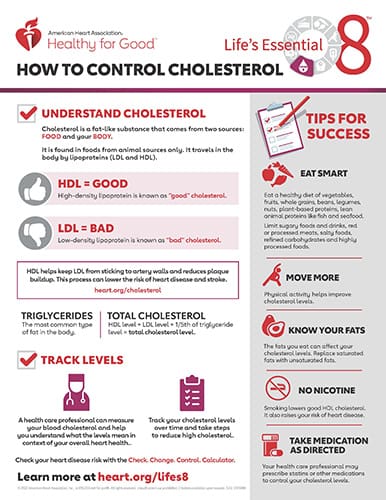
Cholesterol is a waxy substance that is found in your blood. It is important for the production of hormones, vitamin D, and digestive fluids. However, having high levels of cholesterol in your blood can increase your risk of heart disease and stroke. It is crucial to understand the different types of cholesterol and the impact of high cholesterol on your health.
What is cholesterol?
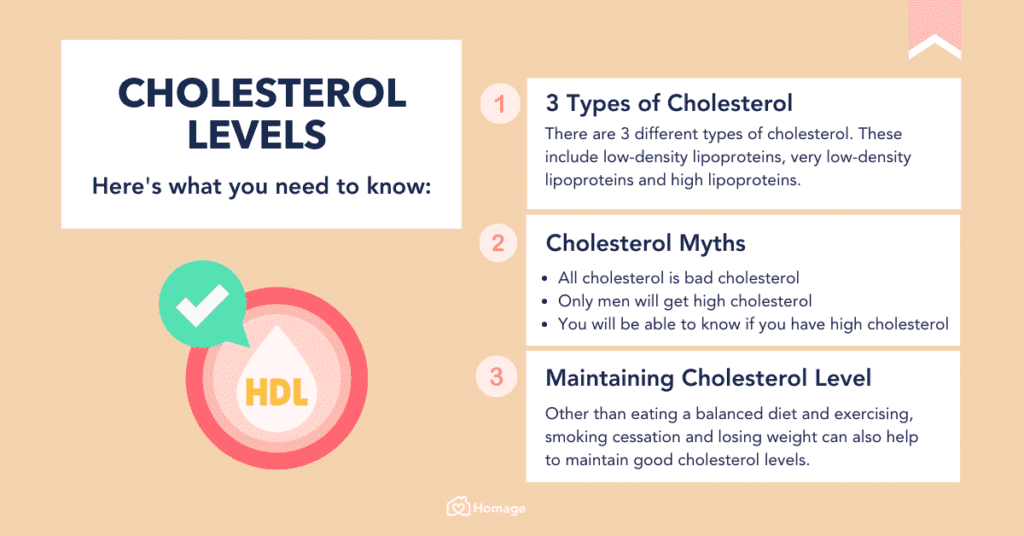
Cholesterol is a type of lipid that is produced by your liver and can also be found in certain foods. There are two main types of cholesterol: low-density lipoproteins (LDL) and high-density lipoproteins (HDL). LDL cholesterol is often referred to as “bad” cholesterol because it can build up in your arteries, forming plaque that can impede blood flow. HDL cholesterol, on the other hand, is often called “good” cholesterol because it helps remove LDL cholesterol from your arteries.
Types of cholesterol
While LDL and HDL are the primary types of cholesterol, there are also triglycerides, another type of fat found in your blood. High levels of triglycerides can also contribute to heart disease. It’s important to maintain a healthy balance of these different types of cholesterol to promote overall cardiovascular health.
The impact of high cholesterol on health
When you have high levels of LDL cholesterol and/or triglycerides, it can lead to the formation of plaque in your arteries. This can cause your arteries to narrow and harden, reducing blood flow and increasing the risk of heart attack and stroke. High cholesterol levels can also contribute to other cardiovascular problems and lead to the development of conditions such as atherosclerosis.
Key Vitamins for Maintaining Healthy Cholesterol Levels
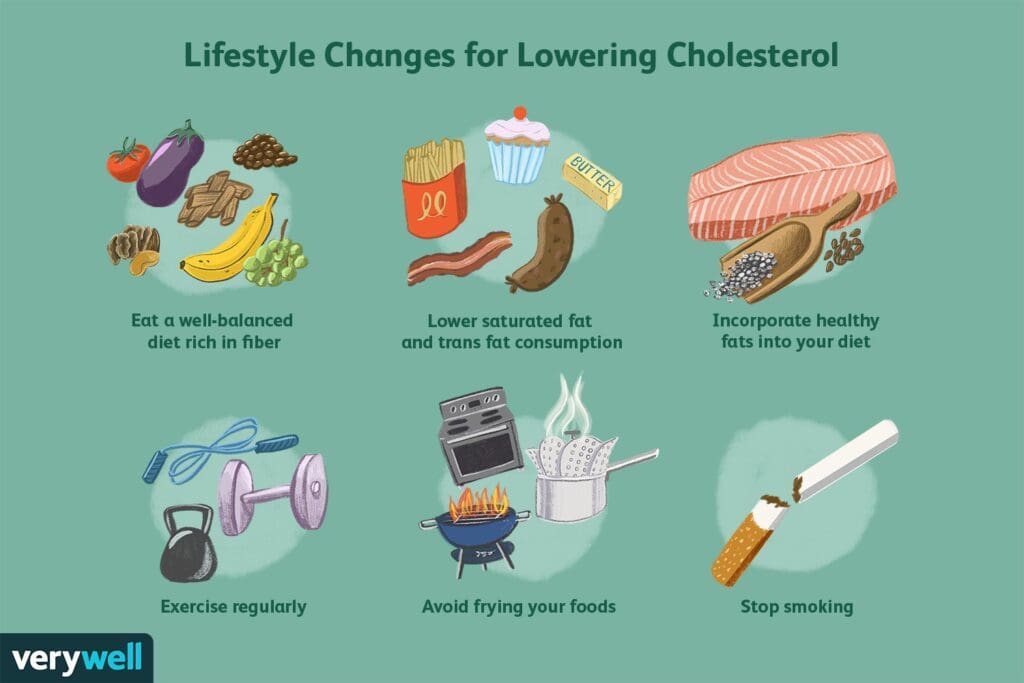
Vitamins play a vital role in maintaining healthy cholesterol levels and promoting overall cardiovascular health. Let’s explore the key vitamins that can help you achieve optimal cholesterol levels.
Vitamin D
Vitamin D is not only essential for strong bones, but it also has a significant impact on cholesterol management. Research suggests that vitamin D can help lower LDL cholesterol levels and increase HDL cholesterol levels. It is recommended to get adequate sun exposure or consume vitamin D-rich foods like fatty fish, fortified dairy products, and egg yolks. If you have low vitamin D levels, your healthcare provider may recommend vitamin D supplements.
Vitamin E
Vitamin E is a potent antioxidant that can help prevent the oxidation of LDL cholesterol. Oxidized LDL cholesterol is more likely to contribute to the formation of plaque in your arteries. Incorporating vitamin E-rich foods into your diet, like nuts, seeds, and vegetable oils, can have a positive impact on your cholesterol levels. In some cases, your doctor may recommend vitamin E supplements, but it’s important to follow their guidance and avoid self-medication.
Vitamin C
Vitamin C is widely known for its immune-boosting properties, but it also has benefits for cholesterol management. Studies have shown that vitamin C can help increase HDL cholesterol levels and reduce LDL cholesterol and triglyceride levels. Including fruits and vegetables such as oranges, berries, kiwi, and bell peppers in your diet can help you meet your daily vitamin C requirements. If you are unable to consume enough vitamin C through diet alone, your doctor may suggest taking vitamin C supplements.
Vitamin B3 (Niacin)
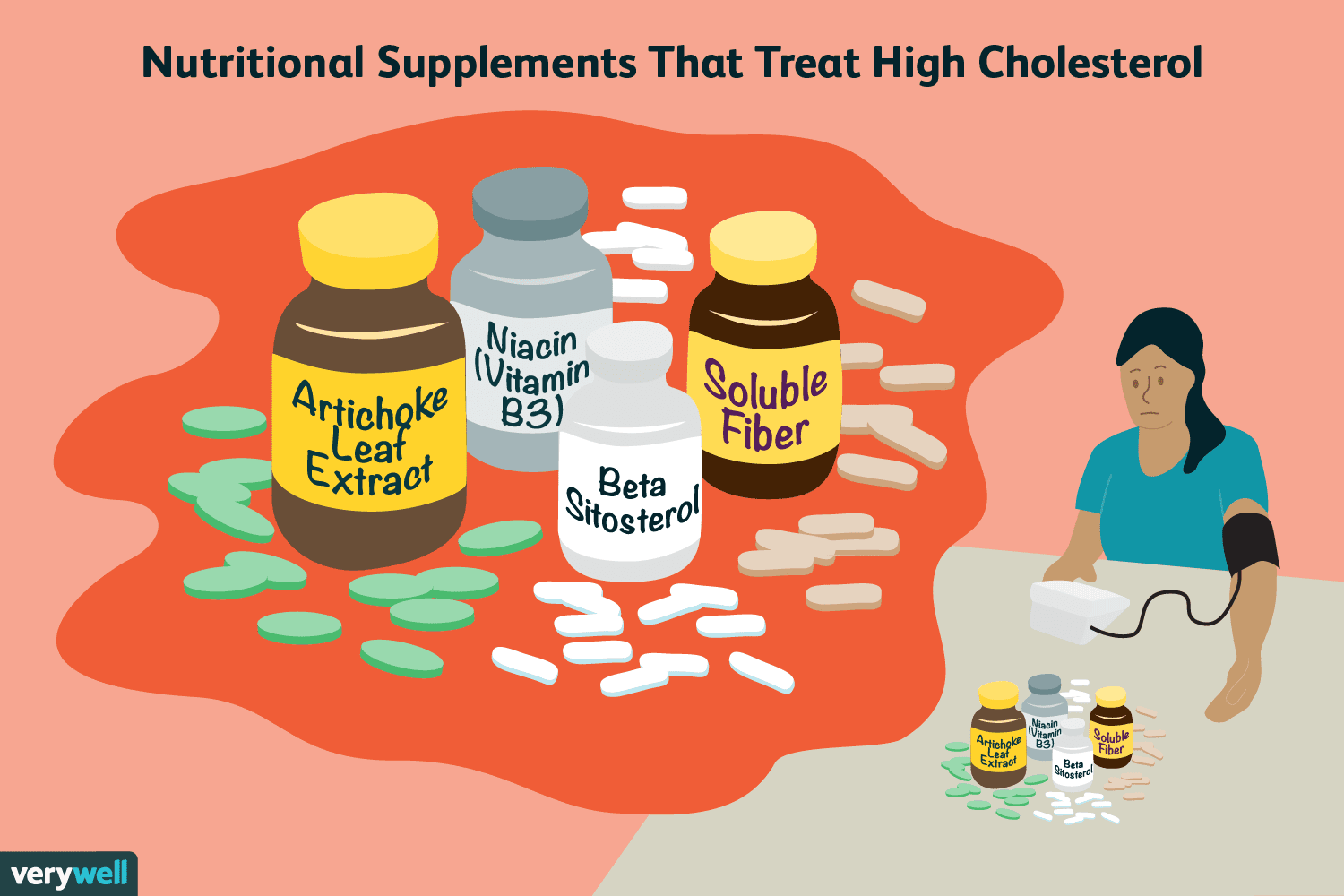
Niacin, also known as vitamin B3, can have a significant impact on lowering LDL cholesterol levels and increasing HDL cholesterol levels. This essential vitamin can help reduce the production of LDL cholesterol and increase the activity of enzymes that break down triglycerides. Niacin can be found in various foods, including meat, poultry, fish, legumes, and enriched grains. In some cases, niacin supplements may be prescribed by your doctor to help manage cholesterol levels effectively.
Vitamin B6
Vitamin B6 plays a crucial role in cholesterol metabolism. It supports the conversion of homocysteine, an amino acid, into other substances that do not harm blood vessels. Foods like poultry, fish, bananas, spinach, and whole grains are good sources of vitamin B6. If you have a deficiency or require additional supplementation, consult your healthcare provider to determine the appropriate dosage for you.
Vitamin B9 (Folate)
Folate, also known as vitamin B9, is essential for the production of red blood cells and maintaining a healthy cardiovascular system. It is believed that folate helps regulate cholesterol levels by promoting the breakdown of homocysteine, a compound associated with an increased risk of cardiovascular disease. Excellent sources of folate include leafy green vegetables, citrus fruits, legumes, and fortified grains. In some cases, your doctor may recommend folic acid supplements to ensure you meet your daily requirements.
Vitamin B12
Vitamin B12 is known for its role in red blood cell production and nerve function, but it also plays a part in cholesterol management. Adequate levels of vitamin B12 can help optimize cholesterol synthesis and metabolism. Foods like meat, fish, poultry, eggs, and dairy products are rich sources of vitamin B12. If you are at risk of deficiency or have difficulty absorbing vitamin B12, your doctor may recommend supplements to maintain healthy cholesterol levels.
Vitamin K2
Vitamin K2 is less well-known than its counterparts, but it is equally important for maintaining healthy cholesterol levels. Research suggests that vitamin K2 helps prevent the calcification of arteries and promotes the transportation of calcium away from arterial walls. Good sources of vitamin K2 include fermented foods, dairy products, and certain types of meat. If you are concerned about your vitamin K2 intake, consult with your healthcare provider to determine if supplementation is necessary.
Coenzyme Q10 (CoQ10)
Coenzyme Q10, or CoQ10, is a naturally occurring compound that plays a vital role in energy production within our cells. It is also renowned for its antioxidant properties and its ability to support cardiovascular health. CoQ10 has been shown to reduce LDL cholesterol and triglyceride levels while increasing HDL cholesterol levels. However, it’s important to note that CoQ10 is primarily obtained through diet, with sources including fatty fish, organ meats, nuts, and seeds. In some cases, your doctor may recommend CoQ10 supplements to support healthy cholesterol levels.
The Role of Vitamin D in Cholesterol Management
How vitamin D affects cholesterol levels
Vitamin D can influence cholesterol levels by increasing the production of HDL cholesterol in the liver. HDL helps remove LDL cholesterol from the bloodstream, reducing the risk of plaque buildup in the arteries. Vitamin D may also decrease the production of certain enzymes involved in cholesterol synthesis, leading to lower LDL cholesterol levels overall.
Recommended daily intake
The recommended daily intake of vitamin D varies depending on age and health status. The National Institutes of Health (NIH) recommends a daily intake of 600-800 IU (International Units) for most adults. However, individuals with specific health conditions or those with limited sun exposure may require higher doses. It’s important to consult with your healthcare provider to determine the appropriate dosage for you.
Sources of vitamin D
The primary source of vitamin D is sunlight. When your skin is exposed to UVB rays, it triggers the production of vitamin D in your body. However, other sources include fatty fish like salmon and mackerel, fortified dairy products, egg yolks, and some mushrooms. Incorporating these foods into your diet can help ensure you meet your vitamin D needs.
Supplementing with vitamin D
If you are unable to meet your vitamin D requirements through sunlight and diet alone, your doctor may recommend vitamin D supplements. These supplements come in various forms, including capsules, tablets, and liquid. It’s important to follow your healthcare provider’s guidance and only take the recommended dosage as excessive vitamin D intake can have adverse effects on your health.
Benefits of Vitamin E in Cholesterol Regulation
Role of vitamin E in preventing LDL oxidation
Oxidized LDL cholesterol is more likely to contribute to the formation of plaque in your arteries. Vitamin E, a powerful antioxidant, helps protect LDL cholesterol from oxidation. By preventing oxidation, vitamin E can help maintain the health of your arteries and reduce the risk of cardiovascular disease.
Food sources rich in vitamin E
Incorporating foods rich in vitamin E into your diet can be beneficial for cholesterol regulation. Nuts and seeds, such as almonds, hazelnuts, and sunflower seeds, are excellent sources of vitamin E. Other sources include vegetable oils, such as sunflower, safflower, and wheat germ oil, as well as spinach and broccoli.
Proper dosage and supplementation
Most individuals can obtain adequate amounts of vitamin E through a balanced diet. The recommended daily allowance for vitamin E is 15 mg for adults. However, if you have a condition that affects fat absorption or if your doctor determines that you need additional vitamin E, they may recommend supplements. It’s essential to consult with your healthcare provider before initiating vitamin E supplementation to ensure it is appropriate for your specific needs.
Potential side effects
While vitamin E is generally safe for most people when taken within the recommended dosage, it is still possible to experience side effects. High doses of vitamin E can interfere with blood clotting, so individuals taking blood-thinning medications should exercise caution. It’s important to discuss any potential risks or interactions with your healthcare provider before starting vitamin E supplementation.
Vitamin C and its Impact on Cholesterol
Effects of vitamin C on cholesterol levels
Vitamin C has been associated with improved cholesterol levels, particularly in reducing LDL cholesterol and triglycerides. Studies have shown that vitamin C can help increase HDL cholesterol levels, which can further contribute to overall cardiovascular health.
Food sources high in vitamin C
Citrus fruits, such as oranges, grapefruits, and lemons, are well-known for their high vitamin C content. Other fruits, including strawberries, kiwi, and pineapple, are also excellent sources of this vitamin. Vegetables like bell peppers, broccoli, and Brussels sprouts are rich in vitamin C as well.
The need for supplementation
In most cases, a well-balanced diet can provide adequate vitamin C. However, if you have specific health conditions or requirements, your healthcare provider may recommend vitamin C supplements. These supplements are available in various forms, including tablets, capsules, and chewable tablets.
Dosage recommendations
The recommended daily intake of vitamin C for adults is 75-90 mg for women and 90-120 mg for men. It’s important to note that smokers may require higher doses of vitamin C due to increased oxidative stress. Your healthcare provider can guide you in determining the optimal dosage for your individual needs.
Niacin (Vitamin B3) and its Role in Lowering Cholesterol
How niacin affects cholesterol
Niacin, also known as vitamin B3, has been shown to lower LDL cholesterol levels and increase HDL cholesterol levels. It can reduce the production of LDL cholesterol while increasing the activity of enzymes that break down triglycerides.
Dietary sources of niacin
Niacin can be found in many food sources, including poultry, fish, lean meats, legumes, whole grains, and enriched grains. Incorporating these foods into your diet can help ensure you are getting sufficient amounts of niacin.
Niacin supplementation
In some cases, your healthcare provider may recommend niacin supplements to help manage your cholesterol levels effectively. Niacin supplements are available over-the-counter or as prescription formulations. It’s important to discuss with your doctor before starting niacin supplementation to determine the appropriate dosage for your specific needs.
Niacin dosage and side effects
The optimal dosage of niacin varies depending on individual needs and health conditions. Starting with a low dose and gradually increasing it can help minimize potential side effects such as flushing, itching, and gastrointestinal discomfort. Your healthcare provider will guide you in determining the appropriate dosage and monitor any adverse effects that may occur.
The Influence of Vitamin B6 on Cholesterol Metabolism
How vitamin B6 aids in cholesterol metabolism
Vitamin B6 is essential for cholesterol metabolism as it supports the conversion of homocysteine, an amino acid, into other substances that do not harm blood vessels. By promoting the breakdown of homocysteine, vitamin B6 helps maintain healthy cholesterol levels and supports overall cardiovascular health.
Food sources rich in vitamin B6
Excellent dietary sources of vitamin B6 include poultry, fish, bananas, spinach, potatoes, and whole grains. By incorporating these foods into your diet, you can ensure you are getting adequate amounts of vitamin B6 to support healthy cholesterol metabolism.
Supplementing with vitamin B6
While most individuals can meet their vitamin B6 requirements through diet alone, supplementation may be necessary for those with specific dietary restrictions or health conditions. Your healthcare provider can assess your individual needs and recommend appropriate vitamin B6 supplementation if necessary.
Recommended daily intake
The recommended daily intake of vitamin B6 varies based on age and gender. For most adults, the recommended intake ranges from 1.3-1.7 mg per day. It’s important to discuss your specific needs with your healthcare provider to determine the appropriate daily intake for you.
Folate (Vitamin B9) and its Impact on Cholesterol Levels
The relationship between folate and cholesterol
Folate, also known as vitamin B9, is essential for the production of red blood cells and maintaining a healthy cardiovascular system. It is believed that folate helps regulate cholesterol levels by promoting the breakdown of homocysteine, a compound associated with an increased risk of cardiovascular disease.
Sources of folate in the diet
Folate is naturally found in various foods, such as leafy green vegetables (spinach, kale), citrus fruits, legumes (beans, lentils), and fortified grains. Including these foods in your diet can help ensure you are getting an adequate amount of folate to support healthy cholesterol levels.
Folic acid supplementation
In some cases, individuals may require folic acid supplementation to meet their dietary needs for folate. Folic acid supplements are available over-the-counter and by prescription. It’s important to discuss with your healthcare provider whether supplementation is necessary for you and to determine the appropriate dosage.
Dosage and safety considerations
The recommended daily intake of folate varies depending on age, gender, and specific health conditions. For most adults, the recommended intake ranges from 400-800 mcg per day. It’s crucial to follow your healthcare provider’s guidance and avoid self-medication to ensure you are taking the appropriate dosage for your individual needs.
Vitamin B12 for Healthy Cholesterol Levels
Role of vitamin B12 in cholesterol management
Vitamin B12 plays a crucial role in red blood cell production and nerve function, but it also contributes to cholesterol management. Adequate levels of vitamin B12 help optimize cholesterol synthesis and metabolism, promoting overall cardiovascular health.
Food sources of vitamin B12
Animal-based foods are the primary dietary source of vitamin B12. These include meat, fish, poultry, eggs, and dairy products. If you follow a vegetarian or vegan diet, it’s important to ensure you are consuming fortified foods or considering vitamin B12 supplements to meet your dietary requirements.
Vitamin B12 supplementation
If you have dietary restrictions or limitations that prevent you from obtaining adequate vitamin B12 through your diet, your healthcare provider may recommend vitamin B12 supplements. These supplements are available in various forms, including tablets, capsules, and injections, and can help maintain healthy cholesterol levels.
Recommended daily intake
The recommended daily intake of vitamin B12 varies based on age, gender, and specific health conditions. For most adults, the recommended intake is 2.4 mcg per day. It’s important to consult with your healthcare provider to determine the optimal daily intake for your individual needs.
Coenzyme Q10 (CoQ10) as a Supplement for Cholesterol Control
CoQ10’s role in cholesterol management
Coenzyme Q10, or CoQ10, is a naturally occurring compound that plays a vital role in energy production within our cells. It is also renowned for its antioxidant properties and its ability to support cardiovascular health. CoQ10 has been shown to reduce LDL cholesterol and triglyceride levels while increasing HDL cholesterol levels, supporting overall cholesterol control.
Natural sources of CoQ10
While CoQ10 can be obtained through dietary sources, they are relatively limited. Fatty fish such as salmon and mackerel, organ meats, nuts, and seeds are among the natural sources of CoQ10. However, these sources may not provide sufficient amounts for therapeutic benefits.
Supplementing with CoQ10
Due to the limited food sources and varying dietary needs, CoQ10 supplements can be a practical option for ensuring optimal CoQ10 levels. These supplements come in different forms, including capsules, tablets, and liquid, and are available over-the-counter.
Appropriate dosage and potential side effects
The optimal dosage of CoQ10 varies depending on individual needs and health conditions. It’s important to follow your healthcare provider’s guidance and take only the recommended dosage. In some cases, high doses of CoQ10 may cause mild side effects such as upset stomach, diarrhea, and skin rashes. If you experience any adverse effects, consult your healthcare provider for further guidance.