

In this article, we will explore the potential impact of cholesterol-lowering vitamins on a condition known as familial hypercholesterolemia. This inherited disorder causes elevated levels of cholesterol in the blood and can increase the risk of heart disease. By examining the role of vitamins in managing cholesterol levels and their potential benefits for individuals with familial hypercholesterolemia, we hope to shed light on a possible avenue for improving the health outcomes of those affected by this condition. So, let’s dive into this fascinating topic and discover how cholesterol-lowering vitamins could make a difference for individuals with familial hypercholesterolemia.
Understanding Familial Hypercholesterolemia
Definition and characteristics of familial hypercholesterolemia
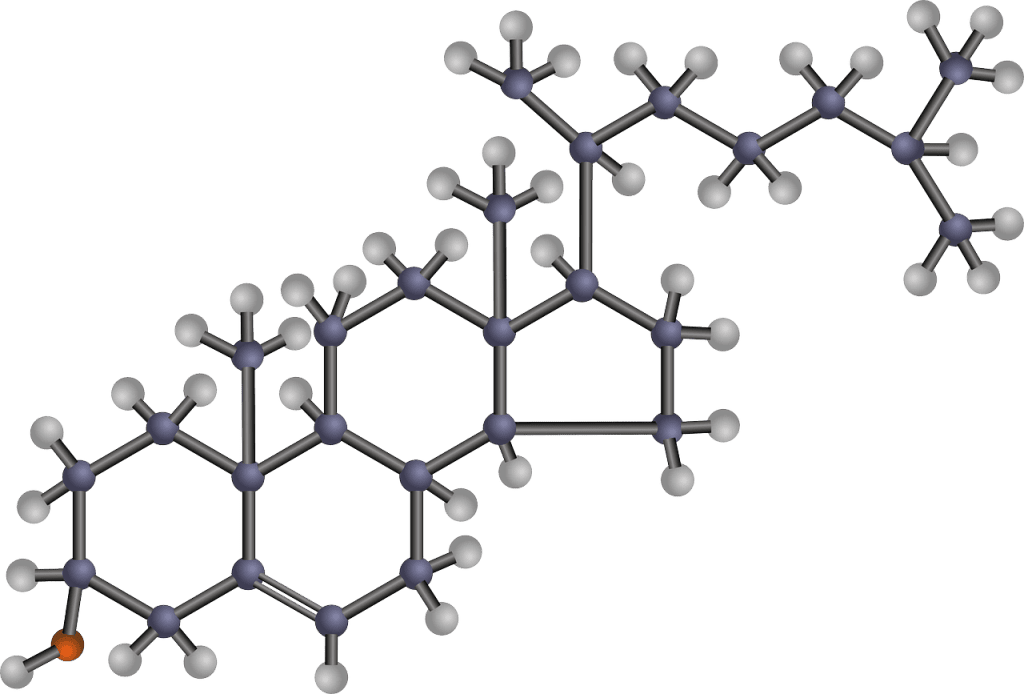
Familial hypercholesterolemia (FH) is a genetic disorder characterized by elevated levels of low-density lipoprotein cholesterol (LDL-C) in the blood. It is caused by a mutation in one or more genes responsible for the regulation of cholesterol metabolism. This condition is inherited in an autosomal dominant pattern, meaning that an affected individual has a 50% chance of passing on the condition to each of their children. FH is often associated with atherosclerotic cardiovascular disease and an increased risk of premature heart attacks and strokes.
Inheritance patterns and prevalence of the condition
FH is mainly inherited from one or both parents who carry the genetic mutation. In this autosomal dominant disorder, only one copy of the mutated gene is sufficient for the individual to develop FH. However, the severity of the condition can vary depending on the specific gene mutation and the number of affected family members. The prevalence of FH is estimated to be around 1 in 250 individuals worldwide, making it one of the most common genetic disorders affecting cholesterol metabolism.
Role of Cholesterol in the Body
Understanding cholesterol and its importance
Cholesterol is a vital substance found in every cell of the body. It is essential for the production of hormones, vitamin D, and bile acids that aid in digestion. Cholesterol is transported through the bloodstream in lipoproteins, with low-density lipoprotein (LDL) being commonly referred to as “bad” cholesterol due to its role in plaque formation in the arteries. High-density lipoprotein (HDL), often known as “good” cholesterol, helps remove excess cholesterol from the bloodstream, reducing the risk of cardiovascular disease.
Different types of cholesterol and their effects on health
Apart from LDL and HDL, there are other important cholesterol measurements that help assess an individual’s cardiovascular risk. Total cholesterol is the sum of LDL, HDL, and very-low-density lipoprotein (VLDL) cholesterol. Triglycerides, another form of fat found in the blood, also contribute to the total cholesterol levels. Maintaining a balanced cholesterol profile with lower LDL and higher HDL levels is crucial for maintaining heart health and preventing the development of atherosclerosis.

Cholesterol-Lowering Vitamins
Overview of vitamins commonly used for cholesterol reduction
Several vitamins have been studied for their potential to lower cholesterol levels:
-
Vitamin C: Known for its antioxidant properties, vitamin C may protect LDL cholesterol from oxidative damage and reduce its harmful effects.
-
Vitamin E: Another powerful antioxidant, vitamin E has been shown to inhibit LDL oxidation, potentially decreasing the risk of atherosclerosis.
-
Vitamin B3 (niacin): Niacin can lower LDL cholesterol, increase HDL cholesterol, and reduce triglyceride levels in the blood.
-
Vitamin D: This vitamin plays a crucial role in regulating cholesterol metabolism, and deficiency has been associated with adverse lipid profiles.
Mechanisms of action of these vitamins in cholesterol metabolism
The cholesterol-lowering effects of these vitamins can be attributed to various mechanisms. Vitamin C scavenges free radicals, preventing LDL oxidation and plaque formation. Vitamin E works similarly by protecting against oxidative stress and inhibiting the development of foam cells, which contribute to the formation of arterial plaques. Niacin enhances the breakdown of LDL cholesterol, inhibits its synthesis, and promotes the production of HDL cholesterol. Vitamin D regulates the expression of genes involved in cholesterol synthesis and transport, influencing overall lipid metabolism.
Potential Benefits of Cholesterol-Lowering Vitamins
Evidence supporting the use of vitamins in reducing cholesterol levels
Several studies have investigated the impact of cholesterol-lowering vitamins on individuals with FH. These studies have shown promising results, indicating that certain vitamins can effectively reduce LDL cholesterol levels. Vitamin C supplementation has demonstrated modest reductions in LDL cholesterol levels. Vitamin E has also shown potential in decreasing LDL oxidation and improving lipid profiles. Niacin is well-established as a treatment for high cholesterol and has been consistently shown to decrease LDL cholesterol while increasing HDL cholesterol levels.
Effects on lipid profiles and cardiovascular risk factors in familial hypercholesterolemia
In individuals with FH, high LDL cholesterol levels are a major contributing factor to the development of atherosclerosis. By effectively lowering LDL cholesterol, cholesterol-lowering vitamins may help reduce the risk of cardiovascular events in these individuals. Studies have reported improvements in lipid profiles, including reductions in LDL cholesterol and triglyceride levels, as well as increases in HDL cholesterol levels. These changes in lipid profiles are associated with a decreased risk of coronary heart disease and other cardiovascular complications.

Vitamin Dosages and Supplementation
Recommended dosages of cholesterol-lowering vitamins
The recommended dosages of cholesterol-lowering vitamins may vary depending on individual needs and health conditions. However, general guidelines suggest the following:
-
Vitamin C: The recommended daily dosage of vitamin C for adults is typically between 75-90 mg. Higher dosages, up to 1000 mg, may be used for therapeutic purposes.
-
Vitamin E: The recommended daily dosage of vitamin E for adults is around 15 mg. Higher dosages may be recommended for individuals with specific conditions.
-
Niacin: Niacin is available in different forms, including immediate-release and extended-release formulations. Dosages range from 500 mg to 3000 mg per day, divided into multiple doses, with the guidance of a healthcare professional.
-
Vitamin D: The recommended daily dosage of vitamin D varies depending on factors such as age, sun exposure, and individual needs. The Institute of Medicine recommends a daily intake of 600-800 IU for most individuals.
Duration of supplementation and potential side effects
The duration of vitamin supplementation may vary depending on the individual’s response and the specific goals of treatment. In most cases, cholesterol-lowering vitamins are used as long-term therapies to maintain optimal cholesterol levels. However, it is essential to consult with a healthcare professional to determine the most appropriate duration for an individual’s specific needs.
While cholesterol-lowering vitamins are generally safe when taken at recommended dosages, side effects can occur. Vitamin C is usually well-tolerated, but higher dosages may cause gastrointestinal disturbances. Vitamin E may increase the risk of bleeding in individuals taking anticoagulant medications. Niacin can cause flushing, itching, and liver abnormalities at higher dosages. Vitamin D toxicity is rare but can occur with excessive supplementation, leading to high levels of calcium in the blood.
Interaction with Medications
Potential interactions between cholesterol-lowering vitamins and conventional medications
It is important to consider potential interactions between cholesterol-lowering vitamins and conventional medications. For example, vitamin E may interact with certain blood-thinning medications, increasing the risk of bleeding. Niacin can interact with diabetes medications and certain blood pressure medications, requiring close monitoring and potential dosage adjustments. Vitamin D supplementation may need to be reconsidered for individuals taking medications that affect calcium levels, such as certain diuretics or corticosteroids.
Consideration of co-administration and dosage adjustments
When combining cholesterol-lowering vitamins with conventional medications, it is crucial to consult with a healthcare professional. They can assess potential interactions and determine appropriate dosages to optimize the benefits while minimizing the risks. Co-administration of vitamins and medications may require dosage adjustments to maintain therapeutic effectiveness while avoiding adverse effects.
Clinical Studies and Research Findings
Overview of key studies investigating the impact of cholesterol-lowering vitamins on familial hypercholesterolemia
Numerous clinical studies have evaluated the impact of cholesterol-lowering vitamins on individuals with FH. These studies have explored the effects of vitamins C, E, B3, and D on lipid profiles, cardiovascular risk factors, and disease progression. Researchers have assessed the efficacy of these vitamins as monotherapy or in combination with other cholesterol-lowering treatments, such as statins.
Summary of findings and limitations
The findings of clinical studies suggest that cholesterol-lowering vitamins can have a positive impact on lipid profiles in individuals with FH. Vitamin C and vitamin E have shown modest reductions in LDL cholesterol levels and improvements in overall lipid profiles. Niacin has consistently demonstrated its ability to decrease LDL cholesterol levels while increasing HDL cholesterol. Studies investigating the role of vitamin D in FH have reported mixed results, highlighting the need for further research.
However, it is important to acknowledge the limitations of these studies. Many of them have been relatively small-scale and have diverse methodologies, making it difficult to draw definitive conclusions. Additionally, some studies have focused on specific populations, limiting the generalizability of their findings. Further research with larger sample sizes and standardized protocols is needed to establish the true efficacy of cholesterol-lowering vitamins in FH management.
Other Lifestyle Interventions for Familial Hypercholesterolemia
Importance of a well-rounded approach to managing familial hypercholesterolemia
While cholesterol-lowering vitamins show promise in reducing LDL cholesterol levels, they should not be seen as the sole solution for managing FH. A comprehensive approach that includes various lifestyle interventions is essential for optimizing cardiovascular health in individuals with FH. These interventions can include dietary modifications, regular physical activity, weight management, smoking cessation, and stress management.
Dietary modifications, physical activity, and other lifestyle changes
Adopting a heart-healthy diet low in saturated fats, trans fats, and cholesterol is crucial for individuals with FH. Increasing the intake of fruits, vegetables, whole grains, and lean protein sources can help improve lipid profiles and reduce the risk of cardiovascular events. Regular physical activity, such as aerobic exercises and strength training, can also contribute to lower cholesterol levels and overall cardiovascular fitness. Quitting smoking and managing stress levels are equally important in reducing the risk of cardiovascular complications.
Consultation with Healthcare Professionals
Importance of discussing the use of cholesterol-lowering vitamins with a healthcare provider
Before starting any cholesterol-lowering vitamin supplementation, it is important to consult with a healthcare professional. They can evaluate an individual’s specific health needs, assess potential risks and benefits, and provide personalized recommendations. Healthcare professionals can also provide guidance on appropriate dosages, duration of supplementation, and potential interactions with other medications.
Considering individual characteristics, risks, and benefits
Individual characteristics, such as age, overall health, and existing medical conditions, should be taken into account when considering cholesterol-lowering vitamin supplementation. The potential risks and benefits must be carefully weighed, especially in individuals with comorbidities or taking other medications. A healthcare professional can provide personalized advice based on an individual’s unique circumstances, optimizing the use of cholesterol-lowering vitamins for the management of FH.
Conclusion
In conclusion, cholesterol-lowering vitamins show promise in reducing LDL cholesterol levels and improving lipid profiles in individuals with familial hypercholesterolemia. Vitamins C, E, B3, and D have been studied for their potential role in regulating cholesterol metabolism and preventing cardiovascular complications. However, further research is needed to establish the true efficacy of these vitamins and determine optimal dosages and duration of supplementation.
While cholesterol-lowering vitamins can have a positive impact, they should complement a comprehensive approach to managing familial hypercholesterolemia. Lifestyle interventions, including dietary modifications, regular physical activity, and other healthy habits, play a pivotal role in optimizing cardiovascular health. Consultation with a healthcare professional is crucial in determining the most appropriate treatment plan, considering individual characteristics, risks, and benefits. Future research and clinical practice should continue to explore the potential of cholesterol-lowering vitamins in improving outcomes for individuals with FH.