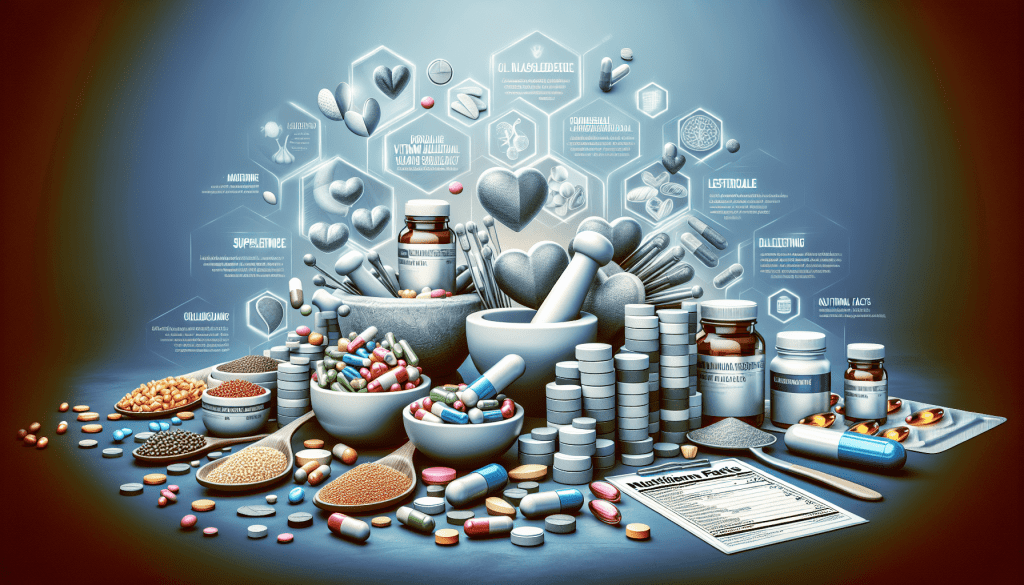
Whether you’re actively managing your cholesterol levels or simply looking to maintain a healthy heart, finding the right vitamin supplements can make all the difference. In this article, discover the most popular vitamin supplements that are specially formulated to help manage cholesterol. From Omega-3 fatty acids to soluble fiber, we’ll explore the science behind these supplements and how they can positively impact your cardiovascular health. So, make the smart choice for your heart and read on to find out which supplements are leading the way in cholesterol management.
1. Omega-3 Fatty Acids
a. Introduction to Omega-3 Fatty Acids
Omega-3 fatty acids are a type of polyunsaturated fat that are essential for our overall health. They play a crucial role in maintaining our heart health and reducing the risk of cholesterol-related problems. Omega-3 fatty acids are primarily found in fatty fish like salmon, mackerel, and tuna, as well as in flaxseeds and walnuts. However, it can be challenging to obtain enough omega-3 fatty acids through diet alone, which is why many people turn to supplements.
b. How Omega-3 Fatty Acids Help with Cholesterol Management
Omega-3 fatty acids have been extensively studied for their potential benefits in managing cholesterol levels. They have been shown to reduce the levels of triglycerides, a type of fat in the blood, which can contribute to high cholesterol. Omega-3s also have a positive effect on the ratio of HDL (good) cholesterol to LDL (bad) cholesterol, helping to maintain a healthy balance and reduce the risk of heart disease.
Additionally, omega-3 fatty acids have anti-inflammatory properties, which can help reduce inflammation in the arteries and improve overall cardiovascular health. Inflammation is a key factor in the development of plaque buildup in the arteries, which can lead to narrowed and blocked arteries, increasing the risk of heart attacks and strokes.
c. Popular Omega-3 Fatty Acid Supplements for Cholesterol Management
When it comes to omega-3 fatty acid supplements, there are several options available in the market. Fish oil supplements are the most common and widely used source of omega-3 fatty acids. They are typically derived from fatty fish like salmon, and you can find them in various forms such as capsules, gummies, or liquid.
Another popular option is krill oil, which is extracted from tiny shrimp-like creatures found in the deep oceans. Krill oil is rich in omega-3 fatty acids and contains a powerful antioxidant called astaxanthin, which provides additional health benefits.
For those who follow a vegetarian or vegan diet, there are also plant-based omega-3 supplements available. These supplements are usually derived from algae and provide a sustainable and cruelty-free source of omega-3 fatty acids.
2. Coenzyme Q10
a. Introduction to Coenzyme Q10
Coenzyme Q10 (CoQ10) is a naturally occurring compound that is found in every cell of our body. It plays a vital role in producing energy and acts as a powerful antioxidant. While our bodies can produce CoQ10, its levels tend to decrease with age. CoQ10 is not only beneficial for energy production but also for managing cholesterol levels.
b. How Coenzyme Q10 Helps with Cholesterol Management
CoQ10 has been shown to have a positive impact on cholesterol management. It works by inhibiting the oxidation of LDL cholesterol, which is a crucial step in the development of plaque in the arteries. By reducing LDL oxidation, CoQ10 helps to keep the arteries clear and prevents the buildup of plaque.
Additionally, CoQ10 has been found to increase the levels of HDL cholesterol, which helps in removing excess cholesterol from the bloodstream and transporting it back to the liver for disposal. This mechanism contributes to maintaining a healthy cholesterol balance and reducing the risk of heart disease.
c. Popular Coenzyme Q10 Supplements for Cholesterol Management
Coenzyme Q10 supplements are available in various forms, including capsules, softgels, and chewable tablets. They are typically taken orally and can be found in different strengths to meet individual needs. It’s worth noting that the absorption of CoQ10 can be affected by the presence of fat, so it is often recommended to take it with a meal or a source of dietary fat for better absorption.
It’s important to choose a reputable brand when purchasing CoQ10 supplements to ensure quality and potency. Look for supplements that are labeled as “USP Verified” or have undergone third-party testing to guarantee the product meets the highest standards of quality and purity.
3. Garlic Extract
a. Introduction to Garlic Extract
Garlic extract is derived from garlic, a widely used ingredient in cooking and traditional medicine. It has been used for centuries due to its various health benefits, including its potential in managing cholesterol levels. Garlic extract contains active compounds like allicin, which are responsible for its therapeutic properties.
b. How Garlic Extract Helps with Cholesterol Management
Garlic extract has been studied extensively for its potential to lower cholesterol levels. It has been found to reduce total cholesterol levels, including LDL cholesterol, and increase HDL cholesterol levels. The active compounds in garlic extract are believed to inhibit cholesterol synthesis in the liver, leading to a decrease in cholesterol production.
Additionally, garlic extract has been shown to have anti-inflammatory and antioxidant properties, which can help protect the cardiovascular system and reduce the risk of heart disease. It may also help improve blood circulation and prevent the formation of blood clots, further contributing to overall heart health.
c. Popular Garlic Extract Supplements for Cholesterol Management
Garlic extract supplements come in various forms, including capsules, tablets, and liquid extracts. They are a convenient and concentrated way to incorporate the health benefits of garlic into your daily routine without the strong taste and odor associated with raw garlic.
When choosing a garlic extract supplement, look for standardized extracts that ensure consistent levels of active compounds, such as allicin. It’s also essential to check for quality certifications to ensure that the supplement is free from contaminants and meets safety standards.
4. Plant Sterols
a. Introduction to Plant Sterols
Plant sterols, also known as phytosterols, are naturally occurring compounds found in plant-based foods. They have a similar structure to cholesterol and can help lower cholesterol levels by reducing the absorption of dietary cholesterol in the intestines. Plant sterols have been shown to have a cholesterol-lowering effect and are widely used in functional foods and supplements.
b. How Plant Sterols Help with Cholesterol Management
Plant sterols work by competing with cholesterol for absorption in the intestines. When consumed in adequate amounts, they can block the absorption of dietary cholesterol, leading to lower levels of LDL cholesterol. Plant sterols do not affect the absorption of essential nutrients and have been found to be safe for long-term use.
Studies have shown that consuming plant sterols on a regular basis can lower LDL cholesterol levels by an average of 10%. This reduction is significant and can contribute to a decreased risk of heart disease and other cholesterol-related issues.
c. Popular Plant Sterol Supplements for Cholesterol Management
Plant sterol supplements are available in various forms, including capsules, tablets, and fortified foods. They are often recommended to be taken with meals to maximize their cholesterol-lowering effects. Plant sterol supplements are a convenient way to ensure an adequate intake of these beneficial compounds, especially for individuals who may struggle to incorporate enough plant sterols into their diet.
Look for plant sterol supplements that are standardized and clinically tested to ensure their effectiveness. It’s also important to follow the recommended dosage and consult with a healthcare professional before starting any new supplement regimen.

5. Niacin
a. Introduction to Niacin
Niacin, also known as vitamin B3, is a water-soluble vitamin that plays a crucial role in energy metabolism and the maintenance of a healthy nervous system. In recent years, niacin has gained attention for its potential to improve cholesterol levels and reduce the risk of heart disease.
b. How Niacin Helps with Cholesterol Management
Niacin has been found to have several effects on cholesterol management. It can raise HDL cholesterol levels, which helps remove excess cholesterol from the bloodstream and reduce the risk of plaque buildup. Niacin also lowers levels of triglycerides, a type of fat in the blood that can contribute to high cholesterol.
Furthermore, niacin has the unique ability to modify the distribution of LDL cholesterol particles, shifting them towards larger, less harmful particles. This change in LDL particle size helps reduce the risk of plaque formation and improves overall cardiovascular health.
c. Popular Niacin Supplements for Cholesterol Management
Niacin supplements are available in both immediate-release and extended-release formulations. Immediate-release niacin is typically used to address specific cholesterol issues, while extended-release niacin is often prescribed for long-term cholesterol management.
When considering niacin supplements, it’s crucial to consult with a healthcare professional, as niacin can interact with certain medications and may cause flushing, a common side effect characterized by redness and warmth in the face and neck. A healthcare professional can help determine the appropriate dosage and monitor any potential side effects.
6. Red Yeast Rice
a. Introduction to Red Yeast Rice
Red yeast rice is a fermented rice product that has been used in traditional Chinese medicine for centuries. It is produced by fermenting white rice with a type of yeast called Monascus purpureus. Red yeast rice contains naturally occurring compounds known as monacolins, including monacolin K, which is chemically identical to lovastatin, a commonly prescribed cholesterol-lowering medication.
b. How Red Yeast Rice Helps with Cholesterol Management
Red yeast rice has been shown to have cholesterol-lowering effects, primarily due to its monacolin content. Monacolins inhibit the production of cholesterol in the liver, leading to reduced LDL cholesterol levels. Red yeast rice is often used as an alternative or complement to prescription statin medications for individuals who prefer natural approaches to cholesterol management.
However, it’s important to note that red yeast rice supplements may vary in their monacolin content, and the levels of monacolins are not standardized. This lack of standardization can make it challenging to determine the exact dosage and effectiveness of red yeast rice supplements.
c. Popular Red Yeast Rice Supplements for Cholesterol Management
When choosing red yeast rice supplements, it’s crucial to select a reputable brand that ensures quality and safety. Look for products that undergo third-party testing to verify their monacolin content and ensure that they are free from contaminants.
It’s also important to discuss the use of red yeast rice supplements with a healthcare professional, especially if you are currently taking any cholesterol-lowering medications or have existing liver conditions. Red yeast rice can interact with certain medications and may affect liver function in some individuals, so a healthcare professional can help assess potential risks and benefits.

7. Green Tea Extract
a. Introduction to Green Tea Extract
Green tea extract is derived from the leaves of the Camellia sinensis plant and has been consumed for centuries for its health benefits. It contains various bioactive compounds, including catechins, which are potent antioxidants. Green tea extract has been studied for its potential in managing cholesterol levels and promoting heart health.
b. How Green Tea Extract Helps with Cholesterol Management
The catechins found in green tea extract have been shown to have cholesterol-lowering effects. They can inhibit the absorption of dietary cholesterol in the intestines, leading to lower levels of LDL cholesterol. Green tea extract also has anti-inflammatory properties, which can help reduce inflammation in the arteries and improve cardiovascular health.
Furthermore, green tea extract may help increase the activity of enzymes involved in the breakdown of fat, leading to decreased LDL cholesterol production. This mechanism can contribute to maintaining healthy cholesterol levels and reducing the risk of heart disease.
c. Popular Green Tea Extract Supplements for Cholesterol Management
Green tea extract supplements are available in various forms, including capsules, tablets, and liquid extracts. They offer a convenient way to incorporate the health benefits of green tea into your daily routine without having to consume multiple cups of brewed tea.
When choosing green tea extract supplements, look for standardized extracts that guarantee a consistent level of catechins, particularly the potent antioxidant epigallocatechin gallate (EGCG). It’s important to choose reputable brands that undergo third-party testing to ensure quality and purity.
8. Vitamin D
a. Introduction to Vitamin D
Vitamin D is a fat-soluble vitamin that plays a crucial role in maintaining bone health and supporting immune function. It also has potential benefits in cholesterol management and cardiovascular health.
b. How Vitamin D Helps with Cholesterol Management
Vitamin D has been found to have a positive impact on cholesterol management. It can help reduce levels of LDL cholesterol, particularly the small, dense LDL particles that are more likely to contribute to plaque formation. Vitamin D also has anti-inflammatory properties, which can help prevent the development of plaque in the arteries.
Additionally, vitamin D has been linked to improved insulin sensitivity, which can indirectly affect cholesterol levels. Insulin resistance is often associated with dyslipidemia, a condition characterized by abnormal levels of lipids in the bloodstream, including high levels of LDL cholesterol.
c. Popular Vitamin D Supplements for Cholesterol Management
Vitamin D supplements are available in various forms, including capsules, softgels, and liquid drops. It’s important to choose vitamin D3 (cholecalciferol), as it is the most biologically active form of vitamin D and is better absorbed by the body.
When considering vitamin D supplements, it’s crucial to have your blood levels of vitamin D tested to determine the appropriate dosage. Vitamin D requirements can vary among individuals, and excessive intake of vitamin D can be harmful. A healthcare professional can help determine the optimal dosage based on your specific needs.
9. Fiber Supplements
a. Introduction to Fiber Supplements
Fiber is an essential nutrient that supports digestive health and helps regulate cholesterol levels. While it’s best to obtain fiber from a balanced diet rich in fruits, vegetables, whole grains, and legumes, fiber supplements can be a convenient option for individuals who struggle to meet their daily fiber intake.
b. How Fiber Supplements Help with Cholesterol Management
Soluble fiber, a type of fiber that dissolves in water, has been found to have cholesterol-lowering effects. It works by binding to cholesterol in the intestines and preventing its absorption into the bloodstream. This mechanism leads to decreased levels of LDL cholesterol and improved overall cholesterol balance.
Fiber also helps promote a healthy gut microbiome, which can indirectly affect cholesterol metabolism. The gut microbiome plays a crucial role in various aspects of our health, including cholesterol metabolism and absorption. By nourishing the beneficial bacteria in the gut, fiber supplements can contribute to a healthier cholesterol profile.
c. Popular Fiber Supplements for Cholesterol Management
Fiber supplements are available in various forms, including powders, capsules, chewable tablets, and gummies. They can contain different types of fiber, such as psyllium, glucomannan, or inulin. It’s important to choose supplements that contain soluble fiber, as it has been shown to have the most significant impact on cholesterol levels.
When considering fiber supplements, start with a low dosage and gradually increase to the recommended dose to minimize digestive discomfort. It’s also crucial to drink plenty of water when taking fiber supplements, as they absorb water and need adequate hydration to work effectively.
10. B Vitamins
a. Introduction to B Vitamins
B vitamins are a group of water-soluble vitamins that play essential roles in various bodily functions, including energy metabolism, cell health, and DNA synthesis. Several B vitamins, including niacin, folate, and vitamin B6, have been studied for their potential benefits in managing cholesterol levels.
b. How B Vitamins Help with Cholesterol Management
Niacin, a type of B vitamin, has already been discussed for its cholesterol-lowering effects. In addition to niacin, folate and vitamin B6 have also been found to have positive impacts on cholesterol management.
Folate, also known as vitamin B9, has been shown to lower levels of homocysteine, an amino acid that is linked to an increased risk of heart disease. High homocysteine levels can promote plaque formation in the arteries, leading to narrowed and blocked blood vessels. By reducing homocysteine levels, folate helps maintain cardiovascular health and supports optimal cholesterol levels.
Vitamin B6, in combination with other B vitamins, helps convert the amino acid methionine into another amino acid called cysteine. This conversion process can help regulate cholesterol metabolism and prevent the buildup of LDL cholesterol.
c. Popular B Vitamin Supplements for Cholesterol Management
B vitamin supplements are available in various combinations and formulations. Some supplements specifically target cholesterol management and may contain higher amounts of niacin, folate, and vitamin B6.
It’s important to choose reputable brands when selecting B vitamin supplements to ensure quality and potency. Look for supplements that have undergone third-party testing and are labeled as meeting the highest standards of purity and quality control.
In conclusion, there are several popular vitamin supplements available that can aid in cholesterol management. Omega-3 fatty acids, coenzyme Q10, garlic extract, plant sterols, niacin, red yeast rice, green tea extract, vitamin D, fiber supplements, and B vitamins all have evidence supporting their potential benefits in improving cholesterol levels and reducing the risk of heart disease. However, it’s crucial to consult with a healthcare professional before starting any new supplement regimen, as they can provide personalized recommendations based on your individual needs and medical history. Remember that supplements should complement a healthy lifestyle, including a balanced diet and regular exercise, for optimal cholesterol management and overall well-being.