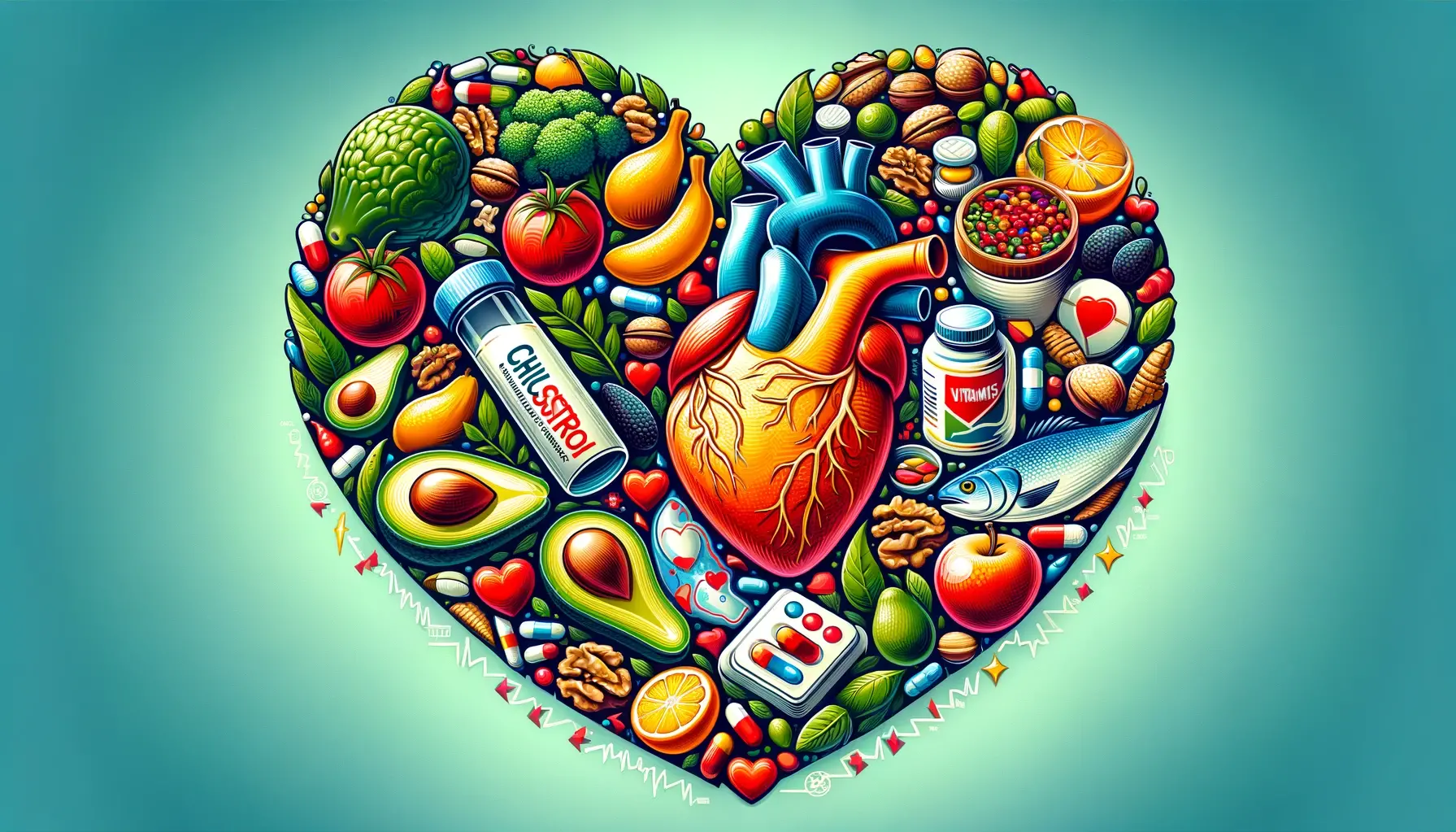
Did you know that vitamin E has the potential to affect your cholesterol levels? In recent studies, researchers have explored the impact that this essential vitamin can have on our overall heart health. From reducing LDL (the “bad” cholesterol) to increasing HDL (the “good” cholesterol), vitamin E seems to play a crucial role in maintaining healthy cholesterol levels. So, if you’re looking for a natural way to improve your heart health, incorporating more vitamin E-rich foods into your diet might just be the answer you’ve been waiting for.
What is cholesterol?
Cholesterol basics
Cholesterol is a waxy substance that is produced by the liver and also found in some foods. It is an essential component of cell membranes and plays a crucial role in the production of certain hormones and vitamin D. Cholesterol is transported in the body through lipoproteins, which are particles that carry cholesterol and other fats through the bloodstream.
Types of cholesterol
There are two main types of cholesterol: low-density lipoprotein (LDL) cholesterol, often referred to as “bad” cholesterol, and high-density lipoprotein (HDL) cholesterol, often referred to as “good” cholesterol. LDL cholesterol is responsible for transporting cholesterol from the liver to cells in various parts of the body. HDL cholesterol, on the other hand, helps remove excess cholesterol from the bloodstream and takes it back to the liver for disposal.
Understanding vitamin E
What is vitamin E?
Vitamin E is a fat-soluble vitamin that acts as an antioxidant in the body. Antioxidants help protect cells from damage caused by harmful molecules called free radicals. Vitamin E is composed of a group of compounds called tocopherols and tocotrienols, with alpha-tocopherol being the most biologically active form. It is essential for the normal functioning of the immune system, as well as the maintenance of healthy skin and eyes.
Sources of vitamin E
Vitamin E can be obtained from various food sources, including nuts (such as almonds, peanuts, and hazelnuts), seeds (such as sunflower seeds and pumpkin seeds), vegetable oils (such as sunflower oil and olive oil), and green leafy vegetables (such as spinach and broccoli). It can also be found in fortified cereals, fruit juices, and supplements.
Recommended daily intake of vitamin E
The recommended daily intake of vitamin E varies depending on age and gender. For adults, the recommended daily intake is 15 milligrams (or 22.4 international units) of alpha-tocopherol. However, it is important to note that excessive intake of vitamin E through supplements can have adverse effects, and it is always best to obtain nutrients from a balanced diet.
Effects of cholesterol on health
Role of cholesterol in the body
Cholesterol plays a vital role in the body, including the formation of cell membranes, the production of certain hormones (such as estrogen and testosterone), and the synthesis of vitamin D. It is necessary for the proper functioning of the nervous system and the production of bile acids, which aid in the digestion and absorption of dietary fats.
Good cholesterol vs. bad cholesterol
LDL cholesterol, also known as “bad” cholesterol, can lead to the accumulation of cholesterol in the arteries, which can contribute to the development of atherosclerosis and increase the risk of heart disease. On the other hand, HDL cholesterol, known as “good” cholesterol, helps remove excess cholesterol from the arteries and transport it back to the liver for disposal.
Health risks associated with high cholesterol
Elevated levels of LDL cholesterol and low levels of HDL cholesterol have been linked to an increased risk of developing cardiovascular diseases, such as coronary artery disease. When LDL cholesterol builds up in the arteries, it can form plaques that narrow the blood vessels, reducing blood flow and potentially leading to heart attacks or strokes. It is important to maintain healthy cholesterol levels to reduce the risk of these health complications.
The role of vitamin E in cholesterol metabolism
Vitamin E and cholesterol synthesis
Vitamin E has been found to play a role in the regulation of cholesterol synthesis in the body. Research suggests that vitamin E may help reduce the production of cholesterol by inhibiting the activity of an enzyme called HMG-CoA reductase, which is involved in the synthesis of cholesterol. By inhibiting this enzyme, vitamin E may help lower cholesterol levels in the body.
Vitamin E as an antioxidant
As an antioxidant, vitamin E can help protect LDL cholesterol from oxidation. Oxidized LDL cholesterol is more likely to contribute to the development of atherosclerosis, as it can promote inflammation and the buildup of plaques in the arteries. By reducing LDL cholesterol oxidation, vitamin E may help decrease the risk of cardiovascular diseases.
Vitamin E and LDL oxidation
Several studies have investigated the impact of vitamin E on the oxidation of LDL cholesterol. LDL oxidation is a crucial step in the development of atherosclerosis. While some studies have shown that vitamin E can reduce LDL oxidation, others have yielded conflicting results. Further research is needed to fully understand the effects of vitamin E on LDL oxidation and its potential role in preventing cardiovascular diseases.
Vitamin E and HDL function
Vitamin E has also been found to influence the function of HDL cholesterol. HDL cholesterol plays a crucial role in reverse cholesterol transport, which involves removing excess cholesterol from the arteries and transporting it back to the liver for disposal. Vitamin E may help enhance the antioxidant properties of HDL cholesterol, allowing it to better protect against LDL oxidation and contribute to the removal of cholesterol from the bloodstream.
Scientific studies on the impact of vitamin E on cholesterol levels
Study 1: The influence of vitamin E supplementation on cholesterol levels
A study published in the Journal of the American Medical Association examined the effects of vitamin E supplementation on cholesterol levels. The study included participants with high cholesterol levels who were randomly assigned to receive either vitamin E supplements or a placebo. After several months, the researchers observed a modest reduction in LDL cholesterol levels in the group that received vitamin E supplements. However, the study did not find a significant effect on HDL cholesterol levels.
Study 2: The effect of vitamin E on LDL cholesterol oxidation
Another study published in the journal Atherosclerosis investigated the impact of vitamin E supplementation on LDL cholesterol oxidation. The study involved participants with elevated LDL cholesterol levels who were given either vitamin E supplements or a placebo. The results showed that vitamin E supplementation significantly reduced LDL oxidation compared to the placebo group. This suggests that vitamin E may play a role in preventing the oxidation of LDL cholesterol.
Study 3: Vitamin E and HDL functionality
A study published in the Journal of Nutrition examined the effects of vitamin E on HDL cholesterol functionality. The study involved participants with metabolic syndrome, a condition characterized by a cluster of risk factors for cardiovascular disease, including high triglyceride levels and low HDL cholesterol levels. The findings indicated that vitamin E supplementation improved the antioxidant function of HDL cholesterol, potentially contributing to its protective effects against cardiovascular diseases.
Potential benefits of vitamin E on cholesterol levels
Lowering LDL cholesterol levels
Several studies suggest that vitamin E supplementation may help lower LDL cholesterol levels, particularly in individuals with high cholesterol levels. However, more research is needed to determine the optimal dosage and long-term effects of vitamin E supplementation on cholesterol management.
Preventing LDL cholesterol oxidation
Vitamin E’s antioxidant properties may help prevent the oxidation of LDL cholesterol, which is an important step in the development of atherosclerosis. By reducing LDL oxidation, vitamin E may contribute to the prevention of cardiovascular diseases.
Promoting HDL function
Research suggests that vitamin E supplementation can enhance the antioxidant properties of HDL cholesterol, potentially improving its ability to protect against LDL oxidation and promote reverse cholesterol transport. This emphasizes the importance of maintaining adequate vitamin E levels for optimal HDL function.
Recommended vitamin E intake for maintaining healthy cholesterol levels
Daily intake recommendations
The recommended daily intake of vitamin E for adults is 15 milligrams (or 22.4 international units) of alpha-tocopherol. This can be easily achieved through a balanced diet that includes vitamin E-rich foods. It is important to consult with a healthcare professional to determine the appropriate intake based on individual factors and health conditions.
Sources of vitamin E-rich foods
Vitamin E can be obtained from a variety of food sources, including nuts, seeds, vegetable oils, and green leafy vegetables. Almonds, sunflower seeds, and spinach are particularly good sources of vitamin E. Including these foods in your diet can help you meet your daily vitamin E requirements and support healthy cholesterol levels.
Safety and precautions when consuming vitamin E supplements
Possible side effects
While vitamin E supplementation is generally safe for most individuals when taken within the recommended daily intake, excessive doses can have side effects. High doses of vitamin E supplements may increase the risk of bleeding, particularly in individuals taking blood-thinning medications. It is essential to follow the recommended dosage and consult with a healthcare professional before starting any vitamin E supplementation regimen.
Interactions with medications
Vitamin E supplements may interact with certain medications, including blood-thinning medications and cholesterol-lowering drugs. It is crucial to consult with a healthcare professional if you are taking any medications to determine the potential interactions and ensure the safe use of vitamin E supplements.
Dosage considerations
When considering vitamin E supplementation, it is important to understand that more is not always better. Excessive intake of vitamin E through supplements may have adverse effects and is not recommended. Stick to the recommended daily intake and consider obtaining nutrients from a balanced diet rather than relying solely on supplements.

Incorporating vitamin E into a heart-healthy lifestyle
Dietary sources of vitamin E
To incorporate vitamin E into a heart-healthy lifestyle, focus on consuming foods that are rich in this essential nutrient. Include nuts, seeds, vegetable oils, and green leafy vegetables in your meals and snacks. This will not only provide you with vitamin E but also other beneficial nutrients that can support overall cardiovascular health.
Supplementation options
If you are unable to achieve adequate vitamin E intake through your diet alone, you may consider adding a vitamin E supplement to your routine. However, it is essential to consult with a healthcare professional before starting any supplementation to determine the appropriate dosage and ensure compatibility with any existing health conditions or medications.
Combined approach with lifestyle changes
Incorporating vitamin E into a heart-healthy lifestyle should be seen as part of a comprehensive approach to cardiovascular health. Remember to also focus on other lifestyle factors, such as regular physical activity, a balanced diet, quitting smoking, and managing stress. These lifestyle changes, combined with appropriate vitamin E intake, can have a positive impact on your cholesterol levels and overall cardiovascular health.
Conclusion
In conclusion, vitamin E plays a significant role in cholesterol metabolism and cardiovascular health. It helps regulate cholesterol synthesis, protects against LDL cholesterol oxidation, and supports the functionality of HDL cholesterol. Scientific studies have shown that vitamin E supplementation may lower LDL cholesterol levels, prevent LDL oxidation, and promote HDL function. However, it is important to consult with a healthcare professional before starting any supplementation and to focus on obtaining vitamin E from dietary sources whenever possible. By incorporating vitamin E into a heart-healthy lifestyle, you can support healthy cholesterol levels and reduce the risk of cardiovascular diseases. Remember to consult healthcare professionals to discuss your individual needs and develop a personalized plan for maintaining optimal cholesterol levels.