
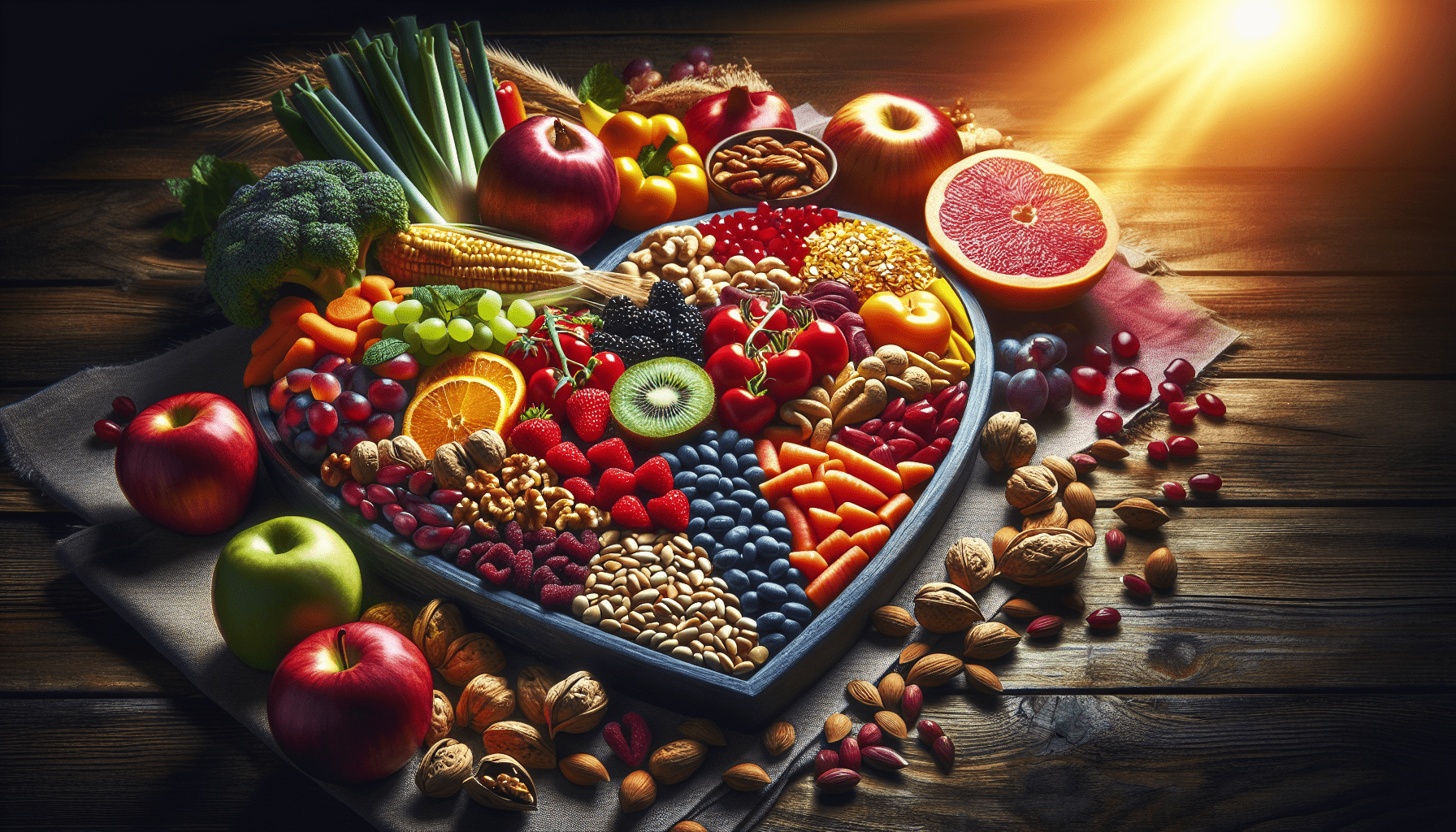
Are you looking for delicious and nutritious ways to lower your cholesterol levels? Look no further! In this article, we have compiled a list of the top 10 vitamin-rich foods that can help you in your journey towards healthier cholesterol levels. From vibrant fruits packed with antioxidants to leafy greens brimming with essential nutrients, these food options not only promote a well-balanced diet but also work towards reducing your cholesterol. So, grab a pen and paper, because we’re about to reveal the ultimate lineup of foods that will turn your health around!

Avocado
Avocado is not only a delicious addition to your meals, but it also provides numerous health benefits. One of the key reasons why avocados are beneficial for heart health is because they contain monounsaturated fats. These healthy fats help lower bad cholesterol levels, also known as LDL cholesterol. By incorporating avocados into your diet, you can help reduce the risk of heart disease by improving your cholesterol profile.
In addition to being a great source of healthy fats, avocados are also packed with vitamins. They are rich in vitamins K, C, E, and B-6, all of which are important for maintaining a healthy heart. Vitamin K is especially beneficial for heart health, as it helps prevent calcium buildup in the arteries. Vitamin C and E, on the other hand, act as antioxidants, protecting the cells of your heart from damage. Lastly, vitamin B-6 helps to regulate homocysteine levels, which, when elevated, can increase the risk of heart disease.
Another reason why avocados are a fantastic choice for heart health is because they are high in fiber. Fiber plays a crucial role in reducing cholesterol levels, particularly LDL cholesterol. By including avocados in your diet, you can increase your fiber intake and improve your cholesterol profile. So, next time you’re making a salad or preparing some guacamole, be sure to include a healthy serving of avocado!
Oats
Oats are a breakfast staple for many, and it turns out that they are incredibly beneficial for heart health. One of the key components of oats that makes them so heart-healthy is their high soluble fiber content. This type of fiber has been shown to effectively lower LDL cholesterol levels, also known as the “bad” cholesterol. By adding oats to your diet, you can help improve your cholesterol profile and reduce the risk of heart disease.
In addition to being a great source of fiber, oats also contain antioxidants and plant compounds that protect against heart disease. These compounds help to reduce inflammation and oxidative stress, both of which can contribute to the development of heart disease. Furthermore, oats are a good source of vitamins, minerals, and even protein. This makes them a nutritious addition to your diet, especially when it comes to supporting heart health.
Whether you enjoy a warm bowl of oatmeal in the morning or use oats to make a batch of homemade granola, incorporating this whole grain into your diet is a smart choice for your heart. So, next time you’re at the grocery store, be sure to pick up a bag of oats and start reaping the benefits for your heart health.
Salmon
Salmon is not only a delicious and versatile fish, but it is also incredibly beneficial for heart health. One of the main reasons why salmon is considered a heart-healthy food is because it is rich in omega-3 fatty acids. These healthy fats have been shown to reduce inflammation and lower cholesterol levels, including LDL cholesterol. By regularly including salmon in your diet, you can support your heart health and reduce the risk of heart disease.
In addition to being a great source of omega-3 fatty acids, salmon is also high in vitamins D and B-12. These vitamins play a crucial role in supporting heart health. Vitamin D helps to regulate blood pressure and can reduce the risk of heart disease. Vitamin B-12, on the other hand, helps to lower homocysteine levels, which can be a risk factor for heart disease. By enjoying a serving of salmon, you can ensure that you’re getting these essential vitamins for optimal heart health.
Furthermore, salmon is packed with protein and antioxidants, both of which are important for overall wellbeing. Protein is an essential nutrient that helps to repair and build tissues, including the tissues of the heart. Antioxidants, on the other hand, help to protect the cells of the heart from damage caused by oxidative stress. So, whether you’re grilling, baking, or poaching salmon, you can feel good knowing that you’re nourishing your heart with every bite.
Nuts
When it comes to heart-healthy snacks, nuts are definitely at the top of the list. Almonds, walnuts, and pistachios, in particular, have been shown to be particularly beneficial for heart health. These nuts are rich in monounsaturated fats, fiber, and plant sterols, all of which can help lower cholesterol levels, especially LDL cholesterol. By enjoying a handful of nuts as a snack, you can improve your cholesterol profile and reduce the risk of heart disease.
In addition to being a great source of healthy fats and fiber, nuts are also rich in vitamin E, magnesium, and antioxidants. Vitamin E is a powerful antioxidant that helps to protect the cells of your heart from damage caused by oxidative stress. Magnesium, on the other hand, plays a crucial role in maintaining a healthy heartbeat and regulating blood pressure. By incorporating nuts into your diet, you can ensure that you’re getting these important nutrients to support your heart health.
Whether you snack on almonds, walnuts, or pistachios, be sure to choose unsalted varieties to keep your sodium intake in check. Additionally, while nuts are a healthy addition to your diet, they are also calorie-dense, so be mindful of your portion sizes. Aim for a handful of nuts as a snack or as a topping for salads and oatmeal to reap the heart-healthy benefits without going overboard.

Green Leafy Vegetables
Green leafy vegetables like kale, spinach, and collard greens not only add vibrant color to your plate, but they also provide numerous health benefits, including support for heart health. One of the reasons why these vegetables are so beneficial for your heart is because they are packed with vitamins, minerals, and fiber. These nutrients work together to promote heart health and reduce the risk of heart disease.
Kale, spinach, and collard greens are particularly rich in vitamins, including vitamin K, C, and E. Vitamin K is especially important for heart health, as it helps to prevent calcium buildup in the arteries. Vitamin C and E, on the other hand, act as antioxidants, protecting the cells of your heart from damage. By incorporating these greens into your diet, you can ensure that you’re getting these important vitamins to support a healthy heart.
In addition to being rich in vitamins, green leafy vegetables are also a great source of fiber. Fiber plays a crucial role in reducing cholesterol levels, particularly LDL cholesterol. By including kale, spinach, or collard greens in your meals, you can increase your fiber intake and improve your cholesterol profile. These vegetables are incredibly versatile and can be enjoyed in salads, smoothies, stir-fries, or even as a base for wraps. So, next time you’re at the grocery store, be sure to pick up some leafy greens and start nourishing your heart.
Berries
Berries such as blueberries, strawberries, and raspberries are not only delicious but also incredibly beneficial for heart health. One of the reasons why berries are so good for your heart is because they are high in antioxidants. Antioxidants help to protect the cells of your heart from damage caused by oxidative stress, reducing the risk of heart disease. By regularly incorporating berries into your diet, you can support your heart health and enjoy a sweet and tangy treat.
In addition to being rich in antioxidants, berries are also packed with vitamins, minerals, and fiber. These nutrients work together to promote heart health. Vitamins and minerals such as vitamin C, potassium, and folate all play important roles in maintaining a healthy heart. Fiber, on the other hand, helps to reduce cholesterol levels, particularly LDL cholesterol. By enjoying a bowl of berries as a snack, topping for yogurt or oatmeal, or a refreshing addition to smoothies, you can reap the heart-healthy benefits of these tasty fruits.
Citrus Fruits
Citrus fruits like oranges, grapefruits, and lemons are not only refreshing, but they also provide numerous health benefits, particularly for heart health. One of the key reasons why citrus fruits are beneficial for your heart is because they are rich in vitamin C. Vitamin C is a powerful antioxidant that helps to protect the cells of your heart from damage. By regularly including citrus fruits in your diet, you can support your heart health and reduce the risk of heart disease.
In addition to being a great source of vitamin C, citrus fruits also provide soluble fiber and flavonoids. Soluble fiber helps to reduce cholesterol levels, particularly LDL cholesterol, while flavonoids assist in reducing inflammation and improving heart health. By enjoying a glass of fresh-squeezed orange juice, a grapefruit for breakfast, or a squeeze of lemon over your meals, you can incorporate these heart-healthy fruits into your diet.
Legumes
Beans, lentils, and chickpeas, also known as legumes, are not only affordable and versatile, but they are also excellent sources of soluble fiber. Soluble fiber plays a crucial role in reducing cholesterol levels, particularly LDL cholesterol. By including legumes in your diet, you can improve your cholesterol profile and support heart health.
In addition to being a great source of fiber, legumes are also rich in plant protein, minerals, and antioxidants. Protein is essential for repairing and building tissues, including the tissues of the heart. Minerals such as potassium and magnesium are important for maintaining a healthy heartbeat and regulating blood pressure. Antioxidants, on the other hand, help to protect the cells of the heart from damage caused by oxidative stress. By incorporating legumes into your meals, you can ensure that you’re getting these important nutrients for optimal heart health.
Whether you enjoy a hearty bowl of chili, a delicious lentil salad, or a creamy hummus dip, legumes are a nutritious addition to your diet. They are not only good for your heart but also for your overall health. So, next time you’re planning your meals, be sure to include legumes and reap the benefits for your heart health.
Garlic
Garlic is not only a flavorful addition to your meals, but it also provides numerous health benefits, particularly for your heart. One of the key components of garlic that makes it so beneficial for heart health is allicin, a compound that may lower cholesterol and blood pressure. By regularly including garlic in your diet, you can support your cardiovascular health and reduce the risk of heart disease.
In addition to its potential cholesterol-lowering effects, garlic also has antioxidant properties. These antioxidants help to protect the cells of your heart from damage caused by oxidative stress, reducing the risk of heart disease. By incorporating garlic into your cooking or enjoying it raw in salads or spreads, you can add a flavorful boost to your meals and support your heart health at the same time.
Dark Chocolate
Who says you can’t indulge in a sweet treat while still supporting your heart health? Dark chocolate is not only delicious but can also be an excellent choice when it comes to promoting heart health. One of the reasons why dark chocolate is considered heart-healthy is because it contains flavonoids. These compounds have been shown to promote heart health by improving blood flow, reducing inflammation, and preventing the formation of blood clots.
In addition to flavonoids, dark chocolate also contains antioxidants. Antioxidants help to protect the cells of your heart from damage caused by oxidative stress, reducing the risk of heart disease. Furthermore, dark chocolate has been found to raise HDL cholesterol levels, also known as the “good” cholesterol, and lower LDL cholesterol levels, the “bad” cholesterol. By enjoying a small piece of dark chocolate as a treat, you can satisfy your sweet tooth while supporting your heart health.
When choosing dark chocolate, be sure to opt for varieties that have a higher cocoa content, as this means they contain more flavonoids and antioxidants. However, it’s important to remember that dark chocolate is still a calorie-dense food, so be mindful of your portion sizes. A small square or two can be a delightful and heart-healthy indulgence.