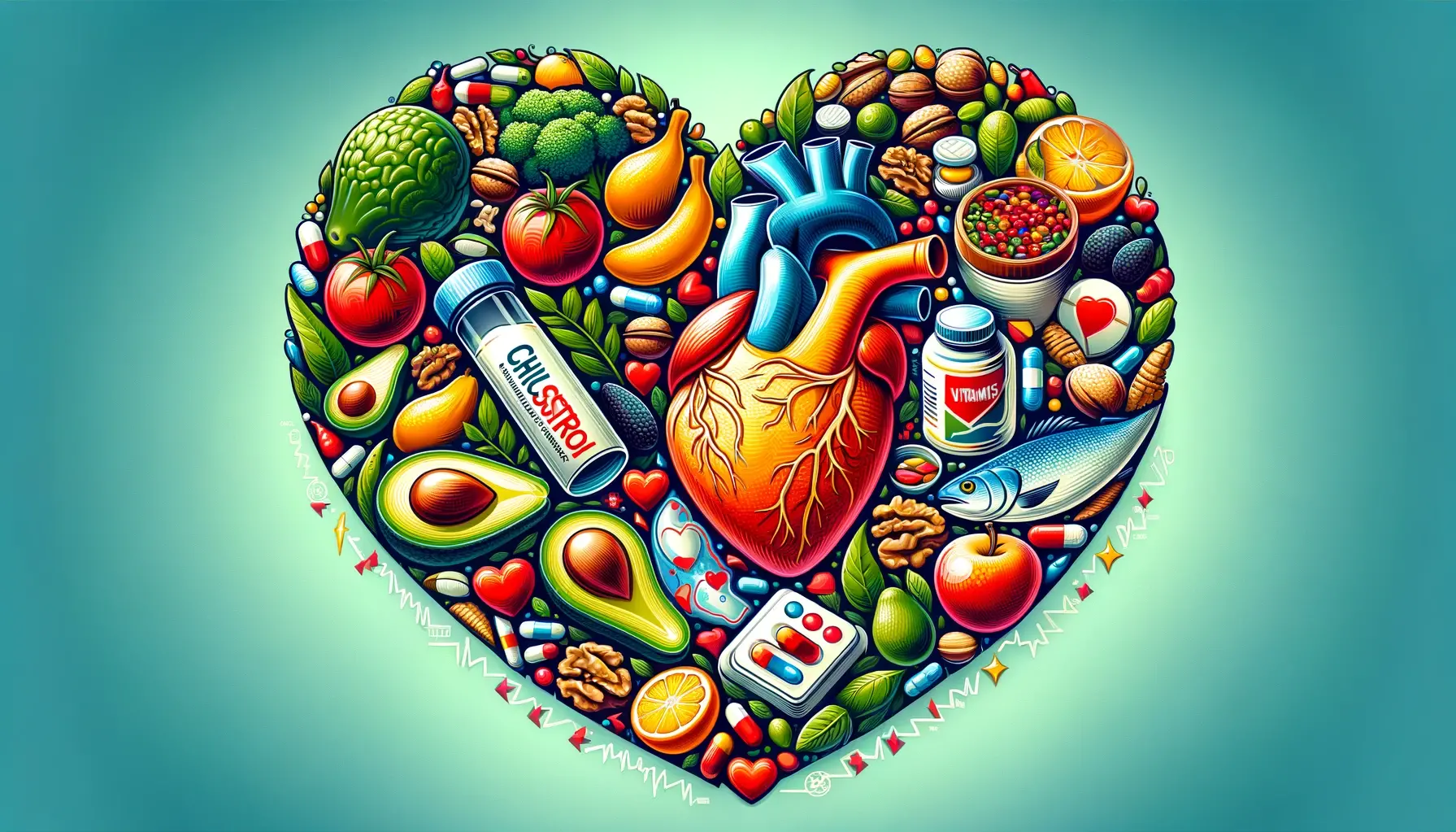

Are you concerned about your heart health and looking for ways to improve it? If so, you’ll be interested to learn about the effects of cholesterol-lowering supplements. Cholesterol has long been associated with heart issues, and these supplements offer a potential solution. In this article, we’ll explore how these supplements can benefit your heart and what you need to know before incorporating them into your daily routine. So, sit back, relax, and let’s dive into the world of cholesterol-lowering supplements and their impact on heart health.

Understanding Cholesterol
Cholesterol is a waxy substance that is naturally produced by your liver and is also found in certain foods. It plays a vital role in the body by helping to build cell membranes, produce hormones, and metabolize fat-soluble vitamins. However, having high levels of cholesterol, particularly the bad type known as LDL cholesterol, can increase your risk of developing heart disease.
Types of Cholesterol
There are several types of cholesterol that are important to understand. LDL cholesterol, commonly referred to as “bad” cholesterol, can build up in your arteries and form plaques that can eventually lead to heart disease. HDL cholesterol, on the other hand, is known as the “good” cholesterol because it helps to remove LDL cholesterol from your bloodstream.
Impact of Cholesterol on Heart Health
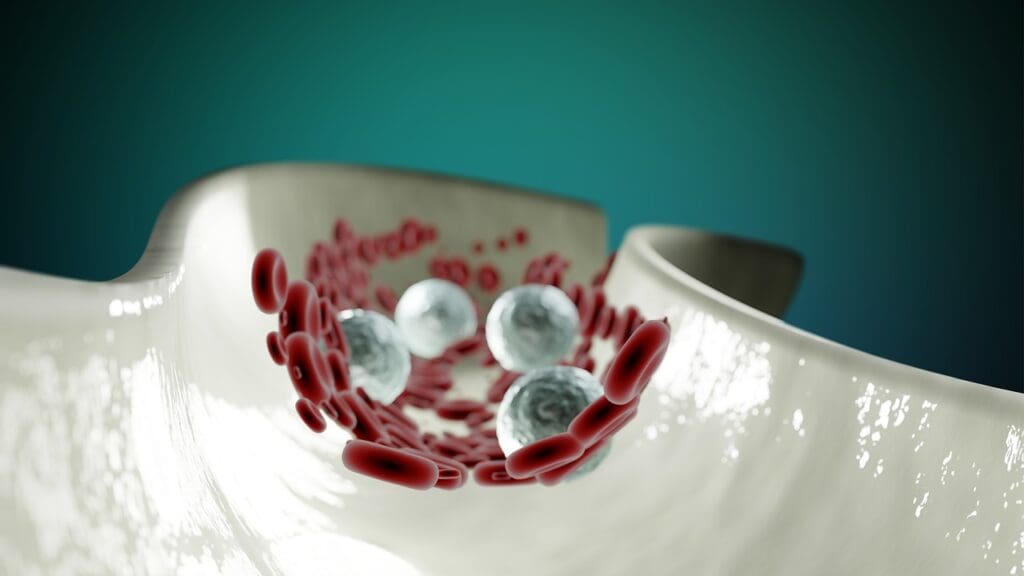
When you have high levels of LDL cholesterol, it can lead to the formation of plaques in your arteries, a condition called atherosclerosis. Over time, these plaques can narrow and harden your arteries, restricting blood flow and increasing the risk of heart attack and stroke. By lowering your LDL cholesterol levels and increasing your HDL cholesterol levels, you can reduce your risk of heart disease and improve your overall heart health.
Role of Cholesterol-lowering Supplements
Cholesterol-lowering supplements are becoming increasingly popular as a way to manage cholesterol levels and promote heart health. These supplements often contain natural ingredients that have been shown to have cholesterol-lowering effects.
Popular Supplements
Some of the most popular cholesterol-lowering supplements include plant sterols, fish oil, niacin, and soluble fiber. Plant sterols, found in certain fruits, vegetables, and grains, have been shown to reduce LDL cholesterol levels. Fish oil, which contains omega-3 fatty acids, may also help lower LDL cholesterol and triglyceride levels. Niacin, a form of vitamin B3, can raise HDL cholesterol levels and lower LDL cholesterol levels. Soluble fiber, found in foods like oats and legumes, can help lower LDL cholesterol levels as well.
Mechanism of Action
Cholesterol-lowering supplements work through various mechanisms to help manage cholesterol levels. Plant sterols, for example, block the absorption of cholesterol in the intestines, reducing the amount of LDL cholesterol that enters the bloodstream. Fish oil and niacin, on the other hand, work by reducing the production of LDL cholesterol in the liver. Soluble fiber binds to cholesterol in the digestive system and helps remove it from the body.
Research and Evidence
Numerous clinical studies have been conducted to evaluate the effectiveness of cholesterol-lowering supplements in reducing the risk of heart disease and improving cholesterol profiles.
Clinical Studies
Several clinical studies have shown promising results when it comes to the cholesterol-lowering effects of these supplements. For example, a study published in the Journal of the American Medical Association found that plant sterols can reduce LDL cholesterol levels by an average of 10%. Another study published in the American Journal of Clinical Nutrition showed that fish oil supplementation can decrease triglyceride levels by up to 30%.
Findings and Results
Overall, the research suggests that cholesterol-lowering supplements can have positive effects on heart health. These supplements have been found to reduce LDL cholesterol levels, increase HDL cholesterol levels, and lower triglyceride levels in many individuals. However, it is important to note that individual responses may vary, and more research is needed to fully understand the long-term effects of these supplements.
Benefits of Cholesterol-lowering Supplements
The use of cholesterol-lowering supplements can provide several benefits for heart health.
Reduced Risk of Heart Disease
By lowering LDL cholesterol levels and increasing HDL cholesterol levels, cholesterol-lowering supplements can help reduce the risk of heart disease. When LDL cholesterol levels are too high, the risk of developing atherosclerosis and experiencing a heart attack or stroke increases. Taking cholesterol-lowering supplements can help lower this risk and promote a healthier heart.
Improved Cholesterol Profile
Cholesterol-lowering supplements can also help improve your overall cholesterol profile. Not only can they lower LDL cholesterol levels, but they can also increase HDL cholesterol levels, which is beneficial for heart health. By improving your cholesterol profile, you can reduce the risk of developing heart disease and improve your overall cardiovascular health.

Potential Side Effects
While cholesterol-lowering supplements can offer significant benefits, it is important to be aware of potential side effects that may occur.
Digestive Issues
Some individuals may experience digestive issues when taking cholesterol-lowering supplements. These can include bloating, gas, diarrhea, or constipation. If you experience any of these symptoms, it is important to speak with a healthcare professional for guidance.
Muscle Problems
In rare cases, cholesterol-lowering supplements may cause muscle problems such as muscle pain or weakness. This is more common when taking certain cholesterol-lowering medications alongside supplements. If you experience any muscle problems, it is important to consult with your doctor as soon as possible.
Liver Damage
While rare, there have been reports of liver damage associated with the use of cholesterol-lowering supplements. It is important to monitor your liver function regularly if you are taking these supplements, and to seek medical attention if you experience any symptoms of liver damage such as jaundice, dark urine, or abdominal pain.
Interactions and Precautions
When considering cholesterol-lowering supplements, it is important to be aware of potential interactions and take necessary precautions.
Drug Interactions
Cholesterol-lowering supplements can interact with certain medications, including blood thinners and statins. It is important to consult with a healthcare professional before starting any new supplements, especially if you are taking any other medications.
Pregnancy and Breastfeeding
If you are pregnant or breastfeeding, it is important to consult with your healthcare professional before taking cholesterol-lowering supplements. Certain supplements may not be safe during pregnancy or while breastfeeding, so it is crucial to seek guidance from a healthcare professional.
Allergies
If you have any known allergies or sensitivities, it is important to carefully read the labels and product information of cholesterol-lowering supplements. Some supplements may contain ingredients that could trigger an allergic reaction or interact with any existing allergies or sensitivities.
Choosing the Right Supplement
When choosing a cholesterol-lowering supplement, there are several factors to consider.
Consulting with a Healthcare Professional
Before starting any new supplement, it is always recommended to consult with a healthcare professional. They can assess your individual health needs and provide guidance on the most appropriate cholesterol-lowering supplement for you.
Reading Labels and Product Information
When selecting a cholesterol-lowering supplement, it is important to carefully read the labels and product information. Look for supplements that have been backed by clinical research and contain ingredients that are known to have cholesterol-lowering effects. It is also important to check for any potential allergens and to ensure that the supplement does not interact with any medications you may be taking.
Other Strategies for Heart Health
In addition to cholesterol-lowering supplements, there are several other strategies you can incorporate into your lifestyle to promote heart health.
Adopting a Heart-Healthy Diet
Eating a heart-healthy diet can significantly impact your cholesterol levels and overall heart health. Focus on consuming foods that are low in saturated and trans fats, while incorporating plenty of fruits, vegetables, whole grains, lean proteins, and healthy fats into your diet.
Regular Exercise
Engaging in regular physical activity is essential for maintaining a healthy heart. Aim for at least 150 minutes of moderate-intensity aerobic exercise or 75 minutes of vigorous-intensity aerobic exercise per week. Incorporate activities that you enjoy, such as walking, swimming, or cycling, to make exercise a sustainable part of your routine.
Quitting Smoking
Smoking is a major risk factor for heart disease. Quitting smoking can have a significant impact on your overall heart health and can help improve cholesterol levels and reduce the risk of heart disease. Seek support from healthcare professionals or smoking cessation programs to assist you in quitting this harmful habit.
The Importance of Monitoring
Regular monitoring of your cholesterol levels and overall heart health is important for maintaining optimal wellbeing.
Regular Check-ups
Schedule regular check-ups with your healthcare professional to monitor your cholesterol levels and overall heart health. They can conduct blood tests, assess your risk factors, and provide personalized recommendations for managing your cholesterol levels.
Blood Tests
Blood tests, such as a lipid profile, can provide valuable information about your cholesterol levels. These tests measure your total cholesterol, LDL cholesterol, HDL cholesterol, and triglyceride levels. By monitoring these levels regularly, you can track your progress and make any necessary adjustments to your lifestyle or supplementation routine.
Conclusion
In conclusion, cholesterol-lowering supplements can play a beneficial role in reducing the risk of heart disease and improving overall heart health. These supplements, such as plant sterols, fish oil, niacin, and soluble fiber, have been shown to have cholesterol-lowering effects and can improve cholesterol profiles. However, it is important to be aware of potential side effects, interactions, and precautions when considering these supplements.
To choose the right supplement, consult with a healthcare professional and carefully read labels and product information. Remember to incorporate other heart-healthy strategies such as adopting a heart-healthy diet, engaging in regular exercise, and quitting smoking to optimize your heart health. Regular monitoring through check-ups and blood tests is also crucial for tracking your progress and making any necessary adjustments.
By understanding cholesterol and the impact it has on heart health, as well as the role of cholesterol-lowering supplements, individuals can make informed decisions and take proactive steps towards maintaining a healthy heart.