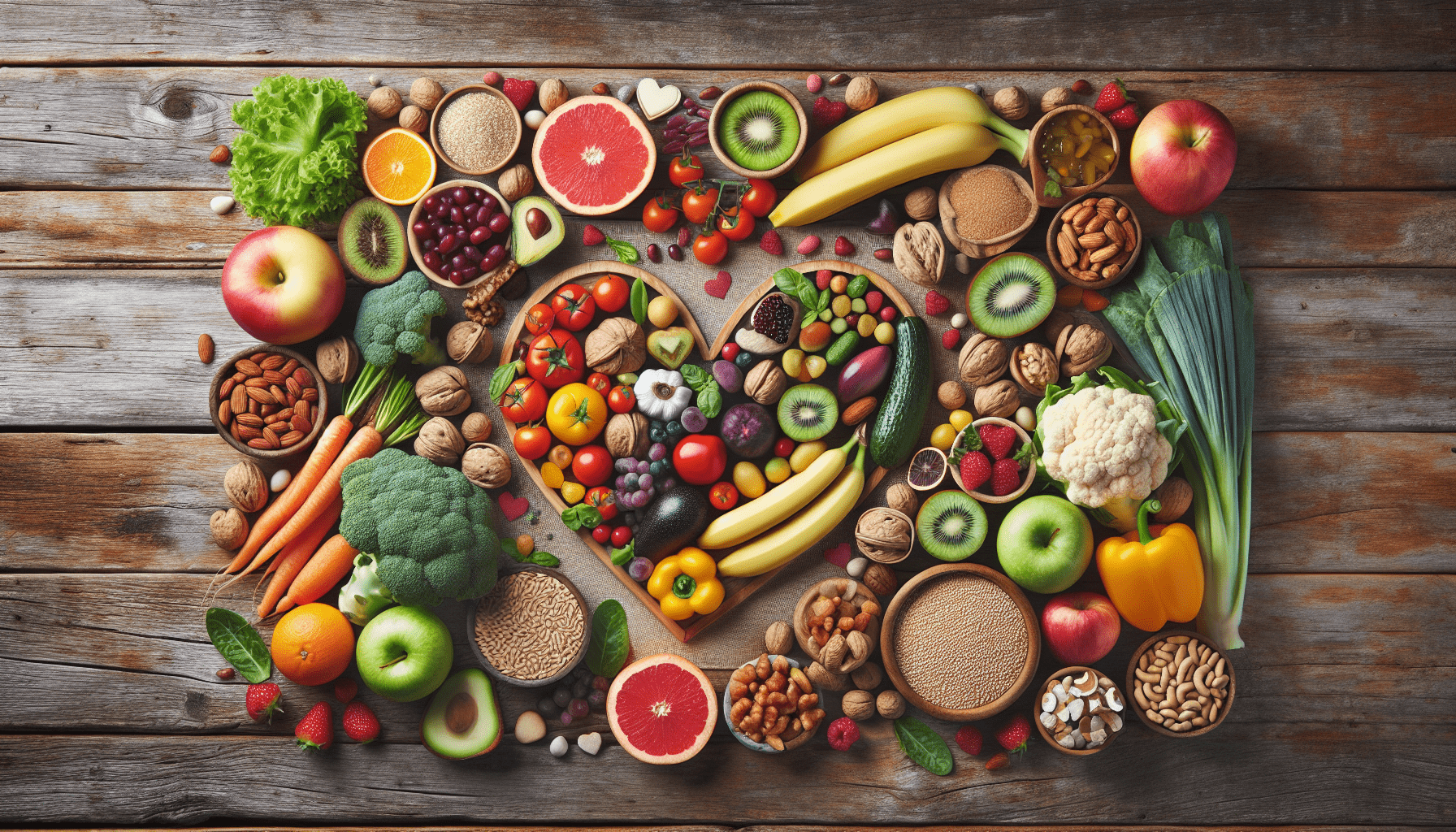
If you’re looking for a way to improve your heart health and lower your cholesterol levels, a plant-based diet may be just what you need. The benefits of incorporating more plant-based foods into your meals are numerous. By focusing on whole grains, fruits, vegetables, and legumes, you can reduce your intake of saturated fats and cholesterol, while increasing your fiber intake. These dietary changes can not only lower your cholesterol levels, but also reduce the risk of heart disease and improve overall cardiovascular health. So why not give it a try and see the positive impact that a plant-based diet can have on your wellbeing?
Reduced Saturated and Trans Fats Intake
Saturated Fat and Cholesterol Connection
Saturated fats are a type of fat that can raise levels of LDL (bad) cholesterol in the blood, which in turn increases the risk of heart disease. When you consume foods high in saturated fats, it can lead to an increase in your blood cholesterol levels. This can be concerning because high cholesterol levels are a known risk factor for developing heart disease.
Significance of Reducing Trans Fats
Trans fats are another type of fat that can have a negative impact on your heart health. Trans fats not only raise LDL (bad) cholesterol levels but also lower HDL (good) cholesterol levels in the blood. This double effect can increase the risk of heart disease even further. By reducing the intake of trans fats, you can significantly improve your heart health and lower your risk of developing heart disease.
Plant-based Diets as a Low-Saturated Fat Option
Plant-based diets offer a great alternative for reducing your intake of saturated and trans fats. Fruits, vegetables, whole grains, legumes, and nuts are naturally low in saturated fats and free from trans fats. By adopting a plant-based diet, you can decrease your saturated fat intake and replace it with heart-healthy fats, such as monounsaturated and polyunsaturated fats found in foods like avocados, olive oil, and nuts.
Higher Intake of Heart-Healthy Nutrients
Fiber for Cholesterol Reduction
One of the key benefits of plant-based diets is their high fiber content. Fiber plays a pivotal role in reducing cholesterol levels, particularly LDL cholesterol. Soluble fiber, found in abundance in fruits, vegetables, and whole grains, acts like a sponge in the digestive system, absorbing cholesterol and preventing its absorption into the bloodstream. By increasing your intake of fiber through a plant-based diet, you can effectively lower your cholesterol levels.
Essential Micronutrients in Plant-based Foods
Plant-based diets are rich in essential micronutrients that are vital for heart health. Foods like leafy greens, berries, nuts, and seeds are packed with nutrients like magnesium, potassium, and folate, which have been linked to reducing the risk of heart disease. These nutrients help regulate blood pressure, maintain healthy blood vessels, and support optimal heart function.
Antioxidants and Anti-inflammatory Properties
Another advantage of plant-based diets is their high antioxidant and anti-inflammatory properties. Fruits, vegetables, and whole grains are abundant sources of antioxidants, which help combat oxidative stress and reduce inflammation in the body. Oxidative stress and chronic inflammation are major contributors to the development of heart disease. By consuming a variety of plant-based foods, you can provide your body with the necessary antioxidants and anti-inflammatory compounds to support heart health.

Lower LDL Cholesterol Levels
LDL Cholesterol and Atherosclerosis
LDL cholesterol, often referred to as “bad” cholesterol, is a major risk factor for the development of atherosclerosis. Atherosclerosis occurs when LDL cholesterol accumulates in the walls of arteries, forming plaques that can obstruct blood flow and lead to heart attacks and strokes. Lowering LDL cholesterol levels is crucial for maintaining a healthy heart.
Plant-based Diets’ Effect on LDL Cholesterol
Numerous studies have demonstrated the positive impact of plant-based diets on LDL cholesterol levels. By eliminating or reducing the consumption of animal products and incorporating more plant-based foods, individuals can experience significant reductions in LDL cholesterol. The high fiber content in plant-based foods, as well as the absence of saturated and trans fats, contribute to this cholesterol-lowering effect.
Studies Showing Cholesterol Reduction
Research has consistently shown the cholesterol-lowering benefits of plant-based diets. For example, a study published in the Journal of the American Heart Association found that participants following a plant-based diet experienced a 29% reduction in LDL cholesterol levels. Another study published in the Journal of Nutrition reported that a plant-based dietary pattern was associated with a 20% lower risk of high LDL cholesterol levels. These findings highlight the effectiveness of plant-based diets in reducing LDL cholesterol and mitigating the risk of heart disease.
Increased HDL Cholesterol Levels
HDL Cholesterol and Cardiovascular Health
HDL cholesterol, often referred to as “good” cholesterol, plays a crucial role in cardiovascular health. It helps remove excess cholesterol from the bloodstream and transports it to the liver for elimination. Having higher levels of HDL cholesterol is associated with a reduced risk of heart disease.
Potential of Plant-based Diets in Raising HDL Cholesterol
Plant-based diets have shown promising potential in raising HDL cholesterol levels. By focusing on whole plant foods, individuals can naturally increase their intake of soluble fiber, healthy fats, and plant sterols, all of which have been linked to elevated HDL cholesterol levels. Consuming foods like avocados, almonds, and olive oil can help promote the production and function of HDL cholesterol, thus enhancing cardiovascular health.
Positive Research Findings on HDL Cholesterol
Multiple studies have indicated the positive impact of plant-based diets on HDL cholesterol levels. A study published in the American Journal of Cardiology revealed that individuals following a plant-based diet had significantly higher HDL cholesterol levels compared to those following a typical Western diet. Another study published in the Journal of Nutrition and Metabolism found that a plant-based diet led to a significant increase in HDL cholesterol levels. These findings support the role of plant-based diets in improving HDL cholesterol profiles and reducing the risk of heart disease.

Improved Blood Pressure Control
Link Between High Blood Pressure and Heart Disease
High blood pressure, also known as hypertension, is a significant risk factor for heart disease. When blood pressure remains high over time, it can damage arteries and increase the workload on the heart, leading to various heart-related complications. Lowering blood pressure levels is crucial for maintaining optimal heart health.
Plant-based Diets and Blood Pressure Management
Plant-based diets have been recognized as an effective approach for managing and reducing blood pressure levels. Fruits, vegetables, whole grains, and legumes, which are the foundation of plant-based diets, are rich in potassium, magnesium, and fiber, which have all been shown to positively impact blood pressure. Additionally, plant-based diets are typically low in sodium, further promoting healthy blood pressure levels.
Effectiveness of Plant-based Diets in Reducing Blood Pressure
Numerous studies have demonstrated the effectiveness of plant-based diets in reducing blood pressure. A review published in the Journal of Hypertension analyzed multiple trials and found that individuals who followed plant-based diets experienced significant reductions in both systolic and diastolic blood pressure. Another study published in the American Journal of Clinical Nutrition reported that a plant-based dietary pattern was associated with a lower risk of developing hypertension. These findings highlight the potential of plant-based diets as an approach to blood pressure management and heart health.
Weight Management and Body Mass Index
Obesity and Heart Disease Risk
Obesity is a major risk factor for heart disease. Excess body weight, especially when concentrated around the abdomen, increases the likelihood of developing conditions such as high blood pressure, high cholesterol, and diabetes, all of which contribute to heart disease. Maintaining a healthy body weight is crucial for reducing the risk of heart disease.
Plant-based Diets for Weight Loss
Plant-based diets have gained recognition for their potential in promoting weight loss and weight management. The emphasis on whole, minimally processed plant foods helps create a calorie deficit while providing essential nutrients. Plant-based diets are typically low in calories and high in fiber, which can help you feel fuller for longer, reduce calorie intake, and ultimately support weight loss.
Impact of Plant-based Diets on Body Mass Index
Research has shown that individuals who adopt plant-based diets tend to have lower body mass index (BMI) values. In a study published in Nutrition, Metabolism, and Cardiovascular Diseases, participants following a plant-based diet had lower BMI values compared to those following a non-vegetarian diet. Another study published in the Journal of the Academy of Nutrition and Dietetics found that individuals on a plant-based diet had lower BMIs and a decreased risk of obesity-related diseases. These findings demonstrate the potential of plant-based diets in promoting weight management and reducing the risk of heart disease associated with obesity.
Reduced Risk of Type 2 Diabetes
Type 2 Diabetes and Cardiovascular Health
Type 2 diabetes is closely linked to heart health, as individuals with diabetes have a substantially higher risk of developing heart disease. Diabetes can lead to various complications, including damage to blood vessels and nerves, which significantly increases the risk of heart attacks and strokes. Preventing and managing type 2 diabetes is crucial for maintaining optimal cardiovascular health.
Plant-based Diets’ Role in Diabetes Prevention
Plant-based diets have shown great potential in preventing and managing type 2 diabetes. By focusing on whole plant foods, individuals can benefit from the low glycemic index, high fiber content, and abundant antioxidants found in fruits, vegetables, whole grains, and legumes. These factors contribute to better blood sugar control and insulin sensitivity, helping to prevent or manage type 2 diabetes.
Studies Showing Diabetes Risk Reduction
Research has consistently shown the positive impact of plant-based diets on reducing the risk of type 2 diabetes. A study published in JAMA Internal Medicine found that individuals adhering to a plant-based diet had a significantly lower risk of developing type 2 diabetes compared to those following a non-plant-based diet. Another study published in the Journal of Nutritional Science found that vegetarian and vegan diets were associated with a reduced risk of developing type 2 diabetes. These findings highlight the role of plant-based diets in diabetes prevention and cardiovascular health.
Lower Inflammation Levels
Chronic Inflammation and Heart Disease
Chronic inflammation is a common underlying factor in the development of heart disease. Prolonged inflammation can damage blood vessels, contribute to the formation of plaques, and increase the risk of cardiovascular events. Reducing inflammation in the body is essential for maintaining a healthy heart.
Anti-inflammatory Benefits of Plant-based Diets
Plant-based diets have inherent anti-inflammatory properties, primarily due to their rich content of antioxidants and phytochemicals. Fruits, vegetables, whole grains, and herbs/spices are particularly abundant in these compounds, which can help combat inflammation and protect against heart disease. By adopting a plant-based diet, you can naturally reduce inflammation in your body and support optimal heart health.
Research Supporting Reduction in Inflammation
Multiple studies have demonstrated the anti-inflammatory benefits of plant-based diets. A study published in the Journal of the American College of Cardiology found that individuals following a plant-based diet had significantly lower levels of C-reactive protein, a marker of inflammation linked to heart disease. Another study published in the journal Nutrients reported that plant-based diets were associated with reduced levels of inflammatory markers, such as interleukin-6 and tumor necrosis factor-alpha. These findings provide further evidence of the potential of plant-based diets in reducing inflammation and promoting heart health.
Enhanced Gut Health
Gut Microbiota and Heart Health
The health of your gut microbiota, the trillions of microorganisms residing in your digestive system, plays a crucial role in heart health. An imbalanced gut microbiota can contribute to inflammation, weight gain, and increased cholesterol levels, all of which are risk factors for heart disease. Maintaining a healthy gut is essential for optimal cardiovascular health.
Plant-based Diets Promoting a Healthy Gut
Plant-based diets have been shown to promote a healthy gut microbiota. The high fiber content in plant-based foods acts as a prebiotic, fueling the growth of beneficial gut bacteria. Additionally, plant-based diets are typically rich in polyphenols, which have been shown to support the diversity and abundance of beneficial gut bacteria. By adopting a plant-based diet, you can nourish your gut microbiota and support your heart health.
Effects of Plant-based Diets on Gut Microbiota
Research has demonstrated the positive effects of plant-based diets on gut microbiota composition. A study published in the journal Nature showed that individuals following plant-based diets had a higher abundance of beneficial bacteria associated with improved metabolic health. Another study published in the journal Frontiers in Microbiology found that vegetarian and vegan diets resulted in greater microbial diversity in the gut. These findings highlight the potential of plant-based diets in enhancing gut health and reducing the risk of heart disease.
Reduced Oxidative Stress
Oxidative Stress and Cardiovascular Damage
Oxidative stress occurs when there is an imbalance between free radicals and antioxidants in the body. Excessive oxidative stress can lead to damage to the cells and tissues of the cardiovascular system, promoting the development of heart disease. Reducing oxidative stress is crucial for maintaining optimal heart health.
Plant-based Diets’ Antioxidant Effects
Plant-based diets are rich in antioxidants, which help counteract oxidative stress and protect against cardiovascular damage. Fruits, vegetables, and whole grains are particularly abundant in antioxidants such as vitamins C and E, beta-carotene, and flavonoids. By consuming a variety of plant-based foods, you can significantly increase your antioxidant intake and reduce oxidative stress.
Evidence of Decreased Oxidative Stress with Plant-based Diets
Research has shown that plant-based diets can lead to a decrease in oxidative stress markers associated with heart disease. A study published in the Journal of Nutrition and Metabolism reported that individuals following a plant-based diet had lower levels of oxidative stress markers compared to those following a Western diet. Another study published in the journal Oxidative Medicine and Cellular Longevity found that participants who consumed a plant-based diet experienced a significant decrease in oxidative stress. These findings reinforce the antioxidant effects of plant-based diets and their role in promoting heart health.
In conclusion, adopting a plant-based diet can offer numerous benefits for lowering cholesterol and improving heart health. By reducing saturated and trans fat intake, increasing heart-healthy nutrients, and promoting favorable cholesterol profiles, plant-based diets have proven effective in reducing the risk of heart disease. Additionally, the anti-inflammatory, antioxidant, and gut-health-promoting properties of plant-based diets further contribute to optimal cardiovascular health. With the numerous studies supporting the benefits of plant-based diets, it’s clear that incorporating more fruits, vegetables, whole grains, legumes, and nuts into your diet can have a positive impact on your heart health. Make the switch to a plant-based diet today and enjoy the many advantages it offers for your cholesterol levels and overall cardiovascular well-being.