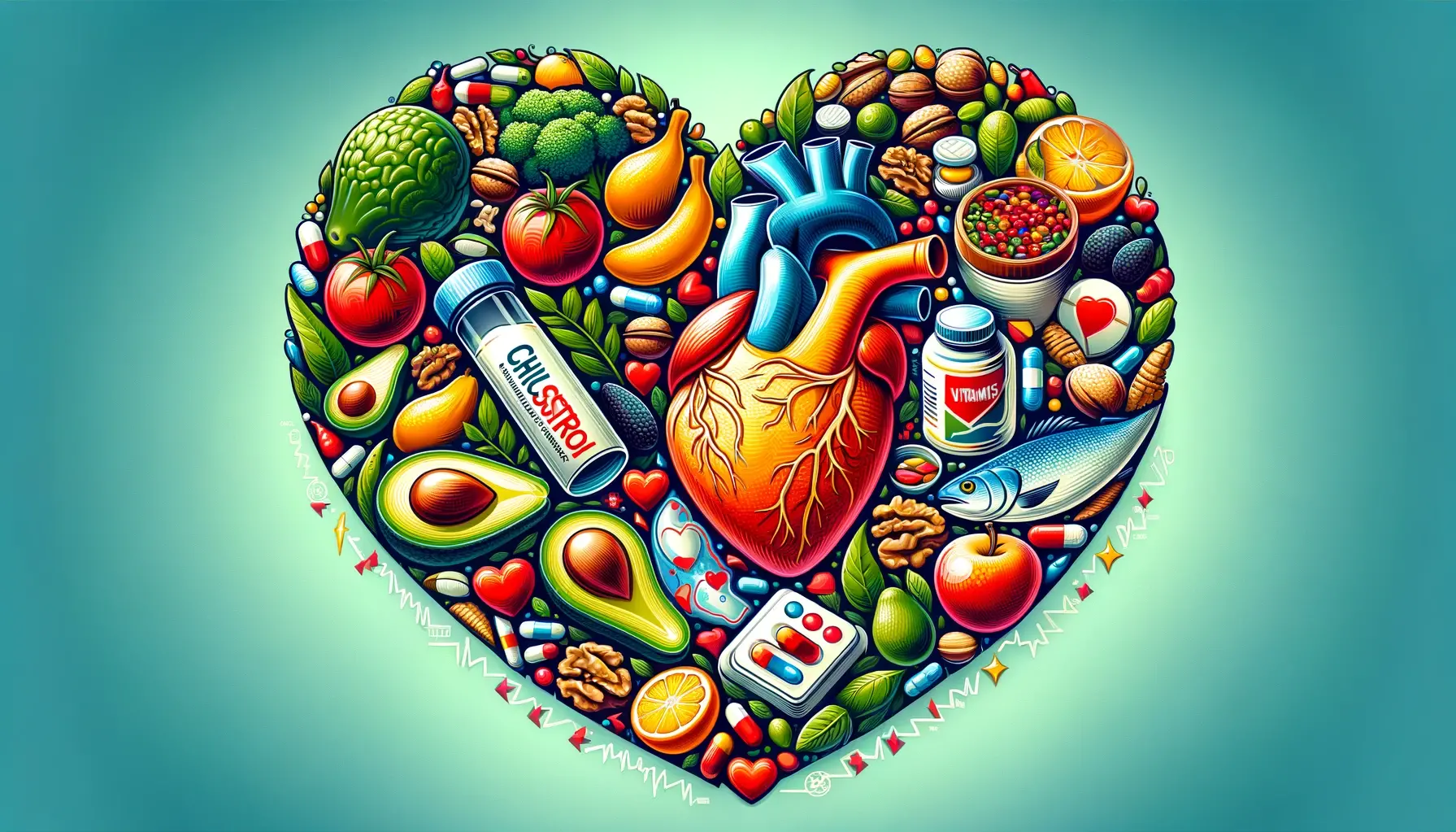

If you’re looking for effective ways to lower your cholesterol levels, then you’ll be glad to know that supplements can play a crucial role in achieving this goal. Whether you’re dealing with high LDL (bad) cholesterol or aiming to maintain a healthy heart, there are key facts you should know about using supplements for lowering cholesterol. From the benefits they offer to how to choose the right ones for you, this article will provide you with the essential information you need to make informed decisions and take control of your heart health.
What is Cholesterol?
Definition of cholesterol
Cholesterol is a waxy substance that is found throughout the body. It plays an important role in the production of hormones, vitamin D, and substances that help digest food. While cholesterol is necessary for the body to function properly, high levels of cholesterol in the blood can increase the risk of heart disease.
Types of cholesterol
There are two main types of cholesterol: low-density lipoprotein (LDL) cholesterol and high-density lipoprotein (HDL) cholesterol. LDL cholesterol, often referred to as “bad” cholesterol, can build up in the arteries and contribute to the formation of plaque, which can lead to heart disease. HDL cholesterol, on the other hand, is often called “good” cholesterol because it helps remove LDL cholesterol from the bloodstream, reducing the risk of heart disease.
Understanding High Cholesterol
The dangers of high cholesterol
Having high cholesterol levels can significantly increase the risk of developing heart disease and other cardiovascular conditions. When there is an excess of LDL cholesterol in the bloodstream, it can accumulate in the arteries and form plaque. Over time, this plaque can narrow the arteries, reducing blood flow to vital organs such as the heart and brain. If a plaque ruptures, it can cause a blood clot, leading to a heart attack or stroke.
Causes of high cholesterol
High cholesterol can be influenced by a variety of factors, including lifestyle habits, genetics, and underlying medical conditions. Poor diet choices, such as consuming foods high in saturated and trans fats, can increase LDL cholesterol levels. Lack of physical activity, smoking, obesity, and certain medical conditions like diabetes and hypothyroidism can also contribute to high cholesterol. Understanding the underlying causes can help individuals take appropriate steps to manage their cholesterol levels.
Supplements for Lowering Cholesterol
Effectiveness of supplements
Supplements can be a helpful addition to a healthy lifestyle and dietary changes for individuals looking to lower their cholesterol levels. However, it is important to note that supplements alone may not be enough to lower cholesterol significantly. They should be used in conjunction with other cholesterol-lowering strategies, such as a balanced diet, regular exercise, and, if necessary, prescription medication.
Commonly used supplements
Several supplements have shown promise in reducing cholesterol levels. These include Omega-3 fatty acids, plant sterols, garlic extract, red yeast rice, Coenzyme Q10, green tea extract, and fiber supplements. Each of these supplements works in different ways to support heart health and lower cholesterol levels.
Natural supplements vs prescription medication
While natural supplements can have cholesterol-lowering benefits, they may not be as potent as prescription medication. Prescription medications, such as statins, are specifically designed to help manage cholesterol levels. They are typically recommended for individuals with significantly elevated cholesterol levels or those at a high risk of heart disease. Natural supplements can be a viable option for individuals with mild to moderate cholesterol elevations or those looking to support their overall heart health.
Consulting a healthcare professional
It is crucial to consult with a healthcare professional before starting any cholesterol-lowering supplement regimen. They can help evaluate your individual health status, assess any potential interactions with medications you may be taking, and provide personalized recommendations. Additionally, a healthcare professional can monitor your progress and make adjustments to your treatment plan as needed.
1. Omega-3 Fatty Acids
Benefits of Omega-3 fatty acids
Omega-3 fatty acids have been extensively studied for their potential cardiovascular benefits. These essential fats can reduce inflammation in the body, lower triglyceride levels, and support healthy blood pressure. Omega-3 fatty acids may also increase HDL cholesterol levels and decrease LDL cholesterol levels, contributing to a healthier lipid profile.
Sources of Omega-3 fatty acids
Fatty fish, such as salmon, mackerel, and sardines, are excellent sources of Omega-3 fatty acids. Other sources include walnuts, flaxseeds, and chia seeds. For individuals who struggle to consume enough Omega-3s through their diet, fish oil supplements are widely available and offer a convenient way to ensure an adequate intake.
Recommended dosage
The recommended dosage of Omega-3 fatty acids varies depending on the individual’s health status and goals. Generally, it is advised to consume 250-500 milligrams of combined EPA (eicosapentaenoic acid) and DHA (docosahexaenoic acid) daily. However, specific dosages should be discussed with a healthcare professional to determine the appropriate amount for your needs.

2. Plant Sterols
How plant sterols help lower cholesterol
Plant sterols are natural compounds found in plants that have been shown to reduce LDL cholesterol levels. They work by blocking the absorption of cholesterol in the intestines, preventing its entry into the bloodstream. By inhibiting cholesterol absorption, plant sterols can help lower overall cholesterol levels and improve heart health.
Food sources of plant sterols
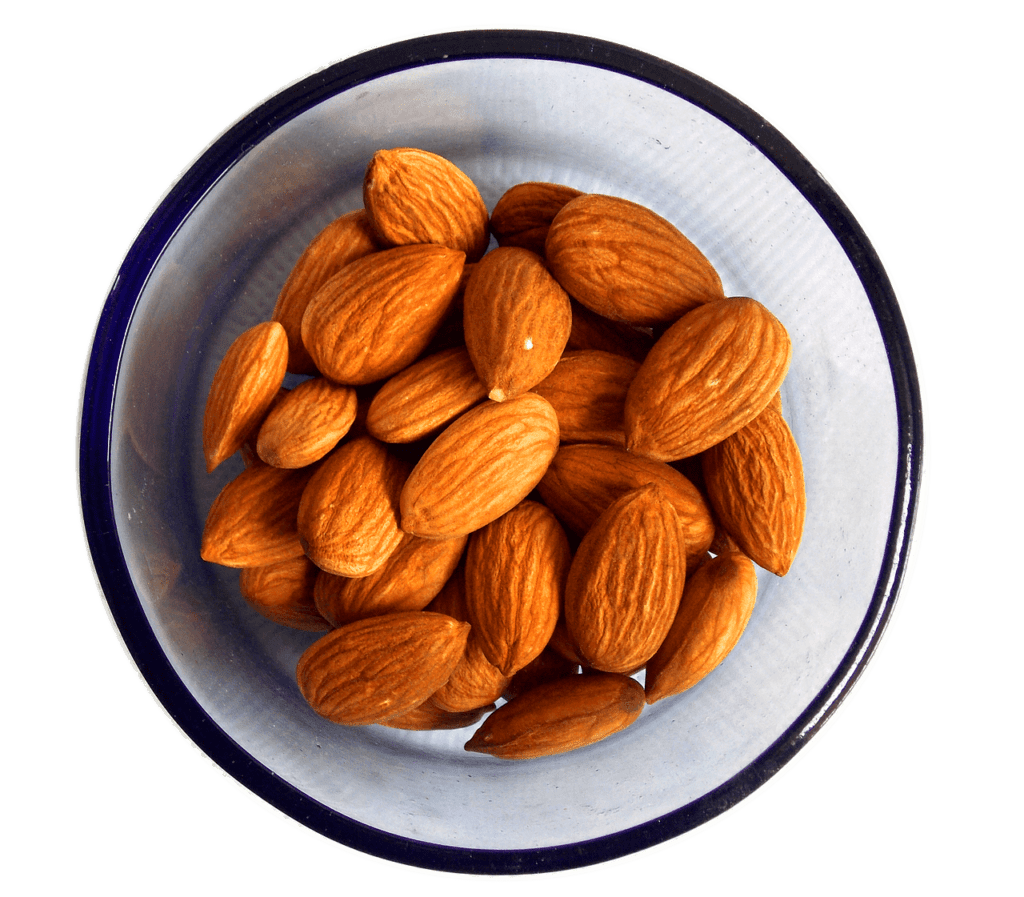
Plant sterols are naturally present in small amounts in a variety of fruits, vegetables, nuts, seeds, and whole grains. Some examples include almonds, peanuts, Brussels sprouts, oranges, and brown rice. However, achieving therapeutic levels of plant sterols solely through diet can be challenging, which is why supplementation may be recommended.
Supplement options
Plant sterol supplements are available in various forms, including capsules, tablets, and fortified foods. Supplementation allows for a more controlled and consistent intake of plant sterols, making it easier to reach the recommended therapeutic dosage. It is important to choose reputable brands and follow the recommended dosage instructions provided by the manufacturer or a healthcare professional.
3. Garlic Extract
Garlic’s impact on cholesterol levels
Garlic has long been praised for its potential health benefits, including its role in cholesterol management. Some research suggests that garlic may help lower total cholesterol levels and decrease LDL cholesterol levels. However, more studies are needed to establish a definitive link between garlic consumption and cholesterol reduction.
Different forms of garlic supplements
Garlic supplements are available in various forms, including garlic oil capsules, aged garlic extract, and powdered garlic supplements. Aged garlic extract is often preferred as it is odorless and less likely to cause digestive issues commonly associated with raw garlic consumption. When choosing a garlic supplement, it is essential to select a high-quality product from a reputable manufacturer.
4. Red Yeast Rice
Benefits of red yeast rice
Red yeast rice is a traditional Chinese culinary and medicinal ingredient made by fermenting rice with a specific type of yeast. It contains compounds known as monacolins, one of which (monacolin K) is chemically identical to the active ingredient in some prescription cholesterol-lowering medications. Red yeast rice has been shown to reduce total cholesterol levels, LDL cholesterol levels, and triglyceride levels.
Possible side effects
While red yeast rice can provide cholesterol-lowering benefits, it is important to note that it can also have side effects and interactions with other medications. Red yeast rice can sometimes cause muscle pain, digestive issues, and liver damage. Additionally, it may interact with certain medications, particularly those that lower cholesterol or affect liver function. It is crucial to consult with a healthcare professional before starting red yeast rice supplementation.
5. Coenzyme Q10
How Coenzyme Q10 affects cholesterol
Coenzyme Q10 (CoQ10) is a substance that occurs naturally in the body and plays a crucial role in energy production. Some research suggests that CoQ10 supplementation may help reduce LDL cholesterol levels and increase HDL cholesterol levels. It is believed that CoQ10 may enhance the body’s ability to regulate cholesterol metabolism.
Dosage and potential risks
The appropriate dosage of CoQ10 can vary depending on the individual’s needs and health status. CoQ10 supplements are available in various strengths, ranging from 30 milligrams to 200 milligrams or more. Side effects from CoQ10 supplementation are generally rare but can include digestive upset, nausea, and allergic reactions. As with any supplement, it is recommended to consult with a healthcare professional to determine the appropriate dosage and potential risks.
6. Green Tea Extract
Role of green tea extract in cholesterol management
Green tea extract has gained popularity in recent years due to its potential health benefits. It contains compounds called catechins, which have been linked to improvements in cholesterol levels. Some studies suggest that green tea extract may reduce LDL cholesterol levels, increase HDL cholesterol levels, and decrease triglyceride levels.
Recommended dosage
The optimal dosage of green tea extract for cholesterol management is not yet well-established. However, studies have typically used doses ranging from 250 to 500 milligrams of green tea extract per day. It is important to note that green tea extract supplements may contain caffeine, which can have its own effects and potential side effects. Individuals sensitive to caffeine or with certain medical conditions should exercise caution when using green tea extract supplements.
7. Fiber Supplements
Types of fiber and their cholesterol-lowering effects
Fiber is not only beneficial for digestive health but can also have a positive impact on cholesterol levels. There are two types of fiber: soluble fiber and insoluble fiber. Soluble fiber, in particular, has been shown to help lower LDL cholesterol levels. It does this by binding to cholesterol in the digestive tract, preventing its absorption into the bloodstream.
How to choose the right fiber supplement
When choosing a fiber supplement, it is important to select one that contains soluble fiber, such as psyllium husk, oat bran, or glucomannan. These types of fiber have been shown to have cholesterol-lowering effects. Start with a low dose and gradually increase it to avoid digestive discomfort. As with any supplement, it is advisable to consult with a healthcare professional to determine the appropriate dosage and ensure it aligns with your overall health plan.
In conclusion, while supplements can offer support in managing cholesterol levels, they should be incorporated as part of a comprehensive approach that includes a healthy diet, regular exercise, and medical guidance. It is crucial to consult with a healthcare professional before adding any supplements to your routine, as they can provide personalized recommendations based on your individual health needs. Understanding the benefits and limitations of each supplement can help you make informed decisions in your journey towards maintaining a healthy cholesterol profile and reducing the risk of heart disease.