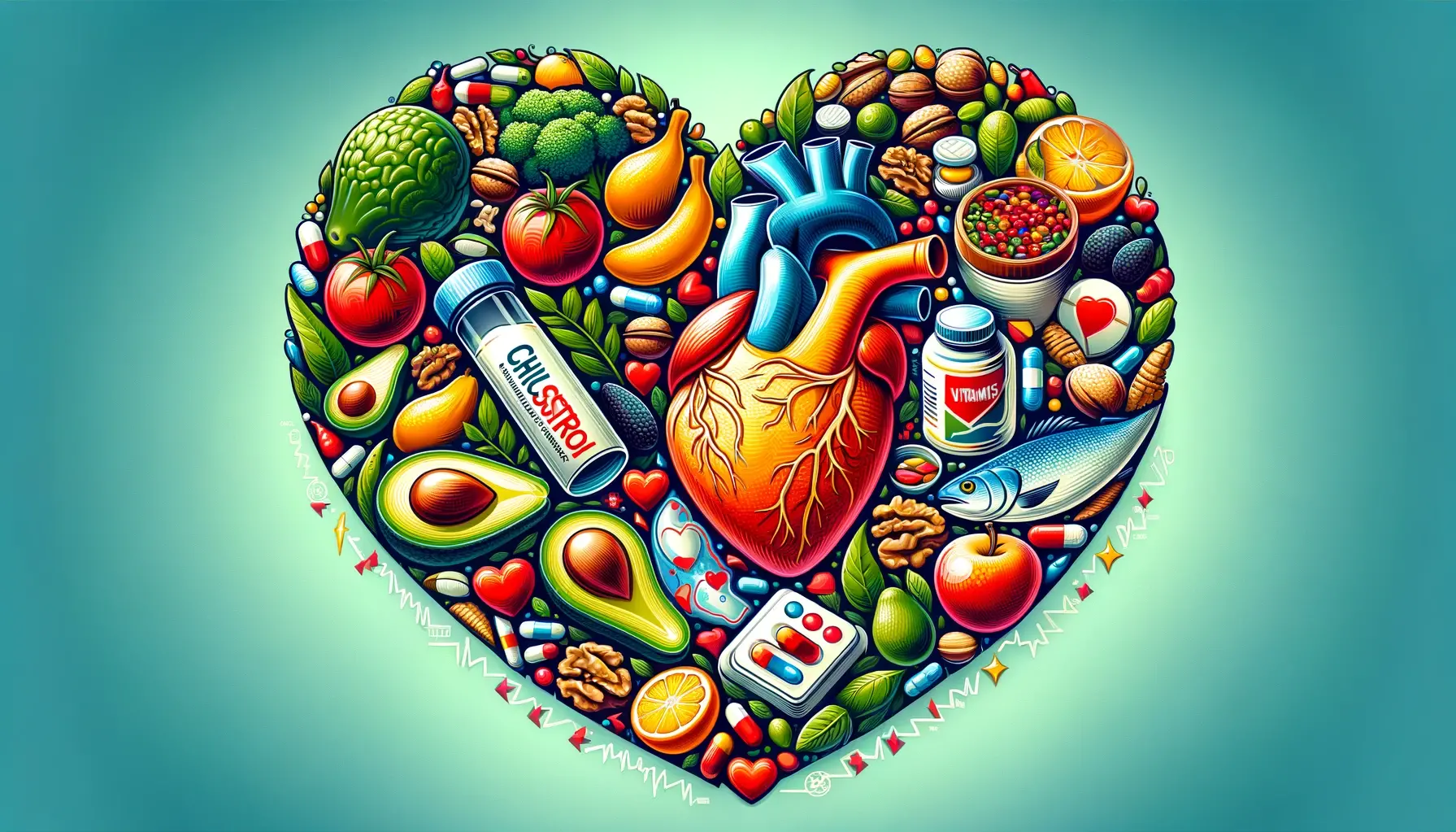

Hello there! If you’re looking to lower your cholesterol, making lifestyle changes can be key. In this article, we’ll discuss some practical tips on how you can stay motivated throughout this journey. From setting realistic goals to finding a support system, we’ll cover it all to help you stay on track and achieve your health goals. So, let’s dive in and get you feeling motivated and empowered to make those necessary changes for a healthier you! Have you recently been advised by your doctor to lower your cholesterol levels through lifestyle changes? Taking steps to improve your heart health can feel overwhelming, but with the right mindset and strategies, you can successfully make lasting changes. In this article, I will share with you some tips on how to stay motivated while making lifestyle changes to lower cholesterol. Let’s get started!
Understanding Cholesterol: The Basics
Before we dive into tips on how to stay motivated, let’s first understand what cholesterol is and why it’s important to manage it. Cholesterol is a waxy, fat-like substance found in your blood that is crucial for building healthy cells. However, having high levels of cholesterol can increase your risk of heart disease and stroke.
Types of Cholesterol
There are two main types of cholesterol:
- Low-Density Lipoprotein (LDL) cholesterol: Known as the “bad” cholesterol, high levels of LDL can lead to cholesterol buildup in your arteries, increasing your risk of heart disease.
- High-Density Lipoprotein (HDL) cholesterol: Known as the “good” cholesterol, HDL helps carry LDL cholesterol away from the arteries to the liver, where it is broken down and eliminated.
Understanding these types of cholesterol is essential when making lifestyle changes to lower your cholesterol levels.
Setting Realistic Goals
One of the keys to staying motivated while making lifestyle changes to lower cholesterol is setting realistic goals. Instead of aiming for drastic changes overnight, focus on making small, achievable steps that can add up over time.
SMART Goals
When setting goals, it’s helpful to follow the SMART criteria:
- Specific: Be clear about what you want to achieve. For example, instead of saying “I want to lower my cholesterol,” you can say “I want to reduce my LDL cholesterol levels by 20 points.”
- Measurable: Set a specific number or target to track your progress.
- Achievable: Ensure that your goal is realistic and within reach.
- Relevant: Make sure your goal is relevant to lowering your cholesterol levels.
- Time-bound: Set a timeline for achieving your goal, such as within three months.
By setting SMART goals, you can stay focused and motivated on your journey to lower your cholesterol levels.

Creating a Balanced Diet
Diet plays a vital role in managing your cholesterol levels. Making healthy food choices can help lower LDL cholesterol and increase HDL cholesterol. When creating a balanced diet, focus on incorporating a variety of nutrients and food groups.
Foods to Eat
Here are some foods that can help improve your cholesterol levels:
| Food Group | Examples |
|---|---|
| Fruits and Vegetables | Apples, oranges, broccoli, spinach |
| Whole Grains | Oats, brown rice, quinoa |
| Lean Proteins | Skinless poultry, fish, legumes |
| Healthy Fats | Avocados, nuts and seeds, olive oil |
| Dairy Alternatives | Almond milk, soy yogurt, tofu |
Including these foods in your diet can help support your heart health and lower your cholesterol levels.
Foods to Avoid
On the other hand, there are some foods that can increase your cholesterol levels:
- Saturated fats: Found in red meat, full-fat dairy products, and processed foods.
- Trans fats: Found in fried foods, baked goods, and margarine.
- Added sugars: Found in sugary beverages, desserts, and snacks.
- Sodium: Found in processed foods, canned soups, and fast food.
By reducing your intake of these foods and focusing on a balanced diet, you can improve your cholesterol levels and overall health.
Incorporating Regular Exercise
Physical activity is another crucial factor in lowering cholesterol levels and improving heart health. Regular exercise can help raise HDL cholesterol, lower LDL cholesterol, and reduce overall risk of heart disease.
Types of Exercise
When incorporating exercise into your routine, consider incorporating a combination of aerobic and strength-training exercises:
- Aerobic exercise: Activities such as walking, cycling, swimming, or dancing that increase your heart rate and improve cardiovascular health.
- Strength training: Exercises using weights, resistance bands, or body weight to build muscle strength and support overall health.
By including both types of exercise in your routine, you can maximize the benefits for your heart health and cholesterol levels.
Setting Exercise Goals
Similar to setting dietary goals, it’s important to set exercise goals that are specific, measurable, achievable, relevant, and time-bound. Start with small, manageable goals such as walking for 30 minutes three times a week, and gradually increase the intensity and duration as you progress.
Tracking Your Progress
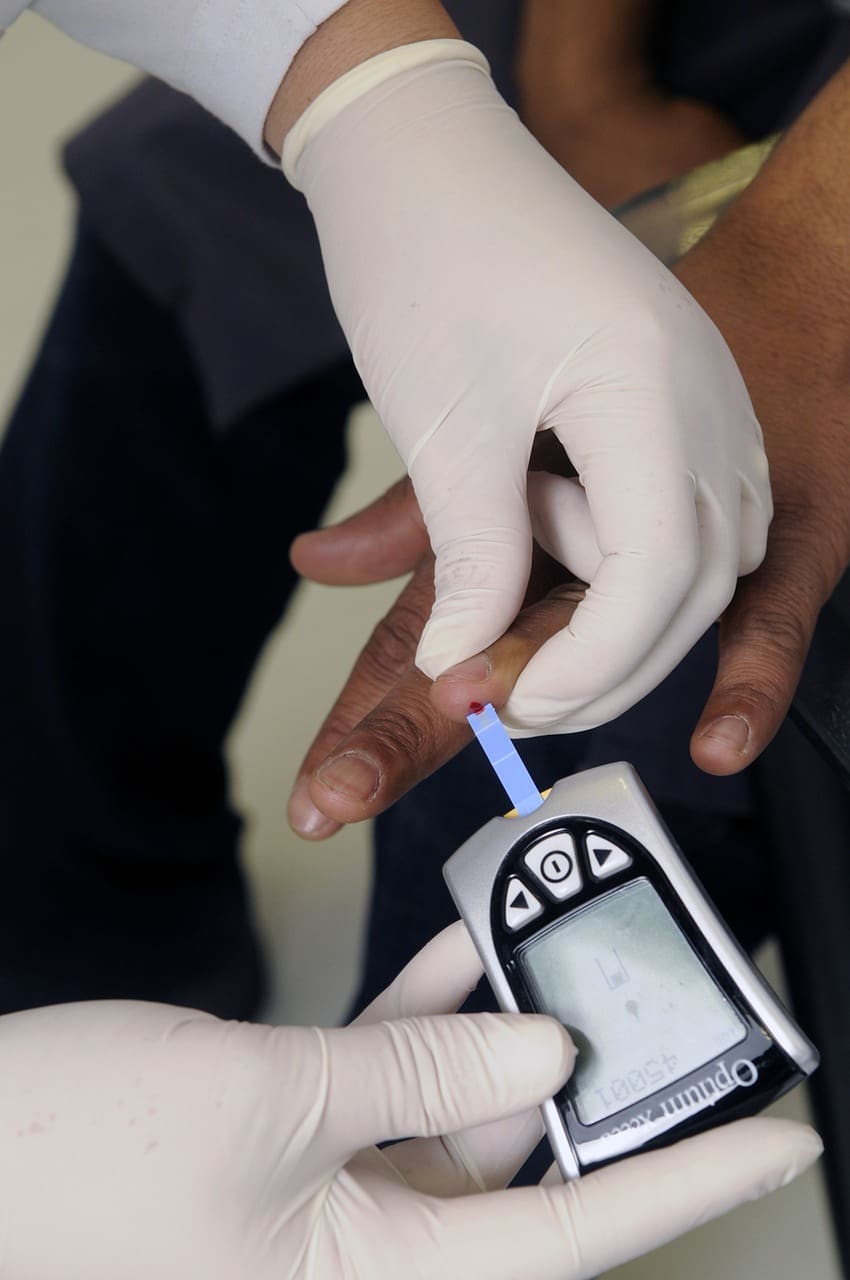
To stay motivated on your journey to lower cholesterol levels, it’s essential to track your progress and celebrate your achievements along the way. Keeping a journal or using a health app can help you monitor your dietary choices, exercise routine, and cholesterol levels.
Tools for Tracking Progress
Here are some tools you can use to track your progress:
- Food journal: Write down what you eat and drink each day to identify patterns and areas for improvement.
- Exercise log: Record your physical activity, including the type, duration, and intensity of exercise.
- Cholesterol tracking app: Use an app to monitor your cholesterol levels and track changes over time.
- Weight tracker: Keep track of your weight to see how changes in diet and exercise are affecting your overall health.
By regularly monitoring your progress, you can stay motivated and make adjustments to your lifestyle changes as needed.
Building a Support System
Making lifestyle changes to lower cholesterol can feel challenging, especially when trying to do it alone. Building a support system of friends, family, or a healthcare provider can provide encouragement, accountability, and motivation along the way.
Supportive Friends and Family
Share your goals and progress with friends and family members who can offer support and encouragement. You can also involve them in your lifestyle changes by cooking healthy meals together, going for walks, or participating in exercise activities.
Healthcare Providers
Consult with your doctor or a registered dietitian for guidance and personalized recommendations on lowering your cholesterol levels. They can provide expert advice, monitor your progress, and make necessary adjustments to your treatment plan.
By building a support system, you can stay motivated, accountable, and encouraged throughout your journey to lower cholesterol levels.

Overcoming Challenges
While embarking on a journey to lower cholesterol levels, you may encounter challenges along the way. It’s essential to anticipate these challenges and develop strategies to overcome them to stay motivated and make lasting lifestyle changes.
Common Challenges
Some common challenges you may face include:
- Cravings for unhealthy foods: Find healthier alternatives to satisfy your cravings, such as fruit instead of sugary snacks.
- Lack of time: Schedule time for meal prep, exercise, and self-care to prioritize your health.
- Social pressure: Communicate your goals with friends and family to gain support and understanding.
- Plateaus in progress: Make small changes to your routine to break through plateaus and continue seeing improvements.
By recognizing these challenges and proactively addressing them, you can stay motivated and focused on your goals.
Celebrating Successes
As you make progress towards lowering your cholesterol levels through lifestyle changes, it’s important to celebrate your successes and milestones along the way. Acknowledge your achievements, whether small or significant, and reward yourself for your hard work and dedication.
Ways to Celebrate
Here are some ways you can celebrate your successes:
- Set milestones: Break down your goals into smaller milestones and celebrate each one you achieve.
- Reward yourself: Treat yourself to something you enjoy, such as a spa day, new workout gear, or a healthy meal at your favorite restaurant.
- Share your success: Share your achievements with your support system to gain recognition and encouragement.
By celebrating your successes, you can stay motivated, inspired, and committed to making lasting lifestyle changes to lower your cholesterol levels.
In conclusion, staying motivated while making lifestyle changes to lower cholesterol is a journey that requires dedication, perseverance, and support. By understanding cholesterol, setting realistic goals, improving your diet, incorporating regular exercise, tracking your progress, building a support system, overcoming challenges, and celebrating successes, you can successfully lower your cholesterol levels and improve your heart health. Remember to stay positive, be patient with yourself, and stay committed to your goals. You’ve got this!