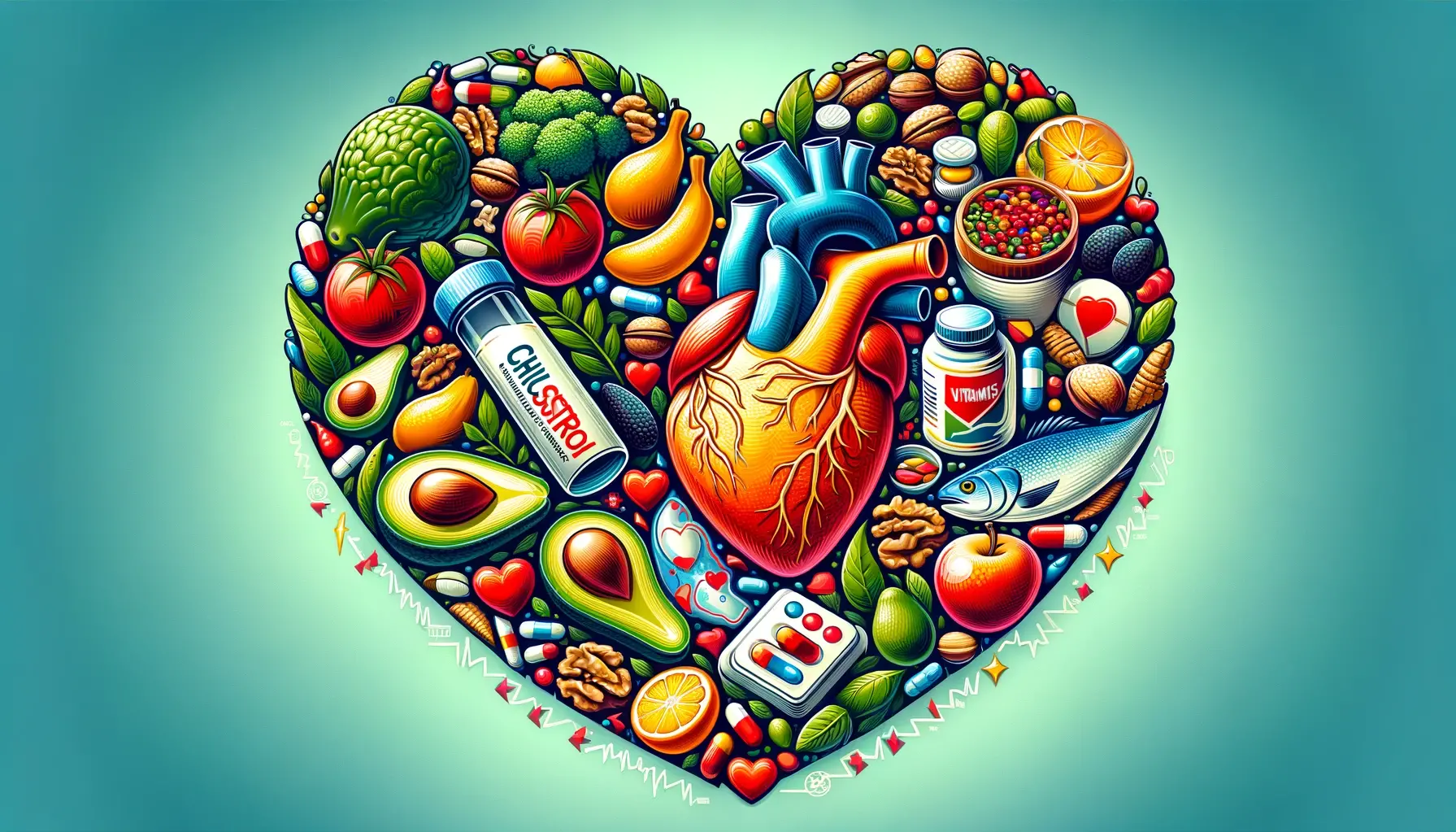

Have you ever wondered how stress can impact your cholesterol levels? In this article, we will explore the intricate relationship between stress and cholesterol, and how vitamins can play a significant role in maintaining healthy cholesterol levels. Let’s dive in and uncover the connections between stress, cholesterol, and the benefits of vitamins.
The Connection Between Stress and Cholesterol
Stress is a natural response that our bodies have to challenging situations. When we experience stress, our bodies release hormones like cortisol and adrenaline, which prepare us to deal with the stressful situation at hand. However, chronic stress can have negative effects on our health, including raising cholesterol levels.
Chronic stress can lead to unhealthy lifestyle choices, such as poor diet, lack of exercise, and smoking, all of which can contribute to high cholesterol levels. Furthermore, stress can directly impact cholesterol levels by promoting the production of LDL (bad) cholesterol and inhibiting the production of HDL (good) cholesterol.
Impact of Stress on Cholesterol Levels
When you are stressed, your body releases cortisol, a hormone that increases the production of LDL cholesterol. Additionally, stress can lead to inflammation in the body, which can further raise cholesterol levels. By understanding how stress impacts cholesterol levels, you can take proactive steps to manage your stress and maintain healthy cholesterol levels.
The Role of Vitamins in Cholesterol Management
Vitamins play a crucial role in supporting overall health and well-being, including maintaining healthy cholesterol levels. Certain vitamins have been shown to have a positive impact on cholesterol levels by promoting heart health and reducing inflammation in the body.
Vitamin D
Vitamin D is known as the “sunshine vitamin” because our bodies can produce it when exposed to sunlight. Research has shown that vitamin D plays a vital role in reducing LDL cholesterol levels and supporting heart health. Including vitamin D-rich foods in your diet, such as fatty fish, egg yolks, and fortified dairy products, can help maintain healthy cholesterol levels.
Vitamin C
Vitamin C is a powerful antioxidant that can help reduce inflammation in the body and promote heart health. Studies have shown that vitamin C can help lower LDL cholesterol levels and raise HDL cholesterol levels. Including vitamin C-rich foods in your diet, such as citrus fruits, bell peppers, and strawberries, can support healthy cholesterol levels.
Vitamin B3 (Niacin)
Vitamin B3, also known as niacin, has been shown to have a significant impact on cholesterol levels. Niacin can help lower LDL cholesterol levels, raise HDL cholesterol levels, and reduce triglycerides. However, it is essential to consult with a healthcare provider before taking niacin supplements, as high doses can have side effects.
Vitamin E
Vitamin E is a powerful antioxidant that can help reduce inflammation in the body and support heart health. Research has shown that vitamin E can help lower LDL cholesterol levels and reduce the risk of heart disease. Including vitamin E-rich foods in your diet, such as nuts, seeds, and spinach, can have a positive impact on cholesterol levels.
Incorporating Vitamins Into Your Diet
Incorporating vitamins into your diet is an excellent way to support heart health and maintain healthy cholesterol levels. By including a variety of vitamin-rich foods in your meals, you can ensure that you are getting essential nutrients to support overall well-being.
Vitamin-Rich Foods
- Fatty fish such as salmon, mackerel, and sardines are excellent sources of vitamin D and omega-3 fatty acids, which can help support heart health.
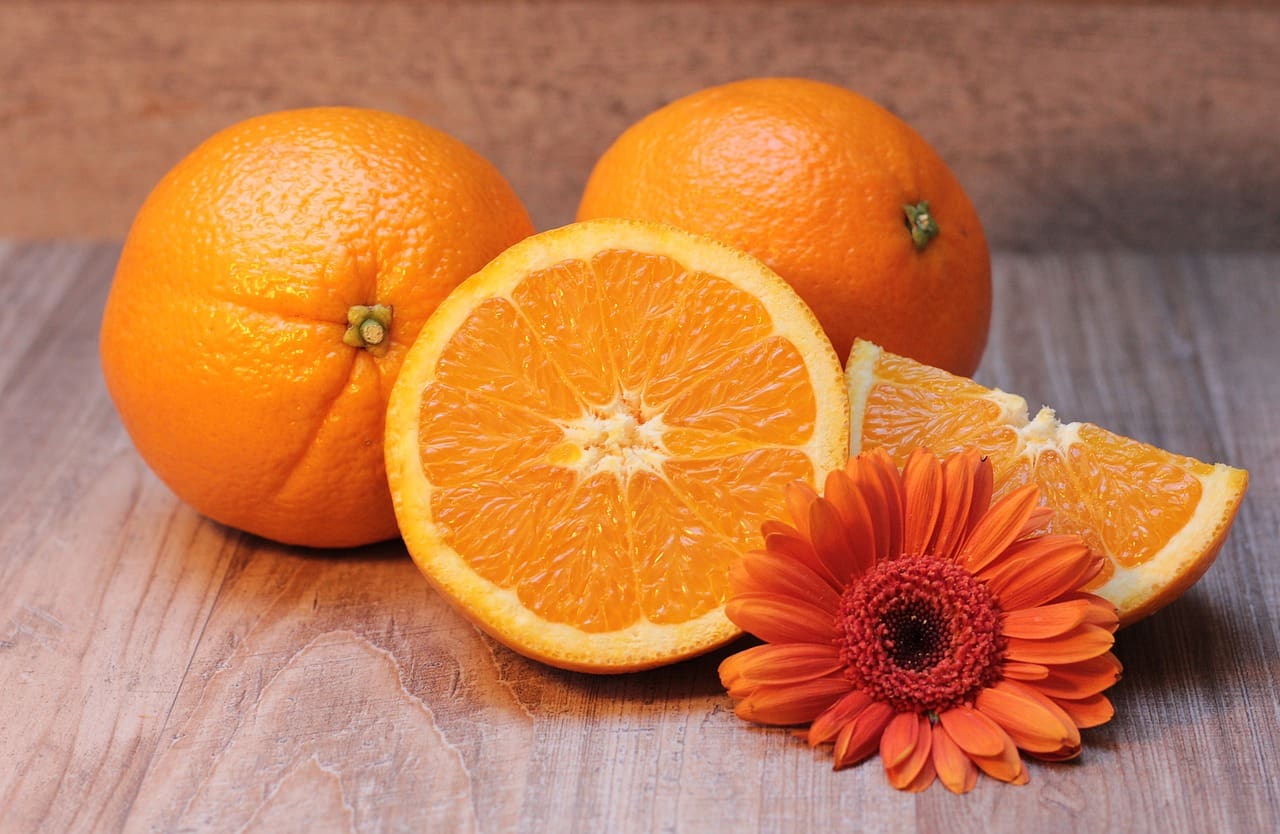
- Citrus fruits like oranges, grapefruits, and lemons are rich in vitamin C, which can help reduce inflammation and promote heart health.
- Nuts and seeds, such as almonds, walnuts, and chia seeds, are excellent sources of vitamin E and other nutrients that support heart health.
- Leafy greens like spinach, kale, and Swiss chard are rich in vitamins and antioxidants that can help lower cholesterol levels and reduce inflammation.
Vitamin Supplements
In addition to incorporating vitamin-rich foods into your diet, you may also consider taking vitamin supplements to ensure that you are getting an adequate amount of essential nutrients. However, it is essential to consult with a healthcare provider before starting any new supplements, as they may interact with medications or have side effects.

Managing Stress for Healthy Cholesterol Levels
Managing stress is crucial for maintaining healthy cholesterol levels and overall well-being. By adopting healthy lifestyle habits and stress-reducing techniques, you can support heart health and lower cholesterol levels.
Stress-Reducing Techniques
- Exercise: Regular physical activity can help reduce stress, lower cholesterol levels, and support heart health.
- Meditation: Practicing mindfulness meditation can help relax the mind and body, reduce stress, and promote overall well-being.
- Deep breathing: Taking deep breaths can help calm the nervous system, reduce stress, and lower cortisol levels.
- Yoga: Practicing yoga can help improve flexibility, reduce stress, and support heart health.
Healthy Lifestyle Habits
- Balanced diet: Eating a diet rich in fruits, vegetables, whole grains, and lean proteins can help support heart health and maintain healthy cholesterol levels.
- Adequate sleep: Getting enough quality sleep is essential for reducing stress, supporting overall health, and maintaining healthy cholesterol levels.
- Avoiding smoking: Smoking can raise cholesterol levels, promote inflammation, and increase the risk of heart disease. Quitting smoking is essential for heart health and overall well-being.
Conclusion
In conclusion, understanding the relationship between stress and cholesterol is essential for maintaining heart health and overall well-being. By incorporating vitamins into your diet, managing stress, adopting healthy lifestyle habits, and consulting with a healthcare provider, you can support healthy cholesterol levels and reduce the risk of heart disease. Prioritizing your health and taking proactive steps to manage stress can have a positive impact on your cholesterol levels and support your journey to a healthier life.
