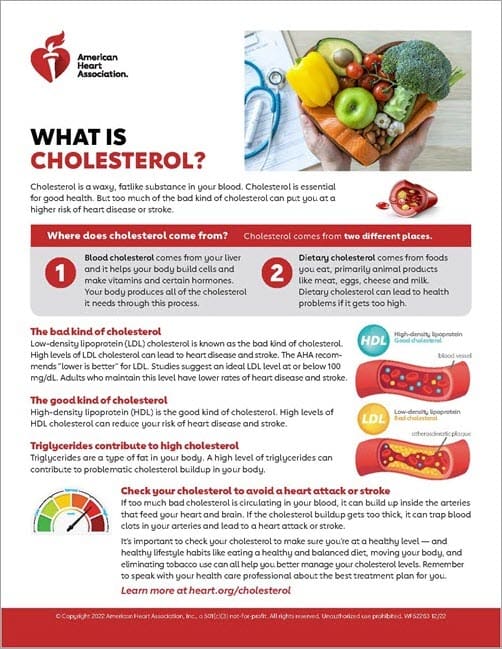

In a world inundated with information, it can be challenging to navigate through conflicting messages about cholesterol-lowering vitamins in the media. With numerous studies, opinions, and even conflicting research, it’s easy to be confused and unsure of what to believe. But fear not, for this article will guide you on how to make sense of all the information, enabling you to make informed decisions about cholesterol-lowering vitamins that align with your health goals.
Understanding Cholesterol-lowering Vitamins
What are cholesterol-lowering vitamins?
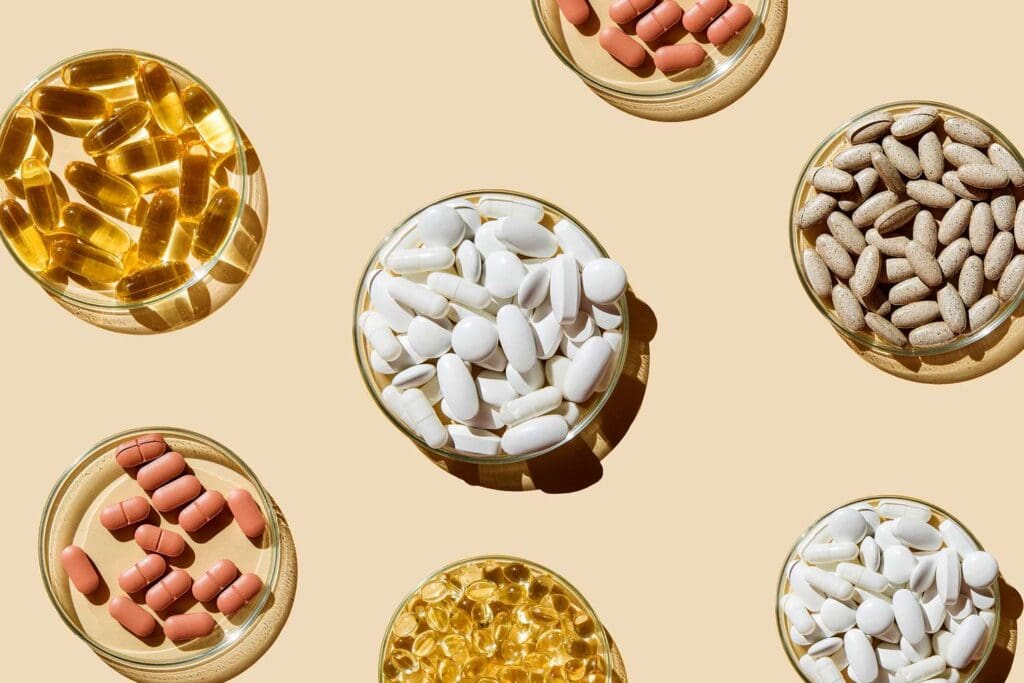
Cholesterol-lowering vitamins are a group of vitamins that have been found to help reduce cholesterol levels in the body. These vitamins work by either reducing the production of cholesterol in the liver or increasing the removal of cholesterol from the bloodstream. They are often used as a supplement alongside a healthy diet and lifestyle to support heart health.
Types of cholesterol-lowering vitamins
There are several vitamins that have been studied for their potential cholesterol-lowering effects. Some of the most commonly researched vitamins include vitamin C, vitamin E, vitamin B3 (niacin), and vitamin B9 (folic acid). These vitamins can be obtained through a balanced diet or taken as dietary supplements.
How do cholesterol-lowering vitamins work?
Cholesterol-lowering vitamins work in different ways to help maintain healthy cholesterol levels. Vitamin C, for example, is believed to inhibit the enzyme responsible for cholesterol synthesis, thereby reducing the production of cholesterol in the body. Vitamin E, on the other hand, acts as an antioxidant, preventing the oxidation of cholesterol and reducing the formation of plaques in the arteries.
Benefits of cholesterol-lowering vitamins
The benefits of cholesterol-lowering vitamins extend beyond their potential to reduce cholesterol levels. These vitamins have also been associated with other positive health effects. For example, vitamin C is known for its immune-boosting properties, while vitamin E is believed to support skin health. Additionally, certain B vitamins, such as niacin and folic acid, have been shown to support overall cardiovascular health.
Identifying Conflicting Information in the Media
Recognizing biased sources
When navigating through information about cholesterol-lowering vitamins in the media, it is important to be aware of biased sources. Some sources may have a vested interest in promoting certain products or beliefs, which can influence the information they provide. Be mindful of the source’s credibility and any potential conflicts of interest that may exist.
Differentiating between opinions and facts
It is crucial to differentiate between opinions and facts when evaluating information about cholesterol-lowering vitamins. Opinions are personal beliefs or preferences, while facts are supported by scientific evidence. Look for reliable sources that present information backed by research studies and reputable experts.
Identifying exaggerated claims
In the realm of health and nutrition, exaggerated claims are unfortunately common. Be skeptical of claims that sound too good to be true or that promise dramatic results with little to no effort. Look for evidence-based information and consult healthcare professionals to validate any claims before incorporating them into your lifestyle.
Understanding the role of advertisements
Advertisements play a significant role in shaping public perception about cholesterol-lowering vitamins. However, it is important to keep in mind that advertisements are designed to promote and sell products, often using persuasive tactics. Take advertisements with a grain of salt and seek additional information from reliable sources to make informed decisions.
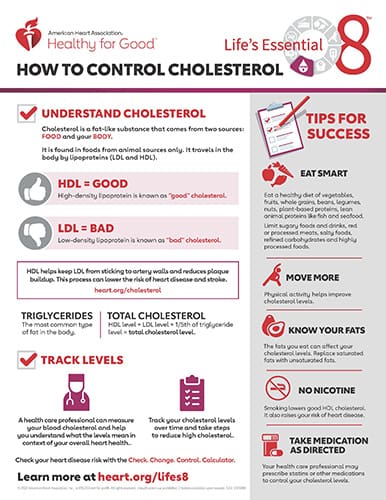
Evaluating Scientific Studies and Research
Considering the sample size and population
When evaluating scientific studies and research on cholesterol-lowering vitamins, it is important to consider the sample size and population involved. Larger sample sizes and diverse populations increase the generalizability and reliability of the findings. Be cautious of studies with small sample sizes or studies that focus on specific groups, as their results may not be applicable to the broader population.
Examining the methodology
The methodology used in a study can greatly impact the validity of its results. Look for studies that utilize rigorous and well-designed methods, such as randomized controlled trials (RCTs) or systematic reviews. These studies have stronger scientific evidence and are more likely to provide accurate and reliable information.
Reviewing peer-reviewed journals
Peer-reviewed journals are considered the gold standard for scientific research. Peer review ensures that the study has been evaluated and scrutinized by experts in the field to maintain its scientific accuracy and quality. When accessing information about cholesterol-lowering vitamins, prioritize studies published in reputable peer-reviewed journals.
Looking for consistent findings
While one study may provide valuable insights, it is important to consider the overall body of evidence on cholesterol-lowering vitamins. Look for consistent findings among multiple studies before drawing conclusions. Scientific consensus is formed when the majority of studies support a particular finding, providing a stronger basis for recommendations.
Consulting Professional Advice
Importance of consulting healthcare professionals
When it comes to understanding cholesterol-lowering vitamins and their potential effects on your health, it is crucial to consult healthcare professionals. Doctors, nutritionists, and registered dieticians can provide personalized advice based on your specific health needs and goals. They can help you navigate through conflicting information and make informed decisions about incorporating cholesterol-lowering vitamins into your routine.
Seeking advice from registered dieticians
Registered dieticians are nutrition experts who can provide evidence-based recommendations on diet and supplementation. They can help assess your dietary intake, identify any nutrient deficiencies, and guide you in incorporating cholesterol-lowering vitamins into a well-balanced diet. Their expertise can ensure that you are meeting your nutritional needs while supporting your heart health.
Recognizing the limitations of online information
While online information can be a valuable resource, it is essential to recognize its limitations. Information found online can vary greatly in terms of accuracy and reliability. Be cautious of self-proclaimed experts or websites that lack credible sources and scientific evidence. Always cross-check information with reputable sources and consult healthcare professionals for personalized advice.
Understanding individual health factors
Each individual is unique, and personal health factors must be taken into account when considering cholesterol-lowering vitamins. Factors such as age, sex, overall health, and existing medical conditions can influence the effectiveness and safety of these vitamins. It is important to discuss your individual health factors with healthcare professionals to determine if cholesterol-lowering vitamins are suitable for you.
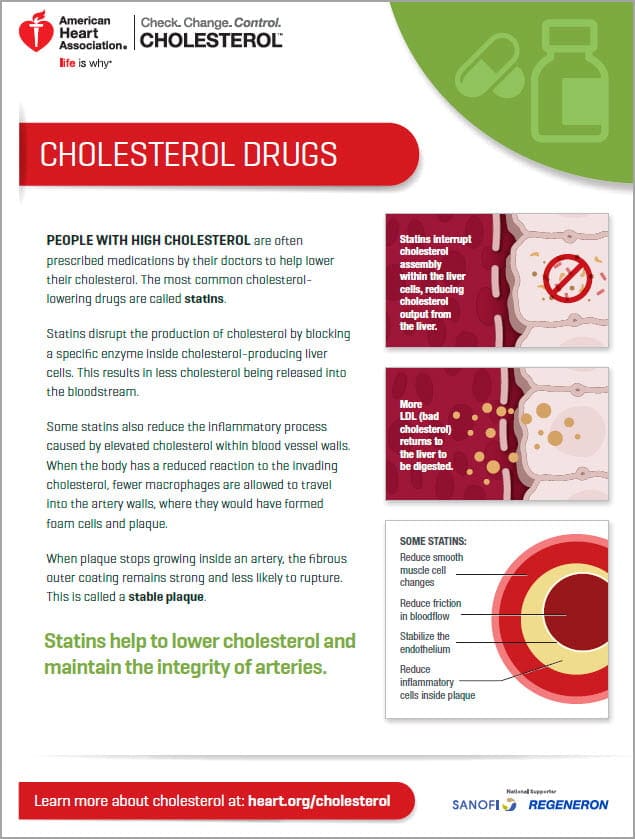
Analyzing Published Guidelines
Reviewing recommendations from reputable organizations
Reputable organizations such as the American Heart Association (AHA) and the National Institutes of Health (NIH) provide guidelines on various health topics, including cholesterol-lowering vitamins. These guidelines are based on extensive research and expert consensus. Reviewing recommendations from such organizations can help you make informed decisions about incorporating cholesterol-lowering vitamins into your health routine.
Understanding the strength of the evidence
Guidelines often categorize recommendations based on the strength of the evidence supporting them. Pay attention to whether a recommendation is classified as strong or weak and consider the quality of the evidence behind it. Strong recommendations are typically supported by multiple high-quality studies, while weak recommendations may be based on limited or conflicting evidence.
Considering any conflicts of interest
When reviewing published guidelines, it is important to consider any potential conflicts of interest that may exist. Conflicts of interest occur when individuals or organizations have financial or personal connections that could bias their recommendations. Look for transparency in guideline development and prioritize recommendations from organizations that actively disclose and manage conflicts of interest.
Following updated guidelines
As research evolves, guidelines are frequently updated to reflect the newest evidence. Stay up-to-date with the latest guidelines from reputable organizations to ensure you are following the most current recommendations for incorporating cholesterol-lowering vitamins into your health routine. Updated guidelines reflect the most recent scientific consensus and provide the best guidance for your overall well-being.
Interpreting Health Claims and Labels
Understanding dietary supplement claims
Dietary supplement labels often make various claims about the potential health benefits of their products. However, it is important to understand that these claims are regulated differently than claims for medications. Supplement claims must be accompanied by a disclaimer stating that they are not evaluated by the Food and Drug Administration (FDA) and are not intended to diagnose, treat, or prevent any disease. Approach supplement claims with critical thinking and consult healthcare professionals for guidance.
Reading and evaluating product labels
When considering cholesterol-lowering vitamin supplements, carefully read and evaluate product labels. Look for a complete list of ingredients, including the specific vitamins and their dosage. Check for any additional ingredients or potential allergens that you may need to avoid. Consider the reputation and track record of the brand and review customer feedback to ensure the product is of high quality.
Identifying misleading statements
Unfortunately, some product labels or marketing materials may contain misleading statements. Be cautious of exaggerated claims, unrealistic promises, or vague language that does not provide specific information. Misleading statements can lead to false expectations and waste of money. Seek reliable sources and consult healthcare professionals to verify the accuracy of any information that seems questionable.
Knowing the FDA regulations
The FDA regulates dietary supplements and has specific regulations in place to ensure their safety and proper labeling. Familiarize yourself with these regulations, such as the requirement for accurate ingredient lists and claims disclaimers. Knowing the FDA regulations can help you make informed decisions and choose reputable products that meet the necessary quality standards.
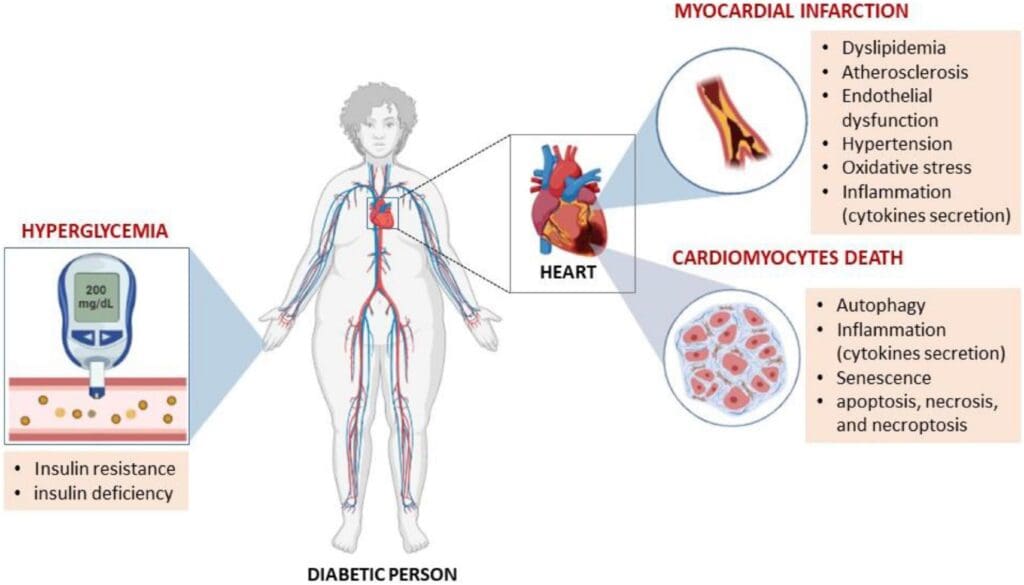
Considering Individual Needs and Risks
Understanding personal health goals
When considering cholesterol-lowering vitamins, it is important to align them with your personal health goals. Reflect on why you are interested in incorporating these vitamins into your routine. Are you looking to improve your cholesterol levels, support heart health, or address any specific concerns? Understanding your personal health goals will help you make decisions that are tailored to your unique needs.
Assessing individual risk factors
Individual risk factors, such as family history, existing medical conditions, and lifestyle choices, play a crucial role in determining the appropriateness and effectiveness of cholesterol-lowering vitamins. Assess your individual risk factors with the guidance of healthcare professionals to identify any specific vitamin recommendations or precautions that may be relevant to your situation.
Considering the impact on pre-existing conditions
If you have pre-existing medical conditions, it is important to consider the impact of cholesterol-lowering vitamins on these conditions. Certain vitamins may interact with medications or exacerbate certain health conditions. Consult healthcare professionals who are familiar with your medical history to determine the potential benefits and risks of incorporating cholesterol-lowering vitamins.
Taking into account medication interactions
Cholesterol-lowering vitamins, like any other supplement, can interact with medications. Some vitamins may enhance the effects of certain medications, while others may interfere with their absorption or effectiveness. It is essential to disclose all the medications you are taking to healthcare professionals so that they can assess any potential interactions and provide appropriate guidance.
Seeking Multiple Perspectives
Getting opinions from multiple experts
To gain a well-rounded understanding of cholesterol-lowering vitamins, seek opinions from multiple experts. Different professionals may have varying insights based on their areas of expertise and experiences. Consult doctors, nutritionists, registered dieticians, and other healthcare professionals to gather a range of perspectives that can help you make informed decisions.
Participating in online health communities
Online health communities can provide a platform for sharing experiences and insights related to cholesterol-lowering vitamins. Engaging in discussions with individuals who have similar health concerns or have tried cholesterol-lowering vitamins themselves can offer valuable perspectives. However, always remember to verify information and prioritize advice from reputable sources.
Attending educational seminars and workshops
Educational seminars and workshops are excellent opportunities to expand your knowledge about cholesterol-lowering vitamins and engage with experts in the field. These events often feature presentations, Q&A sessions, and interactive discussions that can address specific questions and concerns. Stay updated on local health-related events to take advantage of these learning opportunities.
Engaging in discussions with peers
Discussing cholesterol-lowering vitamins with peers can provide a different perspective and help you evaluate your own thoughts and beliefs. Engage in conversations with friends, family, or colleagues who may have insights or experiences related to cholesterol health. Remember to stay open-minded and consider various viewpoints to develop a well-rounded understanding.
Keeping Up with Latest Research
Following reputable health publications
To stay informed about the latest research on cholesterol-lowering vitamins, follow reputable health publications. These publications often feature articles highlighting recent studies, expert opinions, and new insights. Subscribing to newsletters or regularly visiting the websites of respected health publications can keep you up-to-date with the evolving knowledge in the field.
Subscribing to research journals and newsletters
Research journals and newsletters provide in-depth and peer-reviewed information on cholesterol-lowering vitamins. Consider subscribing to journals that focus on nutrition, cardiovascular health, or related fields to access the latest studies and scientific reviews. These publications can offer valuable insights into the effectiveness and safety of cholesterol-lowering vitamins.
Attending medical conferences or webinars
Medical conferences and webinars bring together experts from various fields, providing a platform to discuss and share the latest research on cholesterol-lowering vitamins. Attend these events to learn about groundbreaking studies, new findings, and emerging trends. Conference presentations and webinars often feature valuable information that can help you make informed decisions.
Utilizing online platforms for updated information
The internet offers a wealth of resources for staying updated on the latest research about cholesterol-lowering vitamins. Reputable websites, online databases, and scientific publications provide access to peer-reviewed studies, systematic reviews, and meta-analyses. Utilize these online platforms to explore the most current information and trends in the field.
Developing Critical Thinking Skills
Evaluating the credibility of sources
Developing critical thinking skills is essential when navigating through conflicting information. Assess the credibility of sources by considering their qualifications, expertise, and affiliations. Look for evidence-based information from reputable organizations, academic institutions, and well-established experts in the field of nutrition and cardiovascular health.
Applying logical reasoning and skepticism
Apply logical reasoning and skepticism when evaluating information about cholesterol-lowering vitamins. Take the time to analyze the available evidence, consider alternative explanations, and question any unsupported claims. Be aware of cognitive biases that may influence your own perception and judgments, and actively seek out diverse perspectives to challenge your thinking.
Fact-checking information before believing
Fact-checking is a crucial step in evaluating information about cholesterol-lowering vitamins. Verify claims, statistics, and research findings by cross-referencing information with multiple reliable sources. Fact-checking helps ensure the accuracy and integrity of the information you consume, enabling you to make well-informed decisions.
Considering scientific consensus
Scientific consensus refers to the collective agreement among experts in a particular field based on a thorough evaluation of the available evidence. When interpreting conflicting information, consider the weight of scientific consensus. Consensus demonstrates that a majority of experts in the field have reached similar conclusions, indicating a higher degree of reliability and credibility.