
Have you ever wondered if your child is getting enough essential vitamins to support their growth and development? As a parent, it’s natural to be concerned about your child’s nutrition. Understanding the importance of vitamins in a child’s diet and learning how to address any deficiencies can help ensure your child stays healthy and happy. Let’s explore some expert advice on addressing vitamin deficiency in children.
Why Are Vitamins Important for Children’s Health?
Vitamins play a crucial role in the overall health and well-being of children. They are essential for various bodily functions, such as growth, immune system function, and brain development. Without an adequate intake of vitamins, children may experience health issues and developmental delays. It’s important to ensure that your child is getting the right amount of vitamins through their diet or supplements.
Vitamins and Their Functions
Vitamins are divided into two categories: water-soluble vitamins (e.g., Vitamin C and B-complex) and fat-soluble vitamins (e.g., Vitamin A, D, E, and K). Each vitamin has its specific functions in the body, such as:
- Vitamin A: essential for vision and immune function.
- Vitamin C: important for the immune system and collagen production.
- Vitamin D: necessary for bone health and calcium absorption.
- Vitamin E: acts as an antioxidant and protects cells from damage.
- Vitamin K: plays a role in blood clotting and bone health.
- B Vitamins: support energy production, metabolism, and red blood cell formation.
Common Symptoms of Vitamin Deficiency in Children
It’s crucial to recognize the signs of vitamin deficiency in children to address the issue promptly. Some common symptoms of vitamin deficiencies include:
- Fatigue and weakness
- Slow growth rate
- Delayed wound healing
- Frequent infections
- Vision problems
- Skin issues
If you notice these symptoms in your child, it’s essential to consult with a healthcare provider to determine the underlying cause and develop a suitable treatment plan.

How to Address Vitamin Deficiency in Children
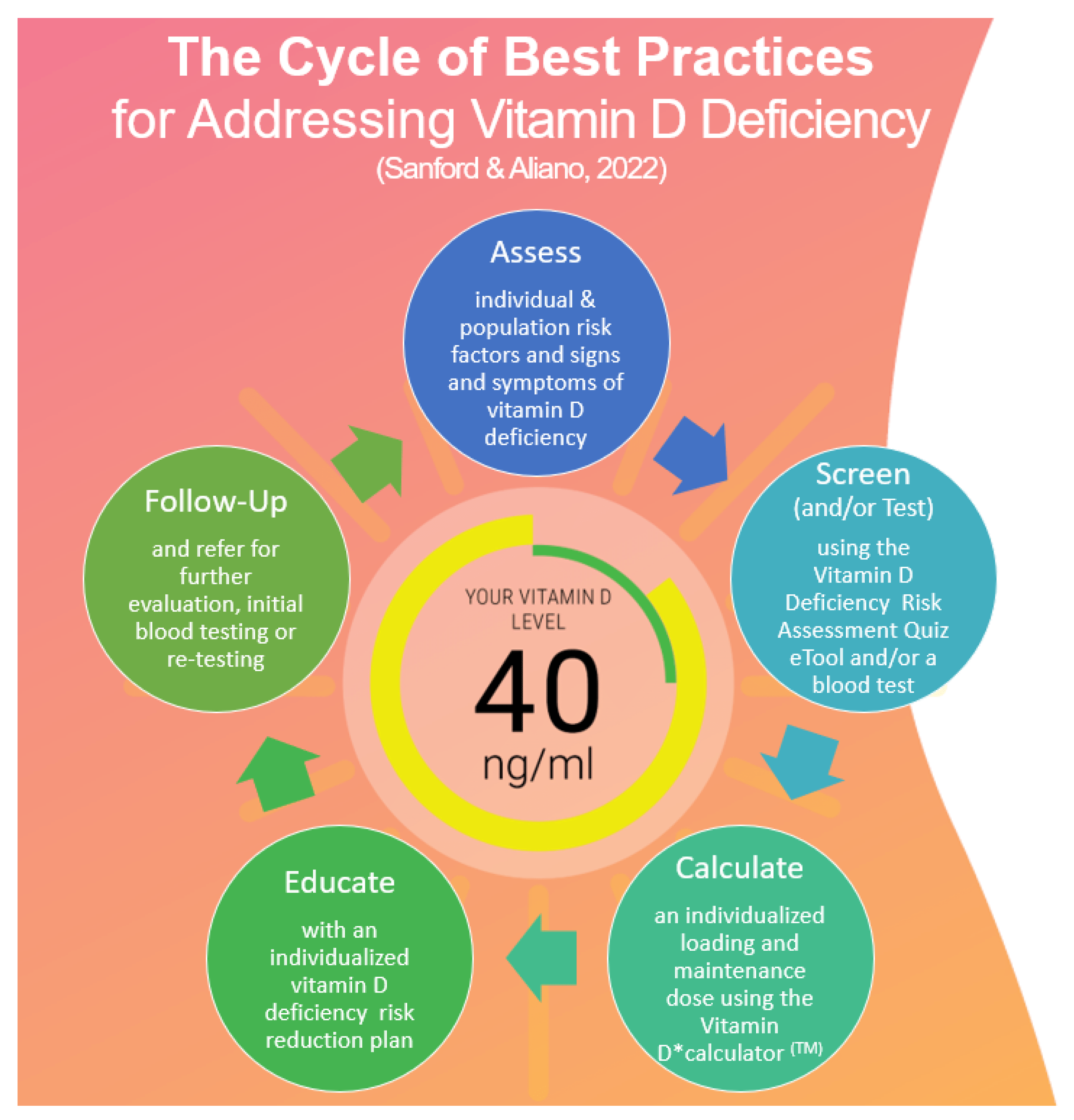
Addressing vitamin deficiency in children requires a multi-faceted approach, including dietary changes, supplements, and regular monitoring. It’s essential to work closely with healthcare professionals, such as pediatricians and dietitians, to ensure your child receives the necessary vitamins for optimal health.
Dietary Changes
One of the most effective ways to address vitamin deficiency in children is through dietary changes. Encouraging your child to eat a well-balanced diet that includes a variety of fruits, vegetables, whole grains, and lean proteins can help ensure they are getting all the essential vitamins. Some nutrient-rich foods to include in your child’s diet are:
| Vitamin | Food Sources |
|---|---|
| Vitamin A | Carrots, sweet potatoes, spinach |
| Vitamin C | Oranges, strawberries, broccoli |
| Vitamin D | Fatty fish, fortified milk |
| Vitamin E | Nuts, seeds, leafy greens |
| Vitamin K | Kale, Brussels sprouts, cabbage |
| B Vitamins | Eggs, poultry, whole grains |
Vitamin Supplements
In some cases, dietary changes alone may not be sufficient to address vitamin deficiency in children. In such instances, healthcare providers may recommend vitamin supplements to help meet your child’s nutritional needs. It’s essential to consult with a healthcare professional before giving your child any supplements to ensure they are safe and appropriate for your child’s age and health condition.
Regular Monitoring
Monitoring your child’s nutrient levels through regular check-ups and blood tests is crucial for addressing vitamin deficiency. Healthcare providers can assess your child’s vitamin levels and recommend appropriate interventions if deficiencies are detected. Regular monitoring can help track your child’s progress and make necessary adjustments to their diet or supplement regimen.

Tips for Preventing Vitamin Deficiency in Children
Preventing vitamin deficiency in children involves establishing healthy eating habits and lifestyle practices from an early age. Here are some tips to help ensure your child receives an adequate intake of essential vitamins:
Encourage a Variety of Foods
Encouraging your child to eat a diverse range of foods can help ensure they receive a wide array of essential vitamins and minerals. Make mealtime fun by incorporating different colors, textures, and flavors into their meals to make eating nutritious foods more enjoyable.
Limit Processed and Sugary Foods
Processed and sugary foods often lack essential nutrients and can displace healthier options in your child’s diet. Limiting the consumption of these foods can help prevent vitamin deficiencies and promote overall health.
Get Plenty of Sunshine
Vitamin D is known as the “sunshine vitamin” because our bodies can produce it when exposed to sunlight. Encouraging your child to spend time outdoors can help boost their vitamin D levels naturally. Just remember to apply sunscreen to protect their skin from harmful UV rays.
Involve Your Child in Meal Preparation
Involving your child in meal preparation can help them develop a positive relationship with food and encourage them to try new foods. Allow your child to help with grocery shopping, meal planning, and cooking to foster a love for healthy eating habits.
Consult with Healthcare Professionals
Consulting with healthcare professionals, such as pediatricians and dietitians, can provide valuable insights and guidance on addressing and preventing vitamin deficiency in children. They can tailor recommendations based on your child’s specific needs and help you navigate any challenges along the way.

Final Thoughts
Addressing vitamin deficiency in children is essential for promoting their overall health and well-being. By understanding the importance of vitamins, recognizing common symptoms of deficiency, and implementing proactive measures, you can help ensure your child receives the essential nutrients they need to thrive. Remember to work closely with healthcare professionals to develop a personalized plan that meets your child’s unique needs and supports their growth and development. Your efforts to address and prevent vitamin deficiency in your child will benefit them now and in the long run.