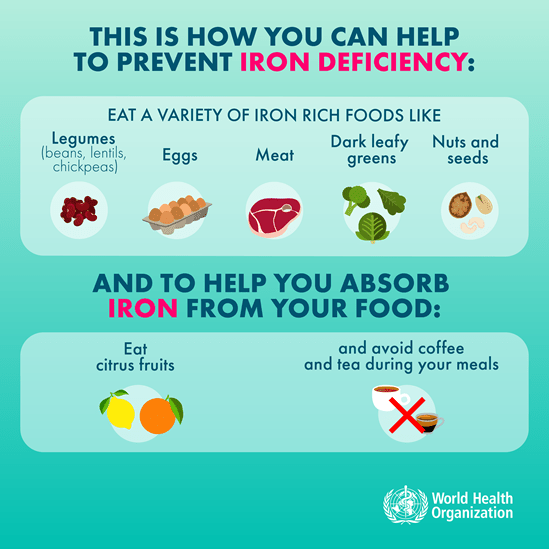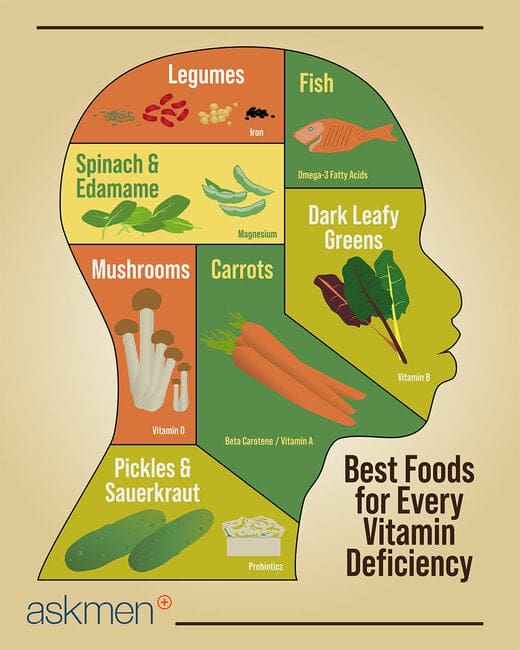
Welcome to a comprehensive guide on effective strategies for preventing vitamin deficiency. In today’s fast-paced world, it can be challenging to keep up with the proper intake of essential vitamins. However, by incorporating simple habits into your daily routine such as eating a balanced diet, taking quality supplements, and getting regular blood tests, you can effectively prevent vitamin deficiencies and maintain optimal health. Let’s explore some practical tips and tricks to ensure you are getting all the vitamins your body needs. Have you ever wondered how you can prevent vitamin deficiency and maintain optimal health? Your body relies on vitamins to function properly, but sometimes it can be challenging to ensure you are getting enough through your diet alone. In this article, we will explore effective strategies to help you prevent vitamin deficiency and keep your body in balance. Let’s dive in!
Importance of Vitamins
Vitamins are essential nutrients that your body needs to carry out various functions, from supporting your immune system to promoting healthy skin and hair. When you lack certain vitamins, it can lead to deficiency symptoms and health issues. By understanding the importance of vitamins, you can make informed decisions about your diet and lifestyle to prevent deficiencies.
Vitamin A:
Vitamin A plays a crucial role in supporting vision, skin health, and immune function. It can be found in foods like carrots, sweet potatoes, and leafy greens. Lack of vitamin A can lead to night blindness and compromised immunity.
Vitamin C:
Vitamin C is known for its powerful antioxidant properties and its role in collagen production. Citrus fruits, bell peppers, and broccoli are excellent sources of vitamin C. A deficiency in vitamin C can result in easy bruising, slow wound healing, and weakened immune system.
Understanding Vitamin Deficiency
Vitamin deficiency occurs when your body lacks a sufficient amount of a specific vitamin. There are various causes of vitamin deficiency, including poor diet, certain medical conditions, and malabsorption issues. Different vitamins play different roles in the body, and a deficiency in any one of them can have negative health consequences.
Common Symptoms of Vitamin Deficiency:
- Fatigue
- Weakness
- Poor immune function
- Skin issues
- Digestive problems
Risk Factors for Vitamin Deficiency:
- Poor diet
- Digestive disorders
- Age-related changes
- Pregnancy or breastfeeding
How to Prevent Vitamin Deficiency
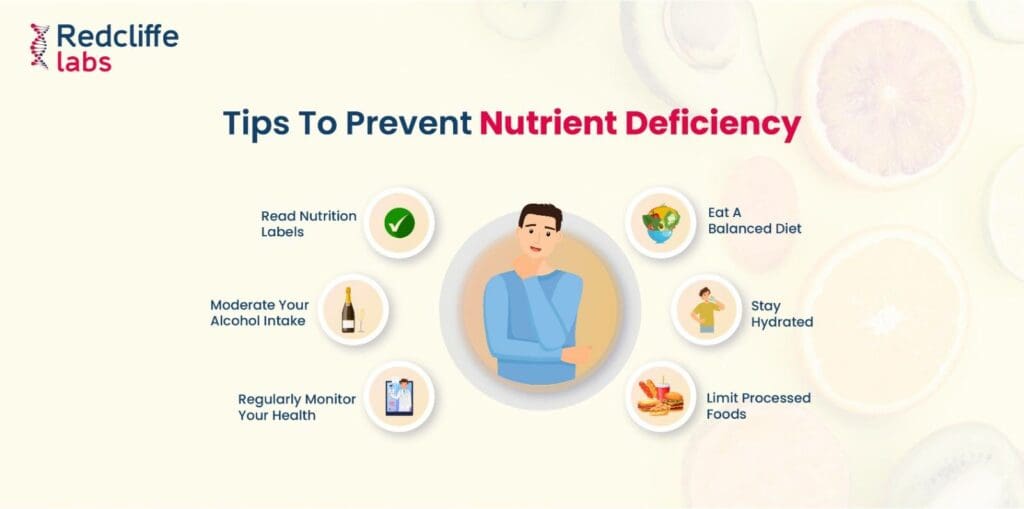
Preventing vitamin deficiency is crucial for maintaining overall health and well-being. There are several effective strategies you can incorporate into your daily routine to ensure you are meeting your body’s vitamin needs. By adopting these strategies, you can reduce your risk of deficiency and promote optimal health.
Balanced Diet:
Eating a balanced diet rich in fruits, vegetables, whole grains, lean proteins, and healthy fats is essential for preventing vitamin deficiency. Make sure to include a variety of foods to ensure you are getting a wide range of vitamins and minerals.
Supplement When Necessary:
In some cases, it may be challenging to get all the vitamins you need from your diet alone. Consider taking a multivitamin supplement to fill any gaps in your nutrient intake. Consult with a healthcare provider before starting any supplements.
Regular Blood Tests:
Regular blood tests can help you monitor your vitamin levels and catch any deficiencies early on. Talk to your healthcare provider about getting regular screenings to ensure you are meeting your body’s vitamin needs.
Understanding Vitamin D Deficiency
Vitamin D is a unique vitamin that your body can produce when exposed to sunlight. However, many people still struggle with vitamin D deficiency due to lifestyle factors, skin tone, and geographic location. Understanding the importance of vitamin D and how to prevent deficiency is crucial for overall health.
Importance of Vitamin D:
Vitamin D plays a vital role in calcium absorption, bone health, immune function, and mood regulation. Lack of vitamin D can lead to weak bones, increased risk of fractures, and compromised immune system.
Sources of Vitamin D:
- Sunlight
- Fatty fish (salmon, mackerel)
- Fortified foods (milk, cereal)
- Supplements
Strategies for Preventing Vitamin D Deficiency
Preventing vitamin D deficiency requires a combination of sunlight exposure, dietary intake, and supplementation. By incorporating these strategies into your daily routine, you can maintain optimal vitamin D levels and support your overall health.
Sun Exposure:
Spending time outdoors in the sun is the best way for your body to produce vitamin D naturally. Aim for 10-30 minutes of sun exposure on your arms, legs, or face a few times a week, depending on your skin tone and location.
Dietary Sources:
Include foods rich in vitamin D in your diet, such as fatty fish (salmon, tuna), egg yolks, and fortified dairy products. While diet alone may not provide enough vitamin D, it can still contribute to your overall intake.
Supplements:
If you have limited sun exposure, live in a northern latitude, or have a condition that affects vitamin D absorption, consider taking a vitamin D supplement. Consult with a healthcare provider to determine the right dosage for your individual needs.
Importance of B Vitamins
The B vitamins are a group of essential nutrients that play a crucial role in energy production, metabolism, and nervous system function. There are eight B vitamins, each with its unique functions and benefits for the body. Understanding the importance of B vitamins and how to prevent deficiency is essential for overall health.
Types of B Vitamins:
- B1 (Thiamine)
- B2 (Riboflavin)
- B3 (Niacin)
- B5 (Pantothenic Acid)
- B6 (Pyridoxine)
- B7 (Biotin)
- B9 (Folate)
- B12 (Cobalamin)
Benefits of B Vitamins:
- Energy production
- Metabolism
- Healthy skin and hair
- Nervous system function
- Red blood cell formation

Strategies for Preventing B Vitamin Deficiency
Preventing B vitamin deficiency involves consuming a varied diet rich in whole grains, lean proteins, nuts, seeds, and leafy greens. By incorporating these foods into your meals, you can ensure you are meeting your body’s B vitamin needs and maintaining optimal health.
Whole Grains:
Whole grains like brown rice, quinoa, and oats are excellent sources of B vitamins, including B1, B2, and B6. Make sure to include whole grains in your diet to support energy production and metabolism.
Lean Proteins:
Lean proteins like chicken, turkey, fish, and tofu are rich in B vitamins, particularly B3 (Niacin) and B6 (Pyridoxine). Including lean proteins in your meals can help you meet your body’s B vitamin needs and support overall health.
Leafy Greens:
Leafy greens such as spinach, kale, and broccoli are packed with B vitamins, including folate (B9). Adding leafy greens to your salads, smoothies, or stir-fries is a great way to boost your B vitamin intake and promote optimal health.
Conclusion
Preventing vitamin deficiency is essential for maintaining overall health and well-being. By understanding the importance of vitamins, recognizing the common symptoms of deficiency, and adopting effective prevention strategies, you can ensure you are meeting your body’s nutrient needs. Remember to prioritize a balanced diet, consider supplementation when necessary, and monitor your vitamin levels regularly to keep your body in balance. Take care of your health by taking proactive steps to prevent vitamin deficiency and promote optimal wellness.