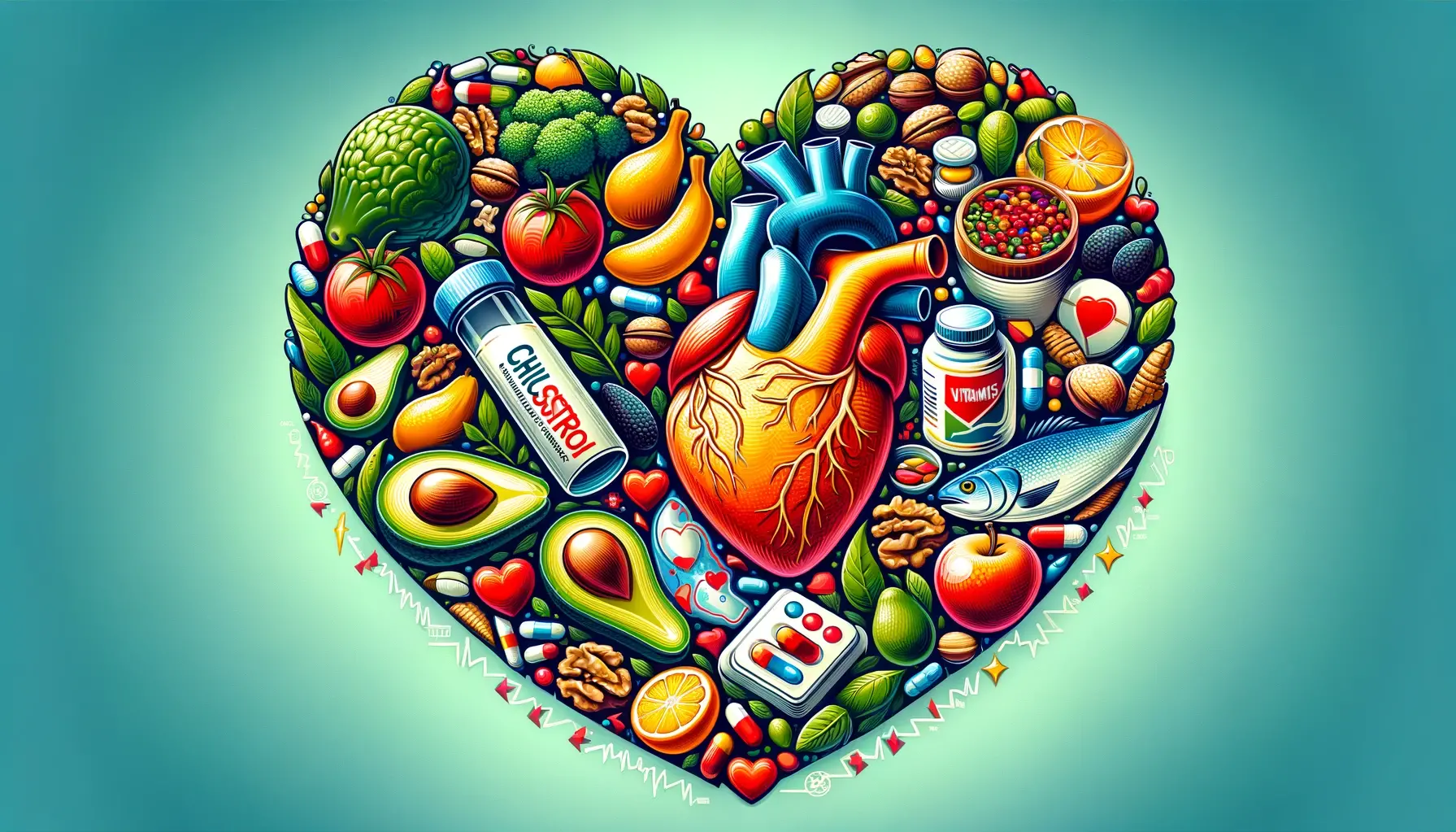

Are you looking for natural ways to lower your cholesterol levels? Look no further! In this article, we provide you with a comprehensive list of supplements that have been scientifically proven to help lower cholesterol. From popular options like omega-3 fatty acids and fiber to lesser-known choices like plant sterols and red yeast rice, we’ve got you covered. Read on to discover the power of these supplements and take control of your cholesterol levels today.
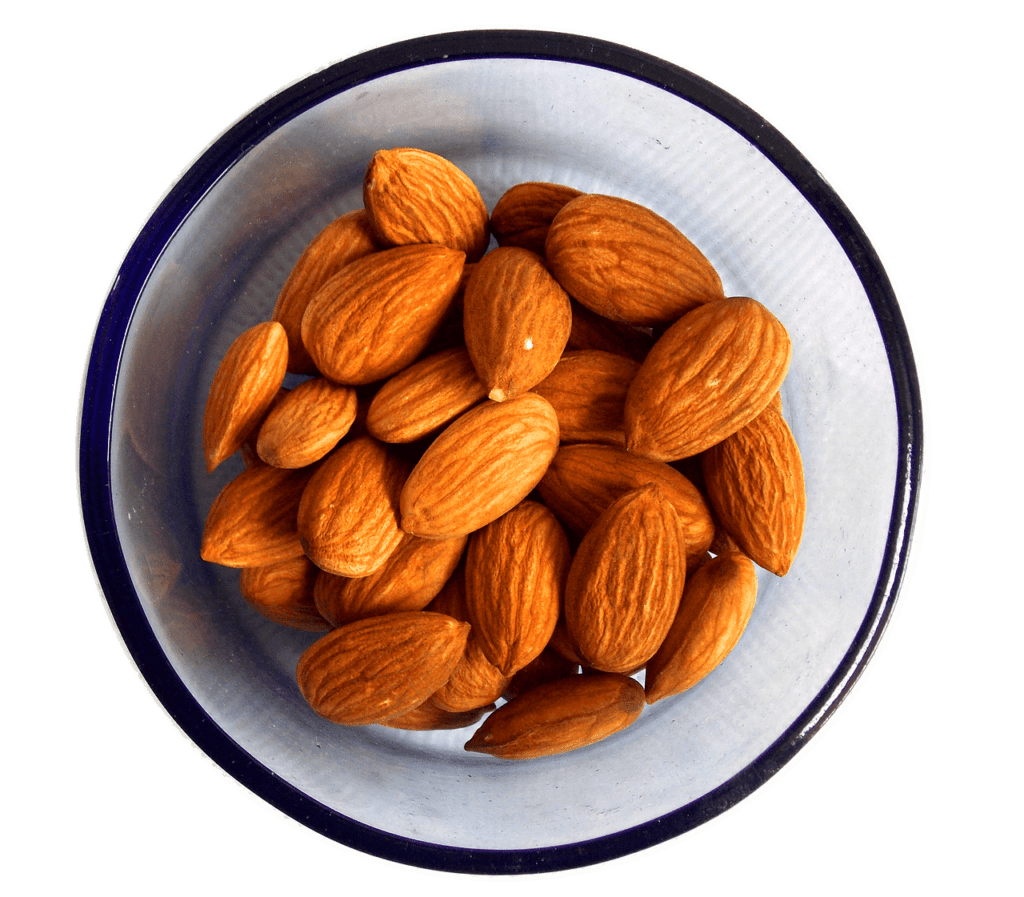
Omega-3 Fatty Acids
Benefits of Omega-3 Fatty Acids
Omega-3 fatty acids are essential fats that offer numerous benefits for your health, especially when it comes to cholesterol management. These fatty acids have been found to lower triglyceride levels, reduce inflammation, and promote overall heart health. By incorporating omega-3 fatty acids into your diet, you can help improve your cholesterol profile and reduce the risk of cardiovascular diseases.
Sources of Omega-3 Fatty Acids
To ensure an adequate intake of omega-3 fatty acids, it’s important to include food sources rich in these healthy fats in your diet. Some of the best sources of omega-3 fatty acids include fatty fish such as salmon, mackerel, and sardines. Additionally, plant-based sources such as flaxseeds, chia seeds, and walnuts also contain omega-3 fatty acids.
Recommended Dosage
The American Heart Association recommends consuming at least two servings of fatty fish per week to obtain the benefits of omega-3 fatty acids. For individuals who do not consume fish, omega-3 supplements derived from fish oil or algal oil capsules can be a suitable alternative. It’s important to consult with your healthcare provider to determine the appropriate dosage for your specific needs.
Plant Sterols and Stanols
Benefits of Plant Sterols and Stanols
Plant sterols and stanols are natural compounds that have been scientifically proven to help lower LDL cholesterol levels, often referred to as the “bad” cholesterol. These compounds work by blocking the absorption of cholesterol in the intestines, effectively reducing its presence in the bloodstream. By incorporating plant sterols and stanols into your diet, you can make significant strides in managing your cholesterol levels.
Sources of Plant Sterols and Stanols
Plant sterols and stanols are naturally present in small amounts in many fruits, vegetables, whole grains, and nuts. However, it can be challenging to consume enough of these foods to obtain the necessary dosage for cholesterol management. Fortified foods such as margarines, spreads, and yogurt are available in the market and enriched with higher concentrations of plant sterols and stanols.
Recommended Dosage
The National Cholesterol Education Program recommends consuming 2 grams of plant sterols and stanols daily to effectively lower LDL cholesterol levels. This amount can be obtained through a combination of natural food sources and fortified products. It’s important to note that while plant sterols and stanols are safe for most individuals, it’s advisable to consult with your healthcare provider before starting any supplementation routine.
Fiber Supplements
Benefits of Fiber Supplements
Fiber is an essential part of a healthy diet, and it plays a crucial role in cholesterol management. Consuming an adequate amount of dietary fiber has been shown to effectively reduce LDL cholesterol levels, as well as promote a healthy digestive system. Fiber supplements provide a convenient option to increase fiber intake, especially for individuals who struggle to meet their daily fiber needs through diet alone.
Sources of Fiber Supplements
Fiber supplements are typically derived from plant sources such as psyllium husk, wheat dextrin, or methylcellulose. These supplements are available in various forms, including capsules, powders, and even chewable tablets. It’s important to choose a supplement that is suitable for your specific dietary needs and preferences.
Recommended Dosage
The American Heart Association recommends consuming at least 25 to 30 grams of dietary fiber per day for optimal cholesterol management. Including fiber supplements as part of your daily routine can help bridge the gap between your current fiber intake and the recommended amount. However, it’s important to gradually increase fiber consumption and ensure adequate hydration to prevent digestive discomfort.
Garlic
Benefits of Garlic
Garlic has long been regarded as a staple in natural medicine due to its potential health benefits. When it comes to cholesterol management, garlic has been shown to modestly reduce total cholesterol and LDL cholesterol levels. This flavorful bulb offers additional advantages such as improving blood pressure and reducing inflammation, making it an excellent addition to a heart-healthy diet.
Recommended Dosage
There is no specific recommendation for the dosage of garlic as a dietary supplement for cholesterol management. However, most studies on the subject have used doses ranging from 600 to 1,200 milligrams per day. It’s important to consult with your healthcare provider before starting any new supplementation routine, especially if you have any underlying medical conditions or take medications that may interact with garlic.

Niacin
Benefits of Niacin
Niacin, also known as vitamin B3, has been found to have a positive impact on cholesterol levels. It can effectively raise levels of high-density lipoprotein (HDL) cholesterol, often referred to as the “good” cholesterol, while simultaneously lowering levels of LDL cholesterol and triglycerides. This essential vitamin also plays a crucial role in cellular energy production and overall cardiovascular health.
Recommended Dosage
Niacin is available in both prescription and over-the-counter forms. The recommended dosage can vary depending on the specific formulation and individual needs. It’s essential to consult with your healthcare provider to determine the appropriate dosage of niacin, as high doses can lead to certain side effects such as flushing or liver damage. Regular monitoring of cholesterol levels and liver function is also important when taking niacin supplements.
Coenzyme Q10
Benefits of Coenzyme Q10
Coenzyme Q10, also known as CoQ10, is a naturally occurring compound in the body that plays a crucial role in energy production within the cells. This powerful antioxidant has been found to offer various benefits for heart health, including reducing LDL cholesterol oxidation and promoting the health of blood vessels. Supplementing with CoQ10 may be beneficial for individuals with heart conditions or those taking statin medications to manage cholesterol levels.
Recommended Dosage
The appropriate dosage of CoQ10 can vary depending on individual needs and health conditions. While there is no standard recommended dosage, studies have shown potential benefits with doses ranging from 100 to 200 milligrams per day. It’s essential to consult with your healthcare provider to determine the appropriate dosage and to ensure there are no interactions with any medications you may be taking.
Red Yeast Rice
Benefits of Red Yeast Rice
Red yeast rice is a traditional Chinese culinary ingredient that has gained popularity as a natural supplement for managing cholesterol levels. It contains naturally occurring statins, which are compounds known for their cholesterol-lowering properties. Red yeast rice has been shown to modestly reduce total cholesterol and LDL cholesterol levels, making it a potential alternative for individuals who cannot tolerate prescription statin medications.
Recommended Dosage
The appropriate dosage of red yeast rice can vary depending on the specific product and individual needs. It’s important to choose a reputable brand and consult with your healthcare provider to determine the appropriate dosage and ensure there are no potential interactions with any medications you may be taking. Regular monitoring of cholesterol levels is also recommended to ensure effectiveness.
Green Tea Extract
Benefits of Green Tea Extract
Green tea extract is derived from the leaves of the Camellia sinensis plant and is rich in antioxidants called catechins. These compounds have been found to have a positive impact on cholesterol levels by reducing LDL cholesterol and triglycerides. Green tea extract also offers additional benefits such as promoting weight loss and improving overall cardiovascular health.
Recommended Dosage
The appropriate dosage of green tea extract can vary depending on the specific product and individual needs. Studies have shown potential benefits with doses ranging from 300 to 900 milligrams per day. However, it’s important to note that green tea extract contains caffeine, so individuals who are sensitive to caffeine should use it with caution. It’s advisable to consult with your healthcare provider before incorporating green tea extract into your routine.
Berberine
Benefits of Berberine
Berberine is a compound found in various plants and has been used in traditional medicine for its potential health benefits. This natural supplement has been found to effectively reduce total cholesterol, LDL cholesterol, and triglyceride levels. Berberine works by activating enzymes that help regulate lipid metabolism, making it a promising option for cholesterol management.
Recommended Dosage
The appropriate dosage of berberine can vary depending on individual needs and health conditions. Studies have shown potential benefits with doses ranging from 500 to 1,500 milligrams per day. However, it’s important to consult with your healthcare provider before starting any new supplementation routine, especially if you have underlying medical conditions or take medications that may interact with berberine.
Artichoke Leaf Extract
Benefits of Artichoke Leaf Extract
Artichoke leaf extract is derived from the leaves of the artichoke plant and has been used for centuries for its potential medicinal properties. This extract contains compounds that have been found to help lower LDL cholesterol levels and increase HDL cholesterol levels, making it a promising supplement for cholesterol management. Artichoke leaf extract also offers additional benefits such as improved digestion and liver health.
Recommended Dosage
The appropriate dosage of artichoke leaf extract can vary depending on the specific product and individual needs. Studies have shown potential benefits with doses ranging from 600 to 1,800 milligrams per day. It’s advisable to consult with your healthcare provider to determine the appropriate dosage and ensure there are no potential interactions with any medications you may be taking. Regular monitoring of cholesterol levels is also recommended to gauge effectiveness.
Incorporating these supplements into your cholesterol management routine can offer a natural and effective approach to lowering cholesterol levels and promoting heart health. However, it’s important to remember that supplements should not replace a healthy diet and lifestyle. Consult with your healthcare provider before starting any new supplementation routine to ensure safety and efficacy. By combining these supplements with a well-balanced diet, regular exercise, and other lifestyle modifications, you can take proactive steps towards achieving optimal cholesterol levels and maintaining cardiovascular wellness.