

Have you been diagnosed with high cholesterol and are unsure of where to start in managing it? You may feel overwhelmed by the amount of information out there on diet, exercise, and medication options. Don’t worry, you’re not alone in feeling this way. In this article, we will discuss how you can work with a healthcare professional to create an effective cholesterol management plan tailored to your specific needs and goals.
Understanding Cholesterol
Cholesterol is a waxy, fat-like substance found in your blood. It is important for building healthy cells, but too much cholesterol can lead to plaque buildup in your arteries, increasing your risk of heart disease and stroke. There are two main types of cholesterol:
- LDL (Low-Density Lipoprotein): Known as the “bad” cholesterol, high levels of LDL can lead to plaque buildup in your arteries.
- HDL (High-Density Lipoprotein): Known as the “good” cholesterol, HDL helps remove LDL from your arteries.
Importance of Managing Cholesterol
Balancing your cholesterol levels is essential for maintaining a healthy heart and reducing your risk of cardiovascular diseases. By working with a healthcare professional to create a cholesterol management plan, you can take control of your health and make positive changes to improve your overall well-being.

Consulting a Healthcare Professional
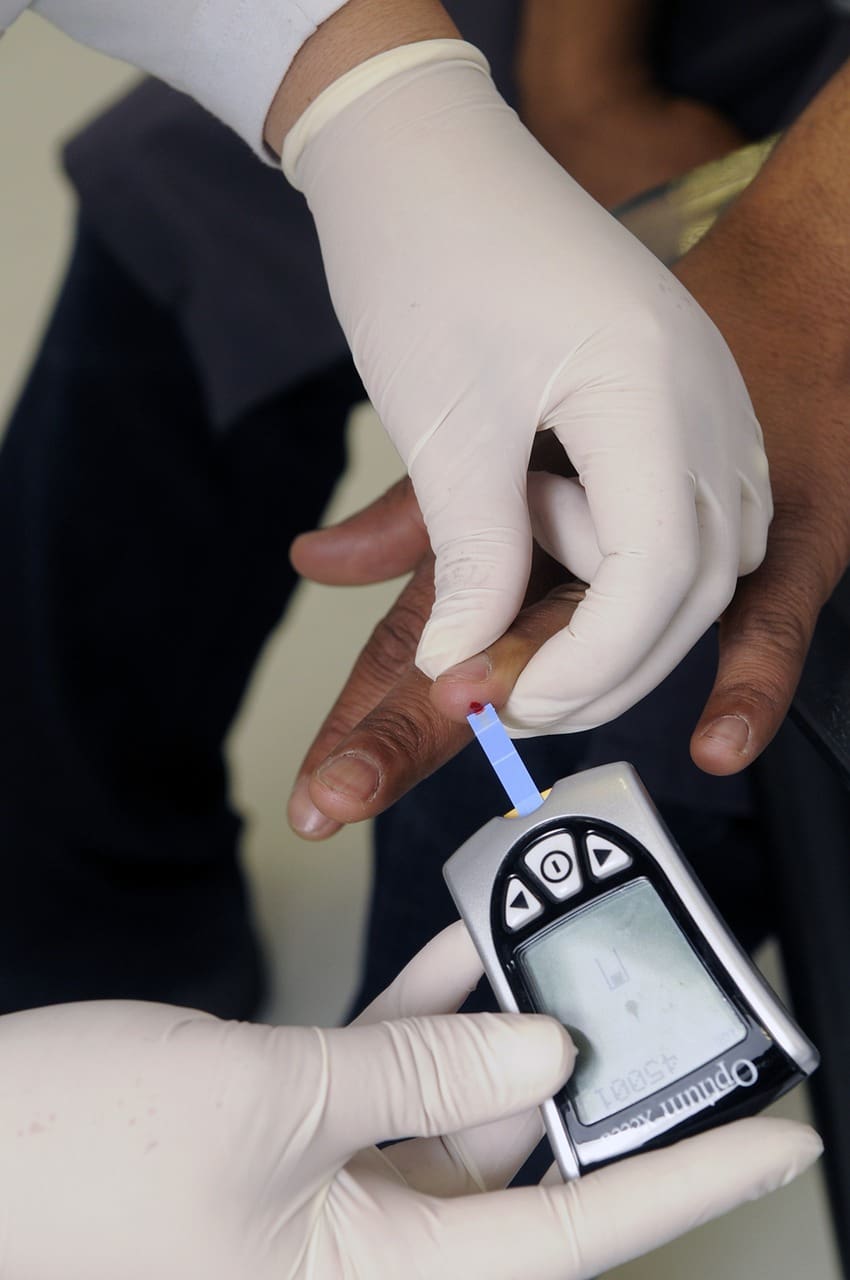
The first step in creating a cholesterol management plan is to consult a healthcare professional, such as your primary care physician or a cardiologist. During your appointment, be prepared to discuss your medical history, family history of heart disease, current medications, lifestyle habits, and any symptoms you may be experiencing. Your healthcare professional will likely conduct a physical exam and order blood tests to check your cholesterol levels.
Setting Goals and Targets
Once your cholesterol levels have been assessed, your healthcare professional will work with you to set specific goals and targets for managing your cholesterol. These goals may include reducing your LDL levels, increasing your HDL levels, losing weight, improving your diet, and increasing physical activity. By setting clear objectives, you can track your progress and stay motivated to make positive changes.
Personalized Cholesterol Management Plan
Every individual is unique, and therefore, your cholesterol management plan should be tailored to your specific needs and goals. Your healthcare professional will take into account factors such as your age, gender, overall health, risk factors for heart disease, and personal preferences when developing your plan. It is essential to communicate openly with your healthcare provider about your concerns and preferences to ensure that your plan is effective and sustainable.
Diet and Nutrition Recommendations
Diet plays a crucial role in managing cholesterol levels. Your healthcare professional may recommend the following dietary changes to help improve your cholesterol profile:
| Food Group | Recommendations |
|---|---|
| Fruits and Vegetables | Aim for at least 5 servings per day for essential vitamins and fiber |
| Whole Grains | Choose whole grains over refined grains for added fiber |
| Lean Proteins | Opt for lean proteins such as poultry, fish, beans, and legumes |
| Healthy Fats | Include sources of healthy fats such as nuts, seeds, and olive oil |
| Limit Saturated and Trans Fats | Reduce intake of red meat, full-fat dairy, and processed foods |

Exercise and Physical Activity
In addition to dietary changes, regular exercise and physical activity are essential for managing cholesterol levels and improving heart health. Your healthcare professional may recommend the following exercise guidelines:
- Cardiovascular Exercise: Aim for at least 150 minutes of moderate-intensity aerobic exercise per week.
- Strength Training: Include strength training exercises at least 2 days per week to build muscle mass and boost metabolism.
- Flexibility and Balance: Incorporate flexibility and balance exercises to improve overall fitness and prevent injuries.
Medication Options
In some cases, lifestyle modifications alone may not be sufficient to manage high cholesterol levels. Your healthcare professional may recommend medication to help lower your cholesterol levels and reduce your risk of heart disease. Commonly prescribed medications for cholesterol management include:
- Statins: These drugs help lower LDL cholesterol levels and reduce the risk of heart attacks and strokes.
- Bile Acid Sequestrants: These medications bind to bile acids in your intestines, reducing cholesterol absorption.
- Ezetimibe: This drug helps block cholesterol absorption in your intestines, lowering LDL levels.
- PCSK9 Inhibitors: These injectable medications can lower LDL cholesterol levels for individuals with a genetic predisposition to high cholesterol.

Monitoring and Follow-Up
After you have started your cholesterol management plan, it is essential to monitor your progress and follow up with your healthcare professional regularly. Your provider may order blood tests every few months to check your cholesterol levels and assess the effectiveness of your plan. Be sure to communicate any changes in your symptoms, lifestyle habits, or medications to your healthcare professional to make necessary adjustments to your plan.
Lifestyle Changes for Long-Term Success
Managing cholesterol is not a one-time task but a lifelong commitment to your health. In addition to following your personalized cholesterol management plan, incorporating the following lifestyle changes can help you achieve long-term success in managing your cholesterol levels:
- Quit Smoking: Smoking can raise LDL cholesterol levels and increase your risk of heart disease. Quitting smoking can have a positive impact on your heart health.
- Maintain a Healthy Weight: Excess weight can contribute to high cholesterol levels and increase your risk of heart disease. Aim to achieve and maintain a healthy weight through diet and exercise.
- Stress Management: High levels of stress can impact your cholesterol levels and overall heart health. Practice stress-reducing techniques such as meditation, yoga, or deep breathing exercises.
- Regular Health Screenings: Schedule regular health screenings with your healthcare professional to monitor your cholesterol levels, blood pressure, and overall heart health.

Celebrate Your Progress
Remember, managing cholesterol is a journey, not a destination. Celebrate your progress, no matter how small, and acknowledge the positive changes you are making to improve your health. By working closely with a healthcare professional and staying committed to your cholesterol management plan, you can successfully lower your cholesterol levels and reduce your risk of heart disease.
In conclusion, working with a healthcare professional to create a personalized cholesterol management plan is essential for controlling your cholesterol levels and improving your heart health. By understanding the importance of managing cholesterol, consulting a healthcare professional, setting goals and targets, and making lifestyle changes, you can take proactive steps towards a healthier and happier life. Remember, you are not alone in this journey, and your healthcare provider is there to support you every step of the way. Together, you can create a plan that works for you and helps you achieve optimal cholesterol levels for a healthy heart.