

Why Is Cholesterol Management Important For Overall Health?
Cholesterol is a fatty substance that is found in your blood. While your body needs a certain amount of cholesterol to function properly, too much cholesterol can lead to serious health issues, such as heart disease. Understanding the importance of managing your cholesterol levels is crucial for maintaining your overall health. Let’s explore why cholesterol management is essential for your well-being.
Understanding Cholesterol Levels
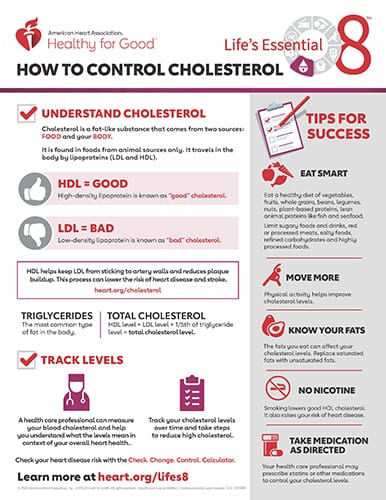
Cholesterol levels are typically measured through a blood test called a lipid panel. This test measures the levels of different types of cholesterol in your blood:
- Low-density lipoprotein (LDL) cholesterol: Known as the “bad” cholesterol, high levels of LDL can lead to plaque buildup in your arteries, increasing your risk of heart disease.
- High-density lipoprotein (HDL) cholesterol: Referred to as the “good” cholesterol, HDL helps remove LDL cholesterol from your bloodstream, reducing your risk of heart disease.
- Total cholesterol: This measurement includes both LDL and HDL cholesterol levels, providing an overall view of your cholesterol status.
- Triglycerides: Another type of fat found in the blood, high triglyceride levels can also increase your risk of heart disease.
Maintaining healthy levels of LDL cholesterol, HDL cholesterol, total cholesterol, and triglycerides is vital for your overall health.
Risks of High Cholesterol
Having high cholesterol levels can significantly increase your risk of developing various health conditions. If left untreated, high cholesterol can lead to:
- Atherosclerosis: The buildup of plaque in your arteries, restricting blood flow and potentially leading to heart attacks and strokes.
- Heart disease: High cholesterol is a major risk factor for heart disease, a leading cause of death worldwide.
- Peripheral artery disease: Reduced blood flow to your limbs, increasing the risk of complications such as infections and amputations.
- Stroke: Reduced blood flow to the brain, resulting in potentially life-threatening consequences.
- High blood pressure: Elevated cholesterol levels can contribute to high blood pressure, further increasing your risk of heart disease and stroke.
Understanding the risks associated with high cholesterol can motivate you to take proactive steps to manage and lower your cholesterol levels.
Factors Affecting Cholesterol Levels
Several factors can influence your cholesterol levels, including:
- Diet: Consuming a diet high in saturated and trans fats can raise your LDL cholesterol levels.
- Physical activity: Regular exercise can help increase HDL cholesterol levels and lower LDL cholesterol and triglyceride levels.
Genetics: Family history can play a role in determining your cholesterol levels.
- Age: Cholesterol levels tend to increase with age.
- Weight: Being overweight or obese can impact your cholesterol levels.
- Smoking: Tobacco use can lower HDL cholesterol levels and damage the lining of your blood vessels.
- Health conditions: Conditions such as diabetes, hypothyroidism, and kidney disease can affect your cholesterol levels.
Understanding how these factors can influence your cholesterol levels is essential for effective cholesterol management.
Healthy Lifestyle Changes for Managing Cholesterol
Making positive lifestyle changes can help improve your cholesterol levels and overall health. Here are some tips for managing your cholesterol through healthy living:
-
Dietary modifications: Adopting a heart-healthy diet rich in fruits, vegetables, whole grains, lean proteins, and healthy fats can help lower LDL cholesterol levels.
-
Regular exercise: Engaging in physical activity for at least 150 minutes per week can help raise HDL cholesterol levels and lower LDL cholesterol and triglyceride levels.
-
Weight management: Losing excess weight through a combination of healthy eating and regular exercise can improve your cholesterol levels.
-
Smoking cessation: Quitting smoking can improve your HDL cholesterol levels and overall cardiovascular health.
-
Limiting alcohol consumption: Excessive alcohol intake can raise triglyceride levels, so it’s essential to consume alcohol in moderation.
By incorporating these lifestyle changes into your daily routine, you can effectively manage your cholesterol levels and reduce your risk of heart disease.

Medications for Cholesterol Management
In some cases, lifestyle modifications alone may not be sufficient to lower your cholesterol levels. Your healthcare provider may recommend medications to help manage your cholesterol. Here are some common types of cholesterol-lowering medications:
- Statins: Statins are commonly prescribed to lower LDL cholesterol levels and reduce the risk of heart disease.
- Ezetimibe: This medication helps lower LDL cholesterol levels and may be used in combination with statins.
- PCSK9 inhibitors: These injectable medications can lower LDL cholesterol levels, especially for individuals with genetic conditions that cause high cholesterol.
- Bile acid sequestrants: This medication helps lower LDL cholesterol levels by binding to bile acids in the intestines, preventing them from being reabsorbed.
It’s essential to follow your healthcare provider’s recommendations when taking cholesterol-lowering medications to ensure their effectiveness.
Monitoring and Maintaining Healthy Cholesterol Levels
Regular monitoring of your cholesterol levels is crucial for evaluating your risk of heart disease and other related conditions. Your healthcare provider may recommend periodic blood tests to check your cholesterol levels and make necessary adjustments to your treatment plan.
If you have a family history of high cholesterol, heart disease, or other related conditions, it’s especially important to stay vigilant about managing your cholesterol levels. By taking proactive steps to monitor and maintain healthy cholesterol levels, you can reduce your risk of developing serious health complications in the future.
Conclusion
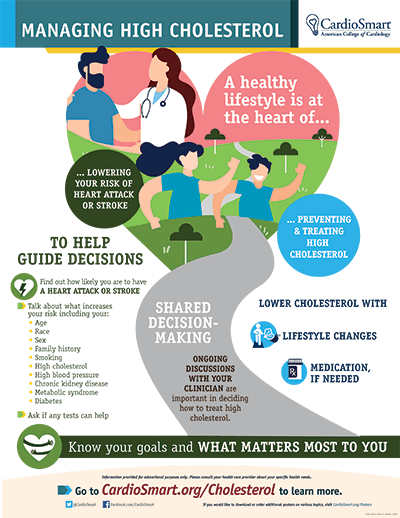
In conclusion, cholesterol management is a critical aspect of maintaining overall health and well-being. By understanding the importance of managing your cholesterol levels, making healthy lifestyle changes, and following your healthcare provider’s recommendations, you can significantly reduce your risk of heart disease, stroke, and other related conditions.
Remember that high cholesterol levels can be a silent threat to your health, so it’s essential to prioritize regular cholesterol screenings, adopt heart-healthy habits, and seek medical guidance when needed. By taking control of your cholesterol management, you can safeguard your long-term health and enjoy a higher quality of life.