

So you’ve recently been diagnosed with high cholesterol, and your doctor has recommended that you take cholesterol-lowering medication. It’s a common scenario that many people find themselves in, but with numerous options available, how do you know which medication is right for you? When it comes to choosing cholesterol-lowering medication, there are several factors you should consider. This article will provide you with a helpful guide to navigate through the different options and make an informed decision that best suits your needs and overall health.

Doctor’s Recommendation
Consulting with a healthcare professional
When it comes to choosing the right cholesterol-lowering medication for you, it is essential to consult with a healthcare professional. Your doctor has the expertise and knowledge to evaluate your individual medical history and cholesterol levels. By discussing your concerns and goals with your doctor, you can work together to determine the best course of treatment.
Importance of medical opinion for personalized treatment
Every individual is unique, and what works for one person may not necessarily work for another. That’s why personalized treatment is crucial when it comes to managing cholesterol levels. Your doctor will consider factors such as your age, gender, overall health, and any other existing medical conditions. With this personalized approach, your doctor can recommend the most suitable medication to effectively lower your cholesterol levels and reduce the risk of heart disease.
Considering individual medical history and cholesterol levels
Your medical history plays a vital role in the selection of cholesterol-lowering medication. Certain medications might not be suitable if you have specific health conditions, such as liver or kidney problems. Additionally, your current cholesterol levels will also be taken into account when determining the most appropriate medication for you. By evaluating your medical history and cholesterol levels, your doctor can provide you with a tailored recommendation that takes into consideration your unique circumstances.
Type of Medication
Statins
Statins are one of the most commonly prescribed medications for lowering cholesterol levels. They work by blocking an enzyme that the liver needs to produce cholesterol. Statins have been proven to effectively lower LDL cholesterol levels and reduce the risk of heart disease. They are available in various forms and strengths, allowing your doctor to prescribe the one that suits your needs best.
Bile acid sequestrants
Bile acid sequestrants work by binding to bile acids in the digestive tract, preventing them from being reabsorbed into the bloodstream. This leads to increased elimination of cholesterol from the body and, subsequently, lower cholesterol levels. They are typically prescribed in combination with statins or other medications to enhance their effects.
Cholesterol absorption inhibitors
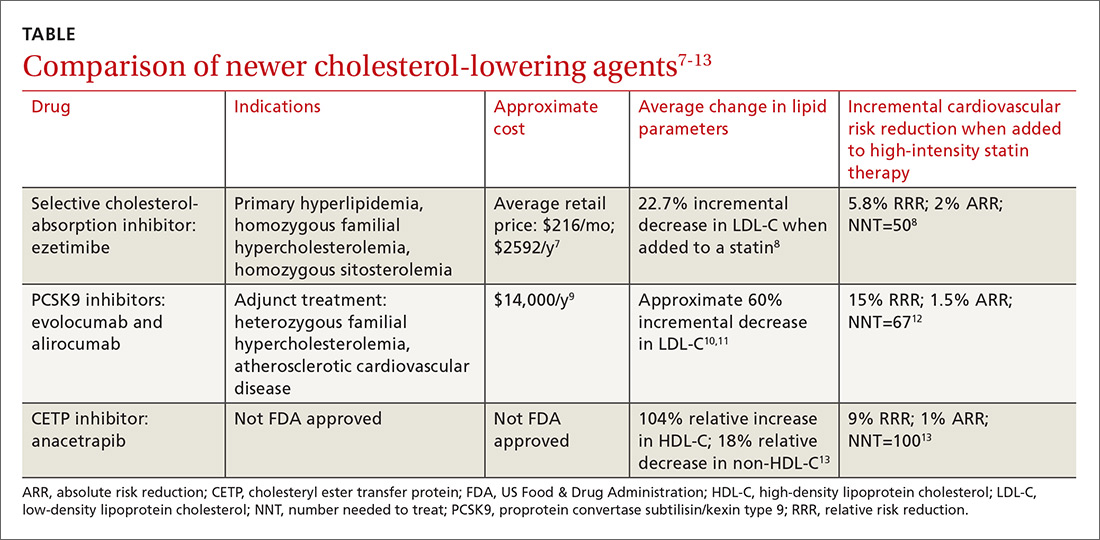
Cholesterol absorption inhibitors are medications that reduce the absorption of cholesterol from the small intestine. By blocking a specific protein, these medications can help lower LDL cholesterol. They are often used as adjunct therapy with statins or other cholesterol-lowering medications.
PCSK9 inhibitors
PCSK9 inhibitors are a relatively newer class of medications that target a protein involved in the breakdown of LDL cholesterol receptors. By inhibiting this protein, PCSK9 inhibitors increase the number of LDL cholesterol receptors, leading to increased removal of LDL cholesterol from the bloodstream. They are typically prescribed as injectable medications and are often reserved for individuals with very high LDL cholesterol levels or those who cannot tolerate other medications.
Nicotinic acid
Nicotinic acid, also known as niacin, is a B vitamin that can help raise HDL cholesterol levels while lowering LDL cholesterol and triglycerides. It can be found in both prescription-strength and over-the-counter forms. However, due to potential side effects such as flushing and liver toxicity, its use requires close monitoring by a healthcare professional.
Fibrates
Fibrates are medications that primarily target triglyceride levels, though they can also have some impact on LDL cholesterol and HDL cholesterol. They work by increasing the breakdown of triglycerides and reducing their production. Fibrates are often prescribed to individuals with high triglyceride levels or low HDL cholesterol levels.
Effectiveness and Safety
Reviewing clinical trials and research
When considering cholesterol-lowering medications, it is important to review the findings of clinical trials and research studies. These studies provide valuable insights into the effectiveness and safety profiles of different medications. By examining the evidence, you can make an informed decision about which medication is likely to benefit you the most.
Comparing effectiveness of different medications
Though all cholesterol-lowering medications aim to lower cholesterol levels, their effectiveness can vary. Some medications may be more effective in reducing LDL cholesterol, while others may have a greater impact on triglyceride levels. Depending on your specific cholesterol profile, your doctor can help guide you towards the medication most likely to provide you with the desired results.
Assessing potential side effects and drug interactions
While cholesterol-lowering medications can offer significant benefits, they can also carry potential side effects. It is important to be aware of possible adverse effects and discuss them with your healthcare professional. Additionally, certain medications may interact with other drugs you are taking, so it is crucial to inform your doctor of all medications and supplements you are currently using.
Considering contraindications and warnings
Each medication comes with its own set of contraindications and warnings that need to be considered. Some medications may not be suitable if you have certain health conditions or if you are pregnant or breastfeeding. Your doctor will take into account any contraindications and warnings to ensure your safety and well-being.
Dosage and Administration
Understanding recommended dosage
The correct dosage of the cholesterol-lowering medication is essential for its effectiveness. Your doctor will determine the appropriate dosage for you based on factors such as your cholesterol levels, overall health, and response to the medication. It is crucial to carefully follow the recommended dosage instructions provided by your healthcare professional.
Frequency and timing of medication intake
The frequency and timing of when you take your cholesterol-lowering medication can impact its efficacy. Some medications need to be taken once a day, while others may require multiple doses throughout the day. It is important to adhere to the prescribed schedule to ensure consistent and optimal results.
Ease of administration (pill, injection, etc.)
Different cholesterol-lowering medications come in various forms of administration. Some medications are in pill or tablet form, making them easy to take orally. Others, such as PCSK9 inhibitors, are administered through injections. Consider your comfort level with the method of administration when discussing medication options with your doctor.
Special instructions or dietary restrictions
Certain cholesterol-lowering medications may require special instructions or dietary restrictions. For example, some medications need to be taken with food, while others require an empty stomach. It is essential to follow these instructions to maximize the effectiveness of the medication.
Cost and Insurance Coverage
Checking medication affordability
The cost of cholesterol-lowering medications can vary significantly. It is important to consider the affordability of the medication you are prescribed. Some medications may have higher costs, but generic alternatives may be available at a lower price. Discuss any concerns about affordability with your doctor or consult with a pharmacist for potential cost-saving options.
Evaluating insurance coverage and copayments
Understanding your insurance coverage for cholesterol-lowering medications is crucial to avoid unexpected expenses. Different insurance plans may have varying coverage levels and copayments for different medications. Contact your insurance provider to determine the coverage and copayment amounts for the cholesterol-lowering medications under consideration.
Considering generic alternatives
Generic alternatives can be a cost-effective option for cholesterol-lowering medications. Generic medications contain the same active ingredients as their brand-name counterparts and are held to the same safety and efficacy standards. Your doctor can determine if a generic alternative is suitable for you based on your unique circumstances.
Lifestyle Considerations
Dietary changes and exercise
Cholesterol-lowering medications are only part of the equation when it comes to managing your cholesterol levels. Making significant dietary changes and incorporating regular exercise into your routine can have a positive impact on your cholesterol levels. Your doctor can provide guidance on the specific dietary modifications and exercise recommendations that will complement your medication regimen.
Smoking cessation
Smoking is a significant risk factor for heart disease and can negatively impact cholesterol levels. If you are a smoker, quitting is essential for overall cardiovascular health. Your doctor can provide resources and assistance to help you quit smoking and improve your overall well-being.
Alcohol consumption
Excessive alcohol consumption can contribute to high cholesterol levels and other health problems. Your doctor may advise you to limit or avoid alcohol while taking cholesterol-lowering medication. Moderation is key, and it is important to discuss any concerns or questions about alcohol consumption with your healthcare professional.
Weight management
Maintaining a healthy weight is crucial for managing cholesterol levels. Excess weight, especially around the waistline, can increase cholesterol levels and the risk of heart disease. Your doctor can help you develop a personalized weight management plan that includes a balanced diet and regular physical activity.

Potential Side Effects
Common side effects to be aware of
Cholesterol-lowering medications can sometimes cause common side effects that you should be aware of. These may include muscle aches, digestive issues, or changes in liver function. While not everyone experiences these side effects, it is important to discuss any symptoms you may experience with your healthcare professional.
Severe or rare side effects
While rare, some cholesterol-lowering medications can cause severe side effects, such as liver damage or rhabdomyolysis (a condition involving muscle breakdown). Identifying these severe side effects early is crucial for your safety. It is important to promptly report any unusual symptoms to your doctor and seek medical attention if necessary.
Allergic reactions
Allergic reactions to cholesterol-lowering medications are rare but can occur. Signs of an allergic reaction may include hives, rash, swelling, or difficulty breathing. If you experience any of these symptoms, seek immediate medical attention.
Monitoring for adverse reactions
Regular monitoring for adverse reactions is essential when taking cholesterol-lowering medications. Your doctor may request periodic blood tests to assess liver function and other relevant parameters. It is important to attend all scheduled follow-up appointments and communicate any concerns or changes in your health.
Convenience and Accessibility
Availability of medication in local pharmacies
Before starting a cholesterol-lowering medication, confirm its availability at local pharmacies. Some medications may be more readily available than others, ensuring easy access when you need to refill your prescription. Discuss any concerns about availability with your pharmacist or healthcare professional.
Online ordering options
Online ordering options can provide convenience and accessibility when it comes to obtaining cholesterol-lowering medications. Some pharmacies offer online prescription services, allowing you to order your medication from the comfort of your own home. However, it is important to ensure that the online pharmacy is reputable and operates in accordance with legal and safety regulations.
Automatic refills
To ensure continuity of treatment, consider enrolling in automatic refill programs. These programs can be particularly helpful for individuals who rely on long-term cholesterol-lowering medication. By opting for automatic refills, you can avoid the risk of running out of medication and experiencing a disruption in your treatment plan.
Travel considerations
If you frequently travel or are planning a trip, it is essential to consider the convenience and accessibility of your cholesterol-lowering medication. Ensure that you have an ample supply of medication to last throughout your trip, including any potential delays. If necessary, consult with your doctor to arrange for additional prescriptions or advice on managing your medication while traveling.

Drug Interactions
Checking for possible interactions with other medications
Cholesterol-lowering medications can interact with other medications you may be taking, potentially impacting their effectiveness or causing adverse effects. It is crucial to inform your healthcare professional about all medications, including over-the-counter drugs and supplements, to ensure there are no potential interactions.
Considering other health conditions or treatments
Certain health conditions or ongoing treatments may affect the choice of cholesterol-lowering medication. For example, individuals with liver or kidney disease may require specific considerations. It is important to have an open and honest conversation with your doctor about any existing health conditions or treatments to determine the most suitable medication.
Consulting with healthcare professional
If you have any concerns or questions regarding potential drug interactions, it is important to consult with your healthcare professional. They can review your medication regimen and provide guidance on how to manage any potential interactions to ensure your safety and optimize the effectiveness of the cholesterol-lowering medication.
Monitoring and Follow-up
Regular cholesterol level monitoring
Regular monitoring of your cholesterol levels is crucial to assess the effectiveness of the medication and make any necessary adjustments. Your doctor may recommend periodic blood tests to evaluate your cholesterol levels and ensure that the medication is working as intended. Routine monitoring allows for timely intervention or modifications if required.
Routine check-ups with healthcare provider
Regular check-ups with your healthcare provider are important to evaluate your overall health and assess the impact of the cholesterol-lowering medication. During these visits, you can discuss any concerns or changes in your health and work together to optimize your cholesterol management plan.
Adjusting medication as necessary
Cholesterol management is not a one-size-fits-all approach, and adjustments to medication may be necessary. Depending on your cholesterol levels and response to the medication, your doctor may recommend changes to the dosage or switch to a different medication. It is important to follow these recommendations and communicate any concerns or changes to your healthcare professional.
Discussing any concerns or changes in health
Open communication with your healthcare provider is key throughout your cholesterol-lowering medication journey. If you experience any concerning symptoms, changes in your health, or have questions about your treatment plan, do not hesitate to reach out to your doctor. They are there to guide and support you in achieving your cholesterol management goals.
Choosing the right cholesterol-lowering medication requires careful consideration of various factors, including consultation with a healthcare professional, understanding the different types of medication, weighing the effectiveness and safety profiles, assessing the dosage and administration requirements, considering the cost and insurance coverage, and adjusting lifestyle factors. By taking into account these factors and engaging in open communication with your healthcare provider, you can make an informed decision that best suits your individual needs and goals for cholesterol management. Remember, you are not alone in this journey, and with the guidance of your doctor, you can take the necessary steps towards achieving optimal cholesterol levels and improving your overall cardiovascular health.
