
What Are The Most Common Misconceptions About Cholesterol Management That Healthcare Professionals Can Address?
Have you ever wondered if you are correctly managing your cholesterol levels? It is essential to be well-informed about cholesterol management to make the right decisions for your health. Many misconceptions exist about this topic, and healthcare professionals play a crucial role in addressing them. In this article, we will explore the most common misconceptions about cholesterol management that healthcare professionals can help clarify.

Understanding Cholesterol: The Basics
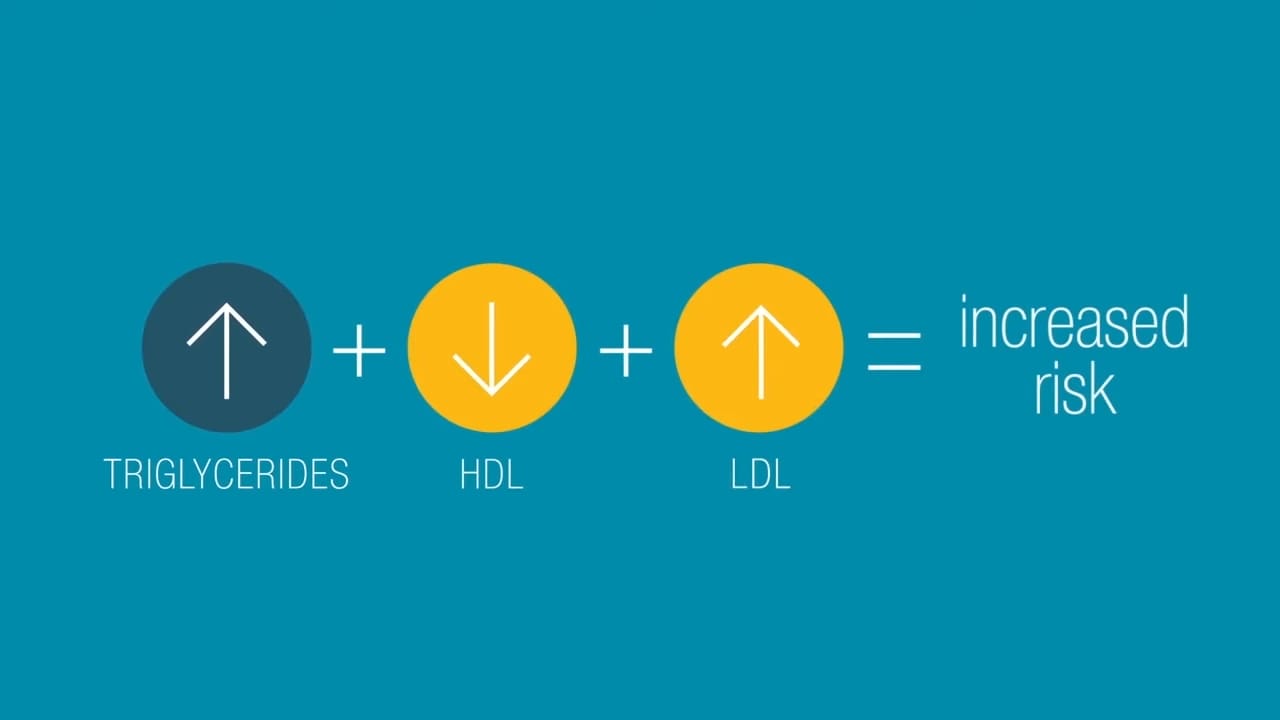
Cholesterol is a waxy substance found in your blood. It is essential for building healthy cells, but high levels of cholesterol can increase your risk of heart disease. There are two main types of cholesterol: LDL (low-density lipoprotein) and HDL (high-density lipoprotein). LDL cholesterol is often referred to as “bad” cholesterol because it can build up in your arteries, while HDL cholesterol is known as “good” cholesterol because it helps remove LDL from your bloodstream.
Myth: Avoid all high-cholesterol foods
Many people believe that all high-cholesterol foods are bad for you and should be avoided. While it is essential to limit certain high-cholesterol foods, such as saturated fats found in red meat and full-fat dairy products, not all foods high in cholesterol are harmful. Foods like eggs and shellfish are high in cholesterol but can be part of a healthy diet in moderation. It is essential to focus on overall dietary patterns rather than singling out specific high-cholesterol foods.
Dietary Fats and Cholesterol
Dietary fats play a significant role in your cholesterol levels. Saturated fats and trans fats can raise LDL cholesterol levels, increasing your risk of heart disease. On the other hand, unsaturated fats, such as monounsaturated and polyunsaturated fats, can help lower LDL cholesterol levels when consumed in moderation.
Myth: All fats are bad for your cholesterol
Contrary to popular belief, not all fats are bad for your cholesterol levels. While saturated fats and trans fats can raise LDL cholesterol levels, unsaturated fats can have a positive impact on your cholesterol levels. Including healthy fats like avocados, nuts, seeds, and olive oil in your diet can help improve your cholesterol profile.
Importance of Exercise in Cholesterol Management
Regular physical activity is crucial for managing your cholesterol levels. Exercise can help raise HDL (good) cholesterol levels and lower LDL (bad) cholesterol levels. It also plays a significant role in maintaining a healthy weight, which is essential for overall heart health.
Myth: You have to engage in intense workouts to see benefits
Many people believe that they need to engage in intense workouts to see benefits in their cholesterol levels. However, even moderate physical activity, such as brisk walking, cycling, or swimming, can have a positive impact on your cholesterol levels. Aim for at least 150 minutes of moderate-intensity exercise per week to improve your cholesterol profile.
Medications for Cholesterol Management
In some cases, lifestyle changes alone may not be enough to manage cholesterol levels effectively. Your healthcare provider may recommend medications, such as statins, to help lower your cholesterol levels. These medications work by blocking the enzyme responsible for cholesterol production in the liver.
Myth: Once you start taking cholesterol-lowering medications, you can stop making lifestyle changes
It is a common misconception that once you start taking cholesterol-lowering medications, you can stop making lifestyle changes. While medications can be effective in lowering cholesterol levels, they should be used in conjunction with healthy lifestyle habits. Lifestyle changes, such as following a heart-healthy diet and staying physically active, are essential for long-term cholesterol management.

Monitoring Cholesterol Levels
Regular monitoring of your cholesterol levels is essential to assess your risk of heart disease accurately. Your healthcare provider may recommend blood tests to measure your cholesterol levels and assess your overall heart health. It is essential to understand the numbers and what they mean for your health.
Myth: Cholesterol levels remain stable throughout your life
Cholesterol levels can fluctuate throughout your life due to various factors, including diet, exercise, and genetics. It is essential to monitor your cholesterol levels regularly to track changes over time and make necessary adjustments to your lifestyle and treatment plan. Your healthcare provider can help you interpret your cholesterol test results and develop a personalized plan for cholesterol management.
Personalized Approach to Cholesterol Management
Cholesterol management is not a one-size-fits-all approach. Each person’s cholesterol levels are affected by a combination of genetic and lifestyle factors. Healthcare professionals can help develop personalized treatment plans based on individual risk factors and health goals.
Myth: What works for one person will work for everyone
It is essential to understand that what works for one person may not work for everyone when it comes to cholesterol management. Healthcare professionals can help evaluate your specific risk factors, such as family history of heart disease, smoking status, and overall health, to develop a personalized approach to managing your cholesterol levels. It is crucial to work closely with your healthcare provider to create a plan that is tailored to your individual needs.

Lifestyle Modifications for Cholesterol Management
In addition to dietary changes and regular exercise, several lifestyle modifications can help improve your cholesterol levels. Managing stress, quitting smoking, and maintaining a healthy weight are essential factors in cholesterol management. Making small but sustainable changes in your daily routine can have a significant impact on your cholesterol levels.
Myth: Lifestyle modifications are not effective for lowering cholesterol levels
Some people believe that lifestyle modifications are not effective for lowering cholesterol levels and that medications are the only solution. However, lifestyle changes, such as following a heart-healthy diet, staying physically active, and managing stress, can be highly effective in improving your cholesterol profile. These modifications can also have a positive impact on your overall heart health and well-being.
Creating a Heart-Healthy Diet
Eating a heart-healthy diet is vital for managing your cholesterol levels and reducing your risk of heart disease. A heart-healthy diet includes a variety of fruits, vegetables, whole grains, lean proteins, and healthy fats. It is essential to limit saturated fats, trans fats, and added sugars in your diet.
Myth: You have to give up all your favorite foods to follow a heart-healthy diet
Following a heart-healthy diet does not mean you have to give up all your favorite foods. It is about making smart choices and moderation. You can still enjoy your favorite foods in smaller portions or less often while focusing on incorporating more heart-healthy options into your meals. Consulting with a dietitian can help you create a balanced and enjoyable eating plan that supports your cholesterol management goals.

Conclusion
In conclusion, cholesterol management is a critical aspect of heart health that requires accurate information and debunking common misconceptions. Healthcare professionals play a vital role in educating individuals about cholesterol management and helping them make informed decisions about their health. By understanding the basics of cholesterol, focusing on lifestyle modifications, and working closely with your healthcare provider, you can take control of your cholesterol levels and reduce your risk of heart disease. Remember that every person’s journey to cholesterol management is unique, and it is essential to develop a personalized approach that suits your individual needs and health goals. Stay informed, stay proactive, and prioritize your heart health for a healthier future.