
What Are The Key Components Of A Successful Cholesterol Management Plan As Advised By Healthcare Professionals?

Understanding Cholesterol
Understanding what cholesterol is and how it affects your health is the first step in managing it effectively. Cholesterol is a waxy substance that is found in the cells of your body and in your bloodstream. While your body needs cholesterol to build healthy cells, having too much cholesterol can lead to health problems, such as heart disease and stroke.
What is Cholesterol?
Cholesterol is a type of fat that your body needs to function properly. It is produced by your liver and is also found in certain foods. There are two main types of cholesterol: LDL (low-density lipoprotein) cholesterol, often referred to as “bad” cholesterol, and HDL (high-density lipoprotein) cholesterol, known as “good” cholesterol.
Factors That Influence Cholesterol Levels
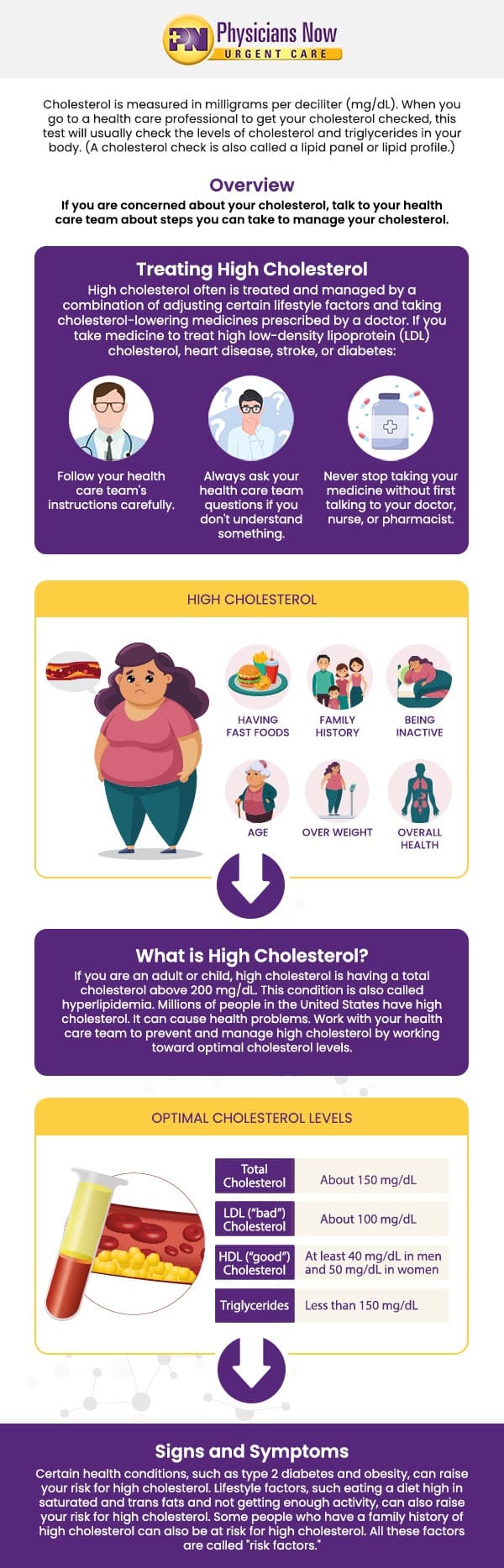
There are several factors that can influence your cholesterol levels, including genetics, diet, exercise, and overall health. Understanding these factors can help you make informed decisions about managing your cholesterol levels effectively.
Genetics
Some people inherit genes that cause them to have high cholesterol levels. If you have a family history of high cholesterol or heart disease, it is important to be extra vigilant about managing your cholesterol levels through lifestyle changes and medical treatment.
Diet
Eating a diet that is high in saturated and trans fats can raise your LDL cholesterol levels. To manage your cholesterol effectively, it is important to incorporate a heart-healthy diet that is rich in fruits, vegetables, whole grains, and lean proteins.
Exercise
Physical activity can help raise your HDL cholesterol levels, which helps to remove LDL cholesterol from your bloodstream. Aim for at least 30 minutes of moderate-intensity exercise most days of the week to help keep your cholesterol levels in check.
Monitoring Your Cholesterol Levels
Regular monitoring of your cholesterol levels is essential for effectively managing your cholesterol. Healthcare professionals recommend getting your cholesterol levels checked at least once every five years, starting at age 20. However, if you have risk factors for heart disease or high cholesterol, your healthcare provider may recommend more frequent testing.
Cholesterol Testing
Cholesterol testing involves a simple blood test that measures your total cholesterol, LDL cholesterol, HDL cholesterol, and triglyceride levels. Your healthcare provider will use these results to determine your overall risk for heart disease and develop a personalized treatment plan to manage your cholesterol levels.
Understanding Your Cholesterol Numbers
It is important to understand what your cholesterol numbers mean and how they impact your health. Here is a breakdown of the recommended cholesterol levels:
- Total Cholesterol: Less than 200 mg/dL
- LDL Cholesterol: Less than 100 mg/dL
- HDL Cholesterol: 60 mg/dL or higher
- Triglycerides: Less than 150 mg/dL
Lifestyle Changes For Managing Cholesterol
In addition to monitoring your cholesterol levels regularly, making lifestyle changes can also help you manage your cholesterol effectively. Healthcare professionals recommend the following lifestyle changes for managing cholesterol:
Healthy Diet
Eating a heart-healthy diet that is low in saturated and trans fats can help lower your LDL cholesterol levels and reduce your risk of heart disease. Incorporate plenty of fruits, vegetables, whole grains, and lean proteins into your diet to support your overall health.
Physical Activity
Regular exercise can help raise your HDL cholesterol levels, lower your LDL cholesterol levels, and improve your overall cardiovascular health. Aim for at least 30 minutes of moderate-intensity exercise most days of the week to reap the benefits of physical activity.
Weight Management
Being overweight or obese can raise your LDL cholesterol levels and increase your risk of heart disease. Maintaining a healthy weight through a combination of diet and exercise can help lower your cholesterol levels and improve your overall health.
Smoking Cessation
Smoking can lower your HDL cholesterol levels, raise your LDL cholesterol levels, and increase your risk of heart disease. If you smoke, quitting can help improve your cholesterol levels and reduce your risk of heart disease over time.
Medications For Cholesterol Management
In some cases, lifestyle changes alone may not be enough to effectively manage your cholesterol levels. In these instances, healthcare professionals may recommend medications to help lower your cholesterol levels and reduce your risk of heart disease.
Statins
Statins are the most commonly prescribed medications for lowering cholesterol levels. They work by blocking the liver enzyme that is responsible for producing cholesterol, which helps lower LDL cholesterol levels and reduce your risk of heart disease.
Bile Acid Sequestrants
Bile acid sequestrants are medications that work by binding to bile acids in your intestines, which helps prevent your body from reabsorbing cholesterol. This process can help lower your LDL cholesterol levels and reduce your risk of heart disease.
PCSK9 Inhibitors
PCSK9 inhibitors are a newer class of medications that work by blocking a protein in your liver that regulates LDL cholesterol levels. By inhibiting this protein, PCSK9 inhibitors can help lower LDL cholesterol levels and reduce your risk of heart disease.
Creating A Personalized Cholesterol Management Plan
Creating a personalized cholesterol management plan is essential for effectively managing your cholesterol levels and reducing your risk of heart disease. Healthcare professionals can work with you to develop a plan that is tailored to your individual needs and goals.
Setting Realistic Goals
When creating a personalized cholesterol management plan, it is important to set realistic goals that are achievable and sustainable. Your healthcare provider can help you set goals for your cholesterol levels, diet, exercise, and overall health that align with your needs and preferences.
Tracking Your Progress
Tracking your progress is an important part of managing your cholesterol effectively. Keep a record of your cholesterol levels, diet, exercise, weight, and any medications you are taking to help monitor your progress and make adjustments as needed.
Regular Follow-Up
Regular follow-up with your healthcare provider is essential for monitoring your cholesterol levels and making adjustments to your treatment plan as needed. Be sure to attend all scheduled appointments and communicate any concerns or changes in your health with your healthcare provider.

Conclusion
Managing your cholesterol levels effectively is key to reducing your risk of heart disease and improving your overall health. By understanding what cholesterol is, monitoring your cholesterol levels regularly, making lifestyle changes, considering medications, and creating a personalized cholesterol management plan, you can take control of your health and well-being. Remember to work closely with your healthcare provider to develop a plan that meets your individual needs and goals.