
Understanding Cholesterol Levels
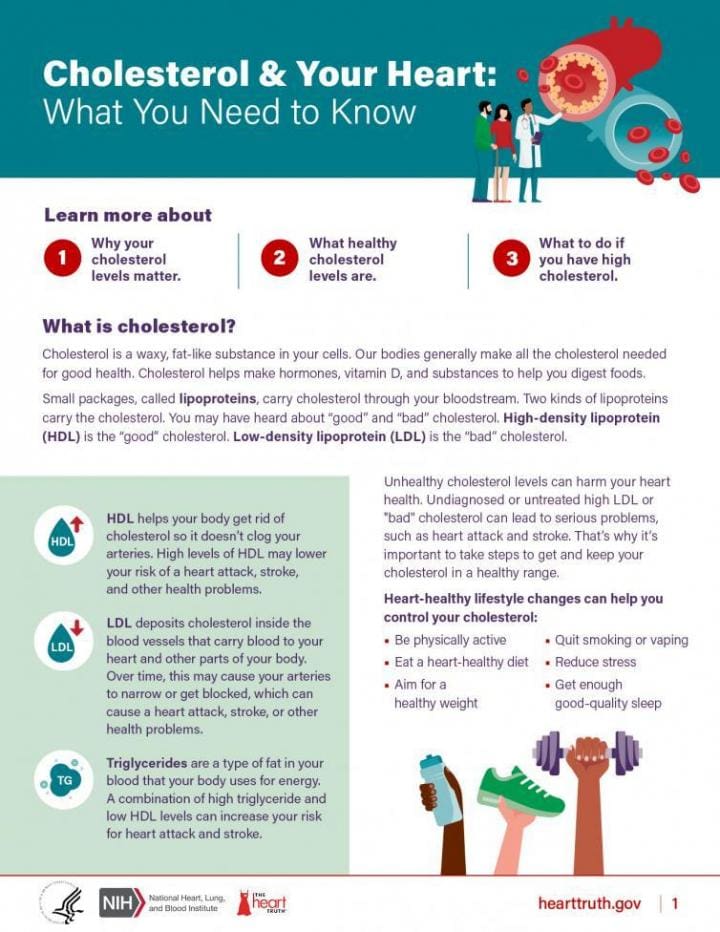
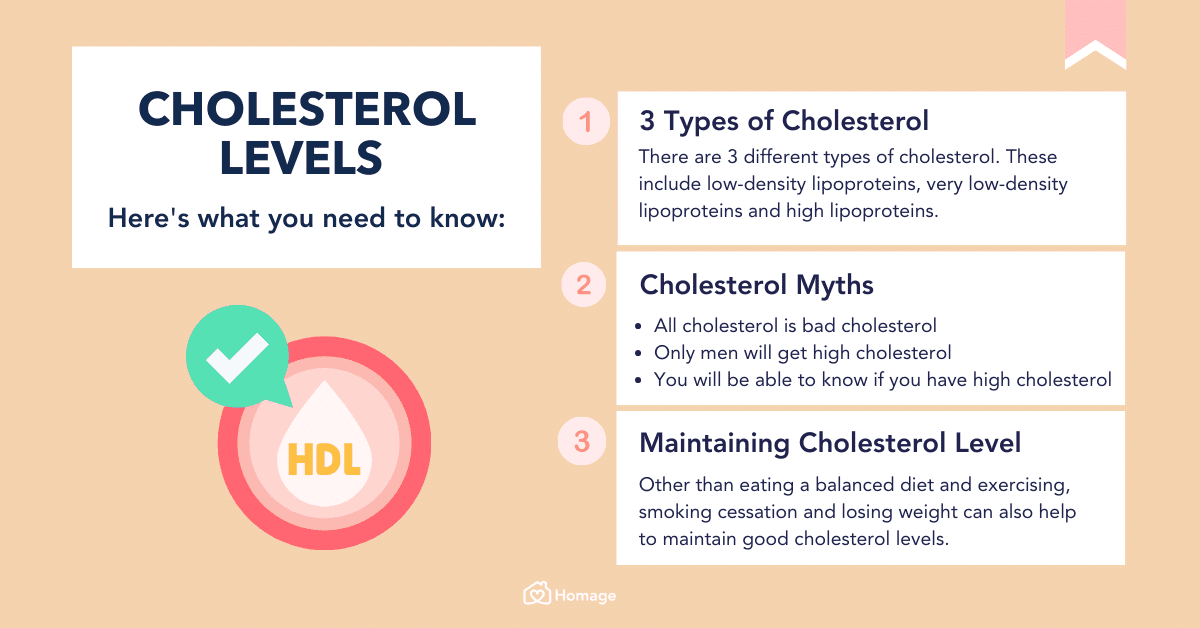
Cholesterol is a fatty substance that is found in your blood. It is essential for building healthy cells, but having high levels of cholesterol in your blood can increase your risk of heart disease. There are two main types of cholesterol: low-density lipoprotein (LDL) and high-density lipoprotein (HDL). LDL is often referred to as “bad” cholesterol because it can build up in the walls of your arteries, leading to atherosclerosis. On the other hand, HDL is considered “good” cholesterol because it helps remove LDL from the arteries.
Understanding the different types of cholesterol and their impact on your health is crucial in managing your cholesterol levels.
Blood Tests for Cholesterol Levels
One of the best ways to track your cholesterol levels is by getting a blood test done by a healthcare professional. This test, also known as a lipid panel, measures your total cholesterol, HDL cholesterol, LDL cholesterol, and triglycerides. It provides valuable information about your cholesterol levels and helps your healthcare provider assess your risk of heart disease.
Getting regular blood tests to monitor your cholesterol levels is essential in preventing heart disease and other complications related to high cholesterol.
Ideal Cholesterol Levels
The American Heart Association recommends the following levels for adults:
- Total cholesterol: Less than 200 mg/dL
- LDL cholesterol: Less than 100 mg/dL
- HDL cholesterol: 60 mg/dL or higher
- Triglycerides: Less than 150 mg/dL
Keeping your cholesterol levels within these recommended ranges can help reduce your risk of heart disease and other health problems.
Tips for Tracking Cholesterol Levels
Tracking your cholesterol levels regularly is crucial in maintaining good heart health. Here are some tips to help you keep track of your cholesterol levels with the help of a healthcare professional:
Schedule Regular Check-ups
Make sure to schedule regular check-ups with your healthcare provider to monitor your cholesterol levels. They can order blood tests and assess your overall health to determine if any changes need to be made to your treatment plan.
Keep a Cholesterol Journal
Keeping a journal of your cholesterol levels can help you track changes over time and identify any patterns or trends. Note down your test results, the date of the test, and any changes in your diet or medication. This information can be valuable in managing your cholesterol levels effectively.
Set Realistic Goals
Work with your healthcare provider to set realistic goals for your cholesterol levels. They can help you create a personalized plan that includes dietary changes, exercise recommendations, and medication if necessary. By setting achievable goals, you can stay motivated and focused on improving your cholesterol levels.

Lifestyle Changes to Improve Cholesterol Levels
Making lifestyle changes is essential in managing your cholesterol levels. Here are some tips to help you improve your cholesterol levels with the help of a healthcare professional:
Eat a Heart-Healthy Diet
Eating a diet rich in fruits, vegetables, whole grains, and lean proteins can help lower your cholesterol levels. Avoid foods high in saturated and trans fats, as they can raise your LDL cholesterol levels. Your healthcare provider can provide guidance on creating a diet plan that supports healthy cholesterol levels.
Get Regular Exercise
Physical activity is essential in improving your cholesterol levels and overall heart health. Aim for at least 150 minutes of moderate-intensity exercise per week, such as brisk walking, swimming, or cycling. Your healthcare provider can recommend an exercise plan that suits your fitness level and helps you reach your cholesterol goals.
Maintain a Healthy Weight
Being overweight or obese can increase your risk of high cholesterol and heart disease. By maintaining a healthy weight, you can improve your cholesterol levels and reduce your risk of complications. Your healthcare provider can help you set weight loss goals and create a plan to achieve them.
Medication for High Cholesterol
In some cases, lifestyle changes alone may not be enough to lower your cholesterol levels. Your healthcare provider may prescribe medication to help you manage high cholesterol. Here are some common medications used to treat high cholesterol:
Statins
Statins are the most commonly prescribed medications for high cholesterol. They work by blocking a substance your body needs to make cholesterol, thereby lowering your cholesterol levels. Statins can help reduce your risk of heart disease and other complications associated with high cholesterol.
Bile Acid Sequestrants
Bile acid sequestrants are medications that work by binding to bile acids in your digestive system, preventing them from being reabsorbed into your bloodstream. This process reduces the amount of cholesterol in your blood. Your healthcare provider may prescribe bile acid sequestrants if you are unable to tolerate statins or if they are not effective in lowering your cholesterol levels.
PCSK9 Inhibitors
PCSK9 inhibitors are a newer class of medications that work by blocking a substance in your liver that reduces the number of receptors that remove LDL cholesterol from your blood. By inhibiting this substance, PCSK9 inhibitors can help lower LDL cholesterol levels and reduce your risk of heart disease.
Conclusion
Tracking your cholesterol levels with the help of a healthcare professional is crucial in maintaining good heart health. By understanding the different types of cholesterol, getting regular blood tests, making lifestyle changes, and taking medication if necessary, you can effectively manage your cholesterol levels and reduce your risk of heart disease. Remember to work closely with your healthcare provider to create a personalized plan that suits your needs and helps you achieve your cholesterol goals. Your heart will thank you for it!
