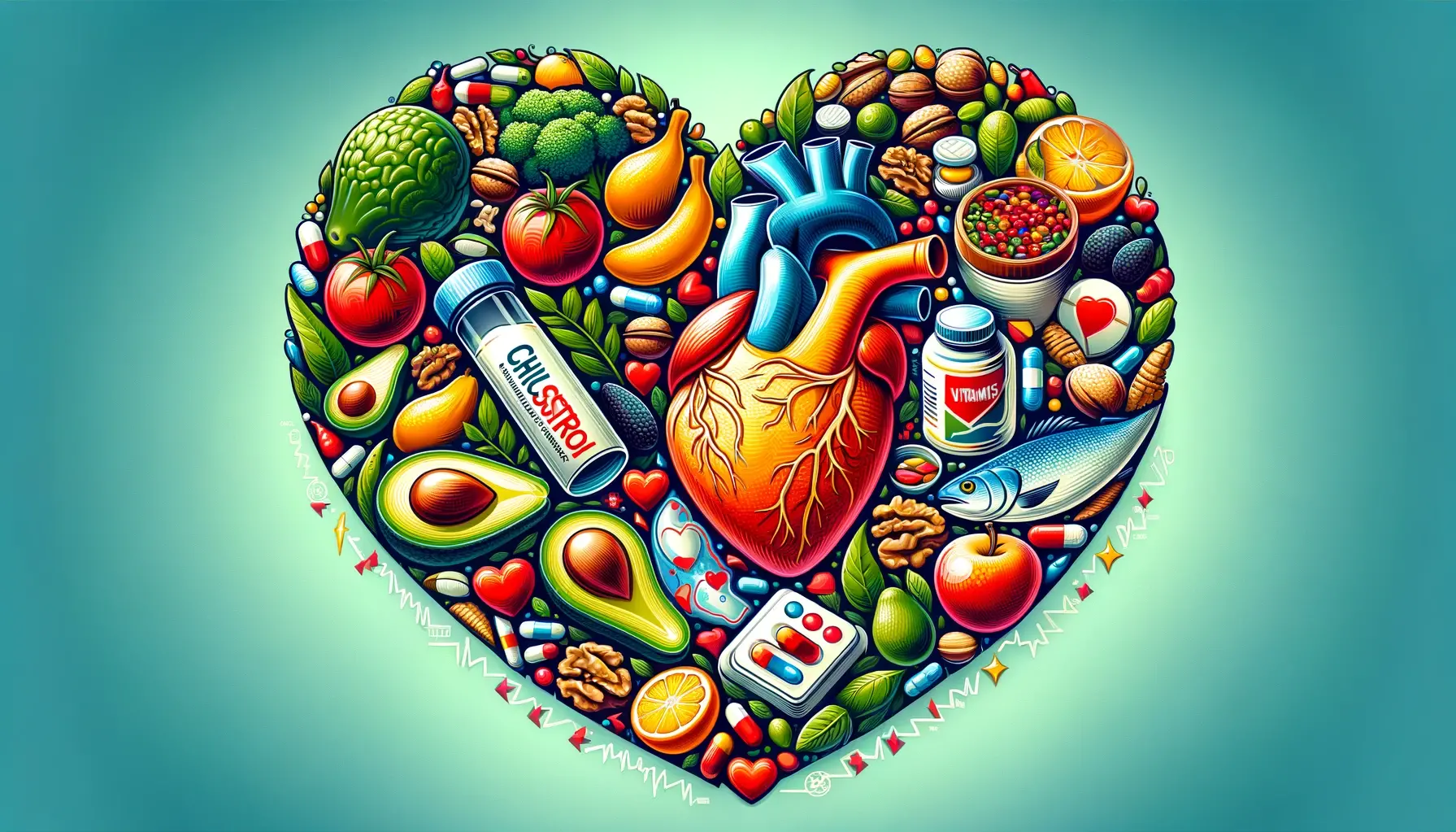
In today’s health-conscious society, many individuals are actively seeking ways to lower their cholesterol levels. While diet and exercise have long been recommended as effective strategies, there is a growing interest in the role of supplements in managing cholesterol. This article aims to shed light on the various supplements available and their potential benefits in promoting healthy cholesterol levels. By exploring the science behind these supplements and their mechanism of action, you will gain a better understanding of how they can complement your efforts in maintaining optimal cholesterol levels.
Understanding the Role of Supplements in Lowering Cholesterol
Cholesterol is a substance that is often associated with negative health effects, but it actually plays an important role in our bodies. However, having elevated levels of cholesterol can be detrimental to our health and it is important to maintain healthy levels. In addition to making dietary and lifestyle changes, supplements can also play a significant role in lowering cholesterol levels. In this article, we will explore the different types of cholesterol, the role of cholesterol in the body, factors that affect cholesterol levels, and the various supplements that can help in lowering cholesterol.

What is Cholesterol?
Cholesterol is a waxy substance that is produced by the liver and is also found in certain foods. It is a necessary component for building and maintaining cell membranes, as well as for the production of hormones, vitamin D, and bile acids. Cholesterol travels through the body in the bloodstream, but it cannot dissolve in the blood. Therefore, it is carried by lipoproteins, which are made up of proteins and fats.
Types of Cholesterol
There are two main types of cholesterol: low-density lipoprotein (LDL) cholesterol and high-density lipoprotein (HDL) cholesterol. LDL cholesterol, often referred to as “bad” cholesterol, can build up in the arteries and form plaques, which can narrow the arteries and increase the risk of heart disease. HDL cholesterol, on the other hand, is known as “good” cholesterol because it helps remove LDL cholesterol from the bloodstream and transport it to the liver for excretion.
The Role of Cholesterol in the Body
While high levels of LDL cholesterol can have negative health effects, it is important to remember that cholesterol also plays important roles in the body. Cholesterol is essential for the formation of cell membranes, which protect and support our cells. It is also necessary for the production of hormones, such as estrogen and testosterone, which play a crucial role in various bodily functions. Additionally, cholesterol is needed for the synthesis of vitamin D, which is important for bone health, and for the production of bile acids, which aid in digestion.
Understanding Elevated Cholesterol Levels
Having elevated cholesterol levels can be a cause for concern as it increases the risk of developing heart disease and other cardiovascular problems. Factors that can contribute to high cholesterol levels include a diet high in saturated and trans fats, smoking, obesity, sedentary lifestyle, and certain medical conditions like diabetes and hypothyroidism. Elevated cholesterol levels often do not cause any symptoms, which is why it is important to have regular cholesterol screenings to monitor your levels.

Diet and Lifestyle Factors Affecting Cholesterol Levels
One of the best ways to lower cholesterol levels is by making dietary and lifestyle changes. It is recommended to consume a balanced diet that is rich in fruits, vegetables, whole grains, lean proteins, and healthy fats. Limiting the consumption of foods high in saturated and trans fats, such as red meat, full-fat dairy products, and processed snacks, can also help in reducing cholesterol levels. Engaging in regular physical activity, maintaining a healthy weight, quitting smoking, and managing stress are also important factors in controlling cholesterol levels.
Supplements for Lowering Cholesterol
In addition to making dietary and lifestyle changes, supplements can further support the effort to lower cholesterol levels. However, it is important to note that supplements should not be used as a substitute for a healthy lifestyle, but rather as a complementary tool. Here are some supplements that have been shown to be beneficial in lowering cholesterol:

1. Omega-3 Fatty Acids
Omega-3 fatty acids are a type of polyunsaturated fat that can be found in fatty fish, such as salmon and trout, as well as in flaxseeds and walnuts. Studies have shown that omega-3 fatty acids can help lower triglyceride levels and reduce the risk of heart disease. They can also increase HDL cholesterol levels and decrease LDL cholesterol levels.
2. Plant Sterols and Stanols
Plant sterols and stanols are naturally occurring substances that are found in certain fruits, vegetables, nuts, and seeds. They work by blocking the absorption of cholesterol in the intestines, leading to lower LDL cholesterol levels. Many food products, such as margarine and yogurt, are fortified with plant sterols and stanols to increase their availability.

3. Red Yeast Rice
Red yeast rice is a traditional Chinese fermented rice product that contains a natural compound called monacolin K, which is structurally identical to statin drugs. Statins are a common medication used to lower cholesterol levels by inhibiting the production of cholesterol in the liver. Red yeast rice has been shown to have a similar effect in reducing LDL cholesterol levels.
4. Soluble Fiber
Soluble fiber is a type of dietary fiber that dissolves in water and forms a gel-like substance. It can be found in foods such as oats, barley, legumes, fruits, and vegetables. Soluble fiber has been shown to lower LDL cholesterol levels by binding to cholesterol in the digestive system and preventing its absorption into the bloodstream.
5. Coenzyme Q10
Coenzyme Q10, also known as CoQ10, is a compound that is naturally produced by the body and is involved in energy production within cells. Some studies suggest that CoQ10 supplementation may help reduce LDL cholesterol levels, especially in individuals taking statin medications, which can deplete CoQ10 levels.
6. Garlic
Garlic has been used for centuries for its potential health benefits. Studies have shown that garlic supplements may help lower total cholesterol and LDL cholesterol levels. Garlic can also have a positive impact on blood pressure and reduce the risk of blood clot formation.
7. Niacin
Niacin, also known as vitamin B3, is a water-soluble vitamin that is found in a variety of foods, including meat, fish, nuts, and legumes. Niacin can help raise HDL cholesterol levels and lower LDL cholesterol levels. However, it is important to consult with a healthcare professional before starting niacin supplementation, as high doses can cause side effects.
8. Green Tea
Green tea is a popular beverage that is rich in antioxidants called catechins. Studies have shown that green tea consumption can lead to a modest reduction in total cholesterol and LDL cholesterol levels. Green tea can be an enjoyable and healthful addition to a cholesterol-lowering regimen.
Consulting with a Healthcare Professional
Before starting any new supplements or making significant changes to your diet or lifestyle, it is important to consult with a healthcare professional. They can provide personalized advice and guidance based on your individual health needs and any pre-existing medical conditions you may have. They can also ensure that any supplements you are considering are safe and will not interact with any medications you may be taking.
Conclusion
Lowering cholesterol levels is an important step in maintaining overall cardiovascular health. While dietary and lifestyle changes are crucial, supplements can further support these efforts. Omega-3 fatty acids, plant sterols and stanols, red yeast rice, soluble fiber, Coenzyme Q10, garlic, niacin, and green tea are all supplements that have shown promise in lowering cholesterol levels. However, it is important to remember that supplements should be used in conjunction with a healthy lifestyle and under the guidance of a healthcare professional. By taking a comprehensive approach to cholesterol management, you can significantly reduce your risk of heart disease and improve your overall well-being.