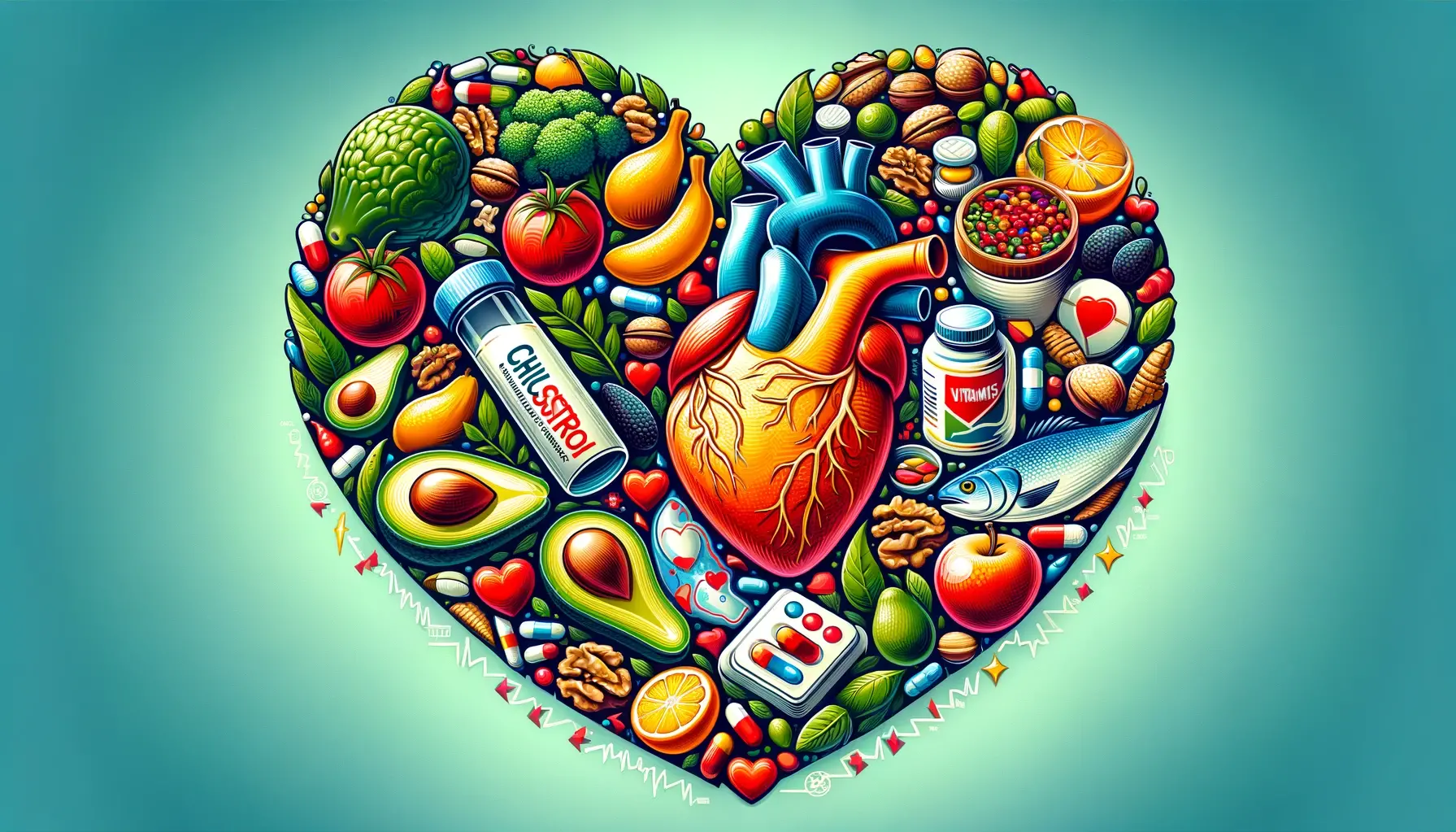
Welcome to an article all about taking care of your health in the best, most friendly way possible! In this piece, you will learn the top ways to prevent Vitamin B12 deficiency and lower your cholesterol levels. These simple and easy tips will help you maintain a healthy lifestyle and keep your body in top shape. So sit back, relax, and get ready to learn how to stay happy and healthy!
Are you looking to improve your overall health and well-being?
If so, you may want to consider how you can prevent Vitamin B12 deficiency and lower your cholesterol levels. Both of these aspects play a crucial role in your overall health, and making some simple changes to your diet and lifestyle can have a significant impact. In this article, we will explore the top ways to prevent Vitamin B12 deficiency and lower cholesterol levels to help you on your journey to better health.

What is Vitamin B12 and why is it important?
First and foremost, let’s discuss what Vitamin B12 actually is and why it is important for your health. Vitamin B12 is a water-soluble vitamin that is essential for various bodily functions, including the formation of red blood cells, DNA synthesis, and neurological function. It is not produced by the body, so it must be obtained through diet or supplementation. A lack of Vitamin B12 can lead to fatigue, weakness, and even neurological issues.
How to get enough Vitamin B12 in your diet
To prevent a deficiency in Vitamin B12, it is important to ensure that you are getting an adequate amount in your diet. Some of the best food sources of Vitamin B12 include beef, liver, fish, eggs, and dairy products. If you follow a plant-based diet, you may need to consider taking a B12 supplement to meet your daily needs. Additionally, fortified foods such as cereals and plant-based milk alternatives can be a good source of Vitamin B12 for vegetarians and vegans.
The dangers of Vitamin B12 deficiency
A deficiency in Vitamin B12 can have serious consequences for your health. In addition to the symptoms mentioned earlier, Vitamin B12 deficiency can lead to megaloblastic anemia, a condition characterized by a decrease in red blood cells and an increase in immature blood cells. This can result in fatigue, weakness, shortness of breath, and even neurological issues if left untreated.
Signs that you may be Vitamin B12 deficient
If you are experiencing symptoms such as fatigue, weakness, numbness or tingling in your hands and feet, difficulty walking, or memory problems, you may be Vitamin B12 deficient. It is important to speak with your healthcare provider if you suspect a deficiency, as they can order a blood test to determine your Vitamin B12 levels.
Top ways to prevent Vitamin B12 deficiency
Now that you understand the importance of Vitamin B12 and the potential consequences of a deficiency, let’s explore some top ways to prevent Vitamin B12 deficiency and ensure that you are meeting your daily requirements.
1. Eat foods rich in Vitamin B12
As mentioned earlier, incorporating foods rich in Vitamin B12 into your diet is one of the best ways to prevent a deficiency. Aim to include sources such as beef, liver, fish, eggs, and dairy products in your meals regularly. If you follow a plant-based diet, consider taking a B12 supplement to ensure that you are meeting your daily needs.
2. Consider fortified foods
Fortified foods, such as cereals, plant-based milk alternatives, and nutritional yeast, can be a convenient way to increase your Vitamin B12 intake, especially for vegetarians and vegans. Be sure to check the labels to ensure that these products are fortified with Vitamin B12.
3. Take a Vitamin B12 supplement
If you are unable to get enough Vitamin B12 through your diet alone, consider taking a B12 supplement to meet your daily needs. There are various forms of B12 supplements available, including tablets, capsules, and sublingual (under the tongue) drops. Speak with your healthcare provider to determine the best option for you.
Understanding cholesterol and its impact on health
Moving on to another important aspect of your health, let’s discuss cholesterol and its impact on your overall well-being. Cholesterol is a waxy substance that is found in your blood and is necessary for building healthy cells; however, having high levels of cholesterol can increase your risk of heart disease and stroke. It is important to maintain healthy cholesterol levels through diet and lifestyle choices.
The difference between LDL and HDL cholesterol
When it comes to cholesterol, there are two main types to be aware of: low-density lipoprotein (LDL) and high-density lipoprotein (HDL). LDL cholesterol is often referred to as “bad” cholesterol, as high levels can lead to plaque buildup in your arteries, increasing your risk of heart disease. On the other hand, HDL cholesterol is known as “good” cholesterol, as it helps remove LDL cholesterol from your blood.

Top ways to lower cholesterol levels
Now that you understand the importance of maintaining healthy cholesterol levels and the difference between LDL and HDL cholesterol, let’s explore some top ways to lower your cholesterol levels naturally.
1. Eat a heart-healthy diet
One of the most effective ways to lower cholesterol levels is to eat a heart-healthy diet that is low in saturated and trans fats. Focus on incorporating whole grains, fruits, vegetables, lean proteins, and healthy fats such as avocado, nuts, and seeds into your meals. Limit your intake of red meat, processed foods, and sugary drinks to help reduce LDL cholesterol levels.
2. Increase your fiber intake
Fiber plays a crucial role in lowering cholesterol levels by helping to remove excess cholesterol from your body. Aim to include sources of soluble fiber, such as oats, beans, lentils, fruits, and vegetables, into your diet. Adding a daily serving of psyllium husk to your routine can also help lower LDL cholesterol levels.
3. Maintain a healthy weight
Being overweight or obese can raise your LDL cholesterol levels and increase your risk of heart disease. By maintaining a healthy weight through a balanced diet and regular exercise, you can help lower your cholesterol levels and improve your overall health. Aim for at least 150 minutes of moderate-intensity exercise per week to support your weight management goals.
4. Stay physically active
In addition to maintaining a healthy weight, regular physical activity can help lower LDL cholesterol levels and increase HDL cholesterol levels. Aim for a combination of aerobic exercise (such as walking, running, or cycling) and strength training exercises to keep your heart healthy and maintain optimal cholesterol levels.
In conclusion
In conclusion, taking steps to prevent Vitamin B12 deficiency and lower your cholesterol levels can have a positive impact on your overall health and well-being. By incorporating foods rich in Vitamin B12, considering fortified foods and supplements, and making healthy lifestyle choices, you can support your body in functioning at its best. Remember to speak with your healthcare provider before making any significant changes to your diet or lifestyle to ensure that they are appropriate for your individual needs. Here’s to your health!
