

Are you looking for a natural and delicious way to manage your weight and reduce cholesterol levels? Look no further! In this article, we will introduce you to the top cholesterol-lowering vitamin-rich foods that can help you achieve your weight management goals. These foods not only provide essential nutrients, but they also promote heart health and support a balanced diet. So, get ready to discover a range of tasty options that will keep you feeling satisfied and healthy.
Avocado
Avocado, often hailed as a superfood, is not only delicious but also incredibly beneficial for maintaining healthy cholesterol levels. It is packed with monounsaturated fats, which are known to help lower LDL cholesterol, otherwise known as the “bad” cholesterol. By incorporating avocados into your diet, you can actively work towards reducing your cholesterol levels and improving your overall heart health.
One of the main reasons why avocados are so effective in promoting healthy cholesterol levels is their high vitamin E content. Vitamin E is a powerful antioxidant that has been shown to have a positive impact on cholesterol levels. It helps to maintain the integrity of the LDL cholesterol particles, preventing them from becoming oxidized and causing damage to the arteries. By consuming avocados, you are giving your body a natural dose of vitamin E, which in turn promotes healthy cholesterol levels.
In addition to its rich monounsaturated fat content and high vitamin E levels, avocados are also a great source of fiber. Fiber plays a crucial role in reducing cholesterol absorption in the body. It helps to bind to cholesterol and prevent it from being absorbed into the bloodstream, essentially aiding in flushing it out of the body. By regularly incorporating avocados into your meals, you can increase your fiber intake and actively work towards reducing your cholesterol levels.
Berries
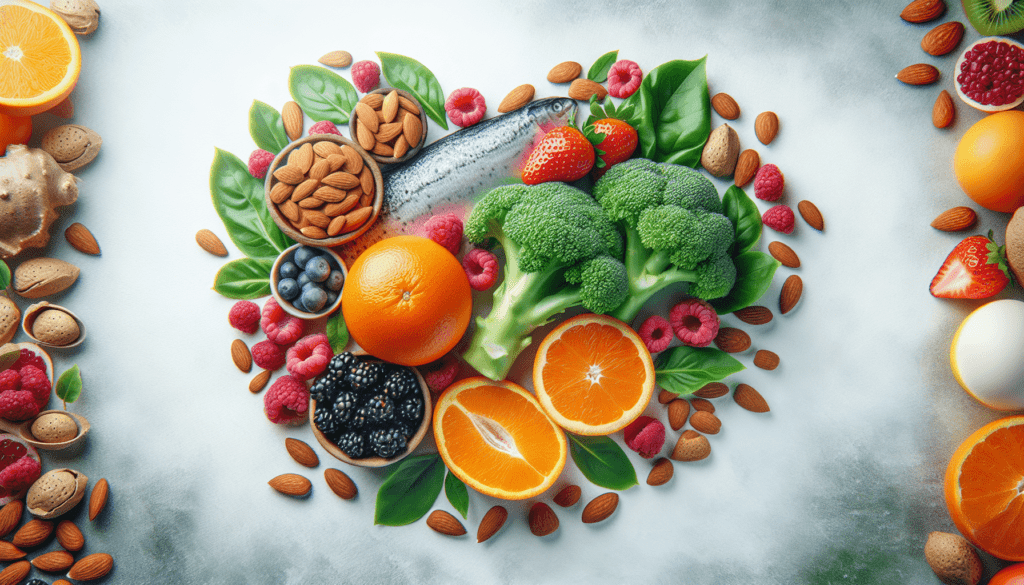
When it comes to your heart health, berries are an absolute powerhouse. Not only are they delicious and versatile, but they are also packed with antioxidants that protect against heart disease. Antioxidants work by neutralizing harmful free radicals in the body, which can cause damage to the cells and contribute to the development of heart disease.
Berries, such as strawberries, blueberries, and raspberries, are also high in soluble fiber. This type of fiber has been shown to have a positive impact on cholesterol levels by helping to reduce LDL cholesterol. Soluble fiber works by binding to cholesterol in the digestive system, preventing its absorption into the bloodstream and aiding in its elimination from the body. By including a variety of berries in your diet, you can boost your soluble fiber intake and actively work towards lowering your cholesterol levels.
In addition to their cholesterol-lowering properties, berries are also incredibly beneficial for weight management. They are low in calories and high in nutrients, meaning you can enjoy a generous portion of berries without worrying about unwanted weight gain. The high fiber content in berries also contributes to feelings of fullness, helping to curb your appetite and prevent overeating. By incorporating berries into your diet, you can enjoy their various health benefits while also supporting your weight management goals.
Oats
Oats, often enjoyed as a comforting breakfast option, are another excellent choice when it comes to lowering cholesterol levels. They contain a type of soluble fiber called beta-glucan, which has been extensively studied for its cholesterol-lowering properties. Beta-glucan works by binding to bile acids in the digestive system, preventing their reabsorption. This triggers the liver to use cholesterol to produce more bile acids, ultimately lowering LDL cholesterol levels.
In addition to their high content of beta-glucan, oats are also rich in antioxidants. These antioxidants, including avenanthramides, help to prevent LDL cholesterol from becoming oxidized, reducing inflammation in the arteries and promoting overall heart health.
Another benefit of oats is their ability to promote feelings of fullness. The soluble fiber in oats absorbs water and swells in the stomach, creating a sense of satiety. This can be particularly beneficial for weight management, as it can help to prevent overeating and control calorie intake.
Salmon
Salmon, a fatty fish rich in omega-3 fatty acids, is a fantastic choice for improving cholesterol levels and overall heart health. Omega-3 fatty acids have long been recognized for their anti-inflammatory properties, which can help to reduce inflammation in the arteries and improve cholesterol levels.
In addition to its omega-3 fatty acid content, salmon is also an excellent source of vitamin D. Vitamin D has been linked to a decrease in heart disease risk, making it an essential nutrient for maintaining optimal heart health.
Furthermore, salmon provides high-quality protein, which is beneficial for weight management. Protein is known to increase feelings of fullness and can help to regulate appetite, ultimately assisting in weight control.

Walnuts
Walnuts are not only a delicious and satisfying snack, but they are also a fantastic food for promoting healthy cholesterol levels. They are rich in omega-3 fatty acids, which have been shown to have a significant impact on improving cholesterol levels. Omega-3 fatty acids work by reducing inflammation in the arteries and improving the overall balance of cholesterol in the body.
Moreover, walnuts contain plant sterols, which are natural compounds that can help to lower cholesterol absorption. These plant sterols act similarly to dietary fiber, preventing the absorption of cholesterol in the intestines and facilitating its elimination from the body.
In addition to their cholesterol-lowering properties, walnuts also provide satiety due to their healthy fat and protein content. Including walnuts in your diet can keep you feeling full and satisfied, helping to support your weight management goals.
Spinach
Spinach, a leafy green vegetable, is not only low in calories but also incredibly beneficial for promoting healthy cholesterol levels. It is high in a compound called lutein, which has been shown to prevent cholesterol oxidation. Oxidized cholesterol can contribute to inflammation and the development of heart disease, so consuming foods high in lutein, like spinach, can help to protect against these risks.
Additionally, spinach is rich in fiber, which aids in reducing cholesterol absorption. Fiber binds to cholesterol in the digestive system, preventing its absorption into the bloodstream and promoting its elimination from the body. By including spinach in your meals, you can increase your fiber intake and actively work towards reducing your cholesterol levels.
Furthermore, spinach is an excellent choice for weight management due to its low-calorie and nutrient-dense nature. It provides essential vitamins and minerals while keeping the calorie count low, making it a fantastic addition to any well-balanced diet.
Legumes
Legumes, including beans, lentils, and chickpeas, are an excellent choice for maintaining healthy cholesterol levels and supporting weight management. They are rich in soluble fiber, which has been shown to have a positive impact on reducing LDL cholesterol levels.
Soluble fiber works by binding to bile acids in the digestive system, preventing their reabsorption and stimulating the liver to use cholesterol to produce more bile acids. This process ultimately leads to lower LDL cholesterol levels and improved heart health.
Furthermore, legumes are a great source of plant-based protein, making them an excellent option for weight management. Protein has been shown to increase feelings of fullness and aid in regulating appetite, helping to support weight control and prevent overeating.
With their high fiber content, protein-rich nature, and abundance of vitamins and minerals, legumes are a fantastic addition to any cholesterol-lowering and weight management diet.
Citrus Fruits
Citrus fruits, including oranges, grapefruits, and lemons, are not only refreshing and delicious but are also incredible for maintaining healthy cholesterol levels. They are rich in soluble fiber, which has been shown to have a positive impact on lowering LDL cholesterol levels.
Soluble fiber works by binding to cholesterol in the digestive system, preventing its absorption into the bloodstream and aiding in its elimination from the body. By incorporating citrus fruits into your diet, you can increase your soluble fiber intake and actively work towards reducing your cholesterol levels.
In addition to their cholesterol-lowering properties, citrus fruits also contain flavonoids, a type of antioxidant that improves heart health and reduces inflammation. These flavonoids help to protect the arteries from damage and promote overall cardiovascular well-being.
Furthermore, citrus fruits have a low calorie content, making them a perfect choice for weight management. They provide a natural sweetness without adding excessive calories, allowing you to enjoy their various health benefits without worrying about impacting your weight.
Dark Chocolate
Dark chocolate lovers, rejoice! Your guilty pleasure can actually be a fantastic choice for improving cholesterol levels. Dark chocolate is rich in flavonoids, a type of antioxidant that has been shown to improve heart health and lower LDL cholesterol levels.
Flavonoids work by reducing inflammation in the body and preventing the oxidation of LDL cholesterol particles, ultimately protecting against cell damage and promoting overall cardiovascular health.
Furthermore, consuming moderate amounts of dark chocolate can help control appetite and cravings. The rich and intense flavor of dark chocolate can satisfy your sweet tooth while providing a sense of satisfaction, reducing the likelihood of overeating or reaching for unhealthy snacks.
When choosing dark chocolate, opt for options with a high percentage of cocoa and minimal added sugar. Enjoying a small piece of dark chocolate as part of a well-balanced diet can be a guilt-free indulgence that supports both your heart health and weight management goals.
Flaxseeds
Flaxseeds may be tiny, but they are packed with incredible health benefits, particularly when it comes to improving cholesterol levels. They are a rich source of omega-3 fatty acids, which have been shown to have a positive impact on cholesterol levels.
Omega-3 fatty acids work by reducing inflammation in the body and improving the overall balance of cholesterol. By incorporating flaxseeds into your diet, you can actively work towards improving your cholesterol levels and promoting heart health.
Additionally, flaxseeds are high in soluble fiber, which has been shown to have cholesterol-lowering properties. Soluble fiber binds to bile acids in the digestive system, preventing their reabsorption and stimulating the liver to use cholesterol to produce more bile acids. This process ultimately leads to lower LDL cholesterol levels and improved heart health.
Furthermore, flaxseeds are beneficial for weight management due to their fiber and protein content. The combination of fiber and protein can help to increase feelings of fullness, regulate appetite, and support weight control.
Incorporating flaxseeds into your diet can be as simple as adding them to smoothies, oatmeal, or baked goods. Start small and gradually increase your intake to reap their numerous health benefits.