
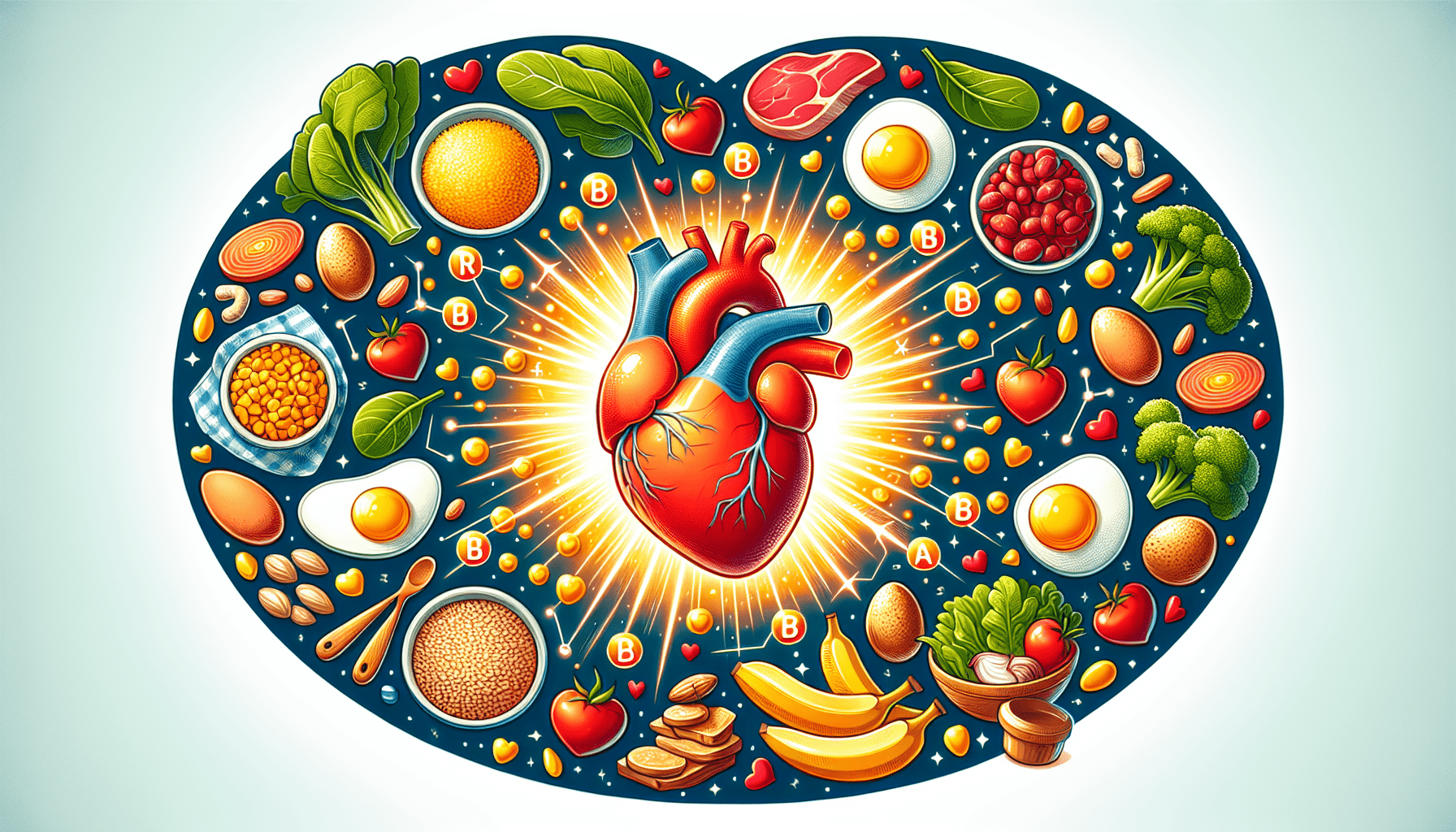
Did you know that vitamin B complex plays a crucial role in regulating cholesterol levels? Cholesterol, often considered harmful, is actually essential for various bodily functions. However, high cholesterol levels can increase the risk of heart disease and other health issues. That’s where vitamin B complex steps in, helping to lower cholesterol levels and maintain a healthy balance. In this article, we will explore the important role of vitamin B complex in regulating cholesterol and how it can benefit your overall health.

Understanding Cholesterol
What is Cholesterol?
Cholesterol is a waxy substance that is found in your body’s cells and is also present in certain foods. It is an essential component for the production of hormones, vitamin D, and substances that help in digestion. While cholesterol is necessary for your body to function properly, having high levels of cholesterol can increase the risk of heart disease.
Types of Cholesterol
There are two main types of cholesterol: low-density lipoprotein (LDL) cholesterol and high-density lipoprotein (HDL) cholesterol. LDL cholesterol is often referred to as “bad” cholesterol because it can build up in the arteries and form plaque, which can lead to blockages. On the other hand, HDL cholesterol is considered “good” cholesterol as it helps remove LDL cholesterol from the arteries and carries it back to the liver to be broken down and excreted.
The Importance of Managing Cholesterol Levels
Managing cholesterol levels is crucial for maintaining good heart health. High levels of LDL cholesterol can increase the risk of developing heart disease, while low levels of HDL cholesterol may also be problematic. By maintaining a healthy balance of LDL and HDL cholesterol, you can reduce the risk of developing plaque in the arteries and promote overall cardiovascular well-being.
Introduction to Vitamin B Complex
What is Vitamin B Complex?
Vitamin B complex refers to a group of water-soluble vitamins that play important roles in various bodily functions. This group includes eight different B vitamins, namely thiamin (B1), riboflavin (B2), niacin (B3), pantothenic acid (B5), pyridoxine (B6), biotin (B7), folate (B9), and cobalamin (B12). Each of these vitamins has its own unique functions and benefits, but when taken together, they can have a synergistic effect on the body’s overall health.
Different Types of B Vitamins
Each B vitamin serves a specific purpose in the body. Thiamin is involved in energy metabolism and nervous system function, while riboflavin plays a role in energy production and cell growth. Niacin aids in the metabolism of carbohydrates and fats, and pantothenic acid is important for the synthesis of hormones and cholesterol. Pyridoxine is necessary for protein metabolism and the production of neurotransmitters, while biotin is involved in the metabolism of carbohydrates, proteins, and fats. Folate is essential for cell division and growth, and cobalamin is needed for the formation of red blood cells and DNA.
Roles of B Vitamins in the Body
Collectively, the B vitamins play crucial roles in maintaining overall health and well-being. They are involved in energy production, helping convert the food we eat into usable energy. B vitamins also support brain function and nerve health, aiding in the production of neurotransmitters that regulate mood and cognition. Additionally, they contribute to the formation of red blood cells and support the immune system, ensuring optimal functioning and overall vitality.
Vitamin B Complex and Cholesterol
The Link between Vitamin B Complex and Cholesterol
Recent research has shown that vitamin B complex may play a role in regulating cholesterol levels. As we mentioned earlier, high levels of LDL cholesterol can be harmful to the body, while maintaining sufficient levels of HDL cholesterol is beneficial. Some B vitamins have been found to have a positive impact on cholesterol regulation, potentially helping to lower LDL cholesterol and increase HDL cholesterol.
Niacin (Vitamin B3) and Cholesterol
Niacin, also known as vitamin B3, has been extensively studied for its impact on cholesterol levels. It has been found to lower LDL cholesterol and triglyceride levels, while also increasing HDL cholesterol. Niacin works by inhibiting the liver from producing excess LDL cholesterol and triglycerides, thus reducing their levels in the bloodstream. This can be particularly beneficial for individuals with high cholesterol levels or cardiovascular risk factors.
Vitamin B6 and Cholesterol
Vitamin B6, or pyridoxine, is involved in numerous metabolic pathways, including those related to cholesterol metabolism. Studies have suggested that vitamin B6 supplementation may help lower total cholesterol and LDL cholesterol levels. This effect is attributed to vitamin B6’s ability to enhance the removal of cholesterol from the bloodstream and promote its conversion into bile acids, which aids in digestion and elimination.
Vitamin B12 and Cholesterol
Vitamin B12, or cobalamin, plays a vital role in the production of red blood cells and DNA synthesis. Recent research has also suggested that vitamin B12 may be involved in cholesterol metabolism. It has been found that vitamin B12 supplementation can help increase HDL cholesterol levels, potentially reducing the risk of heart disease. The exact mechanism by which vitamin B12 affects cholesterol levels is still being studied, but its importance in overall cardiovascular health is becoming increasingly evident.
Effectiveness of B Vitamins in Regulating Cholesterol
Research Studies on B Vitamins and Cholesterol
Numerous studies have been conducted to assess the efficacy of B vitamins in regulating cholesterol levels. Overall, the findings have been promising, indicating a positive association between certain B vitamins and cholesterol management. While additional research is needed to fully understand the mechanisms and long-term effects, the current evidence suggests that B vitamins can be effective in promoting healthy cholesterol levels.
Niacin (Vitamin B3) and Its Impact on Cholesterol Levels
Research has consistently demonstrated the cholesterol-lowering effects of niacin. In one study, niacin supplementation was found to significantly reduce LDL cholesterol levels and increase HDL cholesterol levels in individuals with high cholesterol. Another study showed that niacin combined with a statin medication led to further reductions in LDL cholesterol and triglyceride levels. These findings highlight the potential of niacin supplementation in cholesterol management.
Vitamin B6 and Its Role in Cholesterol Regulation
Studies have indicated that vitamin B6 supplementation can lead to a modest reduction in total cholesterol and LDL cholesterol levels. In one study, participants who took vitamin B6 supplements for six months experienced significant reductions in LDL cholesterol compared to those who did not receive supplements. These results suggest that vitamin B6 may have a beneficial effect on cholesterol levels when incorporated into a healthy lifestyle.
Vitamin B12 and Cholesterol Management
The relationship between vitamin B12 and cholesterol management is still being explored, but some studies have shown promising results. For example, one study found that higher vitamin B12 levels were associated with increased HDL cholesterol levels, while low vitamin B12 levels were associated with higher levels of total cholesterol and LDL cholesterol. This suggests that maintaining adequate vitamin B12 levels may have a positive impact on cholesterol regulation.
Mechanisms of Action
How Niacin Affects Cholesterol Levels
Niacin exerts its cholesterol-lowering effects through several mechanisms. It inhibits the liver from producing excess LDL cholesterol and triglycerides, reducing their levels in the bloodstream. Niacin also enhances the breakdown of fats in fat tissue, which can further decrease triglyceride levels. Additionally, niacin stimulates the production of HDL cholesterol, which helps remove LDL cholesterol from the arteries and improves overall cholesterol balance.
The Role of Vitamin B6 in Cholesterol Metabolism
Vitamin B6 plays a crucial role in cholesterol metabolism by enhancing the removal of cholesterol from the bloodstream. It does this by converting cholesterol into bile acids, which are then excreted in the feces. By increasing the conversion of cholesterol to bile acids, vitamin B6 helps maintain healthy cholesterol levels and prevents the buildup of excess cholesterol in the arteries.
Vitamin B12 and Cholesterol Absorption
Although the exact mechanism by which vitamin B12 affects cholesterol levels is not fully understood, research suggests that it may influence cholesterol absorption. Vitamin B12 is involved in the synthesis of bile acids, which aid in the absorption and digestion of dietary fats, including cholesterol. By promoting the synthesis of bile acids, vitamin B12 may enhance the removal of cholesterol from the body, contributing to better cholesterol management.
Synergistic Effects of B Vitamins on Cholesterol Regulation
While each B vitamin has its own unique role in cholesterol regulation, they also work together synergistically to maintain optimal health. B vitamins are involved in energy metabolism, neurotransmitter production, and DNA synthesis, all of which contribute to overall cardiovascular well-being. Their combined effects on cholesterol metabolism and other physiological processes demonstrate the importance of consuming a balanced diet that includes adequate amounts of B vitamins.
Recommended Dietary Allowance
Daily Intake for B Vitamins
The recommended dietary allowance (RDA) for B vitamins varies depending on age, sex, and certain health conditions. However, for generally healthy individuals, the following daily intake levels are recommended:
- Thiamin (B1): 1.1 – 1.2 milligrams
- Riboflavin (B2): 1.1 – 1.3 milligrams
- Niacin (B3): 14 – 16 milligrams for men, 12 – 14 milligrams for women
- Pantothenic acid (B5): 5 milligrams
- Pyridoxine (B6): 1.3 – 1.7 milligrams
- Biotin (B7): 30 – 35 micrograms
- Folate (B9): 400 – 600 micrograms
- Cobalamin (B12): 2.4 micrograms
RDA for Niacin (Vitamin B3)
The RDA for niacin varies depending on age and sex. For adult males, the RDA is around 16 milligrams, while for adult females, it is about 14 milligrams. Higher doses of niacin may be recommended for certain individuals with specific health conditions, but it is important to consult with a healthcare professional before considering high-dose niacin supplementation.
RDA for Vitamin B6
The RDA for vitamin B6 ranges from 1.3 to 1.7 milligrams for adults, depending on age and sex. Pregnant or breastfeeding women may have slightly higher RDAs. It is important to note that excessive intake of vitamin B6 can have adverse effects, so it is best to obtain this nutrient from natural food sources and consult with a healthcare professional if considering supplementation.
RDA for Vitamin B12
The RDA for vitamin B12 is 2.4 micrograms for most adults. However, individuals with certain health conditions, such as pernicious anemia or gastrointestinal disorders that affect B12 absorption, may require higher doses. Adequate intake of vitamin B12 is especially important for vegetarians and vegans, as this vitamin is primarily found in animal-based foods.
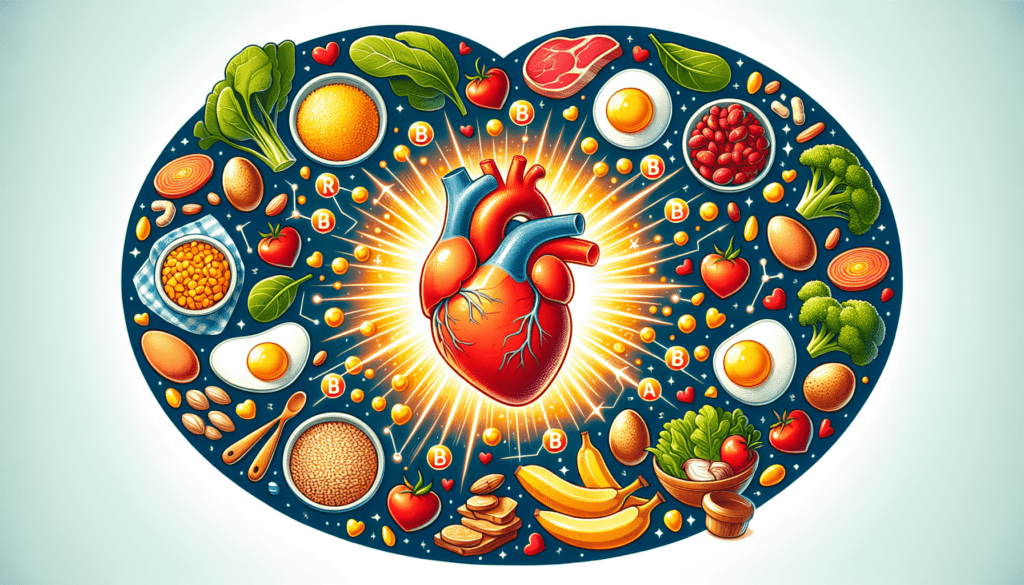
Food Sources of Vitamin B Complex
Natural Food Sources of B Vitamins
B vitamins can be obtained from a variety of foods, including both animal and plant sources. Some natural food sources of B vitamins include:
- Thiamin (B1): Whole grains, legumes, nuts, seeds, pork, and organ meats
- Riboflavin (B2): Dairy products, eggs, lean meats, green leafy vegetables, and fortified cereals
- Niacin (B3): Chicken, turkey, fish, peanuts, mushrooms, and fortified cereals
- Pantothenic acid (B5): Meat, poultry, fish, legumes, whole grains, avocados, and broccoli
- Pyridoxine (B6): Poultry, fish, lean meats, bananas, nuts, seeds, and fortified cereals
- Biotin (B7): Eggs, organ meats, nuts, seeds, and certain vegetables like sweet potatoes and spinach
- Folate (B9): Leafy green vegetables, legumes, citrus fruits, avocados, and fortified grains
- Cobalamin (B12): Animal products such as meat, fish, poultry, dairy, and eggs
B Vitamin-Rich Foods for Cholesterol Management
Certain foods are particularly rich in B vitamins and can be incorporated into a balanced diet to help manage cholesterol levels. These foods include:
- Fatty fish, such as salmon or trout, which are high in vitamin B6 and B12
- Lean meats, which provide vitamin B6 and niacin
- Legumes, such as lentils and chickpeas, which are good sources of vitamin B6 and folate
- Whole grains, like brown rice and quinoa, which contain thiamin, riboflavin, and niacin
- Dark leafy greens, such as spinach and kale, which provide folate and vitamin B6
- Nuts and seeds, such as almonds, sunflower seeds, and flaxseeds, which offer various B vitamins
Including these nutrient-rich foods in your diet can help ensure an adequate intake of B vitamins and support healthy cholesterol levels.
Including B Vitamins in a Balanced Diet
To maximize the benefits of B vitamins for cholesterol management, it is important to follow a balanced diet that incorporates a variety of nutrient-rich foods. Aim to consume a mix of whole grains, lean proteins, fruits, vegetables, legumes, and healthy fats. By diversifying your food choices, you will allow for a broader intake of B vitamins and promote overall well-being.
Supplements and Vitamin B Complex
Considerations for B Vitamin Supplements
While it is generally preferable to obtain nutrients from natural food sources, B vitamin supplements can be considered in certain situations. Individuals with vitamin deficiencies, specific dietary restrictions, or certain health conditions may benefit from supplementation. However, it is important to choose high-quality supplements and consult with a healthcare professional prior to starting any supplementation regimen.
Effectiveness of Supplements in Regulating Cholesterol
Supplementation with B vitamins, especially niacin, has shown promise in regulating cholesterol levels. However, it is important to note that the effectiveness of supplements may vary among individuals. Furthermore, supplements should not be relied upon as the sole method of cholesterol management. A balanced diet, regular exercise, and other lifestyle factors play crucial roles in overall cardiovascular health.
Choosing a High-Quality B Vitamin Supplement
When selecting a B vitamin supplement, it is important to choose a reputable brand that adheres to strict quality standards. Look for supplements that have been independently tested for purity and potency. Additionally, consider opting for a supplement that contains the complete spectrum of B vitamins to ensure you are getting the benefits of the entire complex.
Other Lifestyle Factors for Cholesterol Management
Exercise and Cholesterol Levels
Physical activity plays a vital role in maintaining healthy cholesterol levels. Regular exercise, such as aerobic activities or strength training, can help raise HDL cholesterol levels while lowering LDL cholesterol and triglyceride levels. Aim for at least 150 minutes of moderate-intensity exercise or 75 minutes of vigorous exercise per week, or a combination of both, to optimize cholesterol management.
Healthy Diet and Cholesterol
In addition to B vitamins, following a healthy diet is crucial for cholesterol management. Limit consumption of saturated and trans fats, which can raise LDL cholesterol levels, and instead focus on consuming healthy fats like those found in avocados, nuts, and olive oil. Incorporate plenty of fruits, vegetables, whole grains, and lean proteins into your diet to support cardiovascular health and maintain optimal cholesterol levels.
Weight Management and Cholesterol
Maintaining a healthy weight is essential for overall well-being and cholesterol management. Being overweight or obese can contribute to higher LDL cholesterol and triglyceride levels, while lowering HDL cholesterol. By adopting a balanced diet, engaging in regular physical activity, and managing portion sizes, you can achieve and maintain a healthy weight, thus improving cholesterol profiles.
Stress Reduction and Cholesterol
Chronic stress can have negative effects on cholesterol levels. When you are stressed, your body releases stress hormones that can increase LDL cholesterol and triglyceride levels. Finding healthy ways to manage stress, such as practicing mindfulness, engaging in relaxation techniques, or pursuing hobbies, can help reduce stress levels and promote better cholesterol management.
Conclusion
Summary of the Role of Vitamin B Complex in Regulating Cholesterol Levels
Vitamin B complex plays a significant role in regulating cholesterol levels. Specific B vitamins, such as niacin, vitamin B6, and vitamin B12, have been shown to have positive effects on cholesterol management. These vitamins work through various mechanisms, including inhibiting cholesterol synthesis, enhancing cholesterol removal, and promoting the production of beneficial HDL cholesterol. Additionally, a balanced diet, regular exercise, and other lifestyle factors are crucial for overall cholesterol management.
Importance of a Balanced Lifestyle for Cholesterol Management
While B vitamins can be beneficial for cholesterol management, they should not be considered a standalone solution. A balanced lifestyle that includes a healthy diet, regular exercise, stress reduction, and weight management is key to maintaining healthy cholesterol levels. By incorporating these practices into your daily routine and consulting with a healthcare professional if needed, you can optimize your cardiovascular health and support long-term well-being.