
Are you looking to improve your heart health and lower your cholesterol levels? Look no further! In this article, we will explore the most delicious foods that not only taste amazing but also have the added benefit of being cholesterol-lowering and rich in essential vitamins. By adding these mouth-watering options to your menu, you can nourish your body while enjoying the flavors you love. So, grab a pen and paper, because you won’t want to miss out on these delectable choices!
Fruits
Avocado
Avocado is a nutrient-rich fruit that is not only delicious but also great for your health. It is packed with healthy fats, fiber, and several essential vitamins and minerals. The monounsaturated fats found in avocados can help lower LDL cholesterol levels, making them an excellent choice for improving cardiovascular health. Additionally, avocados are a good source of vitamin E, which is known for its antioxidant properties. You can enjoy avocados in salads, smoothies, or as a spread on toast, making it a versatile and tasty addition to your diet.
Berries
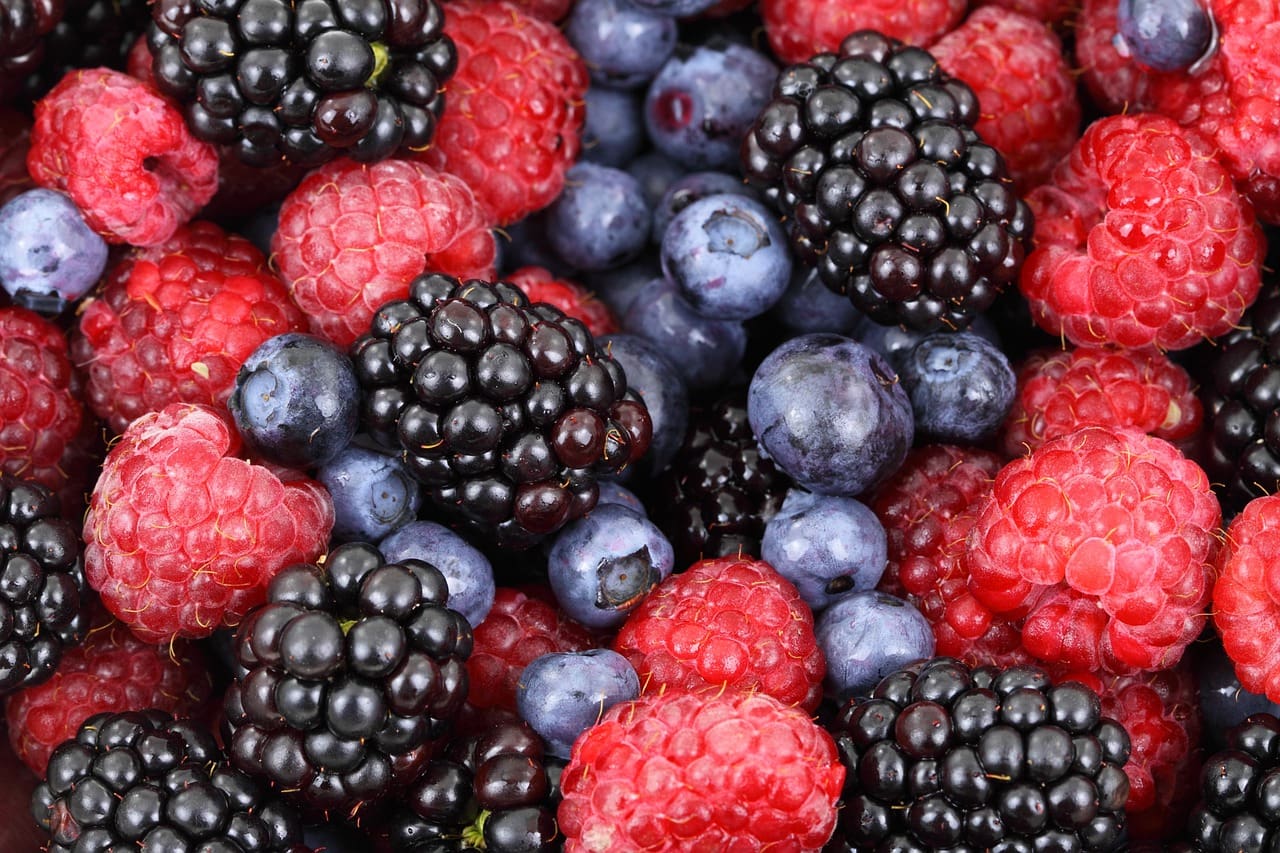
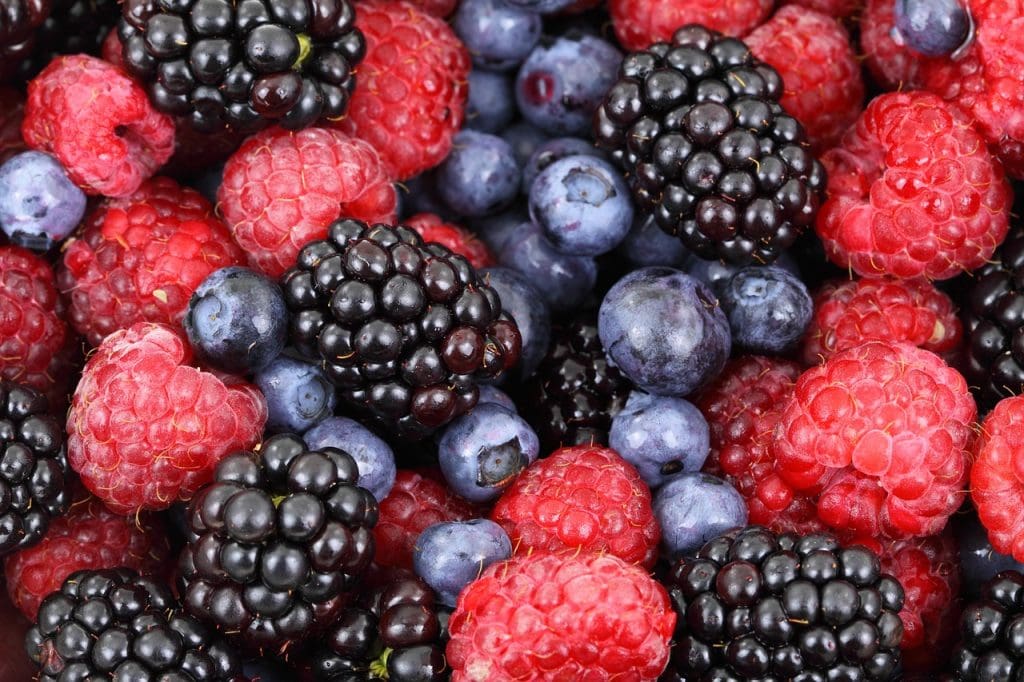
Berries, such as strawberries, blueberries, raspberries, and blackberries, are not only a tasty treat but also incredibly beneficial for your health. They are packed with antioxidants, fiber, and numerous essential vitamins and minerals. Studies have shown that the antioxidants found in berries can help reduce LDL cholesterol levels, thus protecting against heart disease. Additionally, the high fiber content in berries can aid in digestion and contribute to a healthy weight. Whether you enjoy them on their own, in yogurt, or blended into a smoothie, incorporating berries into your diet is a fantastic way to boost your health and well-being.
Apples
An apple a day keeps the doctor away – and for good reason! Apples are not only a delicious and refreshing snack but are also loaded with health benefits. They are an excellent source of soluble fiber, which can help lower LDL cholesterol levels in your blood. Apples also contain polyphenols, antioxidants that have been linked to reduced inflammation and a lower risk of heart disease. With a wide variety of apple types to choose from, you can enjoy them in various ways – sliced, baked, or added to salads or desserts. So grab an apple and take a crunchy bite towards better health!
Oranges
Oranges are popular for their tangy and refreshing flavor, but they also offer a range of health benefits. These citrus fruits are an excellent source of vitamin C, known for its immune-boosting properties. Not only does vitamin C help support a healthy immune system, but it also acts as an antioxidant that can help prevent damage to cholesterol. Oranges also contain soluble fiber, which aids in reducing LDL cholesterol levels. Whether you enjoy them as a snack, in fresh juice, or as a flavorful addition to your salads, oranges are a fantastic choice to keep your cholesterol levels in check while enjoying a burst of citrusy goodness.
Vegetables
Leafy Greens
Leafy greens, such as spinach, kale, and Swiss chard, are not only incredibly nutritious but also great for your heart health. These greens are low in calories and high in vitamins, minerals, and fiber. They are rich in antioxidants, including beta-carotene and vitamin C, which have been associated with a reduced risk of heart disease. The high fiber content in leafy greens can also help lower LDL cholesterol levels. Whether you enjoy them in salads, sautéed, or added to smoothies, leafy greens are an essential addition to a heart-healthy diet.
Broccoli
Broccoli is often referred to as a superfood due to its numerous health benefits. This cruciferous vegetable is rich in fiber, vitamins, and minerals, making it a fantastic addition to your menu. It contains compounds called glucosinolates, which have been linked to a reduced risk of heart disease. These compounds also aid in the body’s natural detoxification process. Additionally, broccoli is rich in antioxidants such as vitamin C, which can help protect against cholesterol oxidation. Enjoy broccoli steamed, roasted, or added to stir-fries for a delicious and heart-healthy meal.
Carrots
Carrots not only add a pop of vibrant color to your plate but are also incredibly beneficial for your health. They are packed with antioxidants, vitamins, and minerals that support overall well-being. Carrots are particularly rich in beta-carotene, which is converted into vitamin A in the body. Vitamin A plays a vital role in maintaining healthy vision, supporting the immune system, and promoting cell growth and differentiation. The fiber content in carrots can also help lower LDL cholesterol levels. Enjoy carrots as a crunchy snack, in salads, or cooked in hearty soups and stews for a nutritious and cholesterol-lowering boost.
Tomatoes
Tomatoes are a versatile and delicious fruit that can be enjoyed in various dishes. They are not only low in calories but also packed with essential nutrients. Tomatoes contain lycopene, a potent antioxidant that has been linked to a reduced risk of heart disease. Lycopene helps prevent the oxidation of LDL cholesterol, which can contribute to the formation of plaque in the arteries. Tomatoes are also an excellent source of vitamins A, C, and K, as well as potassium. Whether enjoyed fresh in salads, cooked in sauces, or as a base for a wholesome soup, tomatoes are a must-have for a heart-healthy diet.
Whole Grains
Oats
Oats are a nutritious whole grain that is not only delicious but also excellent for lowering cholesterol levels. They are packed with soluble fiber, which can help reduce LDL cholesterol levels and promote heart health. Oats also contain antioxidants, vitamins, and minerals that contribute to overall well-being. The beta-glucan fiber found in oats allows it to form a gel-like substance in the gut, which helps remove cholesterol from the body. Whether you enjoy a warm bowl of oatmeal, oat-based granola bars, or incorporate oats into baked goods, this versatile grain is a fantastic addition to your daily menu.
Barley
Barley is a nutrient-dense whole grain that has been consumed for thousands of years. It is an excellent source of vitamins, minerals, and fiber, making it a valuable addition to a heart-healthy diet. Barley contains beta-glucan, a soluble fiber that can help lower LDL cholesterol levels. It also has a low glycemic index, which means it can help regulate blood sugar levels. Whether you enjoy it in soups, stews, or as a side dish, barley adds a hearty and nutty flavor to your meals, while also providing numerous health benefits.
Brown Rice
Brown rice is a nutritious alternative to refined white rice, as it retains its natural bran layer and germ, providing more fiber, vitamins, and minerals. It is particularly rich in manganese, selenium, and magnesium. Brown rice is also a good source of fiber, including soluble fiber that can help lower LDL cholesterol levels. Switching from white rice to brown rice can be an easy and beneficial change for your heart health. Enjoy brown rice as a side dish, as part of a grain bowl, or incorporated into various recipes for added nutritional value.
Quinoa
Quinoa is a versatile and trendy superfood that is not only delicious but also packed with essential nutrients. It is a complete protein, containing all nine essential amino acids, making it an excellent choice for vegetarians and vegans. Quinoa is also rich in fiber, vitamins, and minerals, including magnesium and potassium, which support heart health. The fiber content in quinoa aids in reducing LDL cholesterol levels and plays a role in maintaining healthy blood sugar levels. Whether you enjoy it as a base for salads, incorporate it into soups, or use it as a substitute for rice, quinoa is a fantastic addition to a well-balanced and heart-healthy diet.
Legumes
Lentils
Lentils are a powerhouse of nutrition and an excellent source of plant-based protein. They are packed with fiber, vitamins, minerals, and antioxidants that promote overall well-being. Lentils contain soluble fiber, which can help lower LDL cholesterol levels and improve heart health. Additionally, they have a low glycemic index, making them a great choice for maintaining stable blood sugar levels. Lentils come in various colors and can be enjoyed in soups, stews, salads, or even as a protein-rich alternative to meat in various dishes.
Chickpeas
Chickpeas, also known as garbanzo beans, are a fantastic choice for adding plant-based protein and essential nutrients to your diet. They are rich in fiber, vitamins, minerals, and antioxidants. Chickpeas contain soluble fiber, which can help lower LDL cholesterol levels and improve heart health. They are also a good source of folate and iron, which are important for various bodily functions. Whether you enjoy them in hummus, roasted as a crispy snack, or added to salads and curries, chickpeas are a tasty and versatile legume that can contribute to a heart-healthy diet.
Kidney Beans
Kidney beans are a versatile legume that not only add flavor and texture to dishes but are also packed with essential nutrients. They are a great source of plant-based protein, fiber, vitamins, and minerals. Kidney beans contain soluble fiber, which can help lower LDL cholesterol levels and promote heart health. They are also rich in antioxidants, which help protect against cell damage. Whether you enjoy them in chili, salads, or as a filling for vegetarian tacos, kidney beans are a delicious and nutritious addition to your menu.
Black Beans
Black beans are a staple in many cuisines and offer a range of health benefits. They are packed with fiber, protein, vitamins, and minerals that support overall well-being. Black beans contain soluble fiber, which can help lower LDL cholesterol levels and promote heart health. Additionally, they are a good source of folate, iron, and magnesium, which are essential for various bodily functions. Whether you add them to soups, stews, salads, or enjoy them in Mexican-inspired dishes, black beans are a versatile and delicious legume to include in your diet.

Nuts and Seeds
Almonds
Almonds are a nutritious and satisfying snack that offers numerous health benefits. They are an excellent source of healthy fats, protein, fiber, and essential vitamins and minerals. Almonds contain monounsaturated fats, which can help reduce LDL cholesterol levels and promote heart health. They are also rich in antioxidants, such as vitamin E, which protect against oxidative stress. Whether you enjoy them on their own, as almond butter, or in various recipes, incorporating almonds into your diet is a smart choice for a nutrient-packed and cholesterol-lowering snack.
Chia Seeds
Chia seeds have gained popularity in recent years due to their impressive nutritional profile. They are rich in fiber, healthy fats, protein, and various vitamins and minerals. Chia seeds contain soluble fiber, which can help lower LDL cholesterol levels and improve heart health. They are also a good source of omega-3 fatty acids, which are known for their anti-inflammatory properties. Whether you add them to smoothies, sprinkle them on top of yogurt or oatmeal, or incorporate them into baked goods, chia seeds are a tiny but mighty addition to your diet.
Walnuts
Walnuts are a delectable and nutrient-rich nut that offers a range of health benefits. They are an excellent source of healthy fats, protein, fiber, and various vitamins and minerals. Walnuts contain polyunsaturated fats, including omega-3 fatty acids, which have been shown to reduce LDL cholesterol levels and improve heart health. They are also rich in antioxidants, which help protect against cell damage. Whether you enjoy them on their own, in salads, or added to baked goods, walnuts are a delicious and heart-healthy choice for a satisfying snack.
Flaxseeds
Flaxseeds are tiny powerhouses of nutrition that can benefit your health in several ways. They are a rich source of omega-3 fatty acids, fiber, and essential vitamins and minerals. Flaxseeds contain soluble fiber, which can help lower LDL cholesterol levels and promote heart health. The omega-3 fatty acids found in flaxseeds have also been associated with reduced inflammation and improved cardiovascular health. Whether you add ground flaxseeds to smoothies, oatmeal, or use them as an egg substitute in baking, incorporating flaxseeds into your diet is a simple and effective way to add a nutritional boost.
Oily Fish
Salmon
Salmon is a delicious and nutritious fish that offers a wealth of health benefits. It is an excellent source of high-quality protein and heart-healthy omega-3 fatty acids. The omega-3 fatty acids found in salmon can help reduce inflammation, lower triglyceride levels, and improve heart health. They have also been shown to increase HDL cholesterol, often referred to as “good” cholesterol. Whether you enjoy salmon grilled, baked, or smoked, incorporating this oily fish into your diet is a fantastic way to nourish your body and support cardiovascular wellness.
Mackerel
Mackerel is a fatty fish that is not only tasty but also incredibly beneficial for your health. It is packed with omega-3 fatty acids, protein, and various essential vitamins and minerals. The omega-3 fatty acids found in mackerel can help reduce inflammation, lower triglyceride levels, and improve heart health. They have also been shown to increase HDL cholesterol levels. Whether you enjoy mackerel grilled, pan-seared, or smoked, incorporating this oily fish into your menu can provide essential nutrients and support cardiovascular well-being.
Sardines
Sardines are small, oily fish that are often packed in cans but offer big health benefits. They are a fantastic source of omega-3 fatty acids, protein, and essential vitamins and minerals. The omega-3 fatty acids found in sardines can help reduce inflammation, lower triglyceride levels, and improve heart health. They have also been shown to increase HDL cholesterol levels. Whether you enjoy sardines on their own, added to salads, or as a topping for crackers, incorporating these nutrient-dense fish into your diet is a smart choice for a healthier heart.
Trout
Trout is a delicious and nutritious fish that provides an array of health benefits. It is an excellent source of protein, omega-3 fatty acids, and essential vitamins and minerals. The omega-3 fatty acids found in trout can help reduce inflammation, lower triglyceride levels, and improve heart health. They have also been shown to increase HDL cholesterol levels. Whether you enjoy trout grilled, baked, or pan-seared, adding this flavorful fish to your menu is a great way to support cardiovascular wellness and enjoy a tasty meal.

Low-Fat Dairy
Greek Yogurt
Greek yogurt is a creamy and tangy dairy product that offers numerous health benefits. It is an excellent source of protein, calcium, and probiotics, which support gut health. Greek yogurt is usually lower in lactose and carbohydrates than traditional yogurt, making it a suitable choice for those watching their sugar intake. Incorporating Greek yogurt into your diet can help promote satiety, support bone health, and provide beneficial bacteria for your gut. Enjoy it as a snack, in smoothies, or as a replacement for higher-fat dairy products in recipes.
Skim Milk
Skim milk, also known as fat-free milk, is a nutritious dairy beverage that provides essential nutrients without the added fat content. It is an excellent source of calcium, protein, vitamins, and minerals. Skim milk is lower in saturated fat than whole milk, making it a heart-healthy choice. Whether you enjoy it on its own, as a base for smoothies or cereals, or as an ingredient in cooking and baking, incorporating skim milk into your diet can help support bone health, provide essential nutrients, and contribute to a balanced and cholesterol-lowering menu.
Cottage Cheese
Cottage cheese is a versatile and nutrient-rich dairy product that can be enjoyed in various ways. It is an excellent source of protein, calcium, and other essential vitamins and minerals. Cottage cheese is lower in fat than many other cheese varieties, making it a suitable choice for those watching their calorie and fat intake. Whether you enjoy cottage cheese on its own, as a topping for salads or savory dishes, or as a base for creamy desserts, it provides a satisfying and nutritious addition to your diet.
Low-Fat Cheese
Low-fat cheese is a flavorful and healthier alternative to full-fat cheese varieties. It offers the same great taste and texture while providing reduced levels of saturated fat and calories. Low-fat cheese is an excellent source of calcium, protein, and other essential nutrients. Whether you enjoy it sliced, grated, or melted, adding low-fat cheese to your dishes can help add flavor and richness without compromising your heart health. From sandwiches and pizzas to omelets and soups, low-fat cheese is a delicious way to enhance your meals while watching your cholesterol levels.
Herbs and Spices
Turmeric
Turmeric is a vibrant yellow spice that has been used for its medicinal properties for centuries. It contains a compound called curcumin, which is known for its anti-inflammatory and antioxidant effects. Curcumin has been shown to help reduce LDL cholesterol levels and improve heart health. Turmeric is commonly used in curry dishes, added to golden milk, or sprinkled on roasted vegetables for a warm and earthy flavor. Incorporating this spice into your recipes can not only enhance the taste but also provide potential health benefits.
Garlic
Garlic is a pungent and flavorful herb that is widely used in various cuisines around the world. It contains sulfur compounds that have been shown to provide several health benefits, including reducing LDL cholesterol levels and promoting heart health. Garlic has natural anti-inflammatory and antioxidant properties, which can help protect against oxidative stress and inflammation. Whether you enjoy garlic in savory dishes, sauces, or as a roasted bulb, adding this aromatic herb to your meals is a delicious way to boost your health.
Ginger
Ginger is a versatile herb with a unique and spicy flavor that can add depth to both sweet and savory dishes. It has been used for centuries for its medicinal properties and offers several health benefits. Ginger contains compounds called gingerols, which have anti-inflammatory and antioxidant effects. These compounds have been shown to help reduce LDL cholesterol levels and improve heart health. Whether you use ginger in stir-fries, teas, baked goods, or smoothies, this warming herb can not only enhance the taste of your dishes but also contribute to your overall well-being.
Cinnamon
Cinnamon is a fragrant spice that is commonly used in both sweet and savory dishes. It adds warmth and a subtly sweet flavor to recipes, making it a popular ingredient. Cinnamon contains compounds that have been shown to improve insulin sensitivity, regulate blood sugar levels, and lower LDL cholesterol levels. Additionally, it is rich in antioxidants, which can help protect against inflammation and oxidative stress. Whether you sprinkle cinnamon on your morning oatmeal, incorporate it into baked goods, or use it to spice up savory dishes, this versatile spice offers numerous health benefits and a delightful taste.
Dark Chocolate
Dark chocolate is a delicious treat that offers more than just a delightful flavor. It is rich in antioxidants, fiber, and minerals, making it a decadent choice for a heart-healthy dessert. Dark chocolate contains flavonoids, which have been shown to reduce LDL cholesterol levels and improve heart health. Additionally, it has been associated with various health benefits, including improved brain function, enhanced mood, and reduced inflammation. When selecting dark chocolate, look for varieties with a cocoa content of 70% or higher to maximize the health benefits. Indulge in a small piece of dark chocolate as part of a balanced diet for a guilt-free and heart-healthy treat.
Green Tea
Matcha
Matcha is a vibrant green tea powder that is packed with antioxidants and offers numerous health benefits. It is made from finely ground green tea leaves, resulting in a concentrated source of nutrients. Matcha contains catechins, a type of antioxidant that has been shown to reduce LDL cholesterol levels and promote heart health. It is also rich in L-theanine, an amino acid that promotes relaxation and focus. Enjoy matcha as a hot or iced tea, or incorporate it into smoothies, lattes, and desserts for a delicious and nutritious boost.
Sencha
Sencha is a traditional Japanese green tea that is enjoyed for its refreshing taste and health benefits. It is made from young tea leaves that are steamed, rolled, and dried to preserve their natural properties. Sencha is rich in antioxidants called catechins, which have been shown to help reduce LDL cholesterol levels and improve heart health. It also contains caffeine, which can provide an energy boost and enhance mental alertness. Whether you savor sencha hot or iced, this flavorful tea is a delightful addition to your daily routine.
Gunpowder
Gunpowder tea is a unique and flavorful green tea that is rolled into small pellets resembling gunpowder, from which it gets its name. It is a popular Chinese tea known for its rich taste and potential health benefits. Gunpowder tea contains antioxidants, including catechins, which have been shown to help lower LDL cholesterol levels and promote heart health. It also contains caffeine, providing an energizing boost. Brew gunpowder tea hot or iced for a refreshing and invigorating beverage that can contribute to a healthy lifestyle.
Jasmine
Jasmine tea is a fragrant and soothing beverage made by combining green tea leaves with jasmine flowers. It is known for its delicate floral aroma and light flavor. Jasmine tea contains antioxidants, including catechins, which have been shown to help lower LDL cholesterol levels and promote heart health. It also provides a calming effect, making it an excellent choice for relaxation and stress relief. Whether you enjoy jasmine tea warm or chilled, this aromatic and refreshing drink can help cleanse the palate and uplift your mood.
Incorporating these cholesterol-lowering and vitamin-rich foods into your menu is a fantastic way to support your overall health and well-being. From the deliciously creamy avocado to the vibrant and tangy oranges, these fruits offer a wide range of essential nutrients and health benefits. Leafy greens like spinach and kale, along with fiber-rich vegetables such as broccoli and carrots, provide important vitamins and minerals while aiding in cholesterol management. Whole grains like oats, barley, brown rice, and quinoa offer heart-healthy fiber and contribute to a well-rounded diet. Legumes like lentils, chickpeas, kidney beans, and black beans are excellent sources of protein and soluble fiber, helping to lower LDL cholesterol levels. Nuts and seeds, such as almonds, chia seeds, walnuts, and flaxseeds, provide healthy fats and essential nutrients for cardiovascular health. Oily fish like salmon, mackerel, sardines, and trout are packed with omega-3 fatty acids, which have been shown to reduce inflammation and improve heart health. Low-fat dairy options like Greek yogurt, skim milk, cottage cheese, and low-fat cheese offer calcium, protein, and other essential nutrients without excessive fat content. Herbs and spices like turmeric, garlic, ginger, and cinnamon add flavor to dishes while providing potential cholesterol-lowering and heart-healthy effects. Lastly, dark chocolate with a high cocoa content and green tea varieties like matcha, sencha, gunpowder, and jasmine offer antioxidants and compounds that can help improve heart health.
By incorporating these delicious and nutritious foods into your daily menu, you can enjoy a wide range of flavors while reaping the benefits of a cholesterol-lowering and vitamin-rich diet. So, grab those avocados, berries, and leafy greens, and get creative in the kitchen. Your taste buds and heart will thank you!