

If you’re on a quest to improve your heart health, then you’ve probably heard the buzz about omega-3 fatty acids and their potential in reducing cholesterol levels. But what exactly is the connection between omega-3 and lowering cholesterol? In this article, we’ll explore the scientific evidence behind this claim and delve into how omega-3 supplements can play a vital role in improving your overall cardiovascular health. So, sit back, relax, and get ready to discover the remarkable benefits of incorporating omega-3 into your daily routine.

What is Omega-3?
Definition of Omega-3 fatty acids
Omega-3 fatty acids are a type of essential fats that are crucial for maintaining overall health. They are polyunsaturated fats, meaning they contain multiple double bonds in their chemical structure. Omega-3 fatty acids cannot be synthesized by the body and must be obtained through dietary sources or supplements. There are three main types of omega-3 fatty acids: eicosapentaenoic acid (EPA), docosahexaenoic acid (DHA), and alpha-linolenic acid (ALA).
Sources of Omega-3 fatty acids
While Omega-3 fatty acids can be found in various food sources, some of the best sources include cold-water fish such as salmon, mackerel, sardines, and trout. Other sources include walnuts, chia seeds, flaxseeds, and soy-based products. Consuming these food sources regularly can help ensure an adequate intake of Omega-3 fatty acids.
Cholesterol and its Effects on Health
Understanding cholesterol levels
Cholesterol is a waxy, fat-like substance that is naturally produced by the liver and is also found in certain foods. While cholesterol is essential for various bodily functions, having high levels of low-density lipoprotein (LDL) cholesterol, also known as “bad” cholesterol, can increase the risk of cardiovascular diseases. On the other hand, high levels of high-density lipoprotein (HDL) cholesterol, known as “good” cholesterol, can help protect against heart disease.
The impact of high cholesterol on health
When LDL cholesterol levels are elevated, it can lead to the formation of plaque in the arteries, causing them to narrow and harden. This condition is known as atherosclerosis and can increase the risk of heart attacks, strokes, and other cardiovascular diseases. Keeping cholesterol levels within a healthy range is crucial for maintaining optimal heart health and reducing the risk of these conditions.
The Link between Omega-3 and Cholesterol
Research supporting the connection
Numerous scientific studies have shown a positive association between Omega-3 fatty acids and lowered cholesterol levels. Omega-3 fatty acids have been found to reduce triglyceride levels, decrease LDL cholesterol levels, and increase HDL cholesterol levels. These effects contribute to an overall improvement in cholesterol profile and a decreased risk of cardiovascular diseases.
Mechanisms behind Omega-3’s cholesterol-lowering effects
The exact mechanisms by which Omega-3 fatty acids lower cholesterol are still being studied. However, it is believed that Omega-3 fatty acids can inhibit the synthesis of triglycerides in the liver, reducing their production. Additionally, Omega-3 fatty acids have been shown to increase the expression of genes involved in the metabolism of LDL cholesterol, resulting in its clearance from the bloodstream.
Types of Omega-3 Supplements
Fish oil supplements
Fish oil supplements are one of the most common types of Omega-3 supplements available in the market. They are derived from the tissues of fatty fish and are rich in EPA and DHA. Fish oil supplements are available in various forms, including capsules, liquids, and even gummies. It is important to choose high-quality fish oil supplements that have been tested for purity and potency.
Algae-based supplements
For individuals who follow a vegetarian or vegan diet, algae-based supplements offer a suitable alternative to fish oil. These supplements are derived from microalgae, which are a primary source of Omega-3 fatty acids for fish. Algae-based supplements typically contain DHA, making them an excellent choice for individuals looking for a plant-based Omega-3 option.
Flaxseed oil supplements
Flaxseed oil supplements are another plant-based source of Omega-3 fatty acids. They are derived from the seeds of the flax plant and contain ALA. Flaxseed oil can be a convenient option for individuals who prefer not to consume fish or algae-based products. However, it is important to note that ALA needs to be converted to EPA and DHA in the body, and this conversion can be inefficient for some individuals.

Choosing the Right Omega-3 Supplement
Quality and purity considerations
When choosing an Omega-3 supplement, it is essential to consider the quality and purity of the product. Look for supplements that have been tested by third-party organizations for contaminants such as heavy metals, PCBs, and other pollutants. Additionally, choosing a reputable brand with a good track record can help ensure that you are purchasing a high-quality product.
Dosage recommendations
The dosage of Omega-3 supplements can vary depending on individual needs and health conditions. It is best to consult with a healthcare professional to determine the appropriate dosage for your specific situation. Generally, a daily dose of 1000-3000 mg of Omega-3 fatty acids, including both EPA and DHA, is recommended for most individuals.
Effectiveness of Omega-3 Supplements in Lowering Cholesterol
Clinical studies on Omega-3’s impact on cholesterol levels
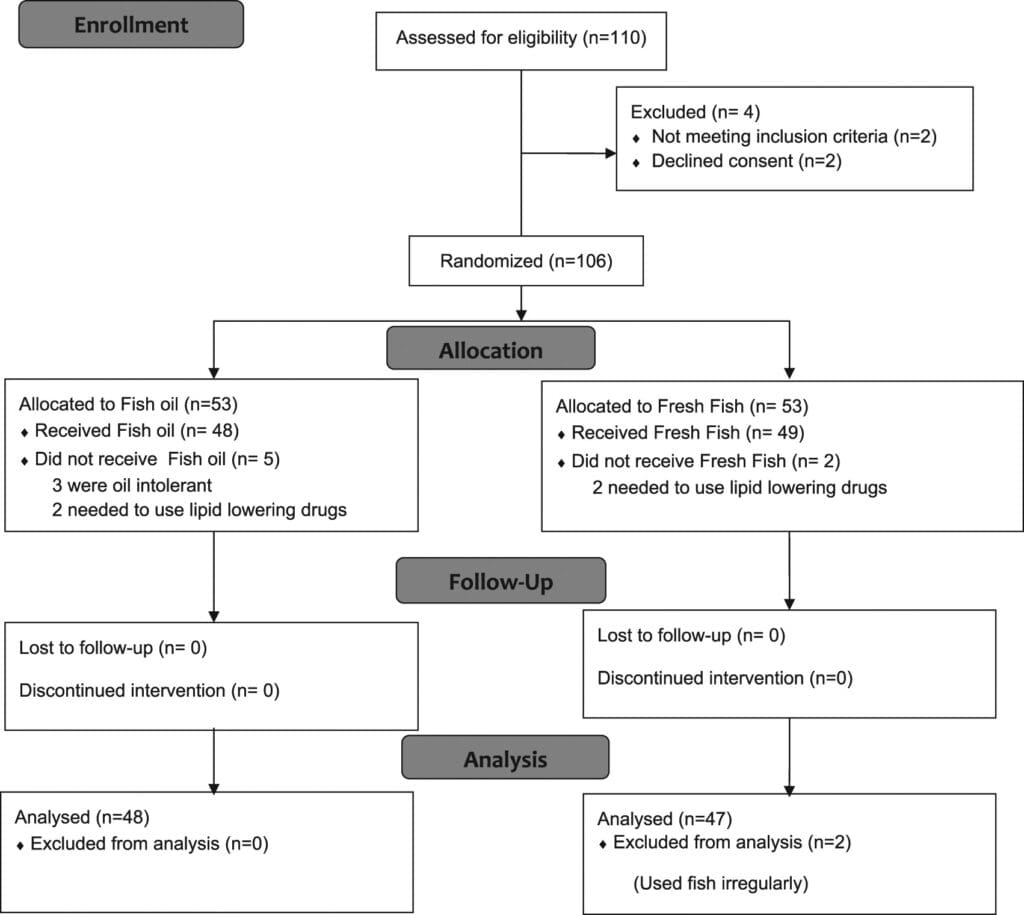
Numerous clinical studies have investigated the effectiveness of Omega-3 supplements in lowering cholesterol levels. These studies have consistently shown that Omega-3 supplementation can lead to a significant reduction in triglyceride levels and a modest decrease in LDL cholesterol levels. The impact on HDL cholesterol levels has been less consistent but generally shows a favorable trend.
Recommended usage and duration for desired results
It is important to note that the effects of Omega-3 supplements on cholesterol levels may vary from person to person. While some individuals may experience noticeable improvements in their cholesterol profile within a few weeks, others may require a more extended duration of supplementation. Consistency and regular usage of Omega-3 supplements are key to achieving desirable results.
Other Health Benefits of Omega-3 Supplements
Anti-inflammatory properties
Omega-3 fatty acids are known for their anti-inflammatory properties. Chronic inflammation is believed to contribute to the development of various diseases, including heart disease, arthritis, and certain types of cancer. By reducing inflammation in the body, Omega-3 supplements can help support overall health and well-being.
Brain health and cognitive function
Omega-3 fatty acids, particularly DHA, are essential for proper brain development and function. Adequate levels of DHA have been linked to improved cognitive function, memory, and mood regulation. Omega-3 supplements are particularly beneficial for young children and older adults, as they support brain health over the lifespan.
Heart health improvements
Apart from lowering cholesterol levels, Omega-3 supplements have been shown to have numerous other benefits for heart health. They can help reduce blood pressure, improve arterial function, prevent blood clotting, and reduce the risk of abnormal heart rhythms. Incorporating Omega-3 supplements into a heart-healthy lifestyle can have a significant positive impact on cardiovascular health.
Potential Side Effects and Risks of Omega-3 Supplements
Digestive issues
Some individuals may experience digestive issues such as diarrhea, indigestion, or fishy aftertaste when taking Omega-3 supplements. These side effects are generally mild and can often be minimized by taking the supplements with meals or switching to a different form of Omega-3 supplement.
Blood thinning effects
Omega-3 fatty acids have blood-thinning properties and can interact with certain medications that also have blood-thinning effects, such as aspirin, warfarin, or other anticoagulant drugs. Individuals taking these medications should consult with their healthcare professional before starting Omega-3 supplements.
Allergic reactions
In rare cases, individuals may experience allergic reactions to Omega-3 supplements, particularly those derived from fish sources. Symptoms may include skin rashes, swelling, difficulty breathing, or anaphylaxis. If any allergic reactions are observed after taking Omega-3 supplements, immediate medical attention should be sought.

Combining Omega-3 Supplements with Lifestyle Changes
Dietary modifications to support cholesterol reduction
While Omega-3 supplements can contribute to lowering cholesterol levels, they are most effective when combined with dietary modifications. Adopting a diet rich in fruits, vegetables, whole grains, and lean proteins while limiting saturated and trans fats can help optimize cholesterol management. Omega-3 supplements can serve as a complementary addition to a heart-healthy diet.
Exercise and physical activity recommendations
Regular exercise and physical activity play a crucial role in maintaining overall health and managing cholesterol levels. Engaging in aerobic exercises, such as brisk walking, cycling, or swimming, for at least 150 minutes per week can help improve lipid profile and increase HDL cholesterol levels. Combining Omega-3 supplements with a regular exercise routine can provide synergistic benefits for heart health.
Consulting with a Healthcare Professional
Seeking medical advice before starting supplements
Before starting any Omega-3 supplement regimen, it is recommended to consult with a healthcare professional, particularly for individuals with preexisting health conditions or those taking medications. A healthcare professional can provide personalized recommendations based on an individual’s specific needs and ensure the supplements are safe and appropriate.
Interaction with medications
Omega-3 supplements, particularly fish oil supplements, can interact with certain medications, including blood thinners, nonsteroidal anti-inflammatory drugs (NSAIDs), and cholesterol-lowering medications. It is important to inform medical professionals about any supplements being taken to avoid potential interactions or adverse effects.
In conclusion, Omega-3 fatty acids have demonstrated promising effects on cholesterol management and overall health. Incorporating high-quality Omega-3 supplements into a healthy lifestyle, combined with dietary modifications and regular exercise, can contribute to improved cardiovascular health and overall well-being. However, it is important to consult with a healthcare professional before starting any supplement regimen to ensure optimal safety and effectiveness.
