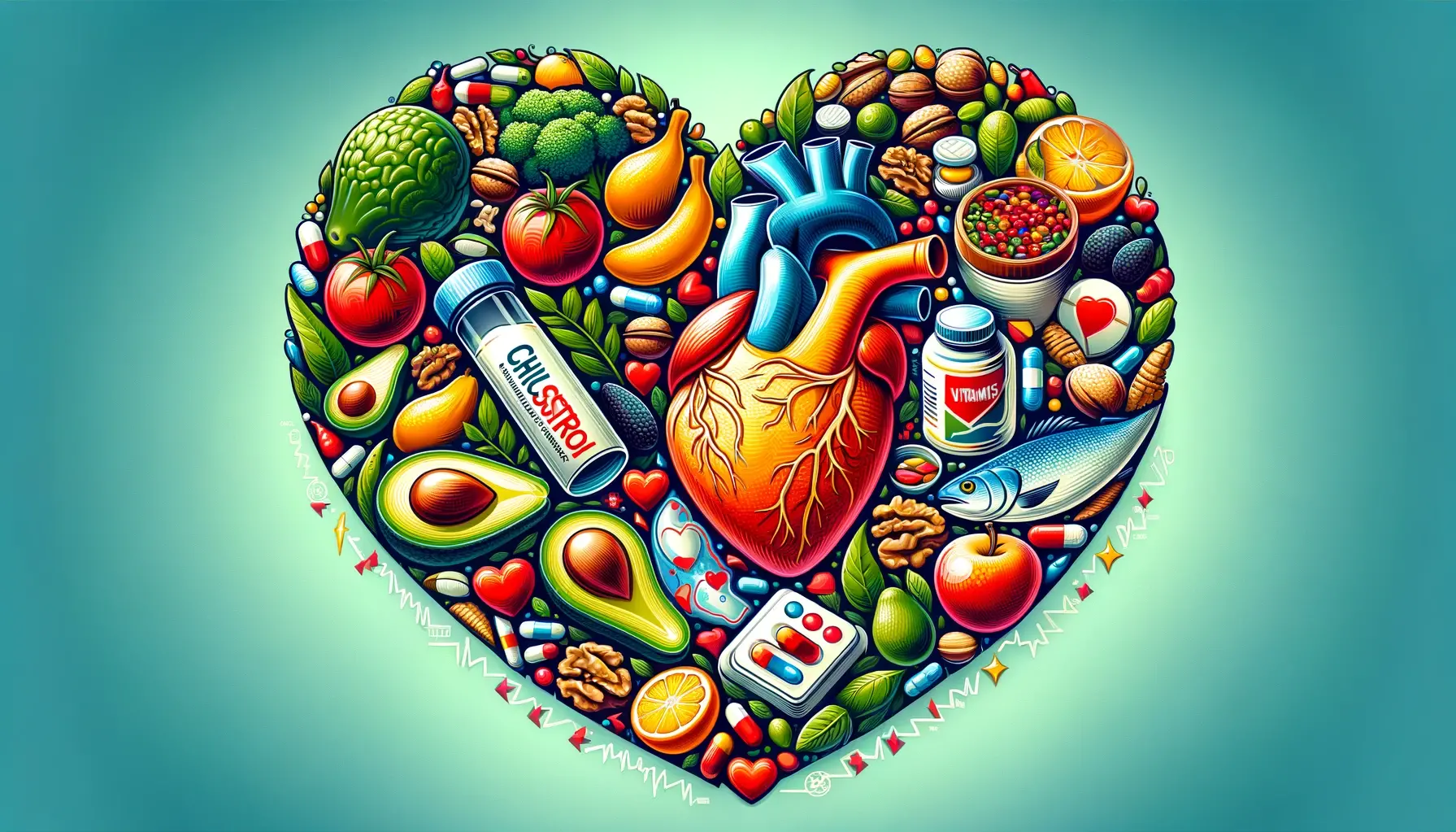

If you’re looking for simple ways to improve your heart health and reduce your cholesterol levels, look no further. This article will provide you with quick and easy tips on how to add cholesterol-lowering vitamins to your meals. By incorporating these healthy choices into your diet, you can take proactive steps towards a healthier lifestyle. So grab a pen and paper, and get ready to transform your meals into nutritious and delicious alternatives that will benefit your overall well-being.
Include Fiber-Rich Foods
When it comes to maintaining a healthy diet and managing your cholesterol levels, incorporating fiber-rich foods into your meals is crucial. Fiber not only promotes better digestion but also helps lower cholesterol levels by binding to cholesterol in the digestive tract and preventing its absorption into the bloodstream.
Choose Whole Grains
One simple way to increase your fiber intake is by opting for whole grains. Whole grain foods such as brown rice, whole wheat bread, and oatmeal contain higher amounts of fiber compared to their refined counterparts. Start your day off right by enjoying a hearty bowl of oatmeal or switch to whole wheat bread for your sandwiches and toast. These small changes can significantly increase your fiber intake and contribute to lower cholesterol levels.
Eat More Fruits and Vegetables
Another great way to boost your fiber intake and promote a healthier heart is by adding more fruits and vegetables to your meals. Fruits like apples, strawberries, and oranges are not only delicious but also packed with soluble fiber that helps lower LDL cholesterol levels. Incorporate a variety of colorful vegetables into your meals, such as broccoli, spinach, and carrots, to maximize your fiber intake and add a burst of nutrition to your plate.
Add Legumes and Beans to Your Meals
Legumes and beans are incredible sources of both fiber and plant-based protein, making them an excellent addition to any cholesterol-lowering diet. Whether it’s kidney beans in your chili, lentils in your soup, or chickpeas in your salad, these legumes can add flavor, texture, and a wealth of health benefits to your meals. Aim to incorporate legumes and beans into your dishes at least a few times a week to enjoy their cholesterol-lowering effects.
Opt for Healthy Fats
Contrary to popular belief, not all fats are bad for you. In fact, incorporating healthy fats into your diet is essential for maintaining optimal health and managing cholesterol levels.
Use Olive Oil as Cooking Oil or Dressing
When it comes to healthy fats, olive oil is a superstar. Replace unhealthy oils and fats in your cooking with extra virgin olive oil. This heart-healthy oil is rich in monounsaturated fats that can help reduce LDL cholesterol levels. Whether you use it for sautéing vegetables, dressing salads, or drizzling over cooked dishes, olive oil is a versatile and delicious option that can boost the nutritional value of your meals.
Enjoy Avocados
Avocados are not only creamy and delicious but also a great source of healthy fats. These green gems are packed with monounsaturated fats that can help lower LDL cholesterol levels when consumed in moderation. Add slices of avocado to your sandwiches, salads, or even use it as a substitute for butter in baking recipes to enjoy its heart-healthy benefits.
Add Nuts and Seeds to Your Meals
Incorporating nuts and seeds into your meals is an easy and effective way to include healthy fats in your diet. Walnuts, almonds, chia seeds, and flaxseeds are all excellent choices that can provide a good amount of healthy fats and fiber. Sprinkle these nutrient-packed additions onto your morning cereal, add them to your yogurt or smoothies, or simply enjoy them as a healthy snack to reap their cholesterol-lowering benefits.

Incorporate Omega-3 Fatty Acids
Omega-3 fatty acids are essential fats that offer numerous health benefits, including reducing inflammation and improving heart health. By incorporating omega-3-rich foods into your meals, you can help lower your cholesterol levels and promote overall well-being.
Consume Fatty Fish
Fatty fish such as salmon, mackerel, and sardines are excellent sources of omega-3 fatty acids. These fatty acids have been shown to have a positive impact on heart health by reducing triglyceride levels and increasing HDL cholesterol levels. Aim to include fatty fish in your diet at least twice a week to enjoy the cholesterol-lowering benefits it provides.
Sprinkle Chia Seeds or Flaxseeds
Chia seeds and flaxseeds are not only rich in fiber but also packed with omega-3 fatty acids. These tiny powerhouses can be easily sprinkled onto your cereal, yogurt, or salads, adding a nutty flavor and providing a boost of nutrition. By incorporating these seeds into your meals, you can increase your omega-3 intake and help lower your cholesterol levels.
Use Canola Oil or Flaxseed Oil
Another way to incorporate omega-3 fatty acids into your diet is by using oils that are high in these heart-healthy fats. Canola oil and flaxseed oil are excellent alternatives to other cooking oils, such as vegetable oil or butter. These oils can be used for sautéing, baking, or drizzling over salads, allowing you to enjoy the benefits of omega-3s while adding flavor to your meals.
Include Vitamin C-Rich Foods
Vitamin C is not just for preventing colds; it also plays a significant role in maintaining heart health. Including vitamin C-rich foods in your diet can help lower LDL cholesterol levels and reduce the risk of cardiovascular diseases.
Add Citrus Fruits to Your Diet
Citrus fruits like oranges, grapefruits, and lemons are not only refreshing but also a great source of vitamin C. Enjoy them as a snack, squeeze their juice into your water, or add segments to your salads for a burst of tangy flavor and heart-healthy benefits. The vitamin C found in these fruits can help prevent the oxidation of LDL cholesterol and reduce its harmful effects on the body.
Enjoy Berries
Berries such as strawberries, blueberries, and raspberries are not only delicious but also packed with antioxidants and vitamin C. These small, colorful fruits can be enjoyed on their own, added to cereals or yogurt, or blended into smoothies for a nutritious treat. With their high vitamin C content, berries can contribute to lower cholesterol levels and promote overall heart health.
Include Tomatoes in Your Meals
Tomatoes are not only a versatile ingredient in the kitchen but also a great source of vitamin C. Whether you enjoy them fresh in salads, cooked in sauces, or grilled as a side dish, tomatoes can add a tangy flavor and a boost of vitamin C to your meals. Their rich antioxidant content also helps protect against cardiovascular diseases and lowers LDL cholesterol levels.
Include Vitamin E-Rich Foods
Vitamin E is a powerful antioxidant that helps protect against damage caused by free radicals and supports overall heart health. Including vitamin E-rich foods in your diet can help reduce LDL cholesterol oxidation and lower the risk of heart diseases.
Incorporate Nuts and Seeds
Nuts and seeds not only provide healthy fats and fiber but also contain significant amounts of vitamin E. Walnuts, sunflower seeds, and almonds are excellent choices that can easily be added to your meals. Whether you sprinkle them on salads, blend them into smoothies, or enjoy them as a snack, these vitamin E-rich foods can contribute to lower cholesterol levels and better heart health.
Use Sunflower Oil or Almond Oil
When it comes to cooking and dressing, opt for sunflower oil or almond oil, both of which are rich in vitamin E. These oils can be used in a variety of dishes, from stir-fries to salad dressings, providing a boost of vitamin E and adding a delicious flavor to your meals. By making this simple switch, you can increase your vitamin E intake and support a healthier heart.
Include Leafy Green Vegetables
Leafy green vegetables such as spinach, kale, and Swiss chard are not only packed with vitamins and minerals but also a good source of vitamin E. Incorporate these nutrient-rich greens into your meals, whether it’s in salads, stir-fries, or smoothies, to enjoy the heart-healthy benefits they provide. The vitamin E found in leafy greens can help reduce the oxidation of LDL cholesterol and contribute to a lower risk of heart diseases.
Include Plant Sterols and Stanols
Plant sterols and stanols are compounds that naturally occur in plants and have been shown to help lower LDL cholesterol levels. By incorporating sterol or stanol-fortified foods into your diet, you can further enhance their cholesterol-lowering effects.
Choose Sterol or Stanol-Fortified Foods
Sterol or stanol-fortified foods such as certain margarines, yogurts, and orange juices can be easily incorporated into your daily meals. These products have been specially formulated to contain higher levels of plant sterols or stanols, enhancing their cholesterol-lowering properties. By substituting regular products with sterol or stanol-fortified options, you can make a simple and effective change to support your heart health.
Use Plant Sterol Supplements
If you find it challenging to incorporate sterol or stanol-fortified foods into your diet, plant sterol supplements are another option to consider. These supplements are available in the form of capsules or tablets and can be taken daily to help lower LDL cholesterol levels. However, it’s important to consult with your healthcare provider before starting any new supplements to ensure they are safe and suitable for you.
Drink Green Tea
Green tea is often praised for its numerous health benefits, one of which includes its positive impact on cholesterol levels. By replacing your regular tea or coffee with green tea, you can enjoy a natural source of antioxidants and promote heart health.
Replace Regular Tea or Coffee with Green Tea
Start your day off with a cup of green tea instead of your regular cup of coffee or tea. Green tea is rich in catechins, a type of antioxidant that has been shown to help reduce LDL cholesterol levels. By incorporating green tea into your daily routine, you can reap the cholesterol-lowering benefits it provides and enjoy a soothing beverage at the same time.
Enjoy a Cup of Green Tea Daily
Make it a habit to enjoy a cup of green tea every day to maximize its health benefits. Whether you prefer it hot or cold, adding green tea to your daily routine is a simple and effective way to support your heart health. Consider adding a squeeze of lemon or a small amount of honey to enhance the flavor and make it even more enjoyable.
Include Garlic and Onions
Garlic and onions are not only staple ingredients in many savory dishes but also offer significant health benefits, including cholesterol reduction. By incorporating fresh garlic and onions into your meals, you can enhance the flavor of your dishes while supporting your heart health.
Use Fresh Garlic and Onions in Your Cooking
Introduce fresh garlic and onions into your cooking to add a burst of flavor and take advantage of their cholesterol-lowering effects. Whether you use them in stir-fries, soups, or roasted dishes, these aromatic ingredients can provide great depth of flavor while promoting better heart health.
Enjoy Garlic and Onion in Salads or Salsas
If you prefer milder flavors, you can still enjoy the benefits of garlic and onions by adding them to your salads or salsas. Finely chop fresh garlic and onions and mix them with your favorite vegetables and dressings. This way, you can benefit from their cholesterol-lowering properties without overpowering the taste of your dishes.
Eat Dark Chocolate
Who said eating healthy had to be boring? Indulging in a small piece of dark chocolate can not only satisfy your sweet tooth but also provide various health benefits, including supporting heart health.
Choose Dark Chocolate with Higher Cocoa Content
When it comes to dark chocolate, the higher the cocoa content, the better. Look for dark chocolate that contains at least 70% cocoa to get the most health benefits. The flavonoids found in dark chocolate can help improve heart health by reducing inflammation and lowering LDL cholesterol levels. Enjoy a small piece of dark chocolate as a guilt-free dessert or snack and savor its rich flavor while supporting your heart health.
Enjoy a Small Piece of Dark Chocolate as a Dessert
Treating yourself to a small piece of dark chocolate at the end of a meal can be a delightful way to curb your sweet cravings while reaping the health benefits. Whether you have a square of dark chocolate on its own or incorporate it into your favorite dessert recipes, such as chocolate mousse or truffles, you can enjoy its rich taste while supporting your heart health.
Exercise Regularly
In addition to following a heart-healthy diet, regular exercise is crucial for maintaining optimal heart health and managing cholesterol levels. By including both aerobic activities and strength training in your routine, you can achieve a well-rounded approach to cardiovascular fitness.
Engage in Aerobic Activities
Aerobic activities such as brisk walking, jogging, swimming, and cycling are excellent for improving cardiovascular health and burning calories. Aim to engage in at least 150 minutes of moderate-intensity aerobic activity or 75 minutes of vigorous-intensity aerobic activity per week. By incorporating aerobic exercises into your routine, you can increase your HDL cholesterol (the “good” cholesterol) levels while reducing LDL cholesterol (the “bad” cholesterol) levels.
Include Strength Training in Your Routine
Strength training exercises help build muscle mass and increase metabolism, leading to improved overall health and cholesterol management. Include strength training exercises such as weightlifting, resistance band workouts, or bodyweight exercises at least two times per week. By incorporating strength training into your routine, you can enhance your cholesterol-lowering efforts and support a healthier heart.
In conclusion, incorporating cholesterol-lowering vitamins into your meals doesn’t have to be complicated or boring. By including fiber-rich foods, healthy fats, omega-3 fatty acids, vitamin C and E-rich foods, plant sterols and stanols, green tea, garlic and onions, dark chocolate, and regular exercise into your lifestyle, you can take significant steps towards managing your cholesterol levels and promoting better heart health. Remember to consult with a healthcare provider or nutritionist if you have any specific dietary concerns or medical conditions.