
In today’s fast-paced world, maintaining a healthy diet is of utmost importance. We often hear about the importance of lowering cholesterol levels and incorporating vitamin-rich foods into our meals. But what exactly are the nutritional benefits of these foods and what should you know about them? In this article, we will explore the world of cholesterol-lowering vitamin-rich foods and discover how they can contribute to a healthier lifestyle.

Introduction
Welcome to our comprehensive guide on the nutritional benefits of cholesterol-lowering vitamin-rich foods! In this article, we will delve into the definition of cholesterol, understand cholesterol levels and different types of cholesterol, and explore the importance of incorporating cholesterol-lowering foods into your diet. We will also discuss the impact of various vitamins on cholesterol levels, sources of these foods, key nutrients found in cholesterol-lowering foods, and provide practical tips on incorporating them into your diet. Additionally, we will offer sample recipes and meal ideas, consider the needs of individuals with specific health conditions, and emphasize the importance of consulting with a healthcare professional. So let’s dive in!
Definition of Cholesterol
Cholesterol is a waxy substance that is found naturally in your body. It plays a vital role in building cells, producing hormones, and aiding digestion. However, high levels of cholesterol can be detrimental to your health. To understand cholesterol levels, it is important to be aware of the two main types of cholesterol: low-density lipoprotein (LDL) and high-density lipoprotein (HDL).
Understanding Cholesterol Levels
Your cholesterol levels are normally measured in milligrams per deciliter (mg/dL) of blood. A desirable level of LDL cholesterol is around 100 mg/dL or lower, while an optimal level of HDL cholesterol is above 60 mg/dL. Total cholesterol levels, which include both LDL and HDL, should ideally be below 200 mg/dL.
Types of Cholesterol
LDL cholesterol is often referred to as “bad” cholesterol as it can build up in the walls of your arteries and lead to blockages. On the other hand, HDL cholesterol is known as “good” cholesterol because it helps remove LDL cholesterol from your bloodstream and reduces the risk of heart disease.
Importance of Cholesterol-Lowering Foods
Incorporating cholesterol-lowering foods into your diet can have a significant impact on your overall health. By consuming foods that help lower LDL cholesterol levels and increase HDL cholesterol, you can reduce the risks associated with high cholesterol levels.
Role of Cholesterol in the Body
Cholesterol is an essential component for various bodily functions, including hormone production, cell membrane structure, and digestion. However, the body can produce enough cholesterol on its own, and additional cholesterol from dietary sources can lead to elevated levels and health problems.
Dangers of High Cholesterol Levels
High cholesterol levels can increase your risk of developing heart disease, stroke, and other cardiovascular problems. The excess LDL cholesterol can build up in the arterial walls, narrowing the blood vessels and restricting blood flow. This can ultimately lead to blockages and increase the risk of heart attacks and strokes.
Vitamins and Their Impact on Cholesterol Levels
Various vitamins play a crucial role in maintaining healthy cholesterol levels. Let’s explore the impact of some key vitamins on cholesterol management.
Vitamin D and Cholesterol
Research suggests that higher levels of vitamin D may contribute to lower LDL cholesterol levels. Getting sufficient sunlight exposure and consuming vitamin D-rich foods like fatty fish, fortified dairy products, and mushrooms can help maintain adequate levels of this essential vitamin.
Vitamin C and Cholesterol
Vitamin C, known for its immune-boosting properties, may also have a positive effect on cholesterol levels. It is believed to help prevent the oxidation of LDL cholesterol, which is a precursor to the formation of plaques in blood vessels. Citrus fruits, berries, and leafy greens are excellent sources of vitamin C.
Vitamin E and Cholesterol
Vitamin E is an antioxidant that may help prevent the oxidation of LDL cholesterol, thus reducing the risk of plaque formation. Nuts, seeds, leafy greens, and vegetable oils are all rich sources of vitamin E.
Vitamin B6 and Cholesterol
Vitamin B6 plays an essential role in various metabolic processes, including the breakdown of cholesterol. Consuming foods such as bananas, poultry, fish, and avocados, which are rich in vitamin B6, can help regulate cholesterol levels.

Sources of Cholesterol-Lowering and Vitamin-Rich Foods
Now that we understand the importance of cholesterol-lowering vitamin-rich foods, let’s explore some excellent dietary sources to incorporate into your meals.
Fruits and Vegetables
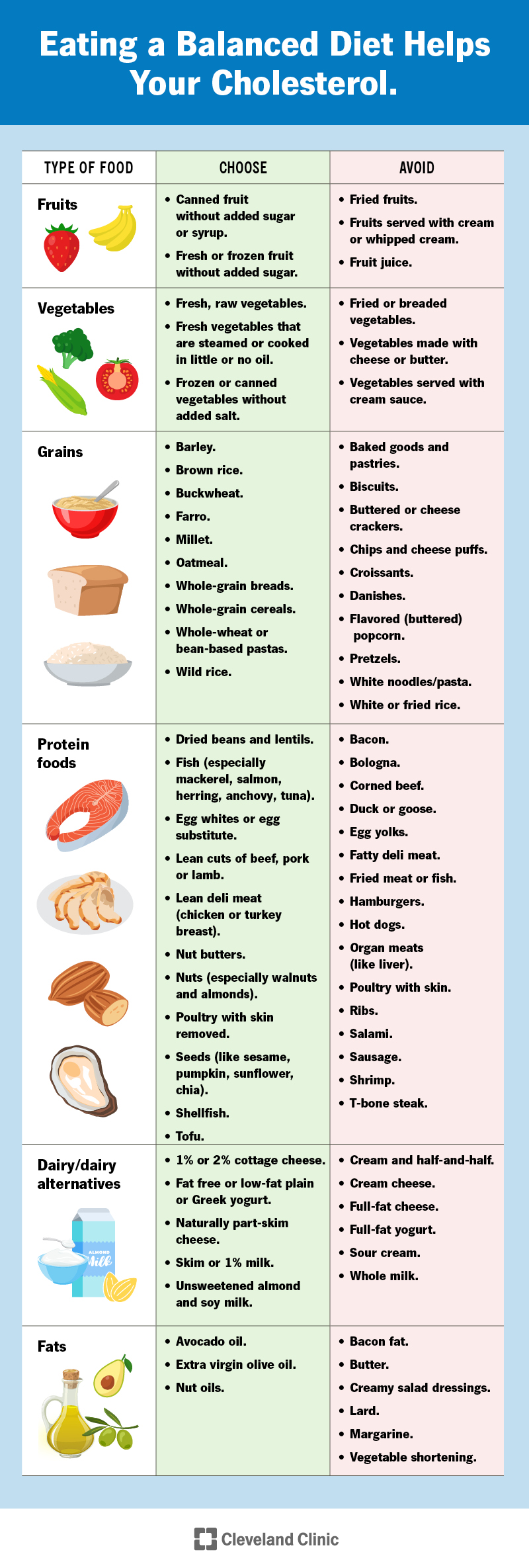
Fruits and vegetables are not only rich in vitamins but also contain dietary fiber, antioxidants, and plant sterols that help reduce cholesterol levels. Berries, citrus fruits, leafy greens, cruciferous vegetables, and colorful produce are particularly beneficial.
Whole Grains and Legumes
Whole grains like oats, quinoa, brown rice, and legumes such as lentils and chickpeas are excellent sources of dietary fiber. They can help reduce LDL cholesterol levels and provide essential nutrients for a balanced diet.
Nuts and Seeds
Nuts and seeds, including almonds, walnuts, flaxseeds, and chia seeds, are packed with heart-healthy fats, fiber, and antioxidants. Incorporating a handful of these nutritious snacks into your daily routine can contribute to better cholesterol management.
Lean Proteins
Opting for lean proteins like skinless poultry, fish, tofu, and beans instead of fatty meats can help reduce cholesterol intake. These protein sources are low in saturated fats and provide essential amino acids and other nutrients.
Key Nutrients in Cholesterol-Lowering Foods
In addition to vitamins, several other key nutrients found in cholesterol-lowering foods contribute to their beneficial effects on cholesterol management. Let’s explore some of these essential nutrients.
Fiber and Cholesterol
Dietary fiber, found abundantly in whole grains, fruits, vegetables, and legumes, can help lower LDL cholesterol levels. Soluble fiber binds to cholesterol in the digestive tract, preventing its absorption and reducing overall cholesterol levels.
Plant Sterols and Cholesterol
Plant sterols, naturally occurring compounds found in plants, can help block the absorption of cholesterol. Foods fortified with plant sterols, such as certain margarines and yogurts, can be incorporated into your diet to aid in cholesterol reduction.
Omega-3 Fatty Acids and Cholesterol
Omega-3 fatty acids, primarily found in fatty fish like salmon, mackerel, and sardines, have been shown to improve cholesterol levels by increasing HDL cholesterol and reducing triglycerides. Consuming these sources of omega-3 fatty acids can have a positive impact on overall cardiovascular health.
Antioxidants and Cholesterol
Antioxidants, present in various fruits, vegetables, nuts, and seeds, protect the body against oxidative stress, which can lead to the oxidation of LDL cholesterol. By consuming antioxidant-rich foods, you can help reduce the risk of plaque formation in the arteries.

How to Incorporate Cholesterol-Lowering Vitamin-Rich Foods into Your Diet
Now that we have explored the importance of cholesterol-lowering vitamin-rich foods, it’s essential to know how to incorporate them into your daily diet effectively.
Meal Planning
Include a variety of fruits, vegetables, whole grains, lean proteins, and healthy fats in your meal plans. Try to have at least five servings of fruits and vegetables each day and aim for whole grains instead of refined grains.
Cooking Techniques
Opt for cooking methods like steaming, grilling, baking, or stir-frying instead of deep-frying. This helps preserve the nutrients in the foods and avoids the addition of excess unhealthy fats.
Food Substitutions
Make small changes to your recipes to incorporate cholesterol-lowering foods. For example, substitute butter with avocado or olive oil, use Greek yogurt instead of sour cream, or replace high-fat meats with lean protein alternatives.
Sample Recipes and Meal Ideas
To help you get started, here are some sample recipes and meal ideas that are rich in cholesterol-lowering and vitamin-rich foods.
Breakfast Options
- Oatmeal topped with berries, chia seeds, and a sprinkle of nuts
- Veggie-filled omelet with spinach, mushrooms, and bell peppers
- Whole grain toast with avocado and a side of fresh fruit
Lunch and Dinner Recipes
- Grilled salmon with a side of steamed broccoli and quinoa
- Lentil and vegetable stir-fry with brown rice
- Stuffed bell peppers with lean ground turkey, quinoa, and mixed veggies
Snack Ideas
- Greek yogurt with a drizzle of honey and mixed berries
- Carrot sticks with hummus
- Trail mix consisting of nuts, seeds, and dried fruits
Dessert Alternatives
- Baked apples with a sprinkle of cinnamon and a dollop of Greek yogurt
- Dark chocolate-covered strawberries
- Chia seed pudding with fresh fruit
Considerations for Individuals with Specific Health Conditions
Individuals with specific health conditions, such as diabetes, heart disease, or high blood pressure, should consider certain factors when incorporating cholesterol-lowering vitamin-rich foods into their diets.
Diabetes
If you have diabetes, choose foods that help regulate blood sugar levels, such as non-starchy vegetables, lean proteins, and whole grains. Limit foods with added sugars and opt for natural sources of sweetness like fruits.
Heart Disease
For individuals with heart disease or a history of heart problems, it is essential to focus on reducing saturated and trans fats, sodium, and cholesterol intake. Choose lean proteins, low-fat dairy products, whole grains, and limit processed foods.
High Blood Pressure
To manage high blood pressure, aim for a diet rich in fruits, vegetables, whole grains, lean proteins, and low-fat dairy products. Decrease sodium intake by avoiding processed foods and flavoring meals with herbs and spices instead.
Consulting with a Healthcare Professional
It is crucial to consult with a healthcare professional, such as a registered dietitian or your primary care physician, before making significant changes to your diet. They can provide personalized guidance based on your specific health needs, medications, and any existing medical conditions.
Understanding Individual Needs
Each person is unique, and their dietary requirements may vary based on their age, gender, activity level, and overall health. A healthcare professional can evaluate your individual needs and determine the most appropriate dietary recommendations for you.
Contraindications and Precautions
Some individuals may have specific contraindications or precautions when it comes to consuming certain foods or nutrients. For example, if you are on blood-thinning medication, you may need to limit your intake of foods high in vitamin K. Your healthcare professional can advise you on any necessary precautions and address any concerns you may have.
Incorporating cholesterol-lowering vitamin-rich foods into your diet can have a positive impact on your overall health and well-being. By understanding cholesterol levels and the benefits of specific nutrients, you can make informed choices about the foods you consume. Remember to consult with a healthcare professional for personalized advice and guidance on incorporating these foods into your diet. Enjoy the journey towards a healthier lifestyle!