
Are you looking for natural ways to lower your cholesterol levels? In this article, we will explore the power of vitamins and lifestyle changes in reducing cholesterol. Discover how certain vitamins, such as vitamin C and vitamin E, can help lower cholesterol naturally. Additionally, we will delve into the role of exercise, a healthy diet, and other lifestyle changes that can positively impact your cholesterol levels. By incorporating these natural approaches into your daily routine, you can take control of your cholesterol levels and improve your overall health. So, let’s explore the natural path to lower cholesterol together!
Diet Changes
Choose heart-healthy fats
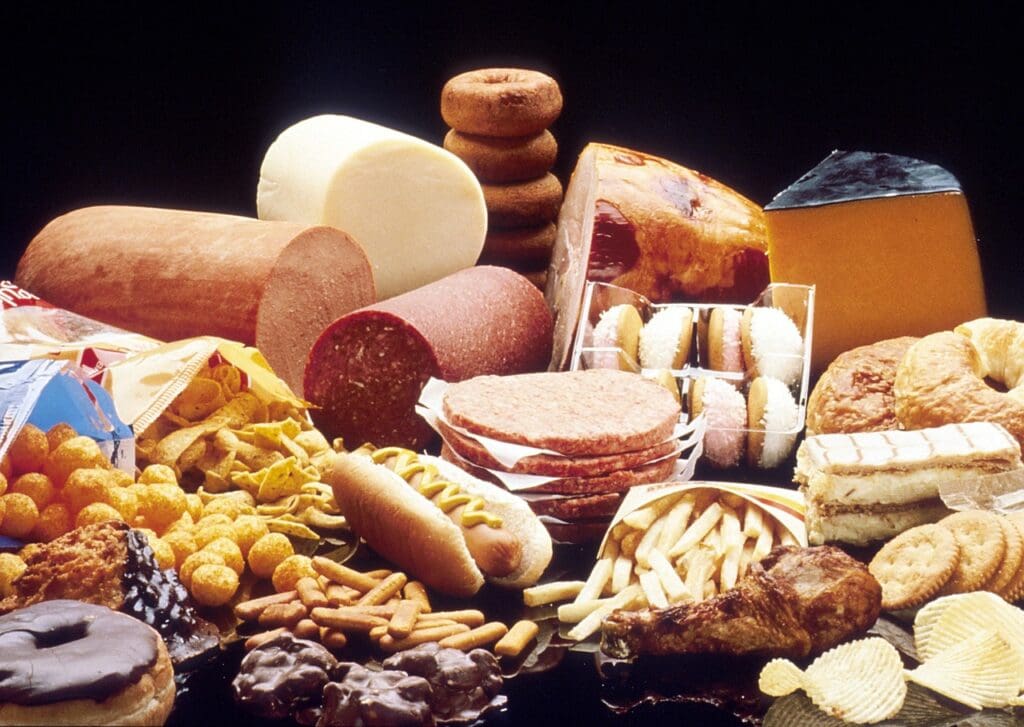
When it comes to managing your cholesterol levels, it’s important to choose the right kinds of fats. Heart-healthy fats, such as monounsaturated and polyunsaturated fats, can actually help lower your cholesterol levels. These fats are found in foods like avocados, nuts, seeds, and olive oil. By substituting unhealthy fats, like saturated and trans fats, with these healthier alternatives, you can make a positive impact on your cholesterol levels.
Increase soluble fiber intake
Soluble fiber is known to help lower LDL cholesterol, which is the “bad” cholesterol that can build up in your arteries. Including more soluble fiber in your diet can be as simple as eating more fruits, vegetables, whole grains, and legumes. These foods not only provide essential vitamins and minerals but also help to reduce your cholesterol levels naturally.
Include plant sterols and stanols in your diet
Plant sterols and stanols are substances that occur naturally in certain plant-based foods. These compounds have been shown to lower LDL cholesterol by blocking its absorption in the intestines. Foods like fortified margarines, orange juice, and yogurt are often enriched with plant sterols and stanols. By incorporating these foods into your diet, you can take advantage of their cholesterol-lowering benefits.
Eat fatty fish
Fatty fish, such as salmon, mackerel, and sardines, are rich in omega-3 fatty acids. These fatty acids have been shown to have numerous health benefits, including the ability to lower LDL cholesterol levels. Aim to include fatty fish in your diet at least two times a week to reap the cholesterol-lowering benefits.
Limit cholesterol-rich foods
While it’s important to include healthy fats in your diet, it’s equally important to limit foods that are high in cholesterol. This includes foods like organ meats, shellfish, and full-fat dairy products. By reducing your intake of these cholesterol-rich foods, you can help keep your cholesterol levels in check.
Reduce salt and processed food consumption
High sodium diets have been associated with increased blood pressure and higher cholesterol levels. To lower your cholesterol naturally, it’s important to reduce your consumption of salt and processed foods. Instead, opt for fresh and whole foods, which are naturally lower in sodium and higher in essential nutrients.
Regular Exercise
Engage in moderate aerobic exercises
Regular aerobic exercise, such as brisk walking, cycling, or swimming, can have a positive impact on your cholesterol levels. Aim for at least 150 minutes of moderate-intensity aerobic activity each week. This can be divided into smaller sessions throughout the week, making it easier to fit into your schedule.
Try high-intensity interval training
If you’re looking to mix up your exercise routine and maximize the benefits, consider incorporating high-intensity interval training (HIIT). HIIT involves alternating short bursts of intense exercise with periods of lower intensity or rest. This type of exercise has been shown to improve cardiovascular health and can help to lower cholesterol levels.
Incorporate strength training into your routine
Strength training not only helps to build muscle and improve overall physical strength, but it can also have a positive impact on your cholesterol levels. By including exercises that target major muscle groups at least two days a week, you can improve your cholesterol profile and support overall heart health.
Include flexibility exercises
Flexibility exercises, such as yoga or Pilates, may not directly impact your cholesterol levels, but they play a crucial role in maintaining overall physical health. These exercises can help improve your posture, increase joint range of motion, and relieve stress – all of which contribute to better overall well-being.
Stay active throughout the day
In addition to structured exercise sessions, it’s important to stay active throughout the day. Simple activities like taking the stairs instead of the elevator, parking further away from your destination, or going for a short walk during your lunch break can add up and contribute to your overall physical activity level. Being more active throughout the day can help to improve your cholesterol levels and support a healthier cardiovascular system.
Weight Management
Maintain a healthy weight
Maintaining a healthy weight is important for overall health and can have a positive impact on cholesterol levels. Excess body weight, especially around the midsection, can contribute to higher levels of LDL cholesterol. By maintaining a healthy weight through a balanced diet and regular exercise, you can help to keep your cholesterol levels in check.
Lose excess body fat
If you’re currently overweight or obese, losing excess body fat can significantly improve your cholesterol profile. Even a modest weight loss of 5-10% can have a positive impact on your cholesterol levels. This can be achieved through a combination of healthy eating, regular exercise, and lifestyle changes.
Calculate your body mass index (BMI)
Calculating your body mass index (BMI) can provide you with a better understanding of your weight status. BMI is a measure of body fat based on height and weight. Knowing your BMI can help you determine if you fall within a healthy weight range or if you need to make changes to reduce your risk of high cholesterol.
Keep track of your waist circumference
In addition to BMI, it’s important to keep track of your waist circumference. Excess abdominal fat has been linked to higher cholesterol levels and an increased risk of heart disease. Aim for a waist circumference of less than 35 inches for women and less than 40 inches for men to promote optimal health and lower cholesterol.
Quit Smoking
Understand the impact of smoking on cholesterol levels
Smoking not only increases the risk of heart disease but also negatively impacts cholesterol levels. Smoking lowers levels of HDL cholesterol, which is the “good” cholesterol that helps remove LDL cholesterol from the bloodstream. In addition, smoking also increases the oxidation of LDL cholesterol, making it more likely to build up in the arteries.
Seek professional help to quit smoking
Quitting smoking is one of the best things you can do for your overall health and cholesterol levels. It’s important to speak with a healthcare professional who can provide guidance and support to help you quit successfully. They can provide resources, recommend strategies, and even prescribe medications to assist you in your journey to becoming smoke-free.
Join support groups
Quitting smoking can be challenging, and having a support system in place can greatly increase your chances of success. Consider joining support groups or seeking out online communities where you can connect with others who are going through the same journey. Sharing experiences, tips, and encouragement can make the process of quitting smoking more manageable.
Reduce Alcohol Consumption
Limit alcohol intake
While moderate alcohol consumption may have some health benefits, excessive alcohol intake can negatively impact cholesterol levels. To manage your cholesterol, it’s important to limit your alcohol consumption. The American Heart Association recommends no more than one alcoholic drink per day for women and no more than two drinks per day for men.
Understand the effects of excessive alcohol on cholesterol
Excessive alcohol intake can raise triglyceride levels, which is a type of fat found in the blood. High levels of triglycerides are often associated with low levels of HDL cholesterol and increased risk of heart disease. By reducing your alcohol intake, you can help to improve your cholesterol profile and support heart health.
Choose healthier drink alternatives
If you enjoy having a drink, consider choosing healthier alternatives to alcoholic beverages. Opt for options like red wine, which contains antioxidants that may have heart-healthy benefits. Alternatively, you can try mocktails or non-alcoholic beers and wines, which can provide a similar social experience without the negative effects on cholesterol levels.
Manage Stress Levels
Identify stressors and find coping mechanisms
Stress can have a negative impact on cholesterol levels, as it can lead to unhealthy habits, such as overeating or turning to comfort foods. It’s important to identify your stressors and find healthy coping mechanisms to manage stress effectively. This could include activities like journaling, deep breathing, engaging in hobbies, or spending time with loved ones.
Engage in relaxation techniques
Relaxation techniques, such as deep breathing exercises, progressive muscle relaxation, or guided imagery, can help to reduce stress levels and promote overall well-being. By incorporating these techniques into your daily routine, you can better manage stress and support healthier cholesterol levels.
Practice mindfulness and meditation
Practicing mindfulness and meditation can help to cultivate a sense of calm and reduce stress levels. Mindfulness involves paying attention to the present moment without judgment, while meditation involves focusing the mind and redirecting thoughts. By incorporating these practices into your daily routine, you can improve your overall well-being and support healthy cholesterol levels.
Maintain a balanced lifestyle
Maintaining a balanced lifestyle is essential for managing stress and promoting optimal health. It’s important to prioritize self-care, set boundaries, and establish healthy routines. By finding a balance between work, relationships, leisure activities, and rest, you can support healthy cholesterol levels and overall well-being.
Get Sufficient Sleep
Establish a consistent sleep schedule
Getting sufficient sleep is crucial for overall health, including cholesterol management. Establishing a consistent sleep schedule can help regulate your body’s circadian rhythm and promote quality sleep. Aim for 7-9 hours of sleep per night and try to go to bed and wake up at consistent times, even on weekends.
Create a sleep-friendly environment
To optimize your sleep quality, create a sleep-friendly environment in your bedroom. This includes eliminating distractions, such as electronic devices and excessive noise, and ensuring your bedroom is cool, quiet, and dark. Investing in a comfortable mattress and pillows can also make a significant difference in the quality of your sleep.
Avoid excessive caffeine and screen time before bed
Consuming caffeine, found in coffee, tea, and some sodas, can interfere with sleep. It’s advisable to avoid consuming caffeine within 6 hours of bedtime. Additionally, the blue light emitted by electronic devices can suppress melatonin production, making it harder to fall asleep. Try to limit screen time before bed and opt for relaxing activities instead.
Implement relaxation techniques for better sleep
Relaxation techniques can help prepare your body and mind for sleep. This may include reading a book, taking a warm bath, practicing gentle stretches, or engaging in a bedtime relaxation routine. Find what works best for you and incorporate these techniques into your evening routine to promote more restful sleep.
Incorporate Cholesterol-Lowering Vitamins
Consider Vitamin C supplements
Vitamin C is a powerful antioxidant that can help prevent the oxidation of LDL cholesterol. This antioxidant activity may contribute to lower cholesterol levels and a reduced risk of heart disease. While it’s best to obtain vitamin C from whole foods like citrus fruits, strawberries, and bell peppers, vitamin C supplements can be an option for those who may have difficulty meeting their daily requirements.
Include Vitamin E-rich foods in your diet
Vitamin E is another antioxidant that has been associated with improved cholesterol levels. Foods rich in vitamin E include nuts, seeds, and vegetable oils. By incorporating these foods into your diet, you can boost your vitamin E intake and potentially support healthier cholesterol levels.
Explore the benefits of Omega-3 fatty acids
Omega-3 fatty acids, found in fatty fish, walnuts, and flaxseeds, have been shown to have numerous health benefits, including the ability to lower LDL cholesterol levels. Consider incorporating these foods into your diet regularly or speak with a healthcare professional about omega-3 supplements.
Include Niacin-rich foods
Niacin, also known as vitamin B3, has been shown to raise HDL cholesterol levels while lowering LDL cholesterol and triglycerides. Foods rich in niacin include lean meats, fish, legumes, and whole grains. Including these niacin-rich foods in your diet can contribute to improved cholesterol profiles.
Consult with a healthcare professional for appropriate vitamin supplementation
While incorporating cholesterol-lowering vitamins into your diet can be beneficial, it’s important to consult with a healthcare professional before starting any new supplements. They can assess your individual needs, potential interactions with medications, and recommend the appropriate dosage to ensure you’re getting the maximum benefits.
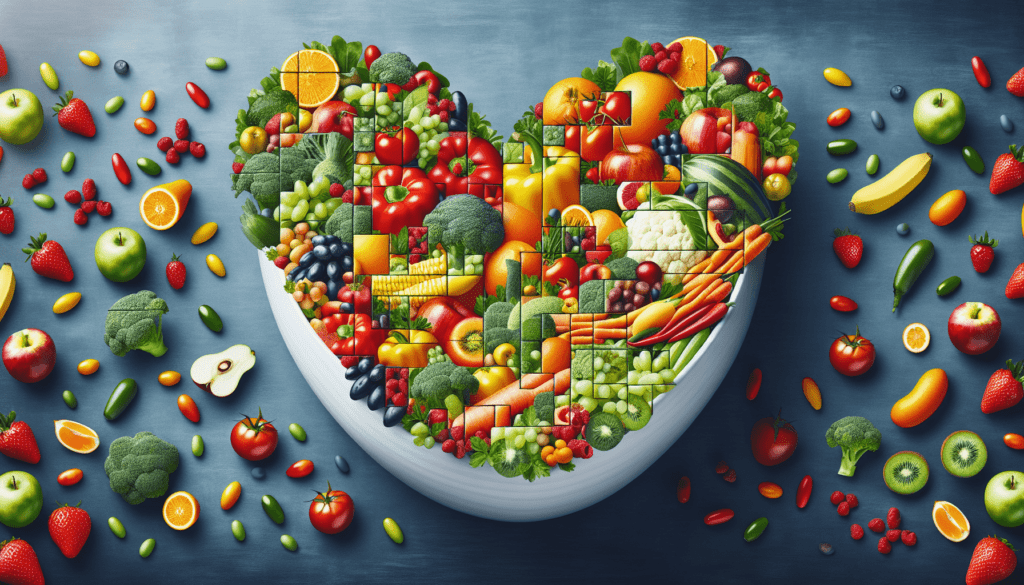
Consume Foods with Natural Cholesterol-Lowering Properties
Add garlic to your meals
Garlic has been shown to have cholesterol-lowering properties. It can help reduce both total cholesterol and LDL cholesterol levels. Consider adding fresh garlic to your meals or incorporating garlic extract or supplements into your routine to take advantage of its potential benefits.
Include soy and tofu in your diet
Soy and tofu contain compounds called isoflavones, which have been shown to lower LDL cholesterol and decrease the risk of heart disease. Incorporate soy products like tofu, tempeh, and edamame into your diet as a plant-based protein alternative.
Explore the benefits of green tea
Green tea is rich in antioxidants called catechins, which have been linked to lower LDL cholesterol levels. Consider swapping out your regular tea or coffee for a cup of green tea each day to potentially support healthier cholesterol levels.
Incorporate turmeric and ginger into your cuisine
Turmeric and ginger are spices that have been used for centuries in traditional medicine. They contain compounds that have anti-inflammatory properties and may help to lower cholesterol levels. Try incorporating these spices into your cooking or enjoy them in teas or smoothies to take advantage of their potential benefits.
Regular Cholesterol Monitoring
Understand the importance of regular cholesterol checks
Regular cholesterol checks are essential for monitoring your cholesterol levels and assessing your risk of heart disease. High cholesterol is often asymptomatic, meaning you may not experience any symptoms until it becomes a larger health concern. By getting regular cholesterol checks, you can catch any potential issues early and make necessary lifestyle changes.
Work with a healthcare professional to monitor your levels
When it comes to managing your cholesterol levels, it’s important to work closely with a healthcare professional. They can help interpret your cholesterol test results, provide guidance on appropriate lifestyle changes, and make recommendations for medication if necessary. Regular check-ins with your healthcare professional can help you stay on track and make any necessary adjustments to your cholesterol management plan.
Track your progress and adjust lifestyle accordingly
As you make changes to your lifestyle to manage your cholesterol, it’s important to track your progress and make adjustments as needed. Regularly monitoring your cholesterol levels, along with other relevant health markers, can help you evaluate the effectiveness of your lifestyle changes. By staying proactive in managing your cholesterol, you can make informed decisions and maintain optimal heart health.
In conclusion, making lifestyle changes and incorporating cholesterol-lowering vitamins and foods into your diet can have a significant impact on your cholesterol levels. By choosing heart-healthy fats, engaging in regular exercise, maintaining a healthy weight, quitting smoking, reducing alcohol consumption, managing stress levels, getting sufficient sleep, and regularly monitoring your cholesterol, you can take control of your cholesterol management and support a healthier heart. Remember to consult with a healthcare professional before making any significant changes or starting any new supplements to ensure it aligns with your specific needs and goals.