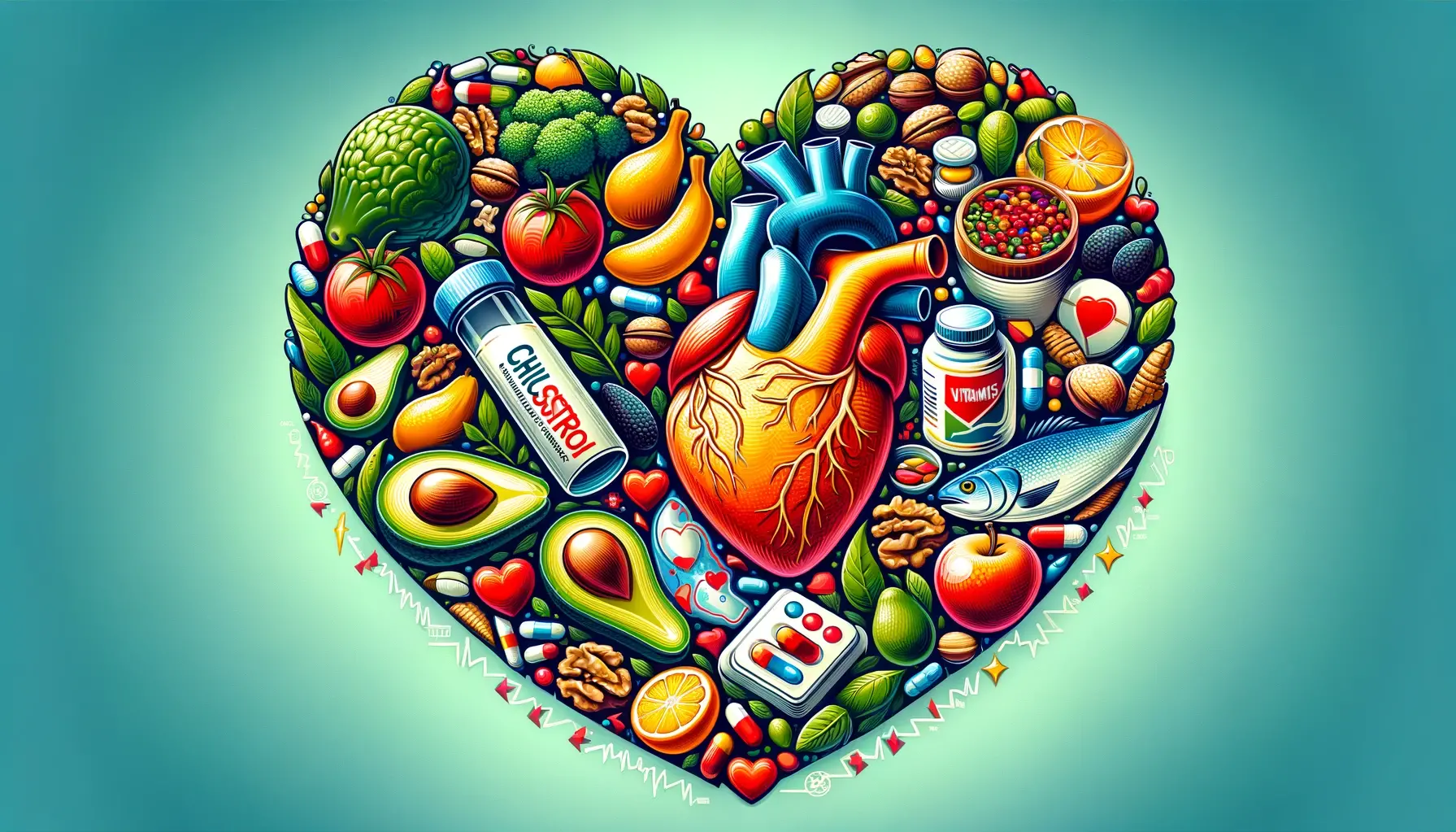

Welcome to an eye-opening article that will debunk some of the most common myths surrounding cholesterol and vitamin deficiency. You may have heard conflicting information about what’s good or bad for your health when it comes to these two crucial elements. In this article, we will provide you with accurate information and clear up any misconceptions you may have heard. Get ready to discover the truth about cholesterol and vitamin deficiency!
Have you ever wondered if all the information you hear about cholesterol and vitamin deficiency is accurate? Let’s debunk some of the most popular myths and set the record straight.

The Myth: Cholesterol is always bad for you.
You may have heard that all cholesterol is harmful and should be avoided at all costs. However, the truth is that not all cholesterol is bad for you. Your body actually needs cholesterol to function properly. It’s essential for building cell membranes, producing hormones, and aiding in digestion.
The Reality: There are different types of cholesterol.
Cholesterol is composed of two main types: LDL (low-density lipoprotein) and HDL (high-density lipoprotein). LDL cholesterol, often referred to as “bad” cholesterol, can build up in your arteries and increase your risk of heart disease. On the other hand, HDL cholesterol, known as “good” cholesterol, helps remove LDL cholesterol from your bloodstream.

The Myth: All high cholesterol foods are unhealthy.
There is a common misconception that all foods high in cholesterol are bad for you. While it’s true that some foods high in cholesterol can contribute to high LDL levels, not all high cholesterol foods are necessarily unhealthy. For example, eggs are high in cholesterol but are also an excellent source of protein and essential nutrients.
The Reality: It’s essential to focus on the type of fats you consume.
When it comes to managing your cholesterol levels, the focus should not only be on the cholesterol content of foods but also on the type of fats they contain. Saturated fats and trans fats can raise your LDL cholesterol levels, while unsaturated fats can help lower LDL cholesterol and increase HDL cholesterol.

The Myth: You can’t have too many vitamins.
Many people believe that the more vitamins you consume, the better. However, excessive vitamin intake can actually be harmful to your health. Some vitamins, such as fat-soluble vitamins (Vitamins A, D, E, and K), can accumulate in your body and reach toxic levels if consumed in large amounts.
The Reality: Balance is key when it comes to vitamins.
While vitamins are essential for overall health and well-being, it’s crucial to maintain a balanced intake to avoid any negative consequences. A varied and balanced diet that includes a wide range of fruits, vegetables, whole grains, lean proteins, and healthy fats can help you meet your nutritional needs without overloading on vitamins.
The Myth: Vitamin supplements are a quick fix for nutrient deficiency.
With the rise of vitamin supplements in the market, many people turn to them as a quick and easy solution to meet their nutrient needs. However, taking supplements without proper guidance can lead to unnecessary nutrient excess or deficiency.
The Reality: Focus on obtaining nutrients from whole foods.
While vitamin supplements can be beneficial for certain individuals with specific nutrient deficiencies, the best way to obtain essential vitamins and minerals is through a well-balanced diet. Whole foods provide a combination of nutrients, fiber, and antioxidants that work together synergistically to support your overall health.
The Myth: Vitamin D deficiency only affects bone health.
Vitamin D is known for its role in maintaining healthy bones and preventing conditions like osteoporosis. However, vitamin D deficiency can have a more significant impact on your overall health than just bone health. Ads help us run this site
The Reality: Vitamin D plays a crucial role in various bodily functions.
Vitamin D is essential for regulating calcium and phosphorus absorption, supporting immune function, reducing inflammation, and promoting cell growth and differentiation. Inadequate vitamin D levels have been linked to increased risk factors for various chronic diseases, including cardiovascular disease, cancer, and autoimmune disorders.
The Myth: Only older adults need to worry about vitamin deficiencies.
Many people believe that only older adults need to be concerned about nutrient deficiencies. However, vitamin deficiencies can affect individuals of all ages, including children, teenagers, young adults, and the elderly. Factors such as poor dietary choices, underlying health conditions, medications, and lifestyle habits can contribute to inadequate nutrient intake.
The Reality: Nutrient needs vary depending on age, gender, and health status.
While older adults may be more susceptible to certain nutrient deficiencies due to age-related changes in metabolism and absorption, individuals at any life stage can experience nutrient gaps. It’s essential to consider factors such as age, gender, activity level, and health status when determining your nutrient needs and making dietary choices.
The Myth: You can get all the vitamins you need from food alone.
Some people believe that as long as they eat a healthy and balanced diet, they can meet all their nutritional needs without the need for vitamin supplements. While a varied and nutrient-rich diet is essential for overall health, certain factors can affect your ability to obtain all the essential vitamins from food alone.
The Reality: Certain populations may require vitamin supplementation.
Certain populations, such as pregnant women, breastfeeding mothers, vegetarians, vegans, individuals with specific medical conditions, and those with limited sun exposure, may benefit from vitamin supplementation to meet their increased nutrient needs. It’s essential to consult with a healthcare provider or registered dietitian to determine if you have specific nutrient deficiencies that require supplementation.
The Myth: Fruits and vegetables are the only sources of vitamins.
Fruits and vegetables are often praised for their vitamin content, but they are not the only sources of essential nutrients. While plant-based foods are rich in vitamins, other food groups like whole grains, legumes, nuts, seeds, lean meats, dairy products, and seafood also contribute essential vitamins and minerals to your diet.
The Reality: A varied diet is key to meeting all your nutritional needs.
To ensure you’re getting an adequate intake of essential vitamins and minerals, it’s essential to incorporate a wide variety of foods into your diet. By consuming a diverse range of nutrient-rich foods from all food groups, you can optimize your nutrient intake and support your overall health and well-being.