

Are you looking to improve your cholesterol management? Look no further than incorporating vitamins into your daily routine. Not only do vitamins play a crucial role in maintaining overall health, but they can also have a positive impact on your cholesterol levels. By incorporating specific vitamins into your daily regimen, you can proactively manage your cholesterol and strive for a healthier lifestyle.
The Importance of Cholesterol Management
Managing your cholesterol levels is crucial for maintaining good overall health. Cholesterol is a waxy substance found in your blood and is necessary for the production of hormones, vitamin D, and bile acids that aid in digestion. However, high levels of cholesterol can lead to the development of plaque in your arteries, increasing the risk of heart disease and stroke. Therefore, it is important to understand cholesterol levels and the risk factors associated with high cholesterol to effectively manage your health.
Understanding Cholesterol Levels
Cholesterol levels are typically measured through a blood test. The two main types of cholesterol that are measured include low-density lipoprotein (LDL) cholesterol, also known as “bad” cholesterol, and high-density lipoprotein (HDL) cholesterol, also known as “good” cholesterol. LDL cholesterol is responsible for transporting cholesterol from the liver to other parts of the body, while HDL cholesterol helps remove cholesterol from the bloodstream.
Maintaining optimal cholesterol levels involves keeping your LDL cholesterol low and your HDL cholesterol high. According to the American Heart Association, the desirable levels of total cholesterol are below 200 mg/dL, while LDL cholesterol should ideally be below 100 mg/dL and HDL cholesterol above 60 mg/dL.

Risk Factors for High Cholesterol
Several factors contribute to high cholesterol levels, including genetics, a sedentary lifestyle, poor diet, obesity, smoking, and certain medical conditions such as diabetes and hypothyroidism. Understanding these risk factors can help you make informed decisions about cholesterol management.
The Role of Vitamins in Cholesterol Management
In addition to making dietary and lifestyle changes, incorporating vitamins into your daily routine can be beneficial for cholesterol management. Certain vitamins have been found to have positive effects on cholesterol levels due to their ability to promote heart health and optimize the body’s lipid metabolism.

Vitamin D
Vitamin D plays a crucial role in cholesterol management. Research has shown a link between vitamin D deficiency and increased risk of high cholesterol levels. Vitamin D helps regulate the production of cholesterol in your body and supports the conversion of LDL cholesterol to HDL cholesterol, which can help lower overall cholesterol levels.
Vitamin B3 (Niacin)
Niacin, also known as vitamin B3, has been widely studied for its cholesterol-lowering properties. Niacin has been shown to increase HDL cholesterol levels while reducing LDL cholesterol and triglycerides. It works by inhibiting the breakdown of fats in the blood, leading to improved lipid profiles.

Vitamin C
Vitamin C, commonly known for its immune-boosting properties, also plays a role in cholesterol management. Studies have shown that vitamin C supplementation can help reduce LDL cholesterol levels and increase HDL cholesterol levels, contributing to better overall lipid profiles. Additionally, vitamin C acts as an antioxidant, protecting LDL cholesterol from oxidation, which can lead to the formation of plaque in the arteries.
Vitamin D and Cholesterol
The Link between Vitamin D and Cholesterol Levels
Maintaining adequate levels of vitamin D is important for cholesterol management. Research suggests that vitamin D deficiency may be associated with higher levels of LDL cholesterol and lower levels of HDL cholesterol. By ensuring sufficient vitamin D intake, you may help regulate cholesterol production and optimize lipid metabolism.
Sources of Vitamin D
The primary source of vitamin D is exposure to sunlight, as your skin produces vitamin D when exposed to UVB rays. However, relying solely on sunlight for vitamin D can be challenging, especially for those living in regions with limited sunlight or during winter months. Foods such as fatty fish (salmon, tuna), fortified dairy products, and egg yolks also contain vitamin D.
Recommended Daily Intake of Vitamin D
The recommended daily intake of vitamin D varies based on age and individual needs. The National Institutes of Health suggest a daily intake of 600-800 IU (International Units) for most adults. However, it’s important to consult with your healthcare professional to determine the right dosage for you.
Vitamin B3 (Niacin) and Cholesterol
Niacin as a Cholesterol-Lowering Agent
Niacin has been used for decades as a treatment for high cholesterol. It works by reducing the production of LDL cholesterol while increasing HDL cholesterol levels. Niacin also helps lower levels of triglycerides, another type of fat found in the blood, which is associated with an increased risk of heart disease.
Forms of Niacin Supplements
Niacin is available in different forms, including immediate-release, sustained-release, and extended-release. Immediate-release niacin is rapidly absorbed by the body and can cause flushing, a temporary side effect characterized by redness and warmth of the skin. Sustained-release and extended-release formulations are designed to minimize flushing but should be taken under the guidance of a healthcare professional.
Potential Side Effects of Niacin
While niacin can be an effective cholesterol-lowering agent, it may also have side effects. Flushing is the most common side effect, but it is usually harmless and temporary. In rare cases, however, niacin may cause liver damage, so regular monitoring of liver function is important when taking niacin supplements. It is crucial to discuss potential risks and benefits with your healthcare professional before starting niacin therapy.
Vitamin C and Cholesterol
How Vitamin C Affects Cholesterol Levels
Vitamin C has been shown to have beneficial effects on cholesterol levels. It has been found to lower LDL cholesterol levels, improve HDL cholesterol levels, and reduce levels of triglycerides. Additionally, vitamin C acts as an antioxidant, protecting LDL cholesterol from oxidation and reducing the risk of arterial plaque formation.
Food Sources Rich in Vitamin C
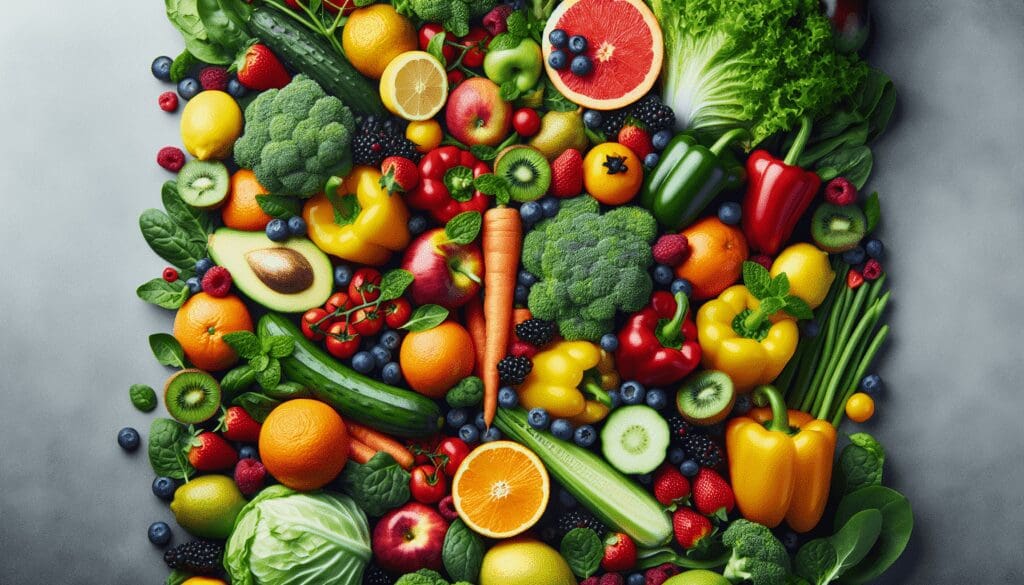
Many fruits and vegetables are excellent sources of vitamin C. Citrus fruits such as oranges, grapefruits, and lemons are well-known for their high vitamin C content. Other fruits like strawberries, kiwi, and papaya also provide substantial amounts of this essential vitamin. Vegetables such as bell peppers, broccoli, and Brussels sprouts are also rich in vitamin C.
Supplementing with Vitamin C
While maintaining a balanced diet rich in fruits and vegetables is the best way to obtain vitamin C, some individuals may consider supplementing with vitamin C to ensure they meet their daily requirements. It is important to consult with a healthcare professional before starting any supplements to determine the appropriate dosage for your specific needs.

Incorporating Vitamins into Your Daily Routine
Consulting with a Healthcare Professional
Before incorporating any new vitamins or supplements into your routine, it is essential to consult with a healthcare professional. They can assess your individual health needs, evaluate potential interactions with any medications you may be taking, and provide personalized recommendations.
Choosing the Right Dosage
The correct dosage of vitamins may vary depending on your age, gender, overall health, and any specific conditions you may have. It is crucial to choose the right dosage of each vitamin to ensure maximum benefits and minimize the risk of potential side effects. Your healthcare professional can guide you in determining the appropriate dosage based on your individual needs.
Considering Combination Supplements
There are many combination supplements available that incorporate multiple vitamins and minerals known to support heart health and cholesterol management. These supplements may provide a convenient and comprehensive way to ensure you are getting the necessary nutrients for optimal cholesterol management. However, it is important to carefully review the ingredients and consult with a healthcare professional before adding any combination supplements to your routine.
Creating a Vitamin-Rich Diet for Cholesterol Management
Including Cholesterol-Lowering Foods
A diet rich in fruits, vegetables, whole grains, and lean proteins can help manage cholesterol levels. Incorporate foods that are high in fiber, such as oats, legumes, and fruits, as they can help reduce LDL cholesterol levels. Choose lean sources of protein, such as poultry, fish, and plant-based proteins, instead of processed meats. Avoid or limit foods high in saturated and trans fats, such as fried foods, fatty meats, and full-fat dairy products.
Importance of a Balanced Diet
Maintaining a balanced diet is crucial for overall health and cholesterol management. Ensure you are consuming a variety of foods from different food groups to ensure you are getting the necessary vitamins, minerals, and other nutrients your body needs. Avoid excessive consumption of sugary foods and beverages and prioritize whole, unprocessed foods.
Meal Planning Tips
Effective meal planning can help you incorporate cholesterol-lowering foods into your daily diet. Plan your meals in advance, focusing on a variety of colorful fruits and vegetables, whole grains, lean proteins, and healthy fats. Consider consulting with a registered dietitian for personalized meal planning guidance and recommendations.
Lifestyle Changes for Effective Cholesterol Management
Regular Exercise and Physical Activity
Engaging in regular exercise and physical activity is vital for cholesterol management. Exercise has been shown to increase HDL cholesterol levels, improve overall lipid profiles, and help with weight management. Aim for at least 150 minutes of moderate-intensity aerobic exercise or 75 minutes of vigorous-intensity exercise per week, along with strength training exercises.
Maintaining a Healthy Weight
Maintaining a healthy weight is essential for cholesterol management. Excess weight, especially abdominal fat, is associated with higher LDL cholesterol levels and increased risk of heart disease. Focus on achieving and maintaining a healthy weight through a balanced diet and regular physical activity.
Quitting Smoking
Smoking is a significant risk factor for high cholesterol levels and heart disease. Chemicals in tobacco smoke can damage blood vessels and decrease HDL cholesterol levels. Quitting smoking is one of the most important steps you can take to improve your overall health and cholesterol management. Seek support from healthcare professionals, counseling services, or support groups to help you quit successfully.
Monitoring and Tracking Your Cholesterol Levels
Importance of Regular Blood Tests
Regular blood tests are essential for monitoring and tracking your cholesterol levels. These tests help determine your current cholesterol levels and assess your progress in managing them. Your healthcare professional can advise on how frequently you should have your cholesterol checked based on your individual needs and health history.
Understanding Cholesterol Numbers
Understanding the numbers obtained from your cholesterol test is important for evaluating your cholesterol levels. Pay attention to your total cholesterol, LDL cholesterol, HDL cholesterol, and triglyceride levels. Discuss the results with your healthcare professional to gain a better understanding of your cholesterol profile and set goals for improvement if necessary.
Keeping a Cholesterol Journal
Keeping a cholesterol journal can be a helpful tool in managing your cholesterol levels. Record your test results, any lifestyle changes you make, and any medications or supplements you are taking. This record can help you identify patterns, track your progress, and provide valuable information to discuss with your healthcare professional.
Summary and Final Recommendations
Benefits of Incorporating Vitamins into Cholesterol Management
Incorporating vitamins into your daily routine can have several benefits for cholesterol management. Vitamin D helps regulate cholesterol production, while niacin can help lower LDL cholesterol levels and increase HDL cholesterol levels. Vitamin C acts as an antioxidant, protecting against LDL cholesterol oxidation. These vitamins, when combined with a balanced diet and healthy lifestyle choices, can contribute to better cholesterol profiles and overall heart health.
Tips for Long-Term Success
To achieve long-term success in cholesterol management, it is important to make sustainable changes to your lifestyle. Implement a balanced diet that includes cholesterol-lowering foods, engage in regular physical activity, maintain a healthy weight, and quit smoking if applicable. Regularly monitor your cholesterol levels and consult with your healthcare professional to adjust your approach as needed.
Final Thoughts
Managing your cholesterol levels is vital for maintaining good heart health. By understanding cholesterol levels, incorporating vitamins into your daily routine, following a balanced diet, making lifestyle changes, and monitoring your cholesterol levels, you can effectively manage your cholesterol and reduce the risk of heart disease and stroke. Take proactive steps today to prioritize your cardiovascular health and start your journey towards better cholesterol management.