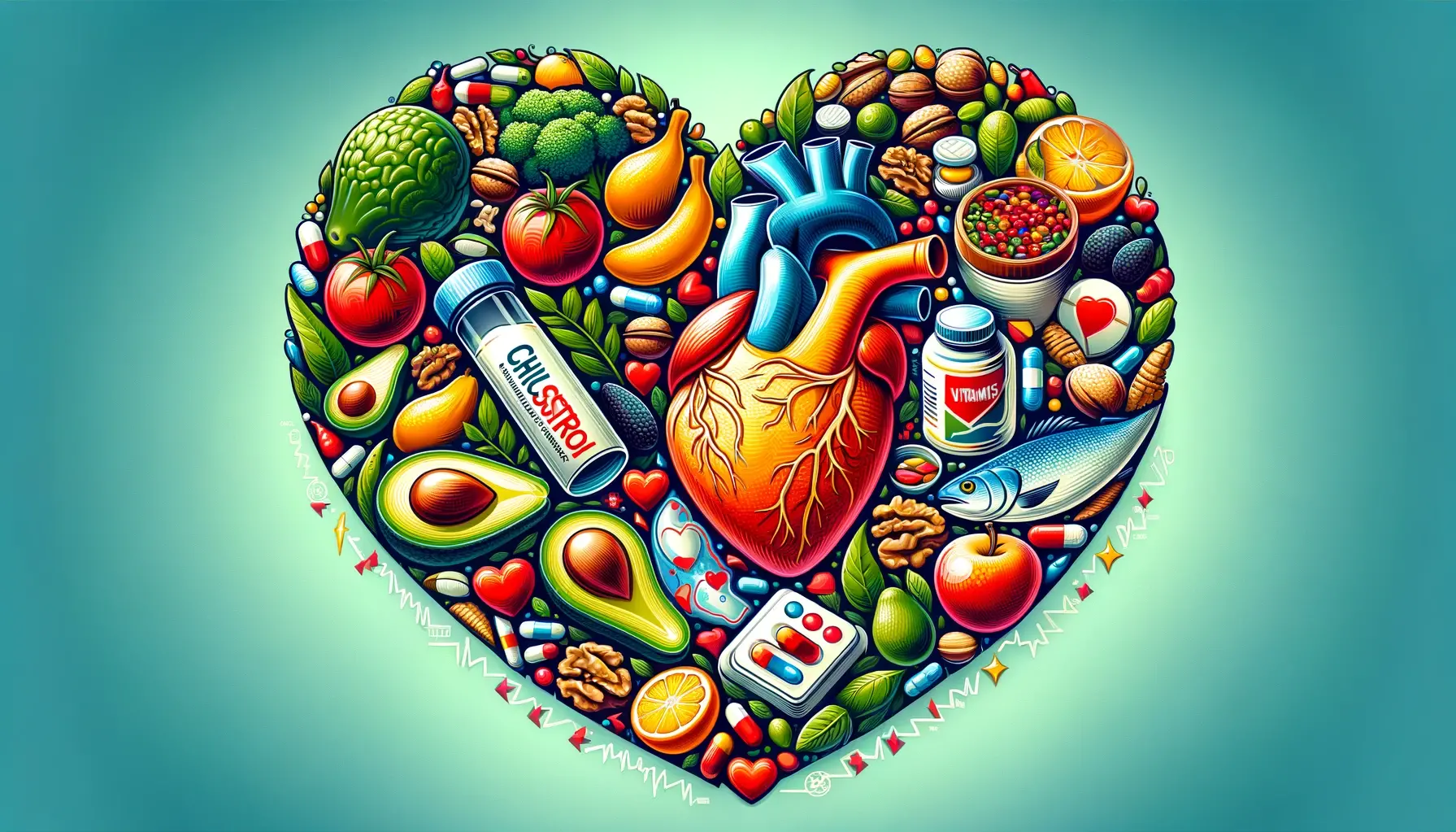
In this article, you will discover the power of combining vitamins and herbs to optimize your cholesterol levels. By incorporating these natural remedies into your daily routine, you can take control of your health and support your body in maintaining healthy cholesterol levels. Join us as we explore the benefits of vitamin and herb combinations and how they can make a positive impact on your overall well-being. Get ready to embark on a journey towards optimal cholesterol health!

Understanding Cholesterol
Cholesterol is a fatty substance that is found in the blood and produced by the liver. It is essential for various bodily functions, such as the production of hormones, vitamin D, and the formation of cell membranes. However, having high levels of cholesterol in the blood can increase the risk of heart disease and other health problems. Therefore, it is important to understand the different types of cholesterol and its role in the body.
Types of Cholesterol
There are two main types of cholesterol: Low-Density Lipoprotein (LDL) and High-Density Lipoprotein (HDL). LDL cholesterol is often referred to as “bad” cholesterol because high levels can lead to a build-up of plaque in the arteries, increasing the risk of heart disease. HDL cholesterol, on the other hand, is known as “good” cholesterol because it helps remove LDL cholesterol from the bloodstream, reducing the risk of heart disease.
Role of Cholesterol in the Body
Cholesterol plays a vital role in the body, as it is involved in several important functions. It is a key component of cell membranes and is necessary for their stability and integrity. Cholesterol is also needed for the production of bile acids, which aid in the digestion and absorption of fats. Additionally, cholesterol is used by the body to synthesize hormones, including estrogen, testosterone, and cortisol.
Causes of High Cholesterol
High cholesterol levels can be caused by various factors, including dietary choices, genetics, and lifestyle habits. Understanding these causes can help in managing and optimizing cholesterol levels.
Dietary Factors
Dietary choices can significantly impact cholesterol levels. Consuming foods high in saturated fats and trans fats, such as fatty meats, full-fat dairy products, and processed foods, can increase LDL cholesterol levels. On the other hand, consuming foods rich in soluble fiber, such as fruits, vegetables, whole grains, and legumes, can help lower LDL cholesterol levels.
Genetic Factors
Genetics can also increase the risk of high cholesterol levels. Some individuals may have a genetic predisposition to produce more cholesterol or have difficulty processing it, leading to higher levels in the blood. It is important to be aware of any family history of high cholesterol and discuss it with your healthcare professional.
Lifestyle Factors
Certain lifestyle habits can contribute to high cholesterol levels. Lack of physical activity, smoking, excessive alcohol consumption, and being overweight or obese can all lead to elevated cholesterol levels. Making positive changes to these lifestyle factors can help in managing and optimizing cholesterol levels.
Benefits of Lowering Cholesterol Levels
Lowering cholesterol levels, especially LDL cholesterol, can have significant benefits for overall health and reduce the risk of heart disease.
Reduced Risk of Heart Disease
High levels of LDL cholesterol contribute to the formation of plaque in the arteries, narrowing them and restricting blood flow to the heart. Lowering LDL cholesterol levels can help prevent the development of atherosclerosis and reduce the risk of heart disease, heart attacks, and strokes.
Improved Overall Health
Lowering cholesterol levels also has positive effects on overall health. By optimizing cholesterol levels, you can support the health and function of your blood vessels, reduce inflammation, and improve circulation. This can lead to improved energy levels, better cognitive function, and a reduced risk of other chronic diseases.
Vitamins for Cholesterol Management
In addition to making lifestyle changes, certain vitamins can also play a role in managing and optimizing cholesterol levels. These vitamins work in various ways to help maintain healthy cholesterol levels.
Vitamin B3 (Niacin)
Niacin, a form of vitamin B3, can help lower LDL cholesterol levels and increase HDL cholesterol levels. It does this by inhibiting the liver’s production of LDL cholesterol and triglycerides, another type of fat present in the blood. However, it is important to consult a healthcare professional before supplementing with niacin, as high doses can have side effects.
Vitamin B6
Vitamin B6, also known as pyridoxine, is involved in cholesterol metabolism. It helps convert homocysteine, an amino acid, into cysteine, which plays a role in reducing LDL cholesterol. Vitamin B6 also aids in the production of HDL cholesterol, further supporting cholesterol management.
Vitamin C
Vitamin C is an antioxidant that can help protect LDL cholesterol from oxidation, a process that contributes to the development of atherosclerosis. It also promotes the production of collagen, which strengthens blood vessels and reduces the risk of plaque buildup. Including vitamin C-rich foods, such as citrus fruits, berries, and leafy greens, in your diet can assist in cholesterol management.
Herbs for Cholesterol Management
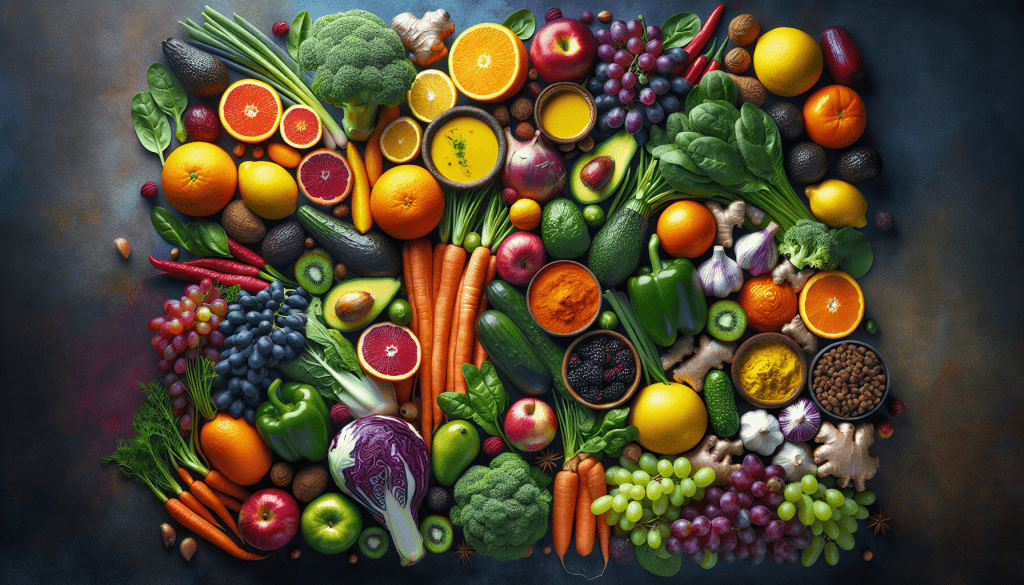
Certain herbs have been found to have cholesterol-lowering properties and can be incorporated into a holistic approach to cholesterol management.
Garlic
Garlic has been used for centuries in traditional medicine for its various health benefits. It contains compounds that can lower LDL cholesterol levels, reduce blood pressure, and have anti-inflammatory effects. Including fresh garlic in your meals or considering a garlic supplement under the guidance of a healthcare professional can be beneficial for managing cholesterol.
Turmeric
Turmeric contains a compound called curcumin, which has been shown to have cholesterol-lowering effects. Curcumin can help lower LDL cholesterol levels, reduce inflammation, and improve endothelial function, which is crucial for maintaining healthy blood vessels. Adding turmeric to your diet or considering a curcumin supplement can aid in cholesterol management.
Ginger
Ginger is another herb that has been found to have cholesterol-lowering properties. It can help lower LDL cholesterol levels, reduce triglycerides, and improve blood sugar control. Incorporating fresh ginger into your cooking or considering a ginger supplement can be beneficial for cholesterol management.
Combining Vitamins and Herbs
Combining vitamins and herbs for cholesterol management can have synergistic effects, enhancing their individual benefits.
Understanding Synergistic Effects
When certain vitamins and herbs are combined, they can work together to have a stronger effect on cholesterol management than when used individually. For example, niacin and garlic have been shown to have complementary effects in lowering LDL cholesterol levels. Understanding these synergistic effects can help in choosing the right combinations for optimal cholesterol management.
Choosing the Right Combinations
When combining vitamins and herbs, it is important to choose combinations that are supported by scientific evidence and tailored to individual needs. Consulting a healthcare professional can help determine the right combinations based on your cholesterol levels, overall health, and any existing medical conditions.
Recommended Vitamin and Herb Combinations
Here are three vitamin and herb combinations that have shown promise in cholesterol management:
Combination 1: Niacin + Garlic
This combination combines the cholesterol-lowering effects of niacin and garlic. Niacin helps inhibit the production of LDL cholesterol and triglycerides, while garlic has been found to lower LDL cholesterol levels. When used together, they can have a complementary effect, improving overall cholesterol management.
Combination 2: B6 + Turmeric
Vitamin B6 aids in cholesterol metabolism, while turmeric’s curcumin compound has been shown to lower LDL cholesterol levels. Combining these two can provide a holistic approach to managing cholesterol, targeting different aspects of cholesterol synthesis, and reducing inflammation.
Combination 3: Vitamin C + Ginger
Vitamin C helps protect LDL cholesterol from oxidation, while ginger has been found to lower LDL cholesterol levels and improve blood sugar control. This combination can provide antioxidant support and aid in cholesterol management in a multifaceted way.
Dosage and Administration
When considering supplementation with vitamins and herbs for cholesterol management, it is important to consult a healthcare professional. They can provide guidance on the appropriate dosage based on your individual needs, current cholesterol levels, and any existing medical conditions.
Consulting a Healthcare Professional
A healthcare professional, such as a doctor or registered dietitian, can assess your cholesterol levels, overall health, and any potential interactions with medications before recommending specific vitamin and herb combinations. They can also monitor your progress and make adjustments to the dosage if needed.
Proper Dosage Guidelines
Dosage guidelines for vitamins and herbs can vary depending on the individual and the specific product. It is important to follow the recommended dosage provided by the healthcare professional or the instructions on the product packaging. Taking more than the recommended dosage can lead to adverse effects, while taking too little may not provide the desired benefits.
Potential Side Effects and Precautions
While vitamins and herbs can be beneficial for cholesterol management, it is important to be aware of potential side effects and precautions.
Monitoring Liver Function
Certain vitamins and herbs, such as niacin, can affect liver function. It is important to monitor liver function regularly when using these supplements, especially at higher doses. If you experience any symptoms such as abdominal pain, jaundice, or changes in urine color, it is important to seek medical attention.
Possible Drug Interactions
Vitamins and herbs can interact with certain medications, potentially affecting their efficacy or resulting in adverse effects. It is crucial to inform your healthcare professional of any medications you are taking before starting any new supplements. They can assess potential interactions and make recommendations accordingly.
Lifestyle Changes for Cholesterol Optimization
In addition to incorporating vitamins and herbs, making certain lifestyle changes can further optimize cholesterol levels.
Dietary Modifications
Adopting a heart-healthy diet can have a significant impact on cholesterol management. Emphasize consuming foods rich in soluble fiber, such as fruits, vegetables, and whole grains. Reduce saturated and trans fats by choosing lean protein sources, low-fat dairy products, and limiting processed foods.
Regular Exercise
Engaging in regular physical activity can help raise HDL cholesterol levels, improve blood circulation, and reduce the risk of plaque buildup in the arteries. Aim for at least 150 minutes of moderate-intensity exercise or 75 minutes of vigorous-intensity exercise per week, along with strength training exercises.
Stress Reduction Techniques
Chronic stress can contribute to high cholesterol levels. Incorporating stress reduction techniques, such as mindfulness meditation, deep breathing exercises, or engaging in hobbies and activities you enjoy, can help manage stress and support cholesterol optimization.
By understanding cholesterol, making appropriate lifestyle changes, and considering the potential benefits of vitamins and herbs, you can optimize your cholesterol levels and improve your overall health. Remember to consult a healthcare professional before making any significant changes to your diet, lifestyle, or supplementation. They can provide personalized recommendations and guide you on your journey to better cholesterol management.