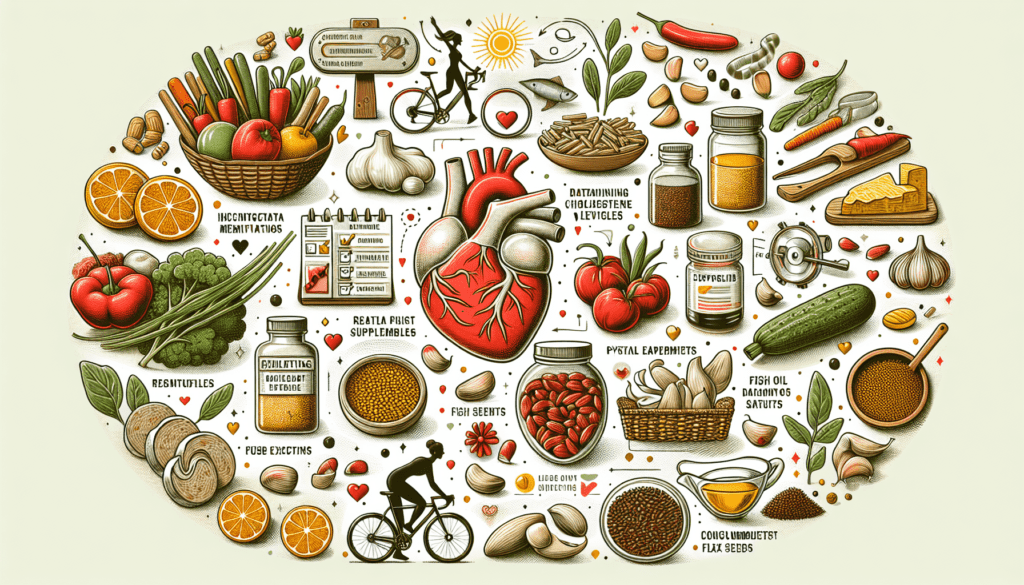

In today’s fast-paced world, it’s more important than ever to prioritize our health. One aspect we often overlook is our cholesterol levels. High cholesterol can lead to various health problems, but the good news is that there are natural remedies available to help maintain healthy levels. In this article, we will explore simple yet effective ways to keep your cholesterol in check, allowing you to live a vibrant, heart-healthy life. So why wait? Let’s dive into the world of natural remedies for cholesterol and discover the key to long-term well-being.
Dietary Changes
Reduce Saturated and Trans Fats Intake
When it comes to maintaining healthy cholesterol levels, one of the most important dietary changes you can make is to reduce your intake of saturated and trans fats. These unhealthy fats can raise your LDL (bad) cholesterol levels and increase your risk of heart disease. To reduce your intake of saturated fats, try to limit foods like fatty meats, full-fat dairy products, and tropical oils like coconut and palm oil. Instead, opt for healthier cooking oils like olive or avocado oil, and choose lean meats and low-fat dairy products. As for trans fats, these are often found in processed and fried foods, so it’s best to avoid these as much as possible.
Increase Consumption of Healthy Fats
While it’s important to reduce unhealthy fats, it’s equally important to increase your consumption of healthy fats. Not all fats are bad for you, and in fact, some can actually help improve your cholesterol levels. Healthy fats, such as those found in fatty fish like salmon and trout, avocados, nuts, and seeds, can actually increase your HDL (good) cholesterol levels, which help remove LDL cholesterol from your arteries. Including these foods in your diet can not only improve your cholesterol profile but also provide you with essential nutrients and promote overall heart health.
Include Soluble Fiber in Your Diet
Soluble fiber is a type of fiber that can help lower your LDL cholesterol levels. It works by binding to cholesterol in your digestive system, preventing it from being absorbed into your bloodstream. Foods rich in soluble fiber include fruits such as apples, oranges, and berries, vegetables like Brussels sprouts and broccoli, whole grains, and legumes. Aim to incorporate these foods into your daily diet to reap the benefits of soluble fiber and help maintain healthy cholesterol levels.
Eat More Omega-3 Fatty Acids
Omega-3 fatty acids are a type of healthy fat known for their heart-protective properties. They have been shown to lower triglyceride levels and reduce inflammation in the body, both of which contribute to better cholesterol control. To increase your intake of omega-3 fatty acids, include fatty fish like salmon, mackerel, and sardines in your diet. If you’re not a fan of fish, you can also opt for plant-based sources such as walnuts, flaxseeds, and chia seeds. Consider adding these foods to your meals a few times a week to enjoy the benefits of omega-3 fatty acids.
Consume Plant Sterols and Stanols
Plant sterols and stanols are naturally occurring compounds found in plants that can help lower LDL cholesterol levels. They work by blocking the absorption of cholesterol in your intestines, thus reducing the amount of cholesterol that enters your bloodstream. Foods fortified with plant sterols and stanols, such as certain margarines, orange juice, and yogurt, can be an easy way to incorporate these compounds into your diet. However, it’s important to note that these fortified foods should be consumed as part of a balanced diet and should not be relied upon as a sole method of cholesterol management.
Lifestyle Modifications
Maintain a Healthy Weight
Maintaining a healthy weight is vital for overall health and plays a crucial role in managing cholesterol levels. Excess weight, especially around the waistline, can contribute to high cholesterol and increase the risk of heart disease. If you’re overweight or obese, losing even a small amount of weight can have a positive impact on your cholesterol profile. Incorporating healthy eating habits and regular physical activity into your lifestyle can help you achieve and maintain a healthy weight, leading to improved cholesterol levels and better overall well-being.
Engage in Regular Physical Activity
Regular physical activity is not only beneficial for maintaining a healthy weight but also for managing cholesterol levels. Exercise helps raise HDL (good) cholesterol levels and can lower LDL (bad) cholesterol. Aim for at least 150 minutes of moderate-intensity aerobic activity, or 75 minutes of vigorous-intensity activity, each week. Additionally, strength training exercises can help build muscle mass and increase metabolism, which can aid in weight management. Find activities you enjoy, such as walking, swimming, or cycling, and make them a regular part of your routine to improve your cholesterol profile.
Quit Smoking
Smoking is a major risk factor for heart disease and can have a detrimental effect on cholesterol levels. It not only lowers HDL (good) cholesterol but also damages the lining of your arteries, making it easier for cholesterol to build up and form plaques that can lead to heart disease. Quitting smoking is one of the best things you can do for your overall health, including your cholesterol levels. Seek support from friends, family, or healthcare professionals to help you quit, and explore different methods such as nicotine replacement therapy or prescription medications if necessary.
Limit Alcohol Consumption
While moderate alcohol consumption may have some health benefits, excessive or heavy drinking can negatively affect cholesterol levels and overall heart health. To maintain healthy cholesterol levels, it’s important to limit alcohol consumption. Moderate drinking is defined as one drink per day for women and up to two drinks per day for men. However, it’s always a good idea to talk to your healthcare provider about what’s appropriate for you, as certain health conditions or medications may require further restrictions or even abstinence from alcohol.
Manage Stress Levels
Chronic stress can contribute to high cholesterol levels and increase the risk of heart disease. When you’re under stress, your body produces cortisol, a hormone that can raise LDL (bad) cholesterol levels. Finding healthy ways to manage stress is essential for maintaining optimal cholesterol levels. Some effective stress management techniques include meditation, deep breathing exercises, engaging in hobbies or leisure activities that bring you joy, practicing yoga, and receiving regular massages. Find what works best for you and make it a priority to incorporate stress management techniques into your daily life.

Herbal Remedies
Garlic
Garlic is a popular herb with numerous health benefits, including its potential to help manage cholesterol levels. It contains compounds that have been shown to lower LDL (bad) cholesterol while increasing HDL (good) cholesterol. Garlic can be easily incorporated into your diet by adding it to your cooking or taking garlic supplements. However, it’s important to note that while garlic may have beneficial effects on cholesterol, it should not replace or be relied upon as a sole treatment for high cholesterol. Consult with your healthcare provider to determine if garlic is right for you and to discuss the appropriate dosage.
Turmeric
Turmeric is a vibrant yellow spice commonly used in traditional Indian cooking and has gained popularity for its potential health benefits. The active compound in turmeric, called curcumin, has been shown to have antioxidant and anti-inflammatory properties, which may help lower cholesterol levels. While more research is needed to fully understand the effects of turmeric on cholesterol, incorporating this flavorful spice into your meals can contribute to a heart-healthy diet. Consider adding turmeric to dishes like curries, soups, or smoothies, or talk to your healthcare provider about taking turmeric supplements.
Ginger
Ginger is a versatile spice known for its anti-inflammatory and antioxidant properties. While it’s often praised for its ability to soothe digestive issues, studies suggest that ginger may also have a positive impact on cholesterol levels. Researchers have found that ginger can help reduce total cholesterol, as well as both LDL (bad) cholesterol and triglyceride levels. You can enjoy the benefits of ginger by adding it to your cooking, steeping it in hot water for a flavorful tea, or even using ginger supplements. As always, consult with your healthcare provider before starting any herbal remedies or supplements.
Artichoke Leaf Extract
Artichoke leaf extract is derived from the leaves of the artichoke plant and has been used for centuries for its medicinal properties. It has been found to have cholesterol-lowering effects, primarily through its ability to increase bile production, which helps eliminate cholesterol from the body. Artichoke leaf extract supplements are available and can be a convenient way to incorporate this herbal remedy into your cholesterol management plan. However, it’s important to remember that herbal remedies should not replace a healthy diet and lifestyle, and their effects may vary from person to person. Consult with your healthcare provider before starting any new supplements.
Policosanol
Policosanol is a natural compound derived from sugarcane and beeswax. It has been studied for its potential to lower LDL (bad) cholesterol and increase HDL (good) cholesterol levels. Policosanol works by inhibiting the production of cholesterol in the liver and promoting the breakdown of LDL cholesterol. While more research is needed to fully understand the effects of policosanol on cholesterol, it may be a promising natural remedy for cholesterol management. Talk to your healthcare provider before starting policosanol supplements to determine the appropriate dosage and to ensure it’s safe for you.
Supplements
Fish Oil
Fish oil supplements are a popular choice for supporting heart health and managing cholesterol levels. They contain omega-3 fatty acids, specifically eicosapentaenoic acid (EPA) and docosahexaenoic acid (DHA), which have been shown to have numerous health benefits. Fish oil supplements can help lower triglyceride levels and reduce inflammation in the body, both of which play a role in cholesterol management. However, it’s important to choose high-quality fish oil supplements from reputable brands and follow the recommended dosage. Consult with your healthcare provider before starting any supplements to ensure they’re right for you.
Coenzyme Q10
Coenzyme Q10, or CoQ10, is a naturally occurring compound found in every cell of the body. It plays a vital role in energy production and acts as an antioxidant. Studies suggest that CoQ10 may have a positive impact on cholesterol levels by reducing LDL (bad) cholesterol and increasing HDL (good) cholesterol. CoQ10 supplements are available over the counter and can be a valuable addition to your cholesterol management plan. However, it’s important to consult with your healthcare provider before starting CoQ10 supplements, especially if you’re taking any medications, as they can interact with certain drugs.
Niacin
Niacin, also known as vitamin B3, has long been used as a natural remedy for managing cholesterol levels. It works by increasing HDL (good) cholesterol and lowering LDL (bad) cholesterol and triglyceride levels. Niacin supplements are available over the counter and can be an effective addition to a healthy diet and lifestyle in managing cholesterol. However, high doses of niacin should only be taken under the supervision of a healthcare provider, as they can cause side effects. It’s important to consult with your healthcare provider before starting niacin supplements to determine the appropriate dosage and to monitor your cholesterol levels.
Red Yeast Rice
Red yeast rice is a traditional Chinese dietary supplement made by fermenting rice with a strain of red yeast. It contains naturally occurring compounds called monacolins, including monacolin K, which is chemically identical to the active ingredient in some prescription cholesterol-lowering medications. Red yeast rice has been found to significantly lower LDL (bad) cholesterol levels and may have mild effects on raising HDL (good) cholesterol. However, it’s important to note that the concentrations of monacolins can vary in different red yeast rice products. Consult with your healthcare provider before starting red yeast rice supplements, as they can interact with certain medications and may not be suitable for everyone.
Plant Sterol and Stanol Supplements
Plant sterols and stanols are naturally occurring compounds found in plants that have been shown to lower LDL (bad) cholesterol levels. They work by blocking the absorption of cholesterol in the intestines, helping reduce the amount of cholesterol that enters the bloodstream. Plant sterol and stanol supplements are available over the counter and can be an easy way to incorporate these compounds into your cholesterol management plan. However, it’s important to remember that supplements should not replace a healthy diet and lifestyle. Consult with your healthcare provider to determine if plant sterol and stanol supplements are appropriate for you and to discuss the appropriate dosage.
Physical Activity
Aerobic Exercises
Aerobic exercises, also known as cardio exercises, are a great way to improve your cardiovascular health and manage cholesterol levels. Activities such as brisk walking, running, cycling, swimming, or dancing get your heart rate up and help burn calories. Regular aerobic exercise can also increase HDL (good) cholesterol levels and lower LDL (bad) cholesterol and triglyceride levels. Aim for at least 150 minutes of moderate-intensity aerobic activity, or 75 minutes of vigorous-intensity activity, each week. Incorporate activities you enjoy into your routine, and gradually increase the duration and intensity as you become more fit.
Strength Training
Strength training exercises, also known as resistance training or weightlifting, are important for maintaining muscle mass, increasing metabolism, and overall weight management. Building lean muscle through strength training can help improve cholesterol levels by increasing calorie burn and improving insulin sensitivity. Include exercises that target all major muscle groups at least two days a week. Start with light weights or resistance bands and gradually increase the intensity as you build strength. If you’re new to strength training, consider working with a certified personal trainer to ensure proper form and technique.
Stretching and Flexibility Exercises
Stretching and flexibility exercises are often overlooked but are an essential part of any well-rounded exercise routine. They help improve joint range of motion, enhance muscle flexibility, and prevent injuries. Include stretches for major muscle groups before and after your aerobic and strength training workouts. Yoga and tai chi are also great options for incorporating stretching and flexibility exercises into your routine while promoting relaxation and stress management. Aim to stretch for at least 10 minutes every day to improve flexibility and overall physical performance.
Yoga and Pilates
Yoga and Pilates are low-impact exercises that focus on improving strength, flexibility, and body awareness. They can be excellent options for individuals with joint issues or those looking for a more mindful approach to exercise. Both yoga and Pilates incorporate a combination of exercises that challenge your body and promote relaxation. They have been shown to improve cardiovascular health, increase muscle strength, and reduce stress levels. Consider incorporating a yoga or Pilates class into your weekly routine to experience the physical and mental benefits these practices offer.
Regular Physical Activity Schedule
Consistency is key when it comes to physical activity. It’s important to establish a regular exercise routine that you enjoy and can maintain in the long run. Find activities that you genuinely look forward to and consider scheduling them into your weekly calendar. Whether it’s walking with a friend, attending a group fitness class, or going for a bike ride, make it a habit to move your body regularly. Aim for a combination of aerobic exercises, strength training, and flexibility exercises to achieve optimal cardiovascular health and manage cholesterol levels effectively.
Stress Management
Meditation
Meditation is a powerful tool for managing stress and promoting overall well-being. It involves focusing your attention and eliminating the stream of thoughts that may be causing stress or anxiety. Regular meditation practice has been shown to reduce stress levels, lower blood pressure, and improve cholesterol profiles. Set aside a few minutes each day to practice meditation. Find a quiet and comfortable space, close your eyes, and focus on your breath, a specific word or phrase, or a calming visualization. There are many guided meditation apps or classes that can help you get started if you’re new to meditation.
Deep Breathing
Deep breathing exercises are simple yet effective techniques for managing stress and promoting relaxation. By actively taking slow, deep breaths, you can activate your body’s natural relaxation response and reduce the levels of stress hormones in your body. Find a comfortable seated or lying position, close your eyes, and take a deep breath in through your nose. Allow your abdomen to expand fully as you inhale, then exhale slowly through your mouth. Repeat this deep breathing pattern for several minutes, focusing on each breath. Practice deep breathing exercises whenever you feel stressed or overwhelmed to help calm your mind and body.
Yoga
Yoga combines physical postures, breathing techniques, and mindfulness to promote relaxation and reduce stress. The practice of yoga has been shown to lower blood pressure, improve cardiovascular health, and reduce anxiety and depression. There are various styles and levels of yoga, so you can choose a practice that suits your needs and abilities. Whether you prefer a gentle restorative class or a more vigorous vinyasa flow, practicing yoga regularly can help manage stress levels and support overall well-being. Consider joining a yoga class or following online tutorials to start incorporating yoga into your daily routine.
Massage
Massage therapy is not only a luxurious treat but also an effective stress management technique. Regular massages can reduce muscle tension, improve circulation, and promote relaxation. The physical touch of massage stimulates the release of endorphins, which are natural mood enhancers, and can help reduce stress hormone levels. Schedule regular massage sessions with a certified massage therapist to experience the physical and mental health benefits that massage therapy offers. If professional massages are not accessible, consider self-massage techniques or using tools like foam rollers to relieve muscle tension and promote relaxation.
Hobbies and Leisure Activities
Engaging in hobbies and leisure activities that bring you joy and relaxation is essential for managing stress levels. Taking time to indulge in activities you enjoy can help you unwind, recharge, and cultivate a sense of well-being. Whether it’s reading, gardening, painting, cooking, or playing a musical instrument, find hobbies and leisure activities that resonate with you and make them a regular part of your routine. Carve out dedicated time for these activities, and prioritize self-care to minimize stress and foster a healthy work-life balance.

Weight Management
Caloric Intake Control
Maintaining a healthy weight is crucial for managing cholesterol levels. To achieve and maintain a healthy weight, it’s important to control your caloric intake. This means being mindful of portion sizes and being aware of the calorie content of the foods you consume. Aim to consume a balanced diet that includes a variety of nutrient-dense foods, such as fruits, vegetables, whole grains, lean proteins, and healthy fats. Keep track of your daily caloric intake and aim for a moderate calorie deficit if weight loss is your goal. Avoid fad diets and instead focus on creating sustainable, long-term eating habits.
Healthy Portion Sizes
Portion control is key when it comes to weight management and cholesterol control. Even healthy foods can contribute to weight gain if consumed in excessive amounts. Practice mindful eating by paying attention to portion sizes and listening to your body’s hunger and fullness cues. Use smaller plates and bowls to help control portion sizes, and aim to include a balance of nutrients in each meal. Fill half your plate with non-starchy vegetables, one-quarter with lean protein, and one-quarter with whole grains or starchy vegetables. Allow yourself to enjoy occasional treats, but be mindful of portion sizes and frequency.
Regularly Monitor Weight
Regularly monitoring your weight can help you stay on top of your progress and make necessary adjustments to your diet and exercise routine. Weigh yourself consistently, preferably at the same time each day or week, and keep track of your measurements. However, keep in mind that weight is just one indicator of overall health, and it’s important to focus on how you feel and your overall well-being rather than solely on the number on the scale. If you have concerns about your weight or need guidance on weight management, consult with a registered dietitian for personalized advice.
Balanced and Nutritious Diet
Maintaining a balanced and nutritious diet is essential for managing weight and cholesterol levels. Focus on consuming a variety of whole, unprocessed foods that provide essential nutrients and support overall health. Include a mix of fruits, vegetables, whole grains, lean proteins, and healthy fats in your meals. Opt for cooking methods that minimize the need for added fats, such as grilling, baking, or steaming. Avoid or limit sugary drinks, processed snacks, and foods high in saturated and trans fats. Instead, choose nutrient-dense options that nourish your body and support optimal cholesterol levels.
Consult a Registered Dietitian
If you’re struggling with weight management or have specific dietary concerns related to cholesterol levels, it’s beneficial to consult a registered dietitian. Registered dietitians are trained professionals who can provide personalized guidance on nutrition and help you create a meal plan that supports your health goals. They can review your current eating habits, provide education on portion control and making healthier food choices, and help you establish realistic and sustainable dietary changes. Working with a registered dietitian can empower you to take charge of your health and achieve long-lasting results.
Smoking Cessation
Seek Support and Counseling
Quitting smoking is challenging, but seeking support and counseling can greatly increase your chances of success. Reach out to your healthcare provider or local organizations that offer smoking cessation programs. These programs provide valuable resources, support groups, and counseling to help you develop strategies for dealing with cravings and withdrawal symptoms. Additionally, consider involving your friends and family in your journey to quit smoking. Their support and encouragement can make a significant difference in your ability to successfully quit and maintain a smoke-free lifestyle.
Nicotine Replacement Therapy
Nicotine replacement therapy (NRT) can be a helpful aid in smoking cessation. NRT provides a controlled amount of nicotine to help reduce withdrawal symptoms, such as irritability and cravings, without the harmful chemicals found in cigarettes. NRT products, such as nicotine gum, patches, or lozenges, are available over the counter or by prescription. Before starting NRT, it’s important to consult with your healthcare provider to determine the appropriate dosage and duration of use. They can help tailor a plan that suits your needs and maximize your chances of quitting smoking successfully.
Prescription Medications
In addition to counseling and nicotine replacement therapy, there are prescription medications available to aid in smoking cessation. These medications, such as bupropion or varenicline, can help reduce nicotine cravings and withdrawal symptoms. They work by targeting the brain’s nicotine receptors, making smoking less pleasurable and reducing the desire to smoke. However, these medications should be taken under the guidance and supervision of a healthcare provider, as they may have side effects and interactions with other medications. Consult with your healthcare provider to determine if prescription medications are a suitable option for you.
Alternative Therapies
Alternative therapies, such as acupuncture, hypnosis, or herbal remedies, are sometimes used as aids in smoking cessation. While these therapies may have some positive effects on reducing cravings and promoting relaxation, their effectiveness in long-term smoking cessation is still under study. It’s important to approach alternative therapies with caution and consult with your healthcare provider before incorporating them into your smoking cessation plan. They can help guide you on which therapies may be safe, effective, and appropriate for your specific needs.
Avoid Secondhand Smoke Exposure
While actively quitting smoking is crucial for managing cholesterol levels, it’s equally important to avoid exposure to secondhand smoke. Secondhand smoke can have detrimental effects on your health and increase your risk of developing heart disease. If you’re regularly in the presence of smokers, encourage them to quit or move to a smoke-free environment. In settings where smoking is allowed, try to minimize your exposure by staying in well-ventilated areas or stepping outside when smoke is present. By reducing your exposure to secondhand smoke, you can protect your cardiovascular health and support your efforts to maintain healthy cholesterol levels.
Alcohol Moderation
Set Limits and Stick to Them
Moderation is key when it comes to alcohol consumption and maintaining healthy cholesterol levels. It’s important to set limits and stick to them to ensure you’re not exceeding the recommended guidelines. Moderate drinking is defined as one drink per day for women and up to two drinks per day for men. However, it’s important to note that these guidelines may not be suitable for everyone, especially those with certain health conditions or taking medications that interact with alcohol. Discuss your alcohol limits with your healthcare provider to ensure they are appropriate for you and your specific circumstances.
Alternate Alcoholic Beverages with Non-Alcoholic Ones
To maintain healthy cholesterol levels, consider alternating alcoholic beverages with non-alcoholic ones. Drinking alcohol-free options, such as sparkling water, herbal tea, or mocktails, can reduce your overall alcohol intake while still allowing you to enjoy social occasions. Non-alcoholic beverages can be refreshing and satisfying alternatives that won’t negatively impact your cholesterol levels or overall health. Experiment with different flavors and combinations to find non-alcoholic drinks that you enjoy, and make them a regular part of your beverage choices.
Avoid Binge Drinking
Binge drinking, which is defined as consuming a large amount of alcohol in a short period, can have detrimental effects on cholesterol levels and overall health. It can raise triglyceride levels and increase the likelihood of developing high blood pressure and heart disease. To maintain healthy cholesterol levels, it’s important to avoid binge drinking and practice moderation. Pace yourself when drinking, and be mindful of the quantity and frequency of alcoholic beverages that you consume. Always prioritize your health and well-being over excessive alcohol consumption.
Stay Hydrated
Staying hydrated is essential for overall health, including cholesterol management. Drinking an adequate amount of water can help prevent dehydration and maintain optimal bodily functions. Additionally, adequate hydration may improve blood circulation, which can positively impact cholesterol levels. Aim to drink at least eight glasses of water per day, and increase your fluid intake if you’re engaging in physical activity or exposed to hot weather. Carry a reusable water bottle with you to remind yourself to drink water throughout the day, and make hydration a priority in your daily routine.
Socialize without Focusing on Alcohol
Socializing without focusing on alcohol can be a great way to reduce your alcohol consumption while still enjoying social occasions. Rather than making alcohol the central focus of your gatherings, emphasize the company, conversation, and activities. Plan events that involve other forms of entertainment, such as board games, outdoor activities, or exploring new hobbies together. By shifting the focus away from alcohol, you can create meaningful connections and enjoy socializing without compromising your cholesterol management goals.
Regular Health Check-ups
Monitor Cholesterol Levels
Regular monitoring of cholesterol levels is crucial for managing and maintaining healthy levels. Schedule regular appointments with your healthcare provider to have your cholesterol levels checked and discuss your overall cardiovascular health. Your healthcare provider may recommend a lipid panel test, which measures your total cholesterol, LDL (bad) cholesterol, HDL (good) cholesterol, and triglyceride levels. Based on the results, they can provide guidance on lifestyle modifications, medication adjustments, or additional testing if necessary. Monitoring your cholesterol levels allows for early detection of any abnormalities and helps guide your cholesterol management plan.
Check Blood Pressure
High blood pressure, also known as hypertension, is a significant risk factor for heart disease and can be influenced by cholesterol levels. Regular blood pressure checks are important for identifying and managing hypertension. Blood pressure readings consist of two numbers: systolic pressure (the top number) and diastolic pressure (the bottom number). Elevated blood pressure can strain the heart, arteries, and overall cardiovascular system. Schedule regular blood pressure checks with your healthcare provider, and discuss any concerns or abnormalities you may have.
Evaluate Blood Sugar Levels
High blood sugar levels, often associated with conditions like diabetes or prediabetes, can increase the risk of heart disease and affect cholesterol levels. Regular evaluation of blood sugar levels is essential to monitor your metabolic health and ensure cholesterol control. Blood tests, such as fasting blood glucose or glycated hemoglobin (HbA1c) tests, can provide valuable information about your blood sugar levels. Schedule regular screenings with your healthcare provider, especially if you have a family history of diabetes or other risk factors, to maintain optimal cholesterol and blood sugar levels.
Assess Body Mass Index (BMI)
Body mass index (BMI) is a measure of body fat based on height and weight. It can help determine if you’re at a healthy weight or if you’re overweight or obese. Maintaining a healthy weight is crucial for cholesterol management and overall heart health. Calculate your BMI using online tools or consult with your healthcare provider to accurately assess your weight category. If your BMI is above the healthy range, work with your healthcare provider or a registered dietitian to develop a weight management plan that supports your cholesterol goals.
Discuss with Healthcare Professional
Regular discussions with your healthcare professional are vital for maintaining healthy cholesterol levels and overall heart health. They can provide guidance on managing cholesterol through lifestyle modifications, answer any questions or concerns you may have, and adjust medications if necessary. Be open and honest about your lifestyle habits, including diet, exercise, and any challenges you may be facing. Together, you can develop a personalized plan that supports your cholesterol management goals and ensures your overall well-being. Remember to schedule regular check-ups and communicate any changes in your health to your healthcare provider.