Wouldn’t it be great if managing your cholesterol levels could be as easy as creating a customized vitamin and herb regimen? Well, guess what? It can be! In this article, we will explore the ins and outs of creating a personalized plan to help keep your cholesterol in check. From understanding the role of vitamins and herbs in cholesterol management to learning how to incorporate them into your daily routine, we’ve got you covered. So, let’s embark on this journey together and take control of your cholesterol health.
Understanding Cholesterol and its Management
What is Cholesterol?
Cholesterol is a waxy substance that is produced naturally by the liver and is also found in certain foods. It is an essential component of cell membranes and plays a crucial role in the production of hormones and vitamin D. However, having high levels of cholesterol in the bloodstream can increase the risk of developing heart disease and other cardiovascular conditions.
Types of Cholesterol
There are two main types of cholesterol: low-density lipoprotein (LDL) and high-density lipoprotein (HDL). LDL cholesterol is often referred to as “bad” cholesterol because it can build up in the arteries and form plaques, leading to atherosclerosis. On the other hand, HDL cholesterol is known as “good” cholesterol as it helps remove LDL cholesterol from the arteries.
Importance of Managing Cholesterol
Managing cholesterol levels is crucial for overall heart health. High levels of LDL cholesterol can lead to the accumulation of plaques in the arteries, which can restrict blood flow to the heart and other organs. This can increase the risk of heart attack, stroke, and other cardiovascular diseases. On the other hand, maintaining high levels of HDL cholesterol can help protect against these risks. By understanding and effectively managing cholesterol levels, you can reduce the risk of developing heart-related conditions and improve your overall well-being.
Consultation with Healthcare Professional
Importance of Seeking Professional Advice
Before embarking on any vitamin and herb regimen for cholesterol management, it’s important to consult with a healthcare professional. They can assess your current health status, evaluate any underlying medical conditions, and provide personalized recommendations based on your specific needs and goals. A healthcare professional can also monitor your cholesterol levels and make informed adjustments to your regimen as necessary.
Understanding Personal Cholesterol Levels
During your consultation, your healthcare professional will conduct blood tests to determine your cholesterol levels. This will provide a baseline measurement and help identify any imbalances or abnormalities. By understanding your personal cholesterol levels, you and your healthcare professional can work together to develop a customized plan to manage and improve your cholesterol profile.
Discussing Medical History
It is important to have an open and honest discussion with your healthcare professional about your medical history. Share any past or current medical conditions, medications you are taking, and any family history of cholesterol-related issues. This information will help the healthcare professional assess your overall health and make appropriate recommendations for your vitamin and herb regimen.
Identifying Beneficial Vitamins and Herbs
Vitamins that Support Cholesterol Management
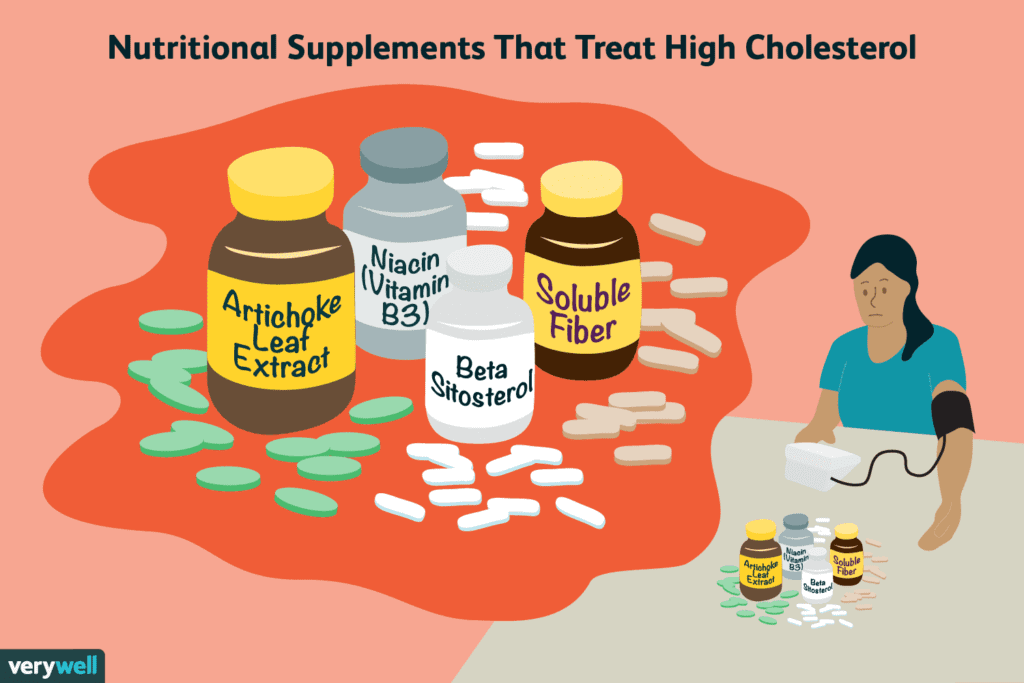
Certain vitamins have been linked to cholesterol management and are beneficial additions to your regimen. Vitamin B3, also known as niacin, has been shown to increase HDL cholesterol levels and decrease LDL cholesterol levels. Vitamin B5, or pantothenic acid, is involved in cholesterol synthesis and may help lower LDL cholesterol. Vitamin B6, B12, and folic acid also play important roles in maintaining healthy cholesterol levels.
Herbs with Potential Cholesterol-Lowering Effects
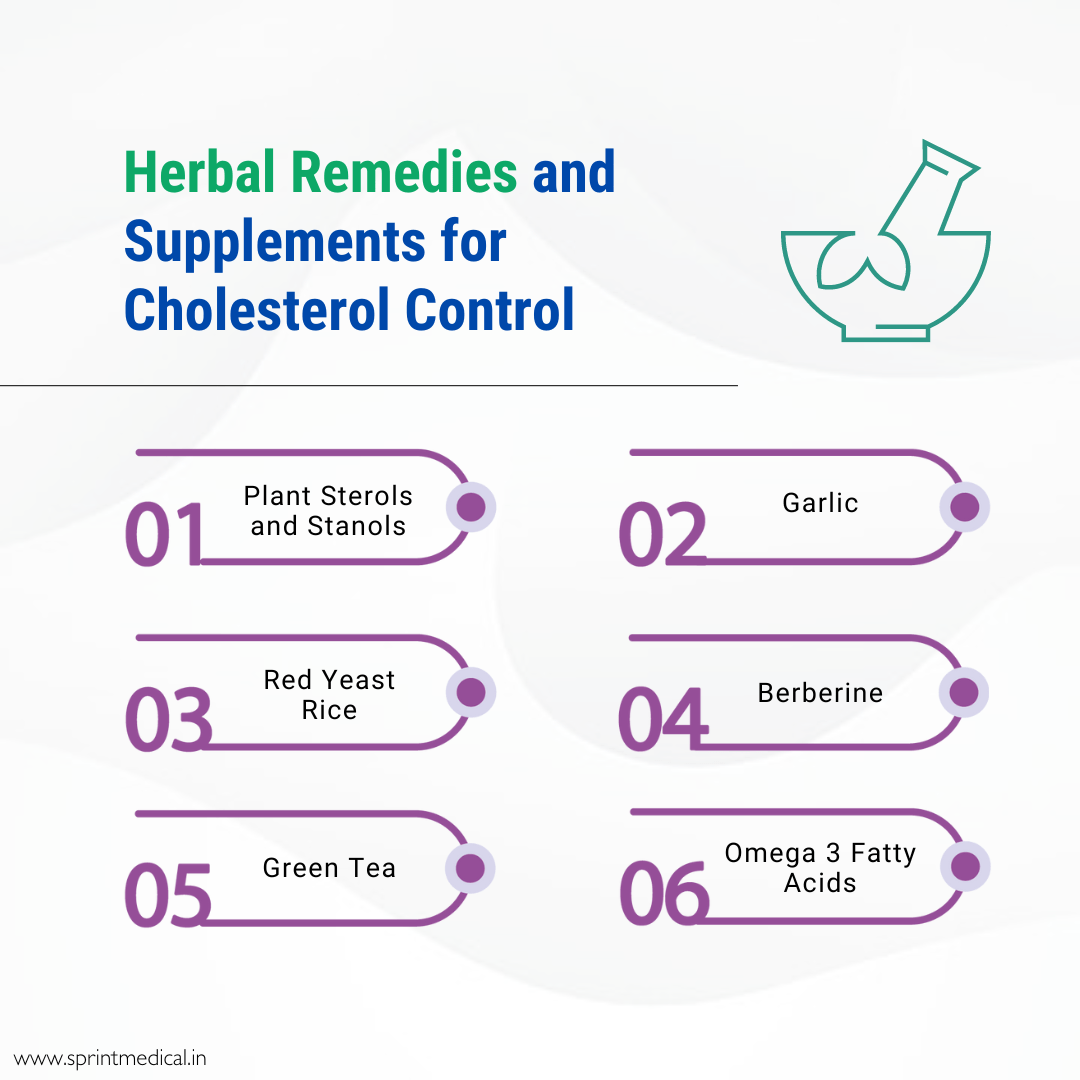
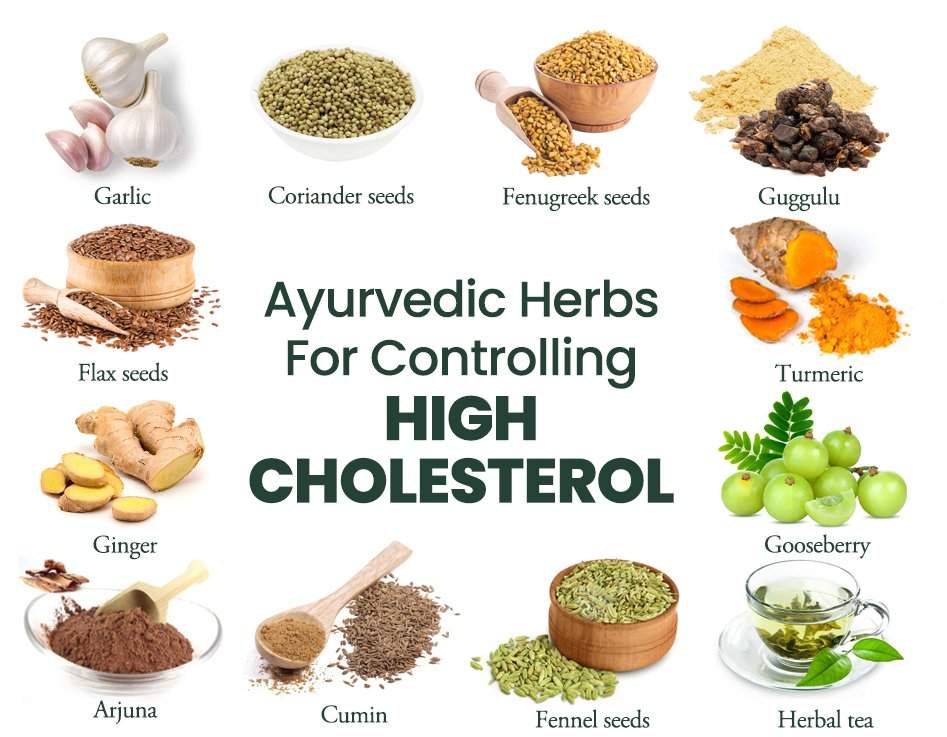
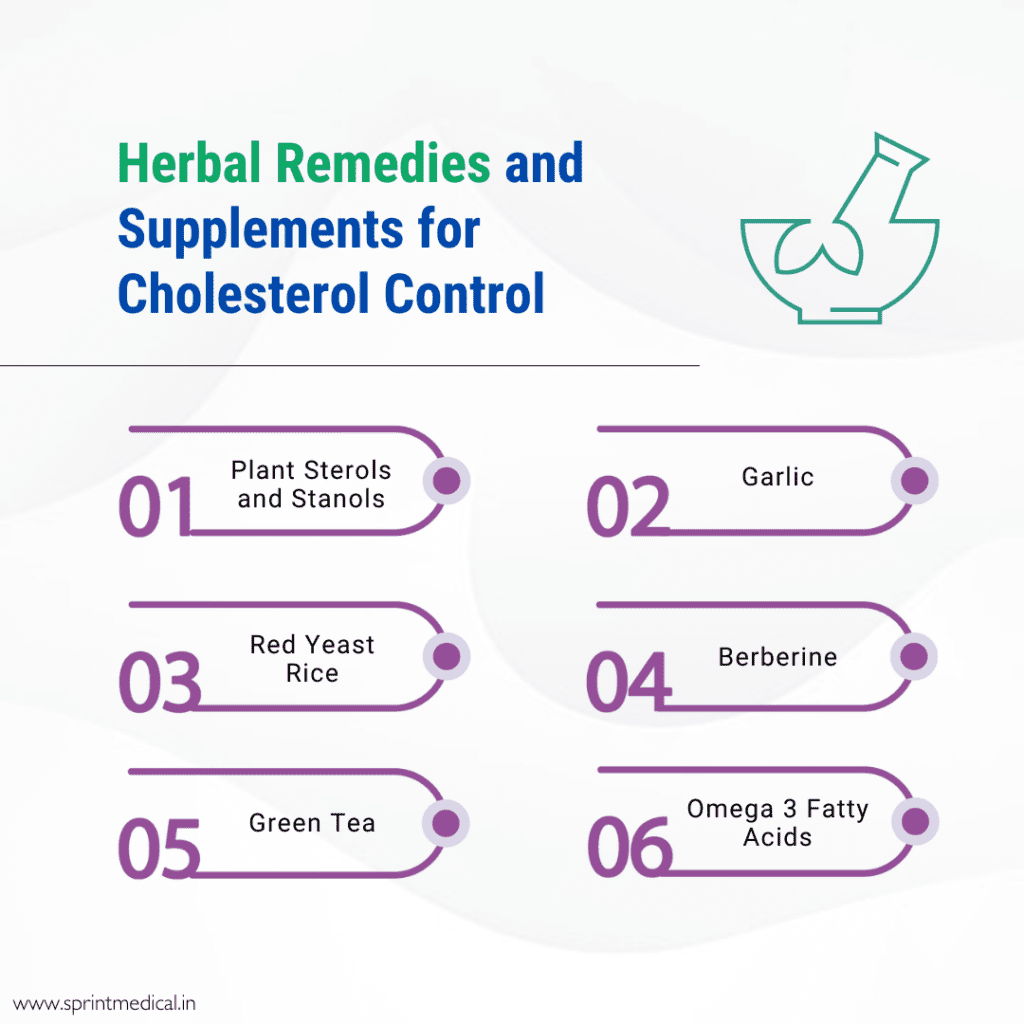
Several herbs have been studied for their potential to lower cholesterol levels. Garlic is one such herb that has shown promise in reducing LDL cholesterol and increasing HDL cholesterol. Turmeric, a commonly used spice, contains a compound called curcumin, which has antioxidant and anti-inflammatory properties that may help improve cholesterol levels. Red yeast rice is another herb that has been used in traditional medicine to manage cholesterol levels.
Recommended Dosages and Forms
The recommended dosages and forms of vitamins and herbs for cholesterol management may vary depending on individual needs. Your healthcare professional will guide you on the appropriate dosage and form based on your overall health and cholesterol profile. It is important to follow their advice and not exceed recommended dosages to avoid any potential side effects or interactions with other medications or supplements.
Creating a Balanced Diet for Cholesterol Management
Incorporating Foods Rich in Beneficial Nutrients
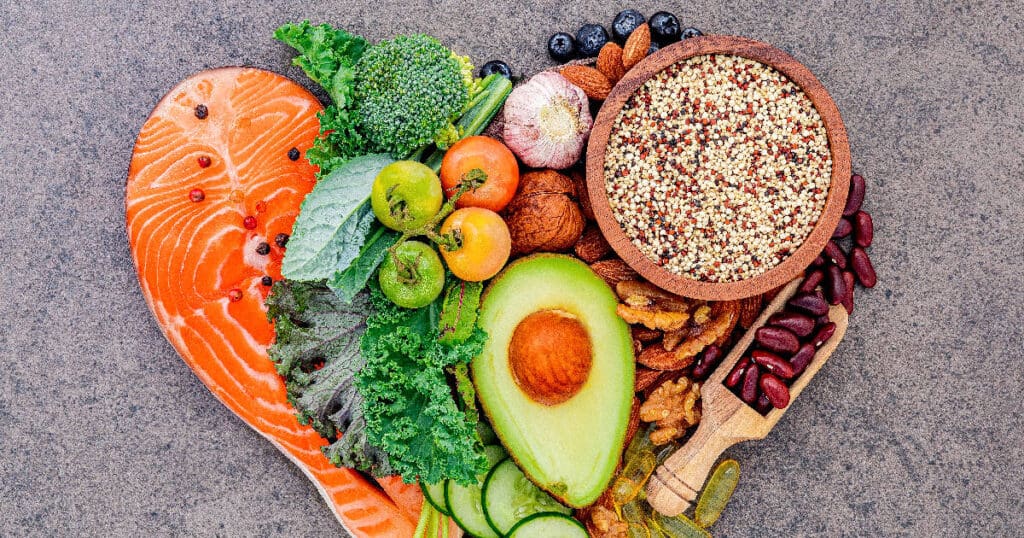
Eating a balanced diet is essential for managing cholesterol levels. Include foods that are rich in beneficial nutrients known to support heart health. Foods high in omega-3 fatty acids, such as fatty fish like salmon and mackerel, can help lower triglyceride levels. Foods high in soluble fiber, such as oats, legumes, and fruits, can help lower LDL cholesterol. And foods rich in antioxidants, such as berries and nuts, can help reduce oxidative stress and inflammation.
Limiting Foods High in Trans Fats and Saturated Fats
To effectively manage cholesterol levels, it is important to limit the intake of foods high in trans fats and saturated fats. These fats can increase LDL cholesterol levels and contribute to the development of heart disease. Avoid or minimize consumption of foods like processed snacks, fried foods, fatty cuts of meat, full-fat dairy products, and baked goods made with hydrogenated oils. Instead, opt for healthier fats found in foods like avocados, olive oil, and nuts.
Utilizing Cholesterol-Lowering Cooking Techniques
In addition to making mindful food choices, incorporating cholesterol-lowering cooking techniques can further support your cholesterol management efforts. Choose methods like baking, grilling, steaming, or sautéing instead of frying. These techniques reduce the amount of added fats and oils used in cooking. Additionally, utilizing herbs and spices to enhance the flavors of your dishes can help reduce the need for excess salt, which can negatively impact blood pressure and heart health.
Supplementing with Vitamins for Cholesterol Management
Vitamin B Complex – B3 (Niacin), B5 (Pantothenic Acid), B6, B12, and Folic Acid
Supplementing with vitamin B complex can be beneficial for managing cholesterol levels. Niacin (B3) has been shown to increase HDL cholesterol levels and decrease LDL cholesterol levels when taken in therapeutic doses under medical supervision. Pantothenic acid (B5) supports cholesterol synthesis and can help regulate cholesterol production. Vitamins B6, B12, and folic acid also play important roles in maintaining healthy cholesterol levels.
Vitamin C and Antioxidants
Vitamin C is a powerful antioxidant that helps protect against oxidative stress and inflammation, which can contribute to the development of heart disease. Including foods rich in vitamin C, such as citrus fruits, strawberries, and bell peppers, in your diet can support cholesterol management. Consider supplementing with vitamin C if your diet is lacking in this nutrient.
Vitamin D and its Role in Cholesterol
Vitamin D deficiency has been associated with dyslipidemia, a condition characterized by abnormal lipid levels in the blood, including high LDL cholesterol. Adequate levels of vitamin D are necessary for maintaining normal cholesterol metabolism. Spending time outdoors in sunlight and consuming foods rich in vitamin D, such as fatty fish, fortified dairy products, and egg yolks, can help support healthy vitamin D levels.
Incorporating Herbs into Cholesterol Management Regimen
Garlic and its Potential Benefits
Garlic has been used for its potential health benefits for centuries, including its potential cholesterol-lowering effects. Research suggests that garlic may help reduce LDL cholesterol levels and increase HDL cholesterol levels. Incorporating fresh garlic in your diet, either by adding it to dishes or taking garlic supplements under medical supervision, may help support your cholesterol management regimen.
Turmeric and Curcumin
Turmeric, a vibrant yellow spice commonly used in curry dishes, contains a compound called curcumin. Curcumin has been shown to have antioxidant and anti-inflammatory properties, which may help improve cholesterol levels. Adding turmeric to your cooking or taking curcumin supplements may be beneficial for cholesterol management. However, consult with your healthcare professional before starting any new supplements.
Red Yeast Rice for Managing Cholesterol
Red yeast rice is a traditional Chinese fermented rice product that has been used for centuries in traditional medicine. It contains naturally occurring compounds called monacolins, which inhibit an enzyme involved in cholesterol synthesis. Studies have shown that red yeast rice can help lower LDL cholesterol levels. However, it is important to consult with a healthcare professional before using red yeast rice, as it may interact with certain medications and should not be used by everyone.
Understanding Potential Interactions and Side Effects
Consulting Healthcare Professional for Possible Interactions
While vitamins and herbs can be beneficial for managing cholesterol levels, it is important to be aware of potential interactions with medications or other supplements you may be taking. Some vitamins and herbs can interfere with the absorption or effectiveness of certain medications, so it’s crucial to consult with a healthcare professional before adding any new supplements to your regimen.
Common Side Effects of Vitamins and Herbs
Vitamins and herbs, when taken in appropriate dosages, are generally considered safe. However, some individuals may experience side effects. For example, high doses of niacin (B3) can cause flushing, itching, and gastrointestinal upset. Garlic can also cause gastrointestinal discomfort and may interact with blood-thinning medications. It is essential to monitor your body’s response to vitamins and herbs and report any adverse effects to your healthcare professional.
Avoiding Overdose or Excessive Intake
It is important to remember that vitamins and herbs are meant to supplement a healthy lifestyle and balanced diet, not replace them. Taking excessive amounts of vitamins or herbs can lead to toxicity or adverse effects. Always follow the recommended dosages provided by your healthcare professional. If you are uncertain about the appropriate dosage or have concerns about potential interactions, consult with your healthcare professional for guidance.
Monitoring and Adjusting Regimen
Regular Cholesterol Testing
Regular cholesterol testing is essential for monitoring the effectiveness of your vitamin and herb regimen. Your healthcare professional will determine the frequency of these tests based on your specific needs and goals. Through regular cholesterol testing, you can track changes in your cholesterol levels and make informed adjustments to your regimen, if necessary.
Tracking Changes and Effectiveness
In addition to cholesterol testing, it is important to pay attention to other signs and symptoms that may indicate changes in your cholesterol levels. These may include changes in energy levels, cardiovascular health, and weight. By keeping track of these changes, you can assess the effectiveness of your regimen and make informed decisions about any necessary adjustments.
Adjusting Dosages and Ingredients, if Necessary
As you continue on your cholesterol management journey, it is possible that adjustments to your vitamin and herb regimen may be necessary. Changes in your overall health, cholesterol profile, or response to certain supplements may warrant adjustments to dosages or the inclusion of additional ingredients. Always consult with your healthcare professional before making any changes to ensure the continued safety and effectiveness of your regimen.
Adhering to Healthy Lifestyle Habits
Maintaining a Balanced Diet
While vitamins and herbs can play a role in cholesterol management, it is essential to maintain a balanced diet overall. Incorporate a variety of fruits, vegetables, whole grains, lean proteins, and healthy fats into your daily meals. Limit processed foods, sugary snacks, and beverages high in added sugars. By adhering to a balanced diet, you can provide your body with the essential nutrients it needs to support healthy cholesterol levels.
Regular Physical Exercise
Regular physical exercise is a key component of a healthy lifestyle and can contribute to cholesterol management. Engaging in aerobic exercises, such as brisk walking, jogging, cycling, or swimming, can help increase HDL cholesterol levels and improve overall cardiovascular health. Aim for at least 150 minutes of moderate-intensity exercise or 75 minutes of vigorous-intensity exercise per week, as recommended by national guidelines.
Avoiding Smoking and Reducing Alcohol Intake
Smoking damages blood vessels and lowers HDL cholesterol levels, increasing the risk of heart disease. If you smoke, seek support to quit and avoid exposure to secondhand smoke. Additionally, excessive alcohol consumption can raise blood pressure and contribute to high triglyceride levels. Limit alcohol intake to moderate levels or avoid it altogether to support your cholesterol management efforts.
Conclusion
Incorporating a vitamin and herb regimen into your cholesterol management plan can be a positive step toward better heart health. However, it is crucial to seek professional guidance from a healthcare professional who can provide personalized recommendations based on your individual needs and goals. By understanding cholesterol, identifying beneficial vitamins and herbs, creating a balanced diet, and adhering to healthy lifestyle habits, you can take control of your cholesterol levels and improve your overall well-being. Remember to regularly monitor and adjust your regimen as needed, all while prioritizing professional guidance throughout the process.