
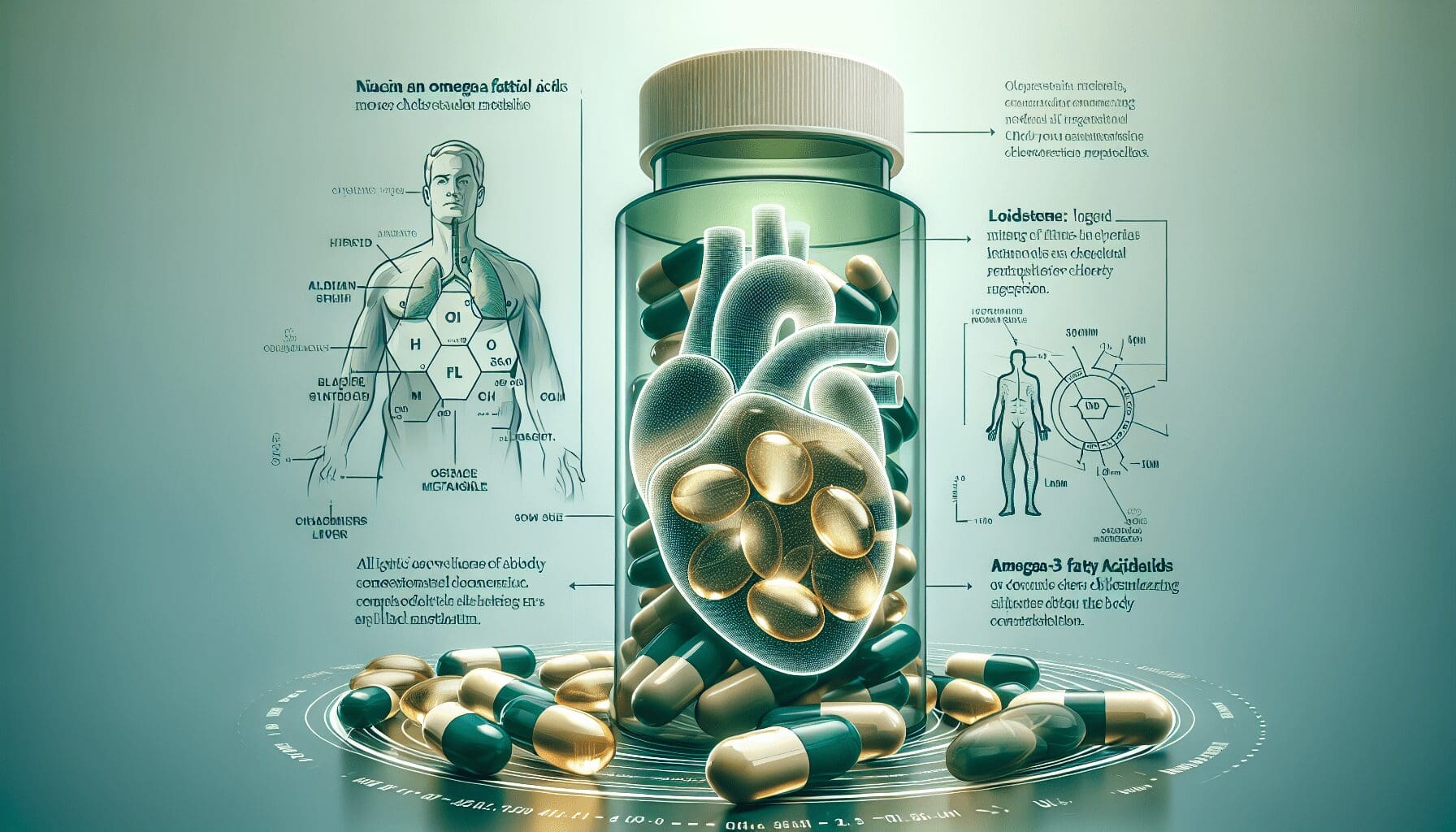
Are you curious about how cholesterol-lowering vitamins work in your body? Well, you’ve come to the right place! In this article, we will explore the fascinating mechanisms by which these vitamins help reduce cholesterol levels. Understanding how these vitamins work can empower you to make informed decisions about your health and take steps towards achieving optimal cholesterol levels. So, let’s jump right in and uncover the secrets behind the effectiveness of cholesterol-lowering vitamins!

Overview of Cholesterol
Cholesterol is a waxy substance found in every cell of your body. It is an essential component of cell membranes and plays a crucial role in various bodily functions. While cholesterol is necessary for proper functioning, too much of it can lead to health problems, particularly heart disease. It is important to maintain a healthy balance of cholesterol in your body to support overall well-being.
Definition of Cholesterol
Cholesterol is a sterol, a type of steroid molecule that is produced by the liver. It is also found in various animal-based foods. This fatty substance is insoluble in water, which means it cannot dissolve and travel freely in the bloodstream. To overcome this challenge, cholesterol is transported by lipoproteins, which help carry it through the bloodstream to different cells and organs in the body.
Types of Cholesterol
There are two main types of cholesterol: low-density lipoprotein (LDL) and high-density lipoprotein (HDL). LDL cholesterol is often referred to as “bad” cholesterol because high levels of it can contribute to the buildup of plaque in the arteries, leading to atherosclerosis. On the other hand, HDL cholesterol is known as “good” cholesterol as it helps transport excess cholesterol back to the liver, where it can be eliminated from the body.
Role of Cholesterol in the Body
Cholesterol plays a vital role in the body, serving as a building block for cell membranes and hormones. It is used by the body to produce vitamin D, bile acids that aid in the digestion of fats, and various hormones, including estrogen and testosterone. Cholesterol is also involved in the formation of myelin, a substance that insulates nerve fibers and facilitates proper nerve function.
Understanding Cholesterol-Lowering Vitamins
What are Cholesterol-Lowering Vitamins?
Cholesterol-lowering vitamins are nutrients that have been found to have potential in reducing cholesterol levels in the body. These vitamins can help support heart health by regulating cholesterol metabolism and reducing the risk of cardiovascular diseases. While there are several vitamins with cholesterol-lowering properties, it is important to note that they should not replace prescribed medication without consulting a healthcare professional.
Types of Cholesterol-Lowering Vitamins
There are several vitamins that have been linked to cholesterol-lowering effects. Some of the key cholesterol-lowering vitamins include vitamin C, vitamin E, niacin (vitamin B3), and folic acid (vitamin B9). Additionally, fish oil, which contains omega-3 fatty acids, and coenzyme Q10 have also shown potential in managing cholesterol levels. Plant sterols and stanols, which naturally occur in certain foods, are also considered effective in lowering cholesterol.
Mechanism of Action
Cholesterol-lowering vitamins work through different mechanisms to help manage cholesterol levels in the body. For instance, some vitamins, such as vitamin C and vitamin E, act as antioxidants, helping to prevent the oxidation of LDL cholesterol, which is a key step in the development of atherosclerosis. Niacin, on the other hand, helps lower LDL cholesterol and triglyceride levels while increasing HDL cholesterol levels. Fish oil, coenzyme Q10, and plant sterols/stanols also have their unique ways of influencing cholesterol metabolism.
Vitamin C
Effects on Cholesterol Levels
Vitamin C, an essential water-soluble vitamin, has been studied for its potential effects on cholesterol levels. Research suggests that vitamin C may help lower LDL cholesterol levels while increasing HDL cholesterol levels, thus promoting a healthier cholesterol profile.
Mechanism of Action
One of the mechanisms behind vitamin C’s cholesterol-lowering effects is its role as an antioxidant. Vitamin C helps protect LDL cholesterol from oxidative damage, which can lead to the formation of plaque in the arteries. By reducing LDL oxidation, vitamin C supports cardiovascular health.
Food Sources of Vitamin C
Vitamin C is found abundantly in various fruits and vegetables. Some excellent sources of vitamin C include citrus fruits such as oranges, grapefruits, and lemons, as well as berries, kiwis, and bell peppers. Adding these foods to your diet can help ensure an adequate intake of vitamin C and support your overall heart health.
Vitamin E
Effects on Cholesterol Levels
Vitamin E is a fat-soluble vitamin known for its antioxidant properties. Studies have shown that vitamin E may have a positive impact on cholesterol levels, particularly by helping to reduce LDL cholesterol oxidation and inhibiting the formation of plaque in the arteries.
Mechanism of Action
One of the primary mechanisms behind vitamin E’s cholesterol-lowering effects is its ability to scavenge free radicals and prevent the oxidation of LDL cholesterol. By protecting LDL cholesterol from oxidation, vitamin E helps maintain the integrity of the arteries and supports cardiovascular health.
Food Sources of Vitamin E
Vitamin E can be obtained from various food sources, particularly nuts and seeds. Almonds, sunflower seeds, hazelnuts, and spinach are excellent sources of vitamin E. Including these foods in your diet can help ensure an adequate intake of vitamin E and contribute to a healthier cholesterol profile.
Niacin (Vitamin B3)
Effects on Cholesterol Levels
Niacin, also known as vitamin B3, has long been used as a treatment for elevated cholesterol levels. It has shown significant effectiveness in reducing LDL cholesterol and triglyceride levels while increasing HDL cholesterol levels.
Mechanism of Action
Niacin works by inhibiting the liver’s production of VLDL (very-low-density lipoprotein) cholesterol, which is a precursor to LDL cholesterol. Additionally, niacin helps increase the production of HDL cholesterol and promotes its transport in the bloodstream.
Food Sources of Niacin
Niacin can be found in a variety of foods, including lean meats, poultry, fish, and whole grains. Peanuts and sunflower seeds also contain niacin. By incorporating these foods into your diet, you can naturally increase your niacin intake and potentially support cholesterol management.
Folic Acid (Vitamin B9)
Effects on Cholesterol Levels
Folic acid, also known as vitamin B9, has been studied for its potential effects on cholesterol levels. Research suggests that folic acid may help lower total cholesterol and LDL cholesterol levels, especially in individuals with elevated levels.
Mechanism of Action
Folic acid functions in the body by converting homocysteine, an amino acid, into methionine, a building block for proteins, DNA, and various other molecules. Elevated homocysteine levels have been associated with increased cardiovascular risk. By reducing homocysteine levels, folic acid aids in maintaining a healthy cardiovascular system.
Food Sources of Folic Acid
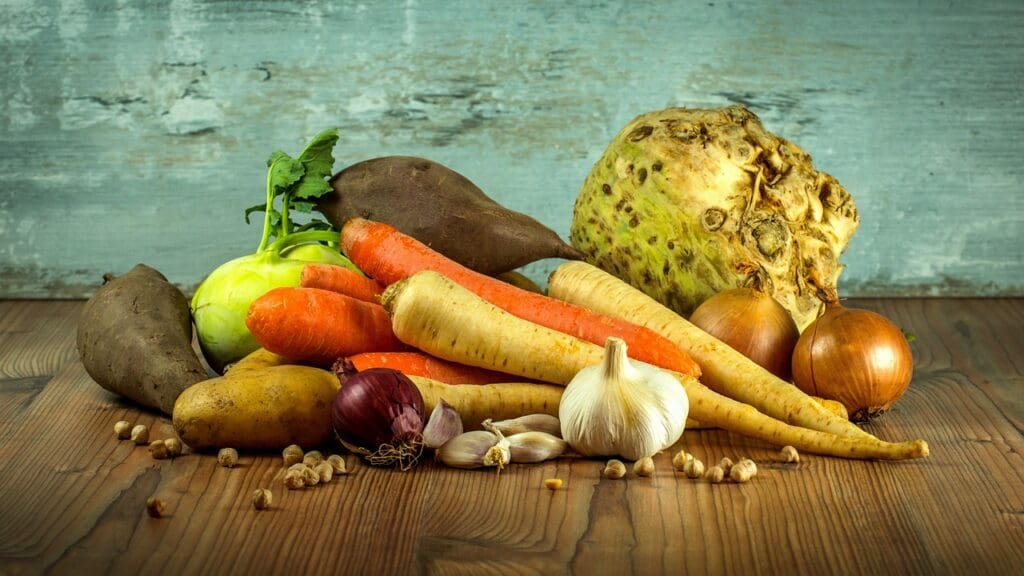
Folic acid is primarily found in leafy green vegetables, such as spinach and broccoli. Legumes, citrus fruits, and fortified cereals also provide significant amounts of folic acid. Incorporating these foods into your diet can help ensure an adequate intake of folic acid and potentially support cholesterol management.
Fish Oil (Omega-3 Fatty Acids)
Effects on Cholesterol Levels
Fish oil, which contains omega-3 fatty acids, has been extensively studied for its potential benefits on cardiovascular health, including its impact on cholesterol levels. Omega-3 fatty acids have shown to help lower triglyceride levels and may have a modest effect on reducing LDL cholesterol levels.
Mechanism of Action
Omega-3 fatty acids, particularly EPA (eicosapentaenoic acid) and DHA (docosahexaenoic acid), found in fish oil, have been found to reduce inflammation in the body. Inflammation plays a role in the development of atherosclerosis and other cardiovascular conditions. By reducing inflammation, omega-3 fatty acids contribute to better heart health.
Food Sources of Omega-3 Fatty Acids
Fatty fish, such as salmon, mackerel, and trout, are excellent sources of omega-3 fatty acids. Other sources include flaxseeds, chia seeds, and walnuts. Adding these foods to your diet can help increase your omega-3 fatty acid intake and potentially support cholesterol management.
Coenzyme Q10
Effects on Cholesterol Levels
Coenzyme Q10, also known as CoQ10, is a compound produced naturally by the body. Research suggests that CoQ10 may have potential benefits for cholesterol management, particularly in individuals with high cholesterol levels.
Mechanism of Action
CoQ10 plays a crucial role in the production of cellular energy and acts as an antioxidant. It helps protect LDL cholesterol from oxidation and supports heart health. CoQ10 also helps enhance the function of mitochondria, the energy-producing units in cells.
Food Sources of Coenzyme Q10
Although CoQ10 is naturally produced by the body, it can also be obtained through dietary sources. Foods rich in CoQ10 include organ meats, such as liver and heart, fatty fish, and whole grains. However, it is important to note that dietary sources may not provide sufficient amounts of CoQ10 for therapeutic purposes.

Plant Sterols and Stanols
Effects on Cholesterol Levels
Plant sterols and stanols are natural compounds found in certain plant-based foods. They have been extensively studied for their cholesterol-lowering effects and are often added to various food products, such as margarine and yogurt.
Mechanism of Action
Plant sterols and stanols have a similar structure to cholesterol, which allows them to compete with cholesterol absorption in the intestines. By blocking the absorption of dietary cholesterol, plant sterols and stanols help reduce LDL cholesterol levels and promote a healthier cholesterol balance.
Food Sources of Plant Sterols and Stanols
Plant sterols and stanols can be found in various foods, including fruits, vegetables, nuts, and legumes. Some specific sources include wheat germ, corn oil, almonds, and Brussels sprouts. Incorporating these foods into your diet, along with fortified products, can help maximize the cholesterol-lowering effects of plant sterols and stanols.
Conclusion
In conclusion, cholesterol-lowering vitamins, such as vitamin C, vitamin E, niacin, folic acid, and supplements like fish oil, coenzyme Q10, and plant sterols/stanols, have shown potential in managing cholesterol levels and supporting heart health. These vitamins and compounds work through various mechanisms, including antioxidant effects, inhibition of cholesterol synthesis, and reduction of inflammation. Additionally, incorporating specific foods rich in these vitamins and compounds into your diet can help optimize the cholesterol-lowering effects. However, it is important to consult with a healthcare professional before making any significant changes to your dietary or supplementation routine, especially if you are currently on cholesterol-lowering medication. Maintaining a balanced diet, engaging in regular physical activity, and adopting a healthy lifestyle are all essential components of managing cholesterol levels and improving overall cardiovascular health.