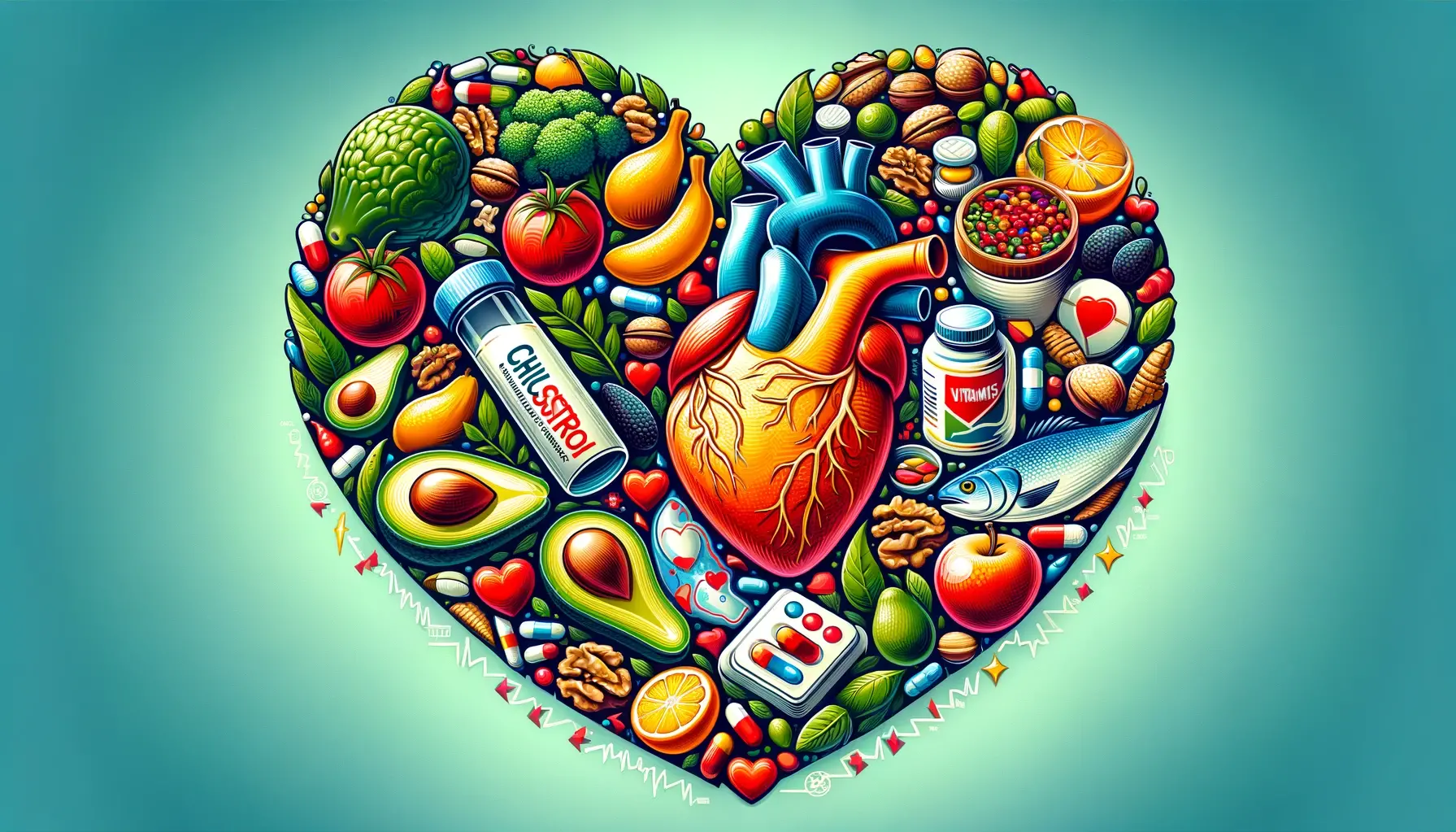
Are you looking for simple yet effective strategies to lower your cholesterol levels? In this article, we will explore the power of combining vitamins and lifestyle changes to help you achieve optimal results. By incorporating certain vitamins into your daily routine and making small adjustments to your lifestyle habits, you can take control of your cholesterol levels and improve your overall health. From dietary changes to exercise routines, we’ve got you covered with practical tips and expert advice. Get ready to kickstart your journey towards a healthier heart!
Understanding Cholesterol and Its Impact on Health
Cholesterol is a waxy substance that is produced by the liver and also found in certain foods. It is an essential component of cell membranes and is involved in the production of hormones, vitamin D, and bile acids. However, having too much cholesterol in the blood can increase the risk of heart disease and other health problems.
Understanding the Different Types of Cholesterol
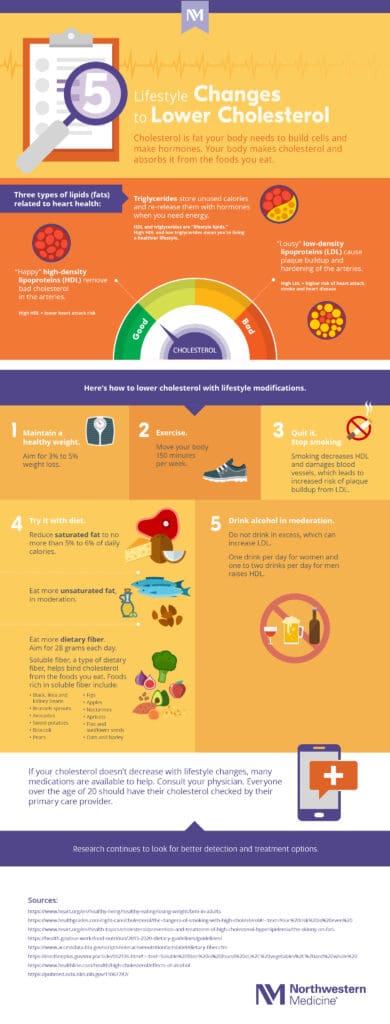
Cholesterol can be classified into two main types: low-density lipoprotein (LDL) cholesterol and high-density lipoprotein (HDL) cholesterol. LDL cholesterol is often referred to as “bad” cholesterol because it can build up in the walls of arteries, leading to plaque formation and narrowing of the arteries. HDL cholesterol, on the other hand, is known as “good” cholesterol because it helps remove excess cholesterol from the bloodstream and carries it back to the liver for excretion.
Understanding the Role of Cholesterol in the Body
Cholesterol plays a crucial role in the body’s normal functioning. It is a structural component of cell membranes, providing stability and fluidity. Cholesterol is also necessary for the synthesis of steroid hormones, including cortisol, estrogen, and testosterone. Additionally, cholesterol is involved in the production of vitamin D, which is essential for bone health and a strong immune system. Despite these important roles, it is vital to maintain a balance of cholesterol levels to avoid detrimental health effects.
Understanding the Health Risks of High Cholesterol Levels
Having high levels of LDL cholesterol in the blood can lead to the formation of plaque in the arteries, causing a condition known as atherosclerosis. Over time, this can increase the risk of heart attacks, strokes, and other cardiovascular diseases. High cholesterol levels can also contribute to the development of gallstones and affect liver function. It is crucial to keep cholesterol levels within a healthy range to lower the risk of these health problems.
Importance of Lifestyle Changes in Lowering Cholesterol
While certain risk factors for high cholesterol, such as age and genetics, are beyond our control, making lifestyle changes can have a significant impact on reducing cholesterol levels. By adopting healthier habits, you can effectively lower your cholesterol and improve your overall health.
Maintaining a Healthy Diet
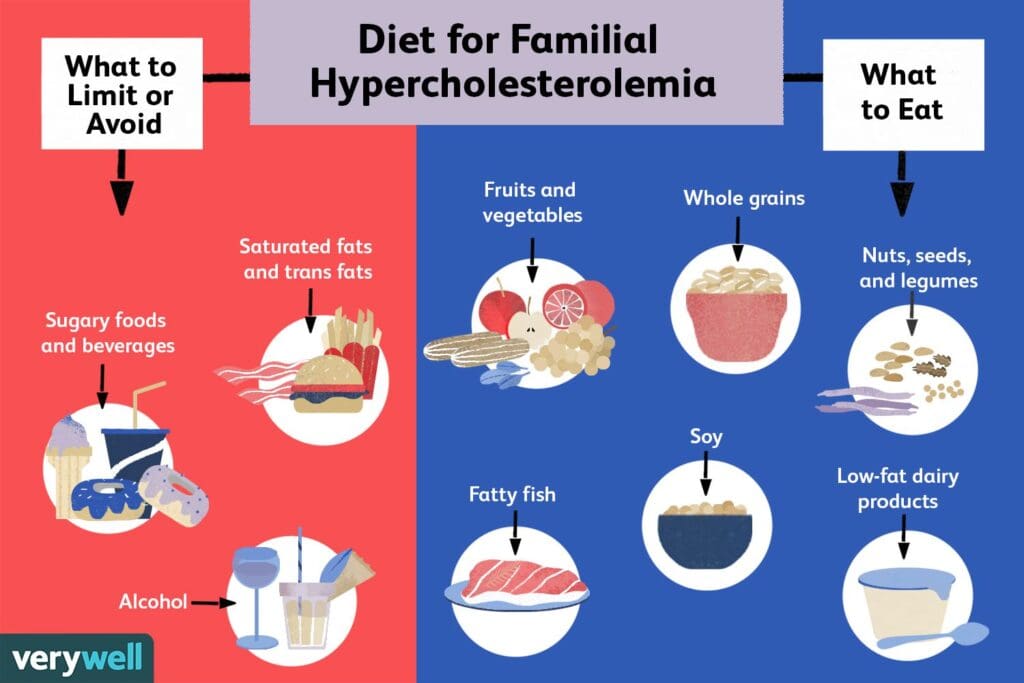
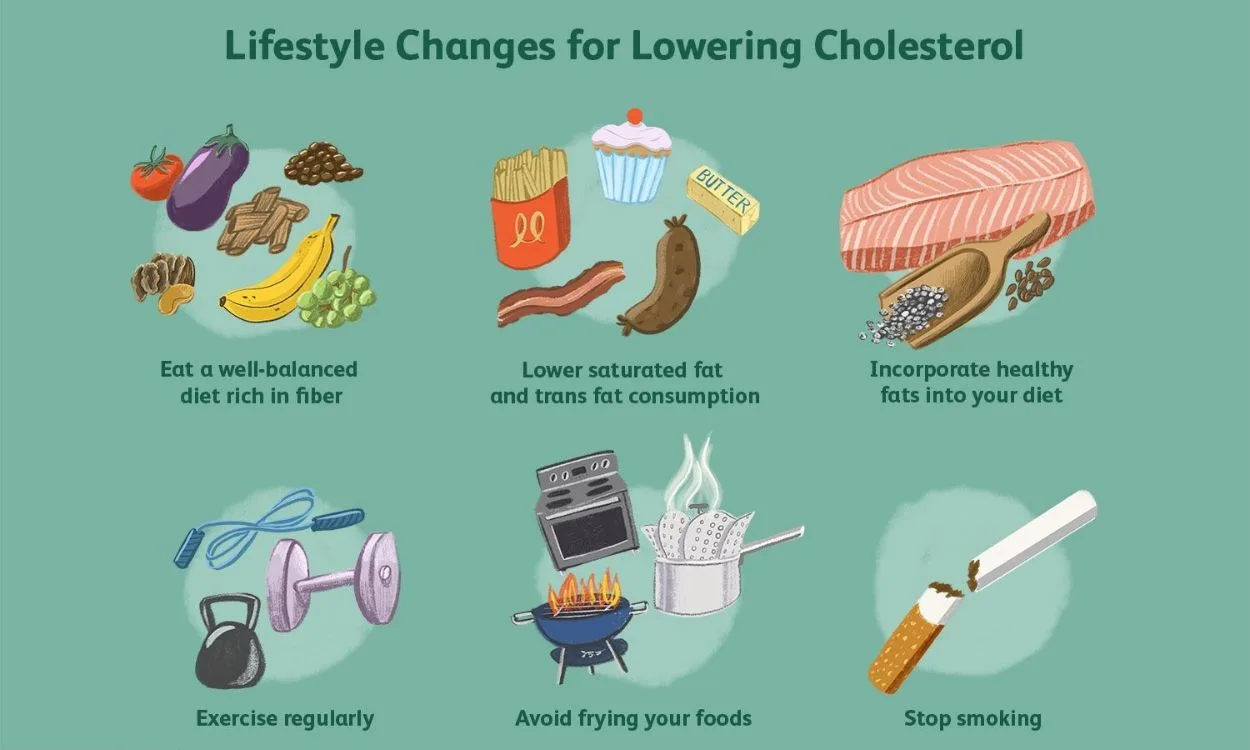
One of the cornerstones in lowering cholesterol is maintaining a healthy diet. Focus on eating foods that are low in saturated fats and trans fats, as these can raise LDL cholesterol levels. Instead, opt for foods rich in fiber, such as fruits, vegetables, whole grains, and legumes. Include sources of lean protein, such as skinless poultry, fish, and tofu, while reducing red meat consumption. Incorporating healthy fats, such as those found in avocados, nuts, and olive oil, can also help improve cholesterol levels.
Incorporating Regular Physical Activity
Physical activity is another crucial aspect of lowering cholesterol. Engaging in regular exercise can help raise HDL cholesterol levels, also known as “good” cholesterol, while promoting weight loss and reducing LDL cholesterol levels. Aim for at least 150 minutes of moderate-intensity aerobic activity, such as brisk walking or cycling, per week. Strength training exercises, such as lifting weights or using resistance bands, can also be beneficial in improving cholesterol levels and overall cardiovascular health.
Quitting Smoking and Limiting Alcohol Consumption
Smoking damages blood vessels and lowers HDL cholesterol levels, making it even more important to quit smoking when trying to lower cholesterol. Additionally, excessive alcohol consumption can negatively impact cholesterol levels. Moderate alcohol consumption, such as one drink per day for women and up to two drinks per day for men, may have some health benefits. However, excessive drinking can lead to high triglyceride levels and increase the risk of high cholesterol and other health problems. It is best to limit alcohol intake and seek healthier alternatives for overall well-being.
Essential Vitamins for Lowering Cholesterol
In addition to lifestyle changes, certain vitamins can be beneficial in lowering cholesterol levels. These vitamins can help support overall heart health and promote healthy cholesterol levels.
Vitamin B3 (Niacin)
Vitamin B3, also known as niacin, has been shown to have positive effects on cholesterol levels. It can help raise HDL cholesterol levels while lowering LDL and triglyceride levels. However, it is essential to consult with a healthcare professional before starting niacin supplementation, as it can cause side effects and interact with certain medications.
Vitamin C
Vitamin C is not only crucial for a strong immune system but may also provide benefits for cholesterol management. It has antioxidant properties that can help protect against the oxidation of LDL cholesterol, which plays a role in the development of atherosclerosis. Incorporating vitamin C-rich foods, such as citrus fruits, strawberries, and bell peppers, into your diet can contribute to overall heart health.
Vitamin E
Vitamin E is another powerful antioxidant that can help prevent the oxidation of LDL cholesterol. By reducing the oxidation of LDL, vitamin E can help lower the risk of atherosclerosis and other cardiovascular diseases. Good sources of vitamin E include nuts, seeds, and vegetable oils.
Omega-3 Fatty Acids
Omega-3 fatty acids are a type of polyunsaturated fat that has been extensively studied for its heart-healthy benefits. They can help lower LDL cholesterol levels, reduce triglyceride levels, and decrease the risk of heart disease. Sources of omega-3 fatty acids include fatty fish like salmon and mackerel, walnuts, and flaxseeds.
Coenzyme Q10 (CoQ10)
Coenzyme Q10 is a natural compound that plays a role in energy production within cells and acts as an antioxidant. Some studies suggest that CoQ10 supplementation may help improve cholesterol levels by reducing LDL cholesterol and increasing HDL cholesterol levels. However, more research is needed to fully understand the effects of CoQ10 on cholesterol management.
Combining Vitamins with Lifestyle Changes for Optimal Results
While vitamins can play a role in lowering cholesterol, they should not be seen as a standalone solution. Instead, they should be combined with lifestyle changes to achieve optimal results in managing cholesterol levels.
Creating a Balanced Diet Plan
When incorporating vitamins into your cholesterol-lowering regimen, it is essential to create a balanced diet plan that includes a variety of nutrient-rich foods. Focus on incorporating fruits, vegetables, whole grains, lean proteins, and healthy fats into your meals. Consider consulting with a registered dietitian or nutritionist to develop a personalized plan that suits your specific nutritional needs and cholesterol goals.
Choosing Foods Rich in Cholesterol-Lowering Nutrients
In addition to vitamins, certain nutrients and compounds found in food can help lower cholesterol levels. For example, plant sterols and stanols found in foods like fortified margarine and orange juice have been shown to reduce LDL cholesterol. Soluble fiber, found in foods like oats, barley, and legumes, can also have a positive impact on cholesterol reduction. Incorporating these cholesterol-lowering nutrients into your diet can enhance the effects of vitamins and promote healthier cholesterol levels.
Incorporating Vitamin-Rich Foods into Daily Meals
To ensure a sufficient intake of vitamins, make a conscious effort to include vitamin-rich foods in your daily meals. In addition to the vitamins mentioned above, foods like leafy green vegetables, berries, tomatoes, and whole grains can provide a wide range of essential vitamins and antioxidants. By incorporating these foods into your diet, you can naturally support heart health and cholesterol management.
Establishing an Exercise Routine
Regular physical activity is an essential component of a holistic approach to cholesterol management. Combine vitamin supplementation with a consistent exercise routine to maximize the benefits of both. Engaging in activities you enjoy, such as walking, swimming, or dancing, can make exercise more enjoyable and sustainable. Aim for at least 30 minutes of moderate-intensity exercise most days of the week.
Exploring Different Physical Activities
To ensure long-term adherence to an exercise regimen, it’s important to explore different physical activities and find what resonates with you. Trying out activities like yoga, Pilates, biking, or hiking can provide variety and keep you motivated. By finding activities you genuinely enjoy, you increase the likelihood of maintaining an active lifestyle and reaping the benefits of cholesterol reduction.
Seeking Professional Guidance for Exercise
If you are unsure about how to get started with an exercise routine or have health concerns, it is advisable to seek professional guidance. Consulting with a healthcare professional, such as a physical therapist or exercise physiologist, can help you develop a safe and effective exercise plan tailored to your needs and abilities. They can provide guidance on proper form, intensity levels, and any modifications necessary to ensure your exercise routine is both enjoyable and beneficial.
Implementing Stress-Management Techniques
Stress can have a negative impact on cholesterol levels and overall heart health. Implementing stress-management techniques, such as meditation, deep breathing exercises, or yoga, can help reduce stress and promote better overall well-being. By incorporating stress-management techniques into your daily routine, you can support your efforts in lowering cholesterol levels and improving your overall health.
Quitting Smoking and Seeking Support
If you are a smoker, quitting smoking is one of the most impactful lifestyle changes you can make to lower cholesterol levels. Smoking not only lowers HDL cholesterol levels but also damages blood vessels and increases the risk of heart disease. Seek support from healthcare professionals, support groups, or counseling services to increase your chances of successfully quitting and maintaining a smoke-free lifestyle.
Limiting Alcohol Consumption and Finding Alternatives
While moderate alcohol consumption may have some health benefits, excessive drinking can negatively impact cholesterol levels. To support cholesterol reduction efforts, it is important to limit alcohol consumption and seek healthier alternatives. Choose non-alcoholic beverages like infused water, herbal tea, or mocktails to quench your thirst and promote better heart health.

Understanding Potential Interactions and Side Effects
When incorporating vitamins and supplements into your cholesterol-lowering routine, it is important to have a thorough understanding of potential interactions and side effects.
Consulting with a Healthcare Professional
Before starting any vitamin or supplement regimen, it is vital to consult with a healthcare professional. They can provide guidance specific to your individual health needs, consider potential interactions with medications, and help you determine the appropriate dosages. It is especially important to consult with a healthcare professional if you are pregnant, breastfeeding, or have any underlying medical conditions.
Avoiding Excessive Vitamin Supplementation
While vitamins can be beneficial, excessive vitamin supplementation can be harmful. It is important to follow the recommended daily dosages and avoid taking more than what is necessary, as it may cause adverse effects. Vitamins should be used as a supplement to a healthy diet, rather than a replacement for it.
Monitoring for Any Adverse Reactions
When introducing vitamins and supplements into your routine, it is important to monitor for any adverse reactions. Pay attention to changes in your overall health, digestion, energy levels, and any other symptoms that may arise. If you experience any unexpected side effects, consult with a healthcare professional to determine if they are related to the vitamins or supplements you are taking.
Being Aware of Medication Interactions
Certain vitamins and supplements may interact with medications, potentially affecting their effectiveness or increasing the risk of side effects. It is crucial to inform your healthcare professional about all the medications and supplements you are taking to ensure there are no adverse interactions. They can provide guidance on timing and dosages to minimize any potential risks.
Monitoring Cholesterol Levels and Progress
Regular monitoring of cholesterol levels is an important part of managing and tracking your progress in lowering cholesterol.
Regular Cholesterol Testing
Schedule regular cholesterol testing with your healthcare provider to assess your cholesterol levels. This can help you determine if your current regimen of vitamins, lifestyle changes, and any prescribed medications are effectively lowering your cholesterol. Your healthcare provider can also provide guidance on how often you should have your cholesterol tested based on your individual situation.
Understanding Cholesterol Targets and Guidelines
It is important to understand the recommended cholesterol targets and guidelines. This will help you interpret your test results and assess how well you are managing your cholesterol levels. Your healthcare provider can discuss the specific targets and guidelines relevant to your case and help you set realistic goals for cholesterol reduction.
Implementing Self-Monitoring Measures
In addition to regular cholesterol testing, implementing self-monitoring measures can help you stay on track with your cholesterol-lowering efforts. This can include tracking your diet, exercise, and vitamin supplementation, as well as monitoring other relevant health markers like blood pressure and weight. Self-monitoring provides a holistic view of your progress and helps identify areas that may need adjustment.
Tracking Lifestyle Changes and Vitamin Supplementation
Keep a record of your lifestyle changes and vitamin supplementation to track their impact on your cholesterol levels. By documenting the changes you have made and the supplements you are taking, you can identify patterns and adjust your approach if necessary. This record can also be beneficial when discussing your progress with your healthcare provider.
Potential Challenges and Strategies to Overcome Them
While embarking on a cholesterol-lowering journey, it is important to anticipate potential challenges and have strategies in place to overcome them.
Maintaining Long-Term Commitment
Lifestyle changes and vitamin supplementation require a long-term commitment for effective cholesterol management. It is crucial to cultivate a mindset that prioritizes your health and well-being, making these changes sustainable. Stay focused on the long-term benefits of maintaining healthy cholesterol levels as motivation to stay committed.
Dealing with Dietary Temptations
Making dietary changes can be challenging, especially when faced with tempting foods that may negatively impact cholesterol levels. It is important to plan ahead, practice portion control, and have healthier alternatives readily available. Building a support system with friends, family, or online communities who share similar goals can also help provide encouragement and accountability.
Overcoming Challenges in Incorporating Exercise
Finding time for exercise and staying consistent with it can be difficult in a busy schedule. To overcome this challenge, make exercise a non-negotiable part of your routine by scheduling it into your calendar. Engage in physical activities that you enjoy, as it will increase the likelihood of adherence. Consider inviting a friend or family member to join you for added motivation and support.
Managing Stress
Stress can have a negative impact on cholesterol levels and overall health. Implement stress-management techniques, such as meditation, deep breathing, or engaging in hobbies, to help manage stress effectively. Prioritizing self-care and setting aside time for activities that bring joy and relaxation can help reduce stress and promote better cholesterol management.
Finding Support and Accountability
Seeking support and accountability from others can greatly enhance your cholesterol-lowering journey. Share your goals and progress with friends, family, or healthcare professionals who can provide guidance, motivation, and accountability. Consider joining support groups or online communities dedicated to cholesterol management to connect with others facing similar challenges and share strategies for success.
Additional Considerations for Lowering Cholesterol
In addition to the strategies mentioned above, there are several other considerations that can further support your efforts in lowering cholesterol.
Maintaining a Healthy Weight
Maintaining a healthy weight is important for managing cholesterol levels. Excess weight, especially around the abdomen, can contribute to higher LDL cholesterol and lower HDL cholesterol levels. Incorporate a combination of healthy eating and regular exercise to achieve and maintain a healthy weight.
Limiting Processed and Trans-Fat Foods
Processed and trans-fat foods can be detrimental to cholesterol levels. These foods often contain high levels of unhealthy fats that can raise LDL cholesterol levels and increase the risk of heart disease. Opt for whole foods, lean proteins, and healthy fats instead of processed and trans-fat-laden options.
Promoting Heart-Healthy Foods
Including heart-healthy foods in your diet can have a positive impact on cholesterol levels. Foods such as fatty fish, nuts, seeds, whole grains, and legumes are rich in nutrients that promote cardiovascular health. By incorporating these foods into your meals, you can nourish your body and support your cholesterol-lowering efforts.
Balancing Macronutrient Intake
Balancing macronutrient intake is key to managing cholesterol levels. Aim for a diet that includes a balance of carbohydrates, proteins, and fats. Focus on incorporating lean proteins, healthy fats, and complex carbohydrates to provide a variety of nutrients while minimizing the negative impact on cholesterol levels.
Addressing Genetic Factors
In some cases, high cholesterol levels may be due to genetic factors. If you have a family history of high cholesterol or have been diagnosed with a genetic condition that affects cholesterol levels, it is important to work closely with your healthcare provider to manage your cholesterol effectively. Genetic testing may help identify underlying factors and guide treatment options.

Case Studies and Success Stories
To provide real-life examples and inspire others on their cholesterol-lowering journey, it can be beneficial to share case studies and success stories. Highlighting individuals who successfully lowered their cholesterol through a combination of vitamins, lifestyle changes, and other strategies can provide practical insights and motivation for others facing similar challenges.
Conclusion
Combining vitamins and lifestyle changes is an effective strategy for lowering cholesterol levels and reducing the risk of heart disease. By understanding the different types of cholesterol, the role of cholesterol in the body, and the health risks of high cholesterol levels, you can make informed decisions about your health. The importance of maintaining a healthy diet, incorporating regular physical activity, quitting smoking, limiting alcohol consumption, and incorporating essential vitamins cannot be overstated. By following these strategies, seeking professional guidance, monitoring cholesterol levels and progress, and addressing potential challenges, you can achieve optimal results in lowering cholesterol and enjoy the long-term benefits of better heart health.