If you are looking for simple ways to improve your heart health and lower your cholesterol, incorporating fiber-rich foods into your diet is a great place to start. Not only do these foods provide numerous health benefits, but they are also delicious and easy to include in your daily meals. In this article, we will explore some easy and effective ways to add fiber-rich foods to your diet, helping you take control of your cholesterol levels and enhance your overall well-being. So, let’s get started on this fiber-filled journey towards a healthier heart!
Understanding the Importance of Fiber-rich Foods
What is cholesterol?
Cholesterol is a waxy substance that is found in the fats (lipids) in your blood. It is produced by your liver and also found in certain foods. Cholesterol plays an important role in the body, as it is essential for the production of hormones, vitamin D, and substances that help you digest food.
Why is it important to lower cholesterol?
Having high levels of cholesterol in your blood can increase your risk of developing heart disease and other health problems. When there is an excess of cholesterol in your blood, it can build up on the walls of your arteries, leading to a condition called atherosclerosis. This can cause your arteries to become narrow and hardened, restricting blood flow and increasing the risk of heart attacks and strokes.
How does fiber help in lowering cholesterol?
Fiber, particularly soluble fiber, plays a crucial role in lowering cholesterol levels. Soluble fiber binds to cholesterol in your digestive system, preventing it from being absorbed into your bloodstream. Instead, it is eliminated from your body as waste. By reducing the amount of cholesterol that is absorbed into your bloodstream, fiber helps to lower your overall cholesterol levels and reduce the risk of heart disease.
Identifying Fiber-rich Foods
Soluble vs. insoluble fiber
There are two main types of fiber: soluble and insoluble fiber. Soluble fiber dissolves in water and forms a gel-like substance in your digestive system. This type of fiber is particularly effective in lowering cholesterol levels. Insoluble fiber, on the other hand, does not dissolve in water and adds bulk to your stool, helping to prevent constipation and promote regular bowel movements.
Examples of fiber-rich foods
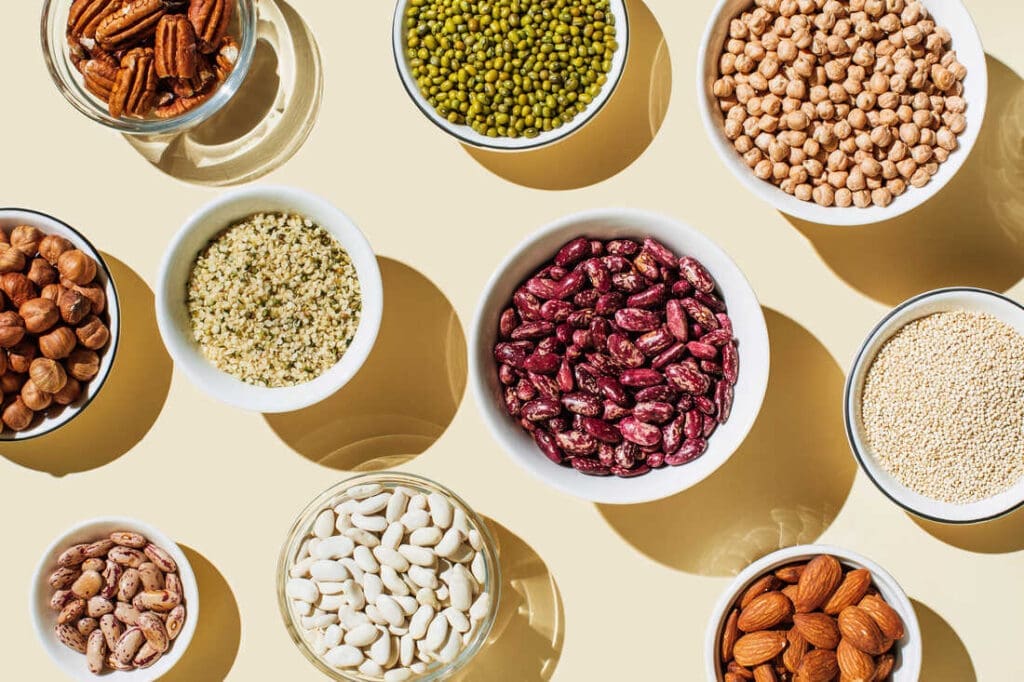
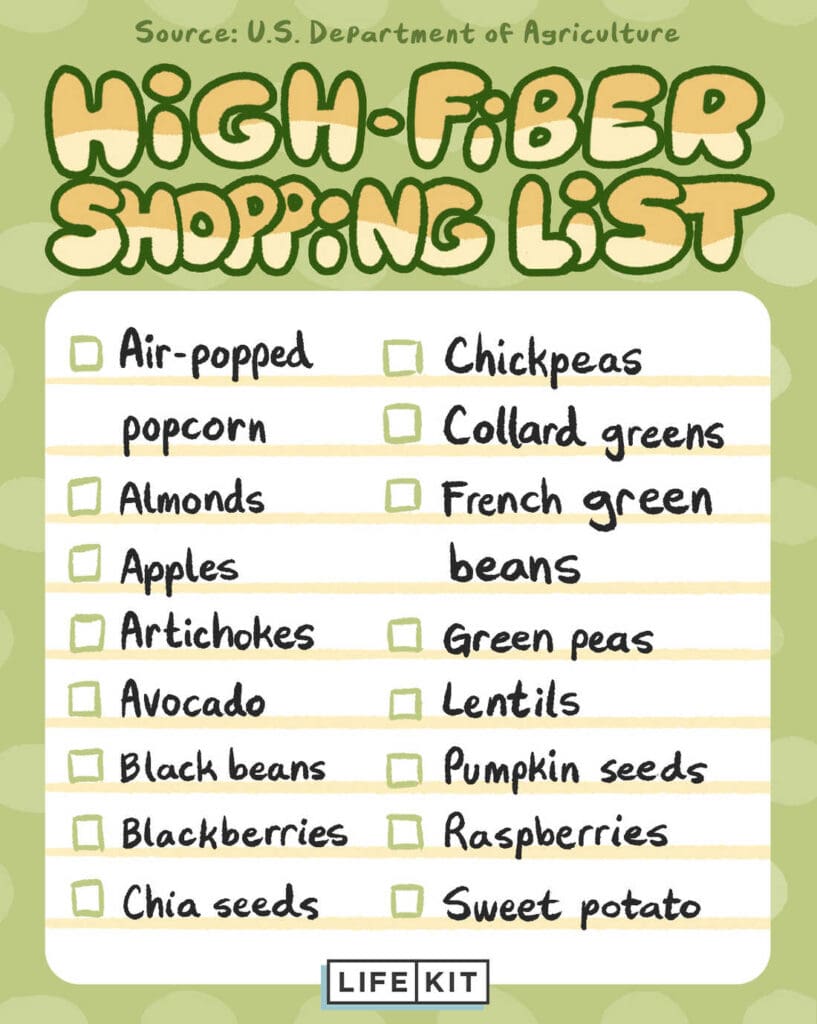
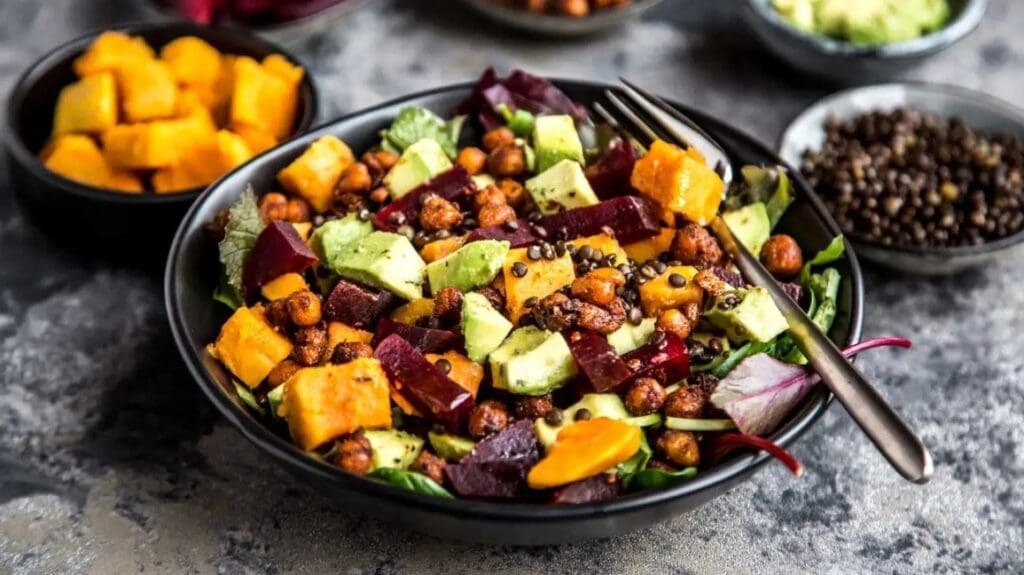
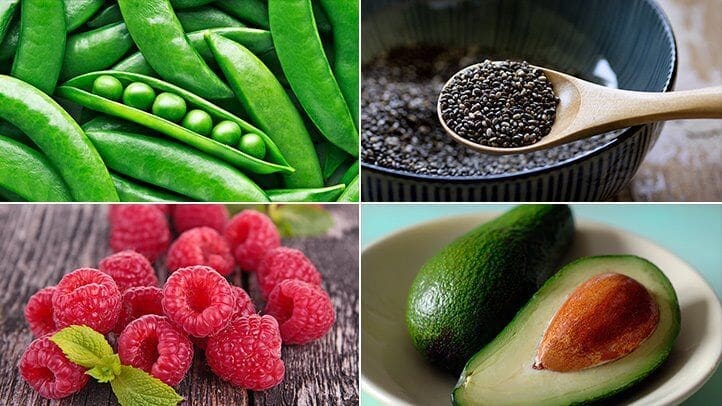
There are many delicious and nutritious fiber-rich foods that you can incorporate into your diet to help lower your cholesterol levels. Some examples of high-fiber foods include fruits such as apples, berries, and oranges, vegetables like broccoli, carrots, and sweet potatoes, whole grains such as oats, quinoa, and brown rice, legumes and beans like chickpeas, lentils, and black beans, nuts and seeds such as almonds, chia seeds, and flaxseeds, and oats in the form of oatmeal or oat bran.
Incorporating Whole Grains into Your Diet
Benefits of whole grains for cholesterol
Whole grains are an excellent source of fiber, and incorporating them into your diet can have numerous benefits for lowering cholesterol. The soluble fiber found in whole grains helps to reduce the absorption of cholesterol into your bloodstream, leading to lower cholesterol levels. Additionally, whole grains contain antioxidants and other nutrients that can help reduce inflammation and improve heart health.
Easy ways to add whole grains to your meals
Adding whole grains to your meals is easier than you might think. Start by replacing refined grains, such as white bread and white rice, with whole grain options like whole wheat bread, brown rice, and whole grain pasta. You can also experiment with ancient grains like quinoa, barley, and farro to add variety to your meals. Incorporate whole grains into your breakfast by enjoying a bowl of oatmeal or whole grain cereal topped with fresh fruits. For lunch and dinner, opt for whole grain side dishes or use whole grain wraps or pitas for sandwiches and wraps.
Delicious whole grain recipe ideas
Here are a few delicious recipe ideas that incorporate whole grains:
-
Whole Grain Salad Bowl: Combine cooked quinoa or brown rice with a variety of colorful vegetables, such as cherry tomatoes, cucumber, and bell peppers. Add some protein like grilled chicken or chickpeas and top it off with a flavorful dressing.
-
Whole Grain Stir-Fry: Cook up a batch of brown rice or whole wheat noodles and stir-fry your favorite vegetables with a lean protein like tofu or shrimp. Add some low-sodium soy sauce and a sprinkle of sesame seeds for extra flavor.
-
Whole Grain Breakfast Bowl: Start your day with a satisfying breakfast bowl made with cooked oatmeal or quinoa, toppings like nuts, seeds, and fresh fruits, and a drizzle of honey or maple syrup.
Including More Fruits and Vegetables
How fruits and vegetables aid in lowering cholesterol
Fruits and vegetables are not only rich in essential vitamins, minerals, and antioxidants but are also excellent sources of fiber. The soluble fiber found in fruits and vegetables helps to lower cholesterol levels by binding with cholesterol in the digestive system and preventing its absorption into the bloodstream. Additionally, the high water and fiber content of fruits and vegetables help to promote a feeling of fullness, which can aid in weight management and further contribute to lower cholesterol levels.
Creative ways to incorporate more fruits into your meals
Adding more fruits to your meals can be both delicious and simple. Start your day with a fruit-filled smoothie or add sliced berries or bananas to your cereal or oatmeal. For lunch, pack a variety of fresh fruits as a nutritious and refreshing side dish. Snack on fresh or dried fruits throughout the day and incorporate them into salads, stir-fries, and even desserts. Grilling fruits like peaches or pineapple can also bring out their natural sweetness and enhance their flavors.
Delicious vegetable recipes to try
Are you looking for creative ways to incorporate more vegetables into your diet? Here are a few mouthwatering recipes to try:
-
Roasted Vegetable Medley: Toss an assortment of your favorite vegetables, such as bell peppers, zucchini, and Brussels sprouts, with olive oil, garlic, and your choice of herbs or spices. Spread them out on a baking sheet and roast until tender and lightly browned.
-
Veggie-packed Pasta Sauce: Blend cooked and pureed vegetables like carrots, spinach, and mushrooms into your favorite pasta sauce for an extra boost of nutrition. Serve it over whole wheat pasta for a fiber-rich and satisfying meal.
-
Stuffed Bell Peppers: Hollow out bell peppers and fill them with a mixture of cooked quinoa, black beans, diced tomatoes, and spices. Bake until the peppers are tender and the filling is heated through, and enjoy a wholesome and flavorful meal.
Adding Legumes and Beans to Your Plate
The cholesterol-lowering benefits of legumes and beans
Legumes and beans, including chickpeas, lentils, and black beans, are nutritional powerhouses that offer numerous health benefits, including lowering cholesterol. These plant-based protein sources are rich in soluble fiber, which helps to reduce the absorption of cholesterol into the bloodstream. Additionally, legumes and beans contain plant sterols, compounds that can further help lower cholesterol levels.
Simple ways to include legumes and beans in your diet
Incorporating legumes and beans into your diet can be incredibly versatile and easy. You can use them as a main ingredient in salads, soups, and stews or as a side dish to accompany a variety of meals. Adding chickpeas to a salad, lentils to a vegetable soup, or black beans to a burrito bowl are just a few delicious ways to incorporate legumes and beans into your meals. You can also experiment with making homemade hummus or bean-based dips as a nutritious and flavorful snack.
Tasty legume and bean recipes
Looking for some tasty legume and bean recipes to try? Here are a few ideas:
-
Spicy Chickpea Curry: Sauté onions, garlic, and spices in a pan, then add cooked chickpeas and coconut milk. Simmer until the flavors blend together, and serve the curry over brown rice or with whole wheat naan bread.
-
Lentil Salad: Cooked lentils, mixed with chopped vegetables like cucumbers and tomatoes, tossed in a lemon vinaigrette, make for a refreshing and protein-packed salad. Serve it on its own or as a side dish.
-
Black Bean Tacos: Fill whole wheat tortillas with seasoned black beans, avocado, diced tomatoes, and your choice of toppings like salsa, Greek yogurt, and cilantro. These tacos are not only delicious but also a great way to enjoy the cholesterol-lowering benefits of black beans.
Exploring the Power of Nuts and Seeds
Why nuts and seeds are great for lowering cholesterol
Nuts and seeds are not only delicious and satisfying but also offer numerous health benefits, including lowering cholesterol levels. They are rich in heart-healthy fats, protein, vitamins, and minerals. The monounsaturated and polyunsaturated fats found in nuts and seeds help to increase the levels of good cholesterol (HDL) and reduce the levels of bad cholesterol (LDL) in the bloodstream. Additionally, nuts and seeds are a good source of fiber, which aids in lowering cholesterol.
Incorporating nuts and seeds as snacks or toppings
Nuts and seeds can be enjoyed as a convenient and nutritious snack on their own or incorporated into your meals as toppings. Carry a small pack of mixed nuts or seeds with you to satisfy your hunger on-the-go. You can also sprinkle them over salads, yogurt, oatmeal, or smoothie bowls for added texture and flavor. Blend nuts and seeds into homemade granola bars or use them as a crunchy coating for baked chicken or fish.
Nutritious and delicious nut and seed recipes
Here are a few nutritious and delicious recipes that highlight the goodness of nuts and seeds:
-
Trail Mix Energy Bites: Combine nuts, seeds, dried fruits, and a touch of honey or maple syrup to create energy bites that are packed with fiber, protein, and healthy fats. Pop them in your mouth for a tasty and satisfying snack.
-
Crunchy Seed-Coated Chicken: Crush a mixture of seeds like flaxseeds, sesame seeds, and chia seeds, and use it to coat chicken breasts or tenders. Bake or pan-fry until golden and crispy for a nutritious and flavorful main dish.
-
Nutty Granola Parfait: Layer Greek yogurt, fresh fruits, and a homemade granola made with oats, nuts, and seeds for a nutritious and filling breakfast or snack option.
Discovering the Benefits of Oats
How oats can help lower your cholesterol levels
Oats are a staple in a heart-healthy diet due to their ability to lower cholesterol levels. They are rich in beta-glucan, a type of soluble fiber that forms a gel-like substance in your digestive system and helps to reduce the absorption of cholesterol into the bloodstream. Regular consumption of oats has been shown to decrease LDL cholesterol levels and improve heart health.
Easy ways to enjoy oats in your daily diet
Incorporating oats into your daily diet is easy and delicious. Start your morning with a warm bowl of oatmeal topped with fresh fruits and a sprinkle of nuts or seeds. You can also add oats to smoothies for added texture and fiber or use them as a flour substitute in recipes like pancakes, muffins, and cookies. Overnight oats are another popular option, where you soak oats in milk or yogurt overnight and top them with your choice of fruits and nuts for a quick and convenient breakfast.
Irresistible oat-based recipes
Here are a few irresistible recipes that showcase the versatility of oats:
-
Baked Oatmeal Cups: Mix oats, milk, eggs, and your favorite flavors like cinnamon, vanilla, or berries. Pour the mixture into muffin tins and bake until set for a portable and nutritious breakfast or snack option.
-
Oat Pancakes: Replace traditional pancake mix with a blend of oats, mashed bananas, milk, and a touch of honey or maple syrup. Cook the batter on a griddle until golden and serve with fresh fruits and a dollop of Greek yogurt.
-
Oatmeal Energy Balls: Combine oats, nut butter, honey, and add-ins like dried fruits, chocolate chips, or coconut flakes. Roll the mixture into bite-sized balls, refrigerate until firm, and enjoy as a quick and energy-boosting snack.
Including Fiber-rich Foods in Your Breakfast
Breakfast options high in fiber
Starting your day with a fiber-rich breakfast can help you maintain a healthy cholesterol level and keep you feeling fuller for longer. Some breakfast options high in fiber include oatmeal topped with fresh fruits and nuts, whole grain toast with avocado and a side of berries, Greek yogurt with chia seeds and mixed berries, or a vegetable-packed omelet served with whole grain bread.
Quick and easy breakfast recipes
Here are a few quick and easy breakfast recipes that are packed with fiber:
-
Avocado Toast with Poached Egg: Toast a slice of whole grain bread and top it with mashed avocado, a poached egg, and a sprinkle of salt and pepper. This simple and nutritious breakfast is loaded with fiber, healthy fats, and protein.
-
Mixed Berry and Chia Seed Smoothie: Blend mixed berries, Greek yogurt, a tablespoon of chia seeds, and a splash of almond milk until smooth. This fiber-rich smoothie is not only refreshing but also a great way to kick-start your day.
-
Veggie Scramble: Whisk together eggs or egg whites with a variety of colorful vegetables like spinach, bell peppers, and mushrooms. Cook the mixture in a non-stick pan until set. Serve with a slice of whole grain toast for a balanced and filling breakfast.
Snacking on Fiber-rich Options
Fiber-rich snacks for on-the-go
Snacking on fiber-rich foods can help keep you satisfied between meals and contribute to a healthy cholesterol level. When you’re on-the-go, opt for easy and portable snacks like fresh fruits, trail mix made with nuts, seeds, and dried fruits, Greek yogurt with mixed nuts, or homemade energy bars packed with oats and dried fruits. These snacks provide a tasty and convenient way to increase your fiber intake.
Homemade snack ideas
If you prefer homemade snacks, here are a few ideas:
-
Roasted Chickpeas: Drain and rinse a can of chickpeas, toss them with olive oil and your choice of spices, and roast in the oven until crispy. These crunchy and flavorful chickpeas make a satisfying and fiber-filled snack.
-
Veggie Sticks with Hummus: Cut up your favorite vegetables like carrots, cucumber, and bell peppers into sticks and serve with homemade hummus. This snack is not only delicious but also a great way to meet your daily fiber needs.
-
Homemade Granola Bars: Make your own granola bars by mixing oats, nuts, seeds, dried fruits, and a binder like honey or nut butter. Press the mixture into a pan, refrigerate until firm, and cut into bars for a wholesome and filling snack.
Staying Hydrated with Fiber-packed Beverages
Beverage choices to increase your fiber intake
When it comes to staying hydrated while increasing your fiber intake, there are some beverage choices that can contribute to your overall fiber intake. Opt for drinks like freshly squeezed fruit juices with pulp, vegetable juices, smoothies made with fiber-rich ingredients like fruits, vegetables, and chia seeds, or herbal teas that are known for their fiber content, such as dandelion root or ginger tea.
Refreshing drink recipes with fiber-rich ingredients
Here are a few refreshing drink recipes that are packed with fiber:
-
Green Smoothie: Blend together spinach, banana, pineapple, almond milk, and a tablespoon of chia seeds for a refreshing and fiber-rich smoothie.
-
Berry-Lemon Chia Fresca: In a jar, combine freshly squeezed lemon juice, mixed berries, chia seeds, and water. Let it sit for a few minutes until the chia seeds plump up. This drink is not only thirst-quenching but also loaded with fiber and antioxidants.
-
Ginger and Turmeric Infused Water: Fill a pitcher with water and add sliced ginger and turmeric root. Let it infuse overnight in the refrigerator. This infused water not only provides a refreshing flavor but also offers anti-inflammatory properties and a small amount of fiber.
Incorporating fiber-rich foods into your diet is essential for maintaining a healthy cholesterol level and promoting overall heart health. With a wide variety of options, from whole grains and fruits to vegetables and legumes, there are numerous ways to enjoy these nutrient-packed foods in your everyday meals. Whether you choose to start your day with a fiber-filled breakfast or snack on fiber-rich options throughout the day, incorporating these foods into your diet is a delicious and straightforward way to take care of your heart and overall well-being.