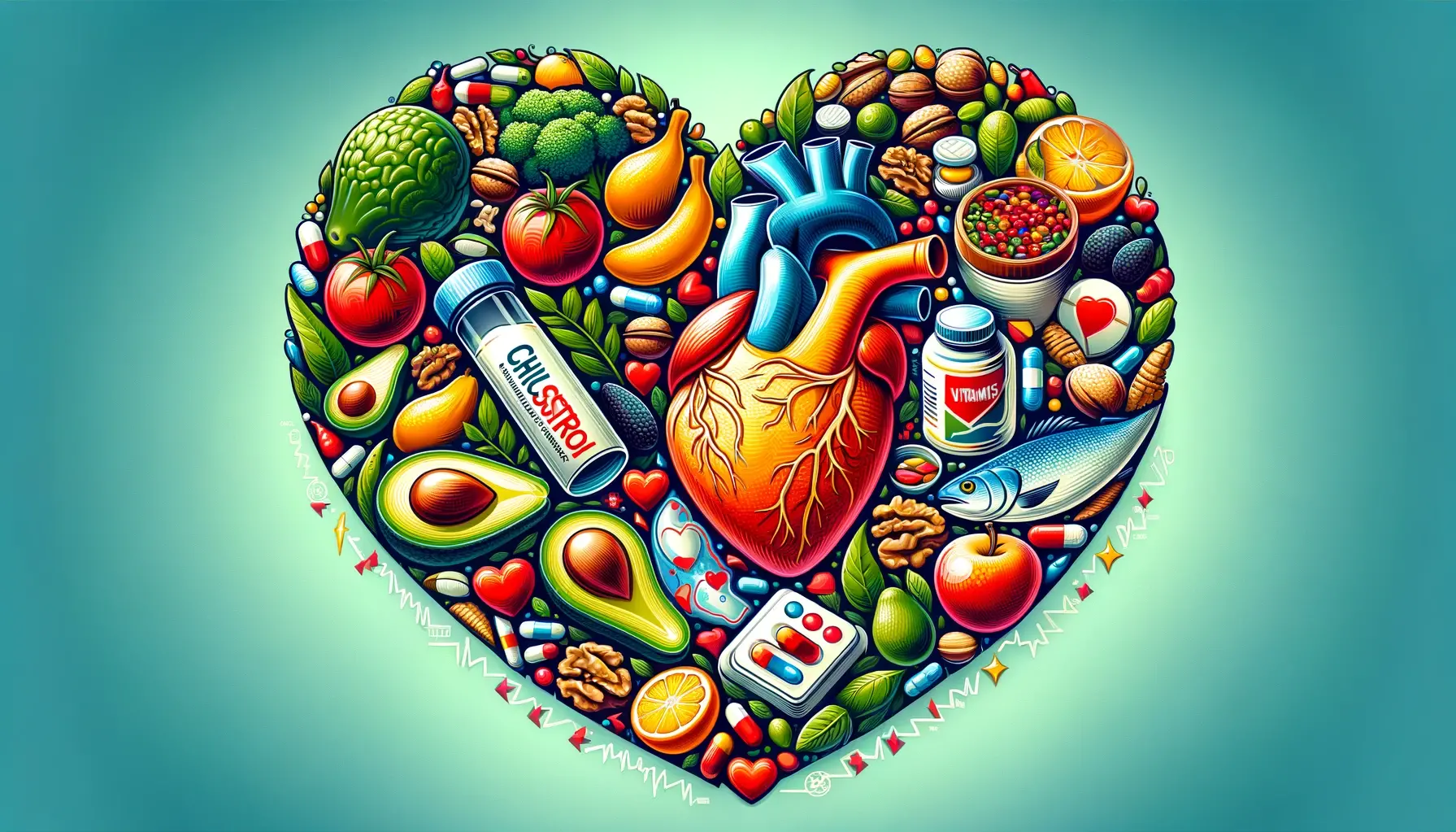

Whether you’ve been told by your doctor to watch your cholesterol levels or you simply want to take proactive steps towards maintaining optimal health, incorporating cholesterol-lowering vitamins into your diet is a smart and effective strategy. By making small changes to your daily food choices, you can naturally improve your cholesterol levels and promote overall well-being. In this article, we will explore the importance of maintaining a well-balanced diet, discuss the role of cholesterol-lowering vitamins, and provide practical tips on how to incorporate these vitamins into your meals without sacrificing taste or satisfaction. So, let’s embark on this journey towards vibrant health together!

Understanding Cholesterol
Cholesterol is a type of fat that is essential for our bodies to function properly. It plays a crucial role in building cell membranes, producing hormones, and digesting certain nutrients. While cholesterol is necessary for good health, having high levels of cholesterol can increase the risk of heart disease. Therefore, it is important to understand the different types of cholesterol and the effects of high cholesterol levels on our overall health. By maintaining healthy cholesterol levels, we can ensure the proper functioning of our bodies and reduce the risk of cardiovascular diseases.
Types of Cholesterol
There are two main types of cholesterol: low-density lipoprotein (LDL) cholesterol and high-density lipoprotein (HDL) cholesterol. LDL cholesterol is often referred to as “bad” cholesterol because it can build up in the walls of arteries and form plaques, leading to narrowed and hardened arteries. On the other hand, HDL cholesterol is known as “good” cholesterol because it helps remove LDL cholesterol from the bloodstream, reducing the risk of plaque buildup.
Effects of High Cholesterol Levels
Having high cholesterol levels can have serious consequences for our health. It can increase the risk of developing atherosclerosis, a condition in which the arteries become narrowed and hardened due to plaque buildup. This can lead to various cardiovascular problems, such as coronary artery disease, heart attack, and stroke. High cholesterol levels can also contribute to the formation of blood clots, which can obstruct blood flow and cause serious complications. Therefore, it is crucial to keep our cholesterol levels within a healthy range to maintain optimal health.
The Importance of Maintaining Healthy Cholesterol Levels
Maintaining healthy cholesterol levels is essential for our overall well-being. By keeping LDL cholesterol levels low and HDL cholesterol levels high, we can reduce the risk of developing heart disease and other cardiovascular problems. Furthermore, maintaining healthy cholesterol levels can improve our energy levels, promote proper digestion, and support the functioning of various organs in our bodies. By adopting a balanced diet and making healthier lifestyle choices, we can effectively manage our cholesterol levels and enjoy a higher quality of life.
The Role of Vitamins in Lowering Cholesterol
Vitamins play a crucial role in our overall health, and some of them have been found to have cholesterol-lowering properties. By incorporating specific vitamins into our diet, we can effectively reduce LDL cholesterol levels and increase HDL cholesterol levels. Let’s explore some of the key vitamins that have been linked to cholesterol management.
Vitamin B3 (Niacin)
Vitamin B3, also known as niacin, has been shown to improve cholesterol levels by lowering LDL cholesterol and triglycerides while increasing HDL cholesterol. Niacin works by inhibiting the liver’s production of LDL cholesterol and enhancing its ability to remove LDL cholesterol from the bloodstream. It is available in both food sources and supplements, making it a convenient option for cholesterol management.
Vitamin C
Vitamin C is a powerful antioxidant that plays a crucial role in supporting cardiovascular health. While its direct impact on cholesterol levels might be modest, vitamin C has been linked to lower LDL cholesterol levels and improved endothelial function, which is important for blood vessel health. By incorporating foods rich in vitamin C into our diet, such as citrus fruits, berries, and leafy greens, we can support our cholesterol health.
Vitamin E
Another vitamin with potential cholesterol-lowering benefits is vitamin E. Vitamin E is a fat-soluble antioxidant that helps prevent the oxidation of LDL cholesterol, which is a key step in the formation of artery-clogging plaques. By including foods rich in vitamin E, such as nuts, seeds, and vegetable oils, in our diet, we can support our cardiovascular health and lower the risk of developing heart disease.
Vitamin D
Vitamin D is well-known for its role in maintaining strong bones and supporting immune function, but it may also have an impact on cholesterol levels. Research suggests that vitamin D can help regulate cholesterol metabolism, leading to improved LDL cholesterol levels. While our body can produce vitamin D when exposed to sunlight, it can also be obtained through dietary sources like fatty fish, fortified dairy products, and supplements.

Incorporating Vitamin B3 (Niacin) into Your Diet
If you’re looking to incorporate vitamin B3, or niacin, into your diet to support your cholesterol health, it’s important to choose foods that are rich in this essential nutrient. Niacin can be found in both animal and plant-based sources, providing various options for different dietary choices.
Food Sources of Niacin
Animal sources of niacin include meat, poultry, fish, and eggs. These foods contain a significant amount of niacin and can be easily incorporated into your meals. Plant-based sources of niacin include whole grains, legumes, nuts, and seeds. Incorporating these foods into your diet can provide you with the necessary amount of niacin to support healthy cholesterol levels.
Recommended Daily Intake
The recommended daily intake of niacin varies depending on age, gender, and individual health conditions. The general recommendation for adult men is around 16 milligrams per day, while adult women require approximately 14 milligrams. However, it is always advisable to consult with a healthcare professional to determine your specific niacin requirements based on your individual circumstances.
Considerations and Precautions
While niacin can be beneficial for cholesterol management, it is important to be cautious when considering niacin supplementation. High doses of niacin can cause side effects such as flushing, itching, and liver damage. Therefore, it is important to follow the recommended daily intake and consult with a healthcare professional before starting any supplementation regimen.