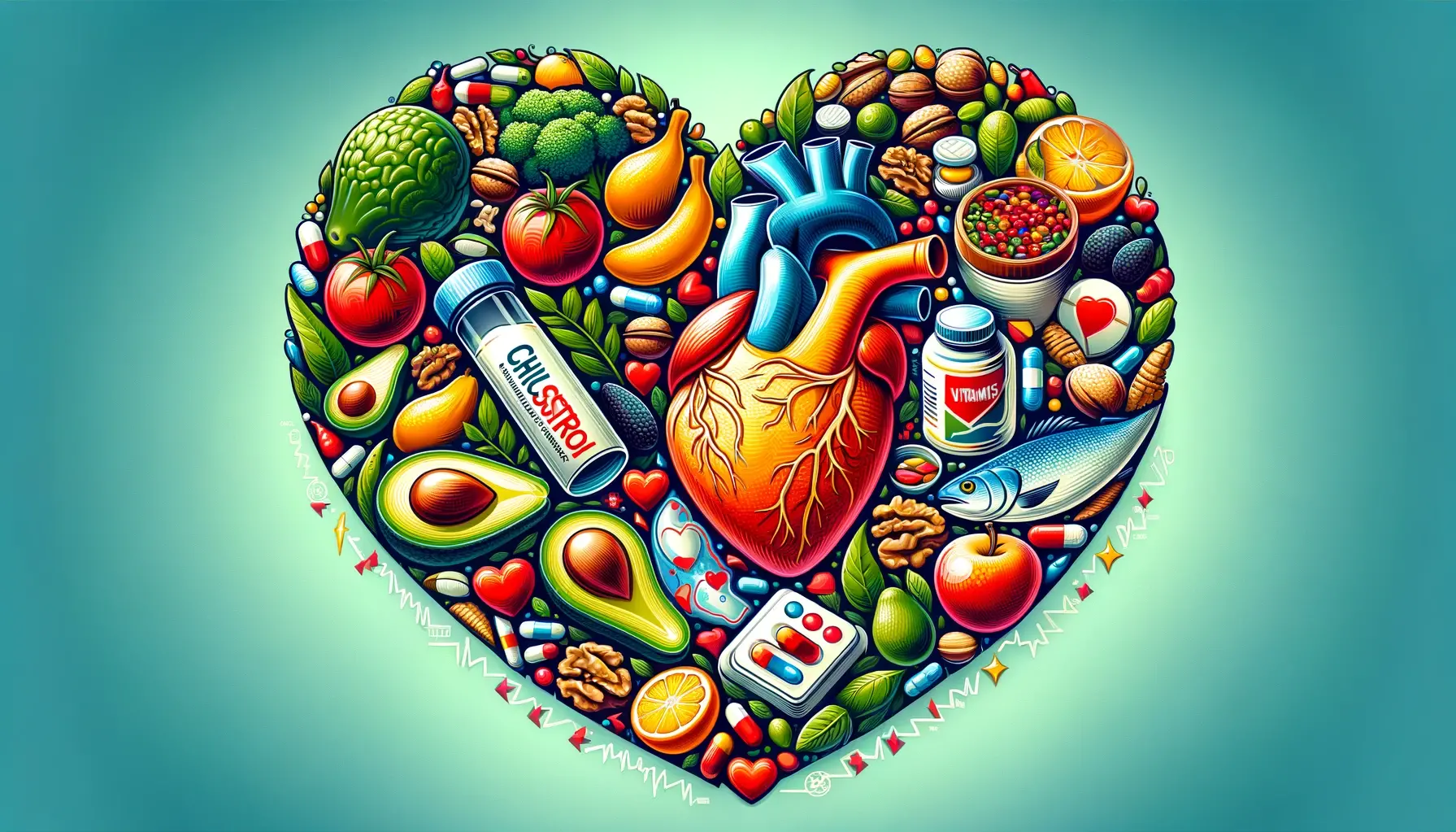
In the quest for a healthy heart, the role of cholesterol-lowering vitamins and foods cannot be ignored. This article will explore the fascinating world of synergies and interactions between these essential nutrients. Discover how certain vitamins can enhance the effects of cholesterol-lowering foods, providing you with the tools to optimize your cardiovascular health. From the science behind these interactions to practical tips on incorporating these vitamins and foods into your daily routine, this article will be your friendly guide in navigating the realm of cholesterol management. So, let’s embark on this journey together, unraveling the secrets to a healthier heart!
Understanding Cholesterol
What is cholesterol?
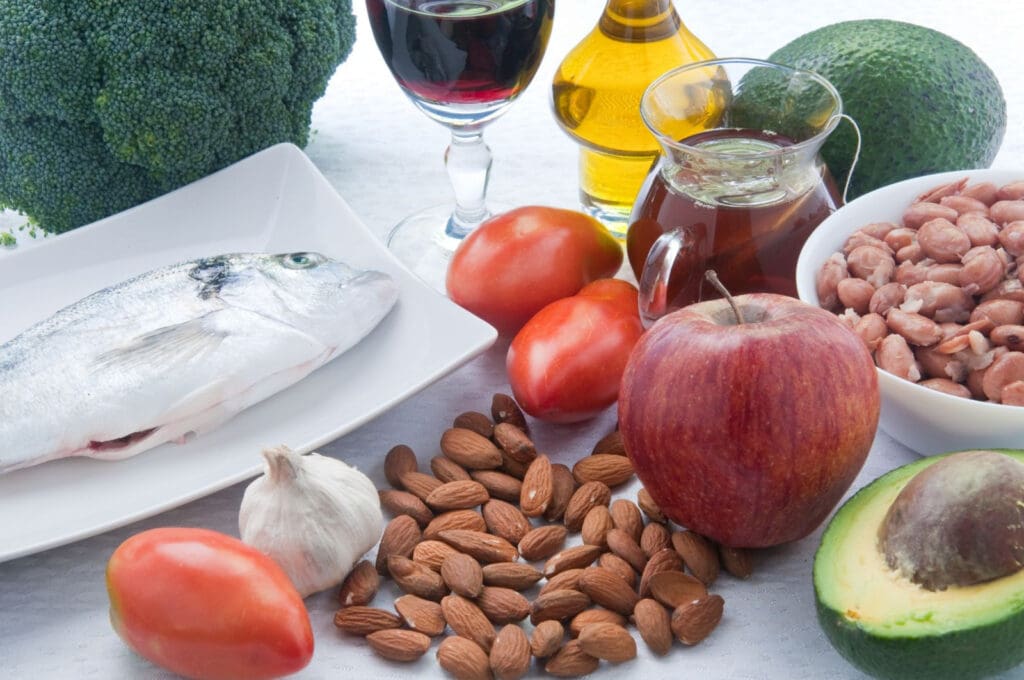
Cholesterol is a waxy substance that is naturally produced by the liver and is also found in certain foods. It is an essential component of our body’s cells and is required for the production of hormones, vitamin D, and bile acids. However, having high levels of cholesterol in the blood can increase the risk of heart disease and stroke.
Types of cholesterol
There are two main types of cholesterol: low-density lipoprotein (LDL) cholesterol and high-density lipoprotein (HDL) cholesterol. LDL cholesterol is often referred to as “bad” cholesterol because it can build up in the walls of the arteries, leading to the formation of plaque. On the other hand, HDL cholesterol is known as “good” cholesterol because it helps remove LDL cholesterol from the bloodstream, reducing the risk of heart disease.
The role of cholesterol in the body
Cholesterol plays a vital role in the body, serving as a structural component of cell membranes and helping to regulate various functions. It is used to produce hormones like estrogen and testosterone, which are necessary for reproductive health. Cholesterol is also involved in the synthesis of vitamin D, a crucial nutrient that supports bone health and immune function. Additionally, cholesterol is necessary for the digestion and absorption of dietary fats, as it helps in the production of bile acids.
Why high cholesterol is a concern
When the levels of LDL cholesterol in the blood are too high, it can lead to the accumulation of plaque in the arteries, a condition known as atherosclerosis. This buildup restricts the flow of blood and oxygen to the heart, increasing the risk of heart disease, heart attack, and stroke. High cholesterol can also lead to the formation of blood clots, which can further block blood flow and cause serious complications. Managing cholesterol levels is crucial to ensure overall cardiovascular health and reduce the risk of these potentially life-threatening conditions.
Cholesterol-lowering Vitamins
Vitamin B
Vitamin B, specifically vitamins B6, B9 (folate), and B12, has been associated with cholesterol-lowering effects. These vitamins play a crucial role in the metabolism of homocysteine, an amino acid that, when elevated, can increase the risk of cardiovascular disease. Vitamin B6 helps convert homocysteine into other substances, decreasing its levels in the blood. Vitamin B9 and B12 also contribute to this process by aiding in the breakdown of homocysteine. By reducing homocysteine levels, vitamin B can help lower the risk of heart disease.
Vitamin C
Vitamin C is well-known for its immune-boosting properties, but it may also have a role in cholesterol management. Research suggests that vitamin C may help lower LDL cholesterol levels and increase HDL cholesterol levels. As an antioxidant, vitamin C prevents the oxidation of LDL cholesterol, which is a crucial step in the formation of plaque in the arteries. By reducing LDL oxidation, vitamin C may have a protective effect against atherosclerosis and cardiovascular disease.
Vitamin E
Vitamin E is another antioxidant vitamin that has been studied for its potential cholesterol-lowering effects. It is believed that vitamin E helps prevent the oxidation of LDL cholesterol, which is a key step in the development of atherosclerosis. By inhibiting LDL oxidation, vitamin E may help reduce the risk of plaque formation and improve overall cardiovascular health. However, more research is needed to fully understand the effects of vitamin E on cholesterol levels.
Benefits of cholesterol-lowering vitamins
Cholesterol-lowering vitamins, namely B vitamins, vitamin C, and vitamin E, offer numerous health benefits beyond their ability to reduce cholesterol levels. Vitamin B, for example, plays a vital role in maintaining a healthy nervous system, promoting a good mood, and supporting brain function. Vitamin C is known for its immune-boosting properties and its role in collagen production, while vitamin E acts as an antioxidant and helps protect cells from oxidative damage. Incorporating cholesterol-lowering vitamins into your diet can not only support cardiovascular health but also contribute to overall well-being.
Food sources for cholesterol-lowering vitamins
Including a variety of vitamin-rich foods in your diet is a great way to naturally boost your intake of cholesterol-lowering vitamins. Foods rich in vitamin B include whole grains, legumes, leafy greens, and fortified cereals. Citrus fruits, strawberries, bell peppers, and broccoli are excellent sources of vitamin C. Nuts and seeds, such as almonds, sunflower seeds, and hazelnuts, are high in vitamin E.
Cholesterol-lowering Foods
Fiber-rich foods
Fiber is an essential nutrient that can help lower cholesterol levels by binding to cholesterol in the digestive system and preventing its absorption into the bloodstream. Soluble fiber, in particular, has been shown to effectively lower LDL cholesterol levels. Foods high in soluble fiber include oats, barley, legumes, fruits, and vegetables. By incorporating these fiber-rich foods into your diet, you can promote healthy cholesterol levels and support overall heart health.
Plant sterols and stanols
Plant sterols and stanols are natural compounds that have a similar structure to cholesterol and can help lower LDL cholesterol levels. These compounds work by blocking the absorption of dietary cholesterol in the intestines. You can find plant sterols and stanols in foods like vegetable oils (such as soybean, canola, and olive oil), nuts, seeds, and whole grains. Consuming these foods regularly can be a beneficial addition to a cholesterol-lowering diet.
Healthy fats
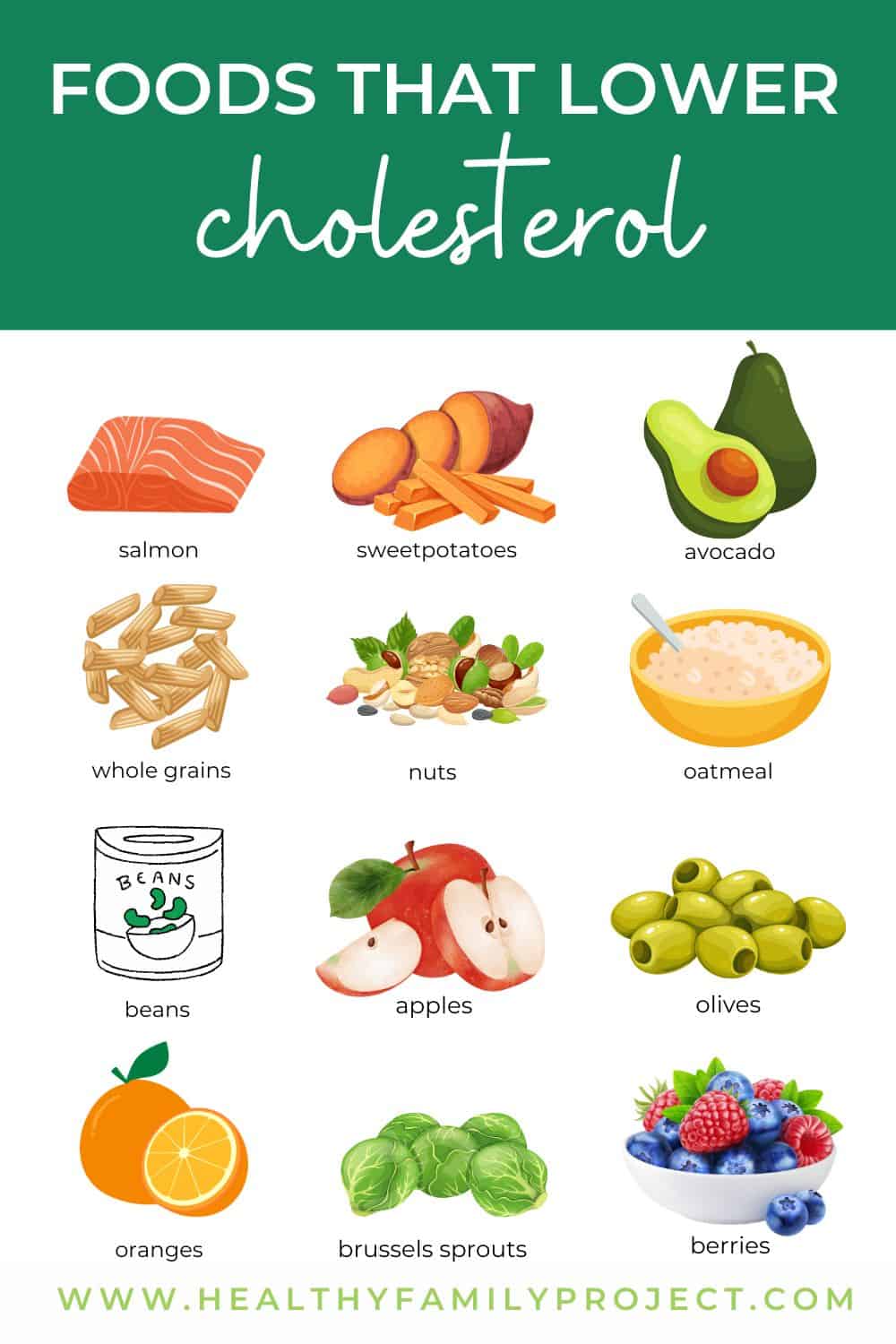
While it may seem counterintuitive, incorporating healthy fats into your diet can actually help lower cholesterol levels. Monounsaturated fats, found in foods such as avocados, nuts, and olive oil, can help increase HDL cholesterol and reduce LDL cholesterol. Similarly, omega-3 fatty acids, found in fatty fish (such as salmon and mackerel), walnuts, and flaxseeds, have been shown to have favorable effects on cholesterol levels. Choosing these healthy fats over saturated and trans fats can be a valuable step in managing cholesterol.
Antioxidant-rich foods
Antioxidants are compounds that can help prevent oxidative damage to cells, including the oxidation of LDL cholesterol. Incorporating antioxidant-rich foods into your diet can have a positive impact on cholesterol levels and overall cardiovascular health. Berries, dark chocolate, green tea, spinach, and tomatoes are examples of foods that are rich in antioxidants and can be enjoyed as part of a cholesterol-lowering diet.
Recommended cholesterol-lowering foods
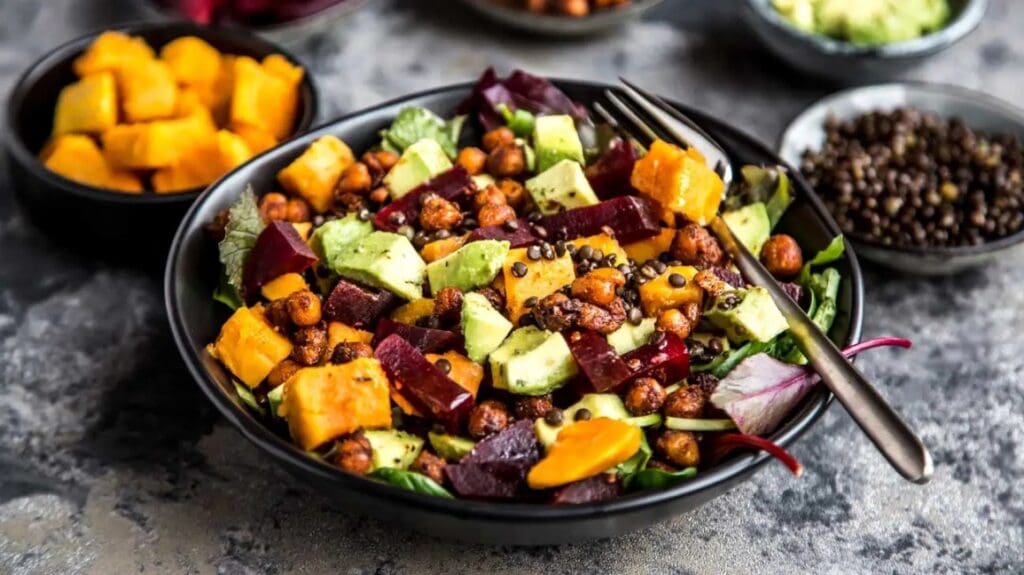
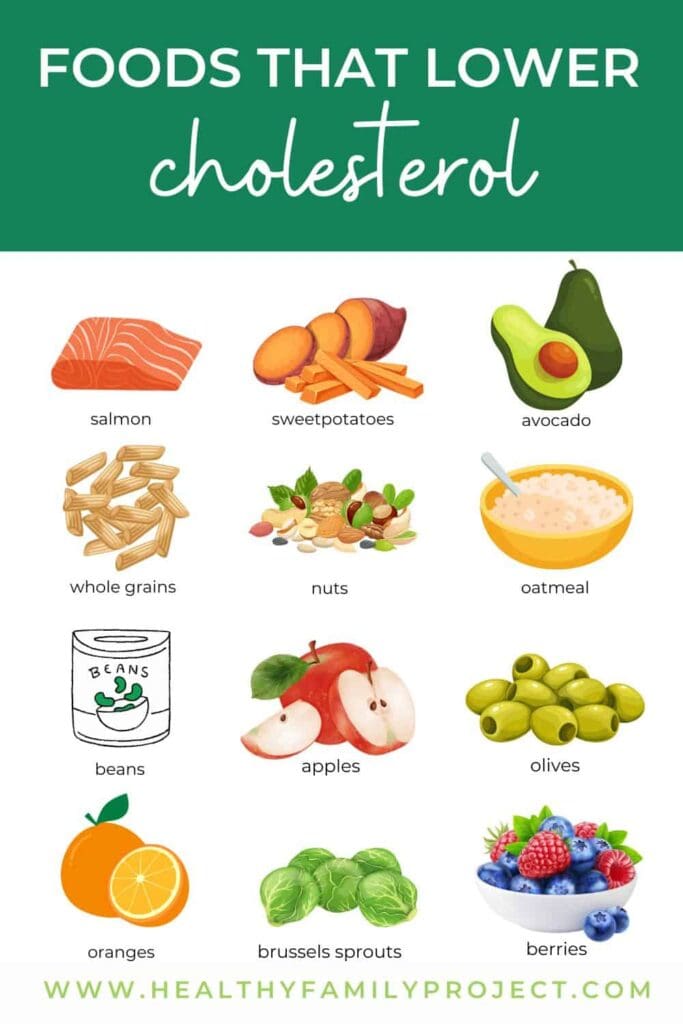
Based on the available research, the following foods are recommended as part of a cholesterol-lowering diet:
- Whole grains: oats, barley, quinoa
- Legumes: beans, lentils, chickpeas
- Fruits: apples, oranges, berries
- Vegetables: broccoli, spinach, kale
- Healthy fats: avocados, nuts (almonds, walnuts), olive oil
- Fatty fish: salmon, mackerel, trout
- Nuts and seeds: almonds, flaxseeds, chia seeds
- Plant sterol-enriched foods: fortified margarine, orange juice
Incorporating these cholesterol-lowering foods into your diet can help optimize your cholesterol levels and contribute to overall cardiovascular health.
Synergies between Cholesterol-lowering Vitamins and Foods
How vitamins and foods work together
When it comes to cholesterol management, vitamins and foods can work together synergistically to achieve better results. The cholesterol-lowering vitamins discussed earlier, such as B vitamins, vitamin C, and vitamin E, can enhance the effects of cholesterol-lowering foods by providing additional support to the body’s natural mechanisms of cholesterol regulation. By combining cholesterol-lowering vitamins with a diet rich in fiber, plant sterols, healthy fats, and antioxidants, you can maximize the benefits for your cardiovascular health.
Enhancing the effectiveness of each other
Cholesterol-lowering vitamins can enhance the effectiveness of cholesterol-lowering foods by complementing their actions. For example, vitamin C’s antioxidant properties can help prevent the oxidation of LDL cholesterol, while dietary fiber can bind to cholesterol in the digestive system and promote its elimination. By incorporating both vitamin C and fiber-rich foods into your diet, you can amplify their individual effects and improve cholesterol management.
Combined benefits of vitamins and foods
By combining cholesterol-lowering vitamins and foods in your diet, you can experience the combined benefits of these natural approaches to cholesterol management. The vitamins help support the body’s natural processes of cholesterol regulation, while the foods provide the necessary nutrients and compounds to lower cholesterol levels. This comprehensive approach can have a more significant impact on your cardiovascular health, reducing the risk of heart disease and improving overall well-being.
Interactions between Cholesterol-lowering Vitamins and Foods
Potential interactions to be aware of
While cholesterol-lowering vitamins and foods can work together synergistically, there are also potential interactions that need to be considered. Certain medications, for example, may interact with cholesterol-lowering vitamins or foods, affecting their effectiveness or increasing the risk of side effects. It is essential to be aware of these potential interactions and consult a healthcare professional if you have any concerns.
Tips for optimizing vitamin and food interactions
To optimize the interactions between cholesterol-lowering vitamins and foods, it is important to consume them in appropriate doses and combinations. Pay attention to the recommended daily intakes for each vitamin and ensure that you are getting them from a variety of food sources. Additionally, spacing out the intake of vitamins and foods throughout the day may help maximize their benefits.
Consulting a healthcare professional
If you have specific health concerns, are taking medications, or are unsure about incorporating cholesterol-lowering vitamins and foods into your diet, it is always best to consult a healthcare professional. They can provide personalized guidance, taking into account your unique health situation and any potential interactions that may arise.
Scientific Studies on the Synergies and Interactions
Overview of relevant studies
Numerous scientific studies have investigated the synergies and interactions between cholesterol-lowering vitamins and foods. These studies have provided valuable insights into the effects of vitamins and foods on cholesterol levels, as well as their combined benefits in preventing heart disease and stroke.
Findings on vitamin and food synergies
Research has shown that combining cholesterol-lowering vitamins, such as B vitamins, vitamin C, and vitamin E, with a diet rich in fiber, plant sterols, healthy fats, and antioxidants can lead to more significant reductions in LDL cholesterol and improvements in overall lipid profiles. The synergistic effects of vitamins and foods can help optimize cholesterol levels and support cardiovascular health.
Findings on vitamin and food interactions
Some studies have explored potential interactions between cholesterol-lowering vitamins and medications. For example, vitamin E supplements could enhance the anticoagulant effects of certain blood-thinning medications, increasing the risk of bleeding. It is crucial to be aware of these interactions and consult with a healthcare professional if you are taking any medications.
Implications for cholesterol management
The findings from scientific studies on the synergies and interactions between cholesterol-lowering vitamins and foods have important implications for cholesterol management. Incorporating a variety of cholesterol-lowering vitamins and foods into your diet can have a positive impact on cholesterol levels, reduce the risk of heart disease, and support overall cardiovascular health.
Recommendations for Incorporating Cholesterol-lowering Vitamins and Foods
Balancing vitamin and food intake
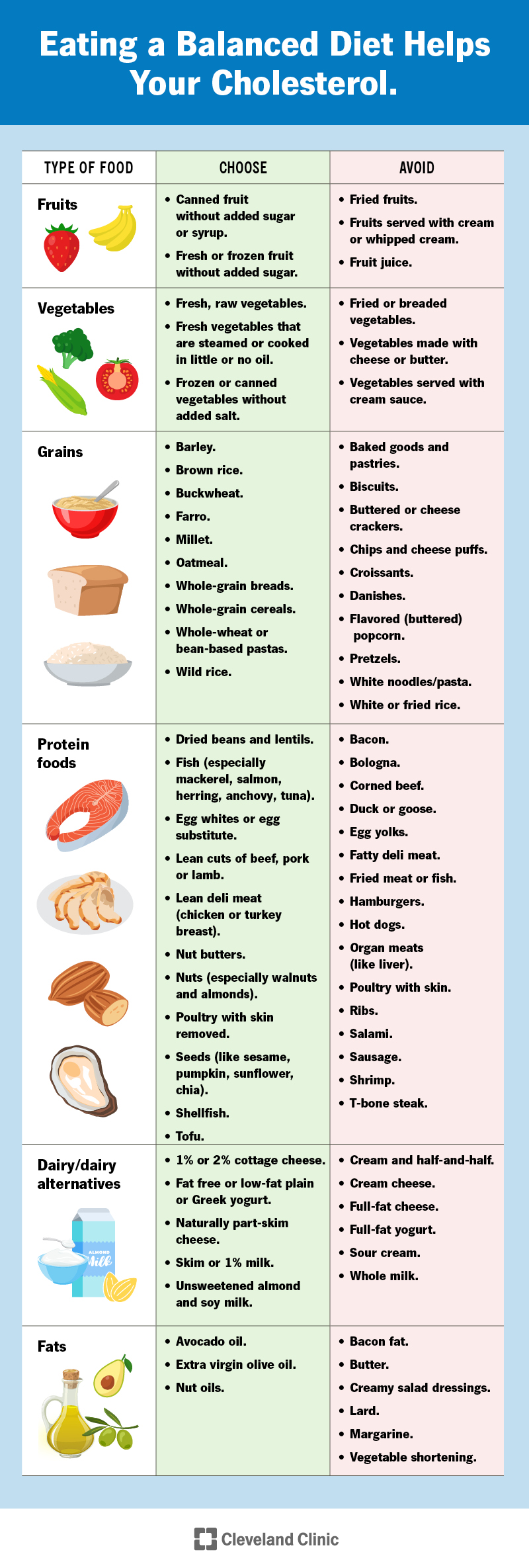
To achieve the optimal balance of cholesterol-lowering vitamins and foods, it is important to focus on a varied and balanced diet. Incorporate a wide range of fruits, vegetables, whole grains, legumes, healthy fats, and lean proteins to ensure you are getting a diverse array of nutrients. Additionally, consider including a variety of vitamin-rich foods and, if necessary, consult with a healthcare professional to determine if supplementation is appropriate.
Designing a cholesterol-lowering diet plan
Designing a cholesterol-lowering diet plan involves incorporating cholesterol-lowering vitamins and foods into your daily meals and snacks. Aim to include sources of vitamin B, vitamin C, and vitamin E throughout the day, such as whole grains, fruits, vegetables, nuts, and seeds. Combine these vitamins with fiber-rich foods, plant sterols, healthy fats, and antioxidant-rich foods to enhance their cholesterol-lowering effects.
Considerations for supplementation
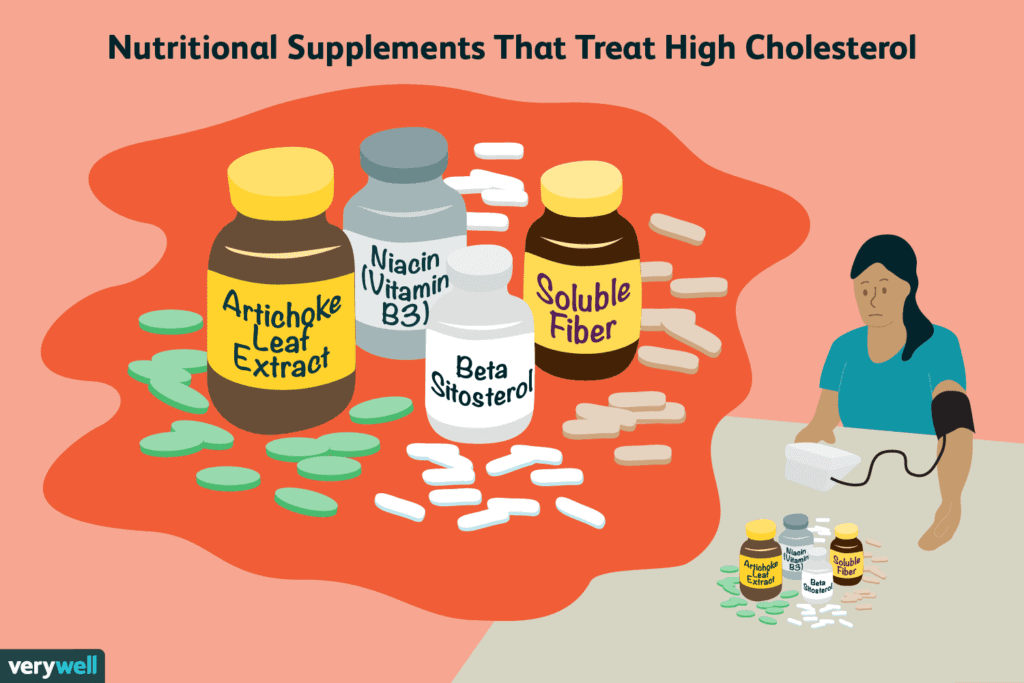
While it is generally best to obtain nutrients from food sources, in some cases, supplementation may be necessary to achieve optimal intake of cholesterol-lowering vitamins. If you have specific dietary restrictions or medical conditions that limit your ability to consume certain foods, supplements can help fill the gaps. However, it is important to consult with a healthcare professional before starting any new supplements to ensure they are appropriate for you.
Monitoring and evaluating effectiveness
Once you have incorporated cholesterol-lowering vitamins and foods into your diet, it is essential to monitor and evaluate their effectiveness. Regularly check your cholesterol levels through blood tests and pay attention to any changes in your overall cardiovascular health. It may take time to see noticeable improvements, so be patient and consistent with your dietary changes. If needed, make adjustments to your diet or consult with a healthcare professional for further guidance.
Potential Risks and Side Effects
Understanding potential risks
While cholesterol-lowering vitamins and foods are generally safe for most individuals, there are potential risks and considerations to be aware of. For example, consuming excessive amounts of certain vitamins, such as vitamin E, can lead to adverse effects. Additionally, certain cholesterol-lowering foods, like nuts and avocados, are high in calories and should be consumed in moderation, especially if you are watching your weight.
Possible side effects of excessive intake
Excessive intake of certain cholesterol-lowering vitamins, especially through supplementation, can lead to side effects. For example, high doses of vitamin C can cause digestive issues, such as diarrhea and stomach cramps. Similarly, excessive intake of vitamin E can increase the risk of bleeding and impact blood clotting. It is crucial to follow recommended daily intakes and seek guidance from a healthcare professional if you have concerns about excessive intake.
Precautions and warnings
While cholesterol-lowering vitamins and foods offer numerous health benefits, it is important to exercise caution and consider any precautions or warnings associated with specific vitamins or foods. For example, pregnant women should avoid excessive vitamin A intake, as it can be harmful to the fetus. Individuals with certain medical conditions, such as kidney disease or liver disease, may need to limit their intake of specific cholesterol-lowering foods or vitamins. Always consult with a healthcare professional if you have any concerns or specific health conditions.
Impact on medication effectiveness
Cholesterol-lowering vitamins and foods can potentially interact with certain medications, affecting their effectiveness or increasing the risk of side effects. For example, vitamin E supplements can enhance the effects of blood-thinning medications, increasing the risk of bleeding. It is crucial to inform your healthcare provider about any supplements or dietary changes you are making to ensure their compatibility with your current medications.
Conclusions
Key takeaways
Understanding cholesterol and its impact on health is essential for managing cholesterol levels effectively. Cholesterol-lowering vitamins, such as B vitamins, vitamin C, and vitamin E, offer additional support to the body’s natural mechanisms of cholesterol regulation. By incorporating these vitamins into your diet and combining them with cholesterol-lowering foods, such as those rich in fiber, plant sterols, healthy fats, and antioxidants, you can enhance their cholesterol-lowering effects and promote overall cardiovascular health.
Importance of a holistic approach
Managing cholesterol levels requires a holistic approach that encompasses both dietary choices and supplementation, if necessary. Incorporating a varied and balanced diet that includes cholesterol-lowering vitamins and foods is crucial for optimal cholesterol management. Furthermore, considering potential interactions and monitoring cholesterol levels through regular tests are important steps in safeguarding cardiovascular health.
Future directions for research
While scientific research has provided valuable insights into the synergies and interactions between cholesterol-lowering vitamins and foods, there is still much to explore. Future research could focus on understanding the mechanisms of action behind these effects and identifying potential new approaches to cholesterol management. Additionally, more studies are needed to determine the long-term effects and optimal dosages of cholesterol-lowering vitamins and foods for different individuals and populations.