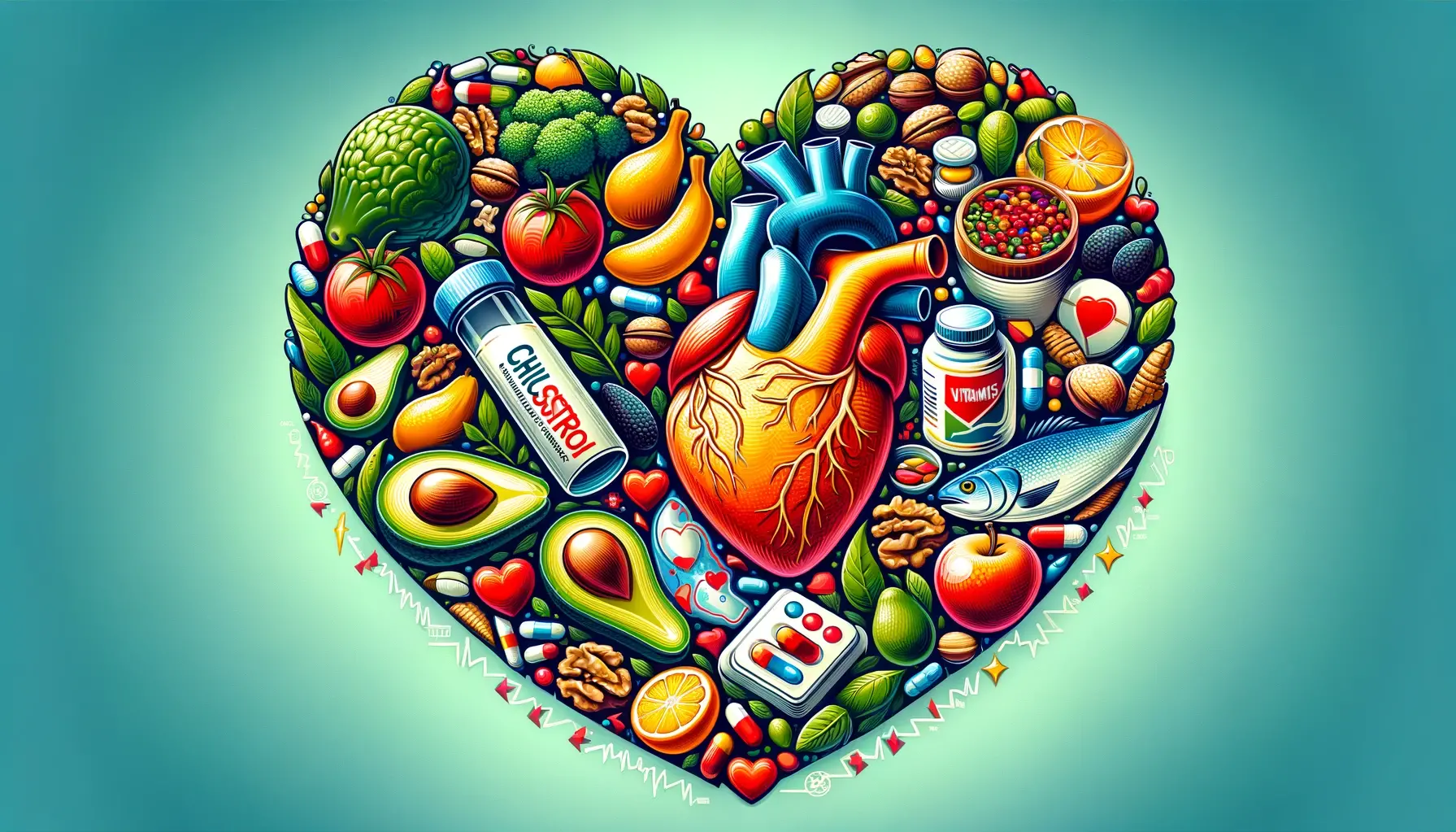
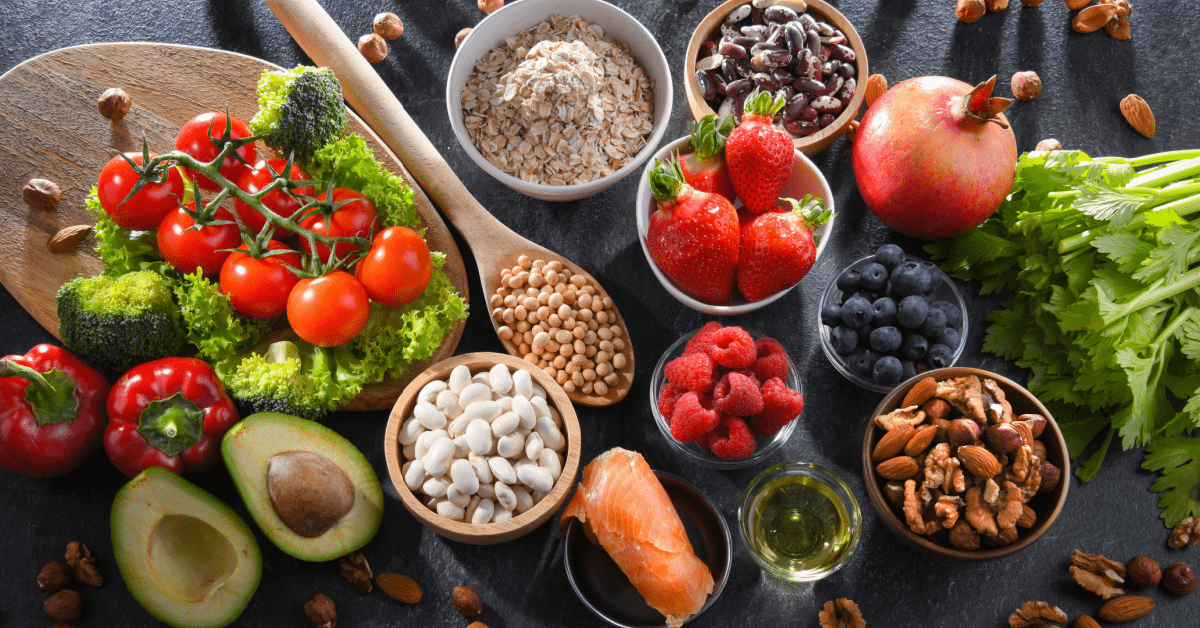
Welcome to the ultimate guide on incorporating cholesterol-lowering vitamins and nutrient-rich foods into your daily routine. In this article, you will discover the importance of these vitamins in maintaining a healthy cholesterol level, as well as easy and delicious ways to include them in your meals. Say goodbye to high cholesterol and hello to a healthier lifestyle with these simple tips and tricks. Let’s dive in and start making positive changes today!
Have you been searching for ways to lower your cholesterol levels naturally?
Hey there! If you’re looking to improve your heart health and lower your cholesterol levels without relying solely on medication, you’re in the right place. In this complete guide, we’ll dive into the world of cholesterol-lowering vitamins and how you can easily incorporate nutrient-rich foods into your daily lifestyle to make a positive impact on your health. Let’s get started!
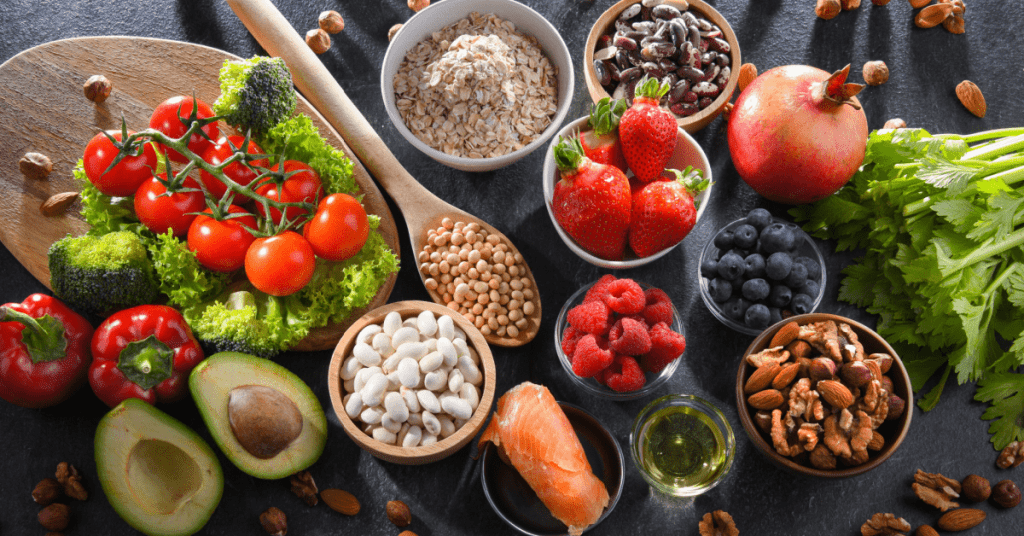
Understanding Cholesterol: The Basics
Before we delve into the specifics of cholesterol-lowering vitamins, let’s first understand what cholesterol is and why it’s essential to maintain healthy levels in your body. Cholesterol is a waxy substance found in your blood that’s crucial for building healthy cells. However, having high levels of cholesterol can increase your risk of heart disease and other health issues.
The Different Types of Cholesterol
Not all cholesterol is created equal. There are two main types of cholesterol: LDL (low-density lipoprotein) and HDL (high-density lipoprotein). LDL cholesterol is often referred to as “bad” cholesterol because high levels can lead to plaque buildup in your arteries, increasing your risk of heart disease. On the other hand, HDL cholesterol is known as “good” cholesterol as it helps remove LDL cholesterol from your arteries.
The Role of Vitamins in Lowering Cholesterol
Now that we understand the basics of cholesterol, let’s explore the role that vitamins play in lowering cholesterol levels. Certain vitamins and nutrients have been shown to help reduce LDL cholesterol levels, increase HDL cholesterol levels, and overall improve heart health. By incorporating these cholesterol-lowering vitamins into your diet, you can take proactive steps towards better cardiovascular health.
Top Cholesterol-Lowering Vitamins and Nutrients
Vitamin B3 (Niacin)
Vitamin B3, also known as niacin, is a water-soluble vitamin that has been shown to lower LDL cholesterol and triglycerides while increasing HDL cholesterol levels. Niacin works by inhibiting the liver’s production of LDL cholesterol and promoting the breakdown of fats. Foods rich in niacin include:
- Chicken breast
- Tuna
- Lentils
- Brown rice
Omega-3 Fatty Acids
Omega-3 fatty acids are a type of unsaturated fat that has been proven to reduce inflammation, lower triglycerides, and improve overall heart health. These essential fatty acids are found in fatty fish such as salmon, mackerel, and sardines. If you’re not a fan of fish, you can also get omega-3s from flaxseeds, chia seeds, and walnuts.
Fiber
Fiber is known for its ability to lower cholesterol levels by binding to bile acids and removing them from the body. This process forces the liver to use cholesterol to make more bile acids, thus reducing the amount of LDL cholesterol in your bloodstream. Foods high in soluble fiber include oats, barley, beans, and fruits like apples and oranges.
Vitamin C
Vitamin C is a powerful antioxidant that plays a vital role in reducing inflammation and protecting your cells from damage. Studies have shown that vitamin C can help lower LDL cholesterol levels and reduce the risk of heart disease. Citrus fruits, strawberries, bell peppers, and broccoli are excellent sources of vitamin C that you can easily incorporate into your meals.
Vitamin E
Vitamin E is another antioxidant that can help prevent the oxidation of LDL cholesterol, which is a key step in the development of plaque in your arteries. Nuts, seeds, spinach, and avocado are great sources of vitamin E that you should include in your diet to support heart health.
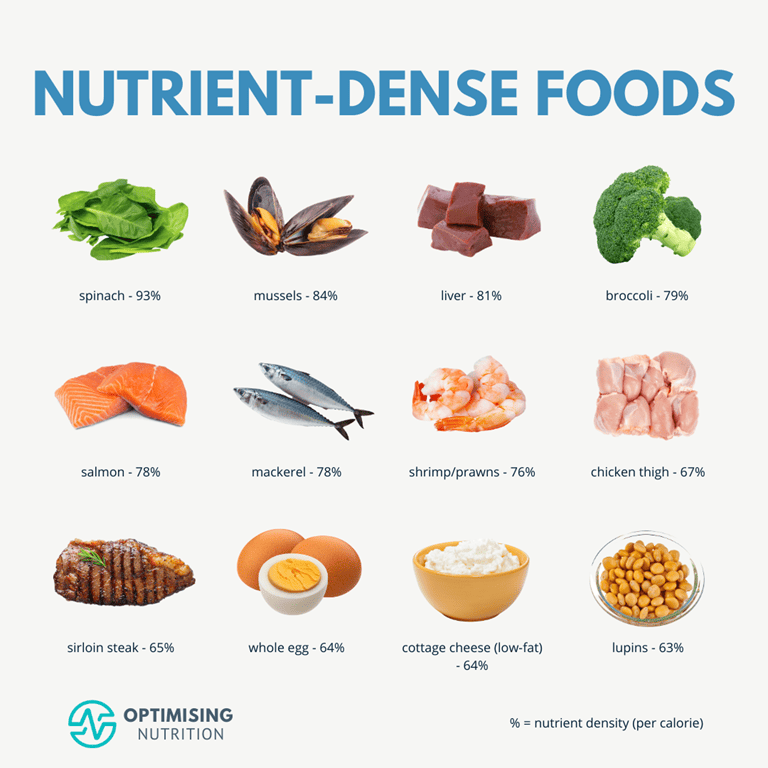
Practical Tips for Incorporating Cholesterol-Lowering Vitamins into Your Diet
Now that we’ve covered the top cholesterol-lowering vitamins and nutrients, let’s discuss some practical tips for incorporating these foods into your daily meals. Making small changes to your diet can have a significant impact on your cholesterol levels and overall heart health.
Start Your Day with Oats
Oats are an excellent source of soluble fiber, which can help lower your LDL cholesterol levels. Start your day with a bowl of oatmeal topped with fresh berries and nuts for a hearty and heart-healthy breakfast.
Snack on Nuts and Seeds
Nuts and seeds are packed with healthy fats, fiber, and essential nutrients like vitamin E. Keep a small container of mixed nuts or seeds at your desk for a quick and nutritious snack to help keep your cholesterol levels in check.
Add Fatty Fish to Your Weekly Menu
Fatty fish such as salmon, mackerel, and sardines are rich in omega-3 fatty acids, which have been shown to lower triglycerides and reduce inflammation. Aim to include fish in your meals at least twice a week to reap the heart-healthy benefits.
Load up on Fruits and Vegetables
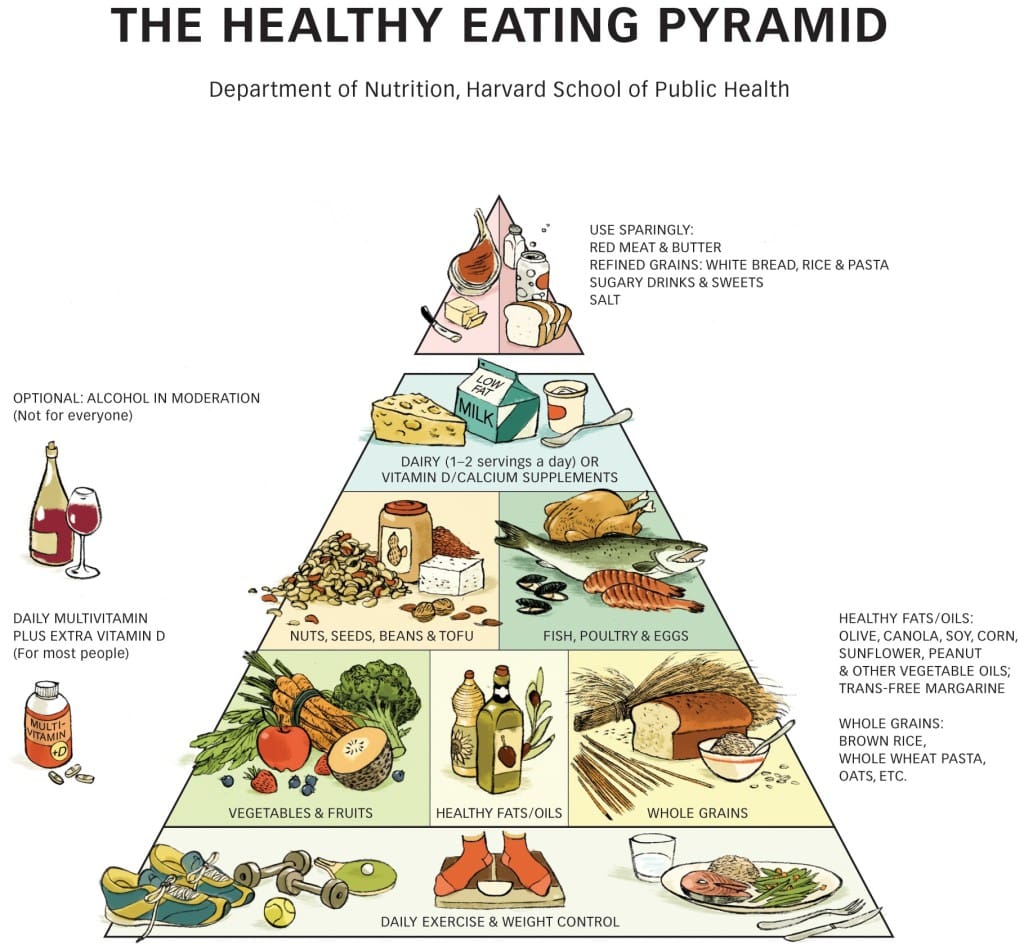
Fruits and vegetables are not only rich in essential vitamins and minerals but also in fiber and antioxidants that can help lower your cholesterol levels. Aim to fill half your plate with fruits and vegetables at every meal for a nutrient-packed and cholesterol-lowering diet.
Cook with Olive Oil
Olive oil is a healthy source of monounsaturated fats that can help raise your HDL cholesterol levels while lowering your LDL cholesterol levels. Use olive oil in place of butter or other unhealthy fats when cooking to support heart health.
Monitoring Your Cholesterol Levels
While incorporating cholesterol-lowering vitamins into your diet is a great step towards improving your heart health, it’s essential to regularly monitor your cholesterol levels to track your progress. Schedule regular check-ups with your healthcare provider to have your cholesterol levels tested and discuss any necessary adjustments to your diet or lifestyle.
Final Thoughts
By incorporating cholesterol-lowering vitamins and nutrient-rich foods into your lifestyle, you can take proactive steps towards improving your heart health and lowering your cholesterol levels naturally. Remember that small changes to your diet can have a significant impact on your overall well-being, so start by making simple swaps and additions to your meals to support a healthier heart. Here’s to a happy and healthy heart!